Mold can grow a lot faster than most people think. After water damage or too much moisture, mold may start forming within 24 to 48 hours. That’s why even a small leak can turn into a bigger problem if it’s ignored for too long.
Honestly, mold is pretty common in homes with poor ventilation or damp areas. Bathrooms, basements, kitchens, and even ceilings are all common spots where it can grow. Knowing how fast mold spreads and what causes it can help you stop serious damage before it gets worse.
How Long Does It Take for Mold to Grow?
Mold can begin growing within one to two days after water exposure. It usually happens when surfaces stay wet and there’s not enough airflow to dry them properly. Warm and humid conditions can make mold grow even faster.
You might not see mold right away, though. Sometimes it stays hidden behind walls, under carpets, or inside ceilings for days or even weeks. By the time you notice a musty smell or dark spots, the mold may already be spreading through the area.
What Causes Mold to Grow?
Excess Moisture and Water Damage
Leaks, floods, burst pipes, and roof damage are some of the biggest causes of mold growth. When water sits too long on drywall, wood, or carpet, mold spores can start feeding on those materials. Even small plumbing leaks under sinks can create enough moisture for mold to grow.
High Humidity Levels
Humidity can also cause mold, especially in rooms that stay damp most of the day. Bathrooms, laundry rooms, and basements are common trouble spots because moisture builds up easily there. If indoor humidity stays high for too long, mold can grow without any major leak.
Poor Air Circulation
Poor airflow keeps moisture trapped inside the home. Closets, storage rooms, and tight corners often stay damp because air can’t move around properly. That’s why mold sometimes appears in places people rarely check.
Organic Materials as Food Sources
Mold feeds on materials like wood, drywall, ceiling tiles, and carpet fibers. These surfaces hold moisture and give mold the nutrients it needs to spread. Once mold starts feeding on them, damage can happen pretty quickly.
Signs Mold Is Growing in Your Home
Musty Odors
One of the first signs of mold is a strong musty smell. It often smells damp, earthy, or kind of stale. Even if you can’t see mold yet, that smell may mean it’s hiding somewhere nearby.
Visible Discoloration
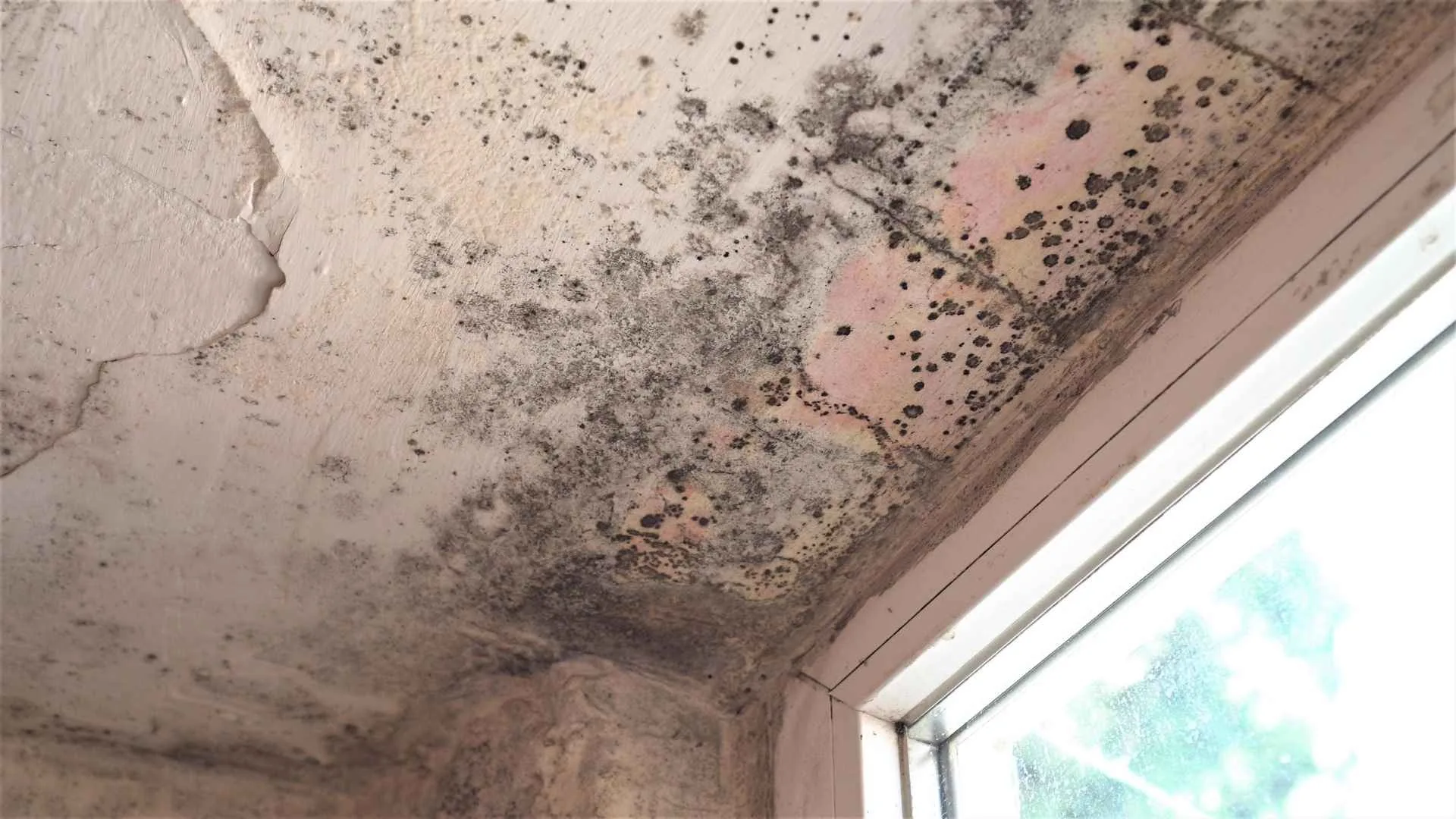
Mold often appears as black, green, white, or brown spots on surfaces. You might notice it on walls, ceilings, bathroom tiles, or around windows. Sometimes the spots look fuzzy or spread outward over time.
Water Stains or Peeling Paint
Water stains are usually a warning sign that moisture is trapped inside the wall or ceiling. Peeling paint and bubbling surfaces can also point to hidden mold problems. If moisture isn’t fixed, mold often follows soon after.
Allergy-Like Symptoms
Mold exposure can sometimes cause coughing, sneezing, itchy eyes, or headaches. People with allergies or asthma may notice symptoms getting worse indoors. Kids, older adults, and people with breathing issues are usually more sensitive to mold.
How Fast Does Mold Spread?
Mold spreads by releasing tiny spores into the air. These spores travel through rooms and settle on damp surfaces where they can start growing again. That’s why mold in one area can slowly spread to nearby walls, floors, or furniture.
If the moisture problem isn’t fixed, mold growth can keep getting worse. HVAC systems may also move spores through different parts of the house. Honestly, a small mold patch can turn into a much bigger cleanup job pretty fast.
Common Areas Where Mold Grows
Bathrooms
Bathrooms stay warm and damp almost every day, which makes them perfect for mold growth. Mold often forms around showers, sinks, ceilings, and grout lines. Poor ventilation after hot showers can make the problem worse.
Basements
Basements are naturally cooler and more humid than other parts of the home. Water leaks, flooding, and poor drainage can all lead to mold problems there. Since basements are often dark and unused, mold can grow unnoticed for a long time.
Attics
Attics may develop mold when roofs leak or ventilation is blocked. Warm air trapped inside the attic can create moisture buildup over time. Mold in attics can sometimes damage insulation and wooden beams.
Kitchens
Kitchens create moisture from cooking, dishwashing, and leaking pipes. Mold may grow under sinks, behind refrigerators, or near dishwashers. Small leaks in these areas often go unnoticed until mold appears.
Behind Walls and Under Flooring
Hidden mold is common after water damage because moisture gets trapped out of sight. Wet drywall and flooring materials can stay damp for days if they are not dried properly. This hidden mold may spread before homeowners even realize there’s a problem.
Health Risks Associated With Mold Exposure
Mold exposure can affect indoor air quality and make some people feel sick. Common symptoms include coughing, sneezing, sore throats, headaches, and irritated eyes. People with asthma or allergies may react more strongly to mold in the home.
Long-term mold exposure may become more serious if the problem is ignored. Some people may develop breathing problems or ongoing allergy symptoms over time. That’s why it’s important to handle mold issues early instead of waiting for them to spread.
How to Prevent Mold Growth
The best way to prevent mold is to keep moisture under control. Dry wet surfaces quickly, fix leaks right away, and use fans or dehumidifiers in damp rooms. Keeping humidity levels low can make a big difference in stopping mold before it starts.
It also helps to inspect your home regularly for water damage. Check under sinks, around windows, and near appliances for leaks or stains. After floods or major leaks, professional water damage cleanup can help prevent hidden mold from growing later on.
When to Call a Mold Remediation Professional
Small mold spots can sometimes be cleaned safely, but larger problems usually need professional help. If mold keeps coming back or spreads across multiple areas, there may be hidden moisture behind walls or floors. Strong musty smells are also a sign that mold may be growing out of sight.
Professional mold remediation teams have the tools to inspect, contain, and remove mold safely. They can also help dry affected areas and stop future growth. Getting help early with Spartan Restoration mold remediation services can protect both your home and your health.
Conclusion
Mold can start growing surprisingly fast after water damage or excess moisture. In many cases, it only takes 24 to 48 hours for mold to begin spreading. That’s why quick cleanup and proper drying are so important after leaks or flooding.
The good news is that mold problems can often be prevented with regular maintenance and fast action. Keeping your home dry, clean, and well ventilated can lower the risk of mold growth. If you notice signs of mold, it’s always better to deal with it early before the damage gets worse.