Imagine stepping into your backyard and finding a true extension of your home – a place of beauty, tranquility, and endless possibilities. For too many of us, our outdoor spaces remain underutilized. They might feel uninspired, have wasted square footage, or feature disjointed layouts. We believe these areas hold immense potential, offering much more than just grass and plants. A thoughtfully designed outdoor space can significantly enhance your quality of life, provide settings for cherished memories, and notably increase your home’s value, often without impacting property taxes.
In this comprehensive guide, we will explore how to unlock that potential. We’ll delve into the latest trends for 2026, from Mediterranean elegance to charming cottage gardens. We will show you how to design functional outdoor rooms for every activity. We will also discuss the best hardscaping options, such as patios and retaining walls, and how to select complementary elements like landscaping garden path materials to perfect your design. Furthermore, we’ll cover plant choices for various property types and the process of working with professionals.
Our aim is to equip you with the knowledge to create an outdoor sanctuary that not only elevates your lifestyle but also maximizes your property’s value and curb appeal.
Current Trends in Outdoor Space Landscaping for 2026
As we move through 2026, outdoor space landscaping continues to evolve, reflecting a desire for both beauty and utility. Homeowners are increasingly seeking designs that merge aesthetic appeal with practical functionality, creating spaces that are extensions of their indoor living areas. Among the most popular trends we’re observing are the timeless charm of Mediterranean gardens, the intimate allure of Spanish courtyards, and the whimsical comfort of cottage garden styles.
Mediterranean gardens, for instance, are characterized by drought-tolerant plants, often featuring olive trees, lavender, rosemary, and other aromatic herbs. These designs frequently incorporate natural stone, gravel, and terracotta elements, evoking a sense of warmth and rustic elegance. Spanish courtyards take this a step further, emphasizing enclosed spaces, often with fountains, intricate tile work, and shaded seating areas, perfect for private reflection or intimate gatherings. For those who appreciate a more relaxed, informal aesthetic, cottage gardens remain a favorite. These designs burst with a profusion of flowering plants, often in soft, romantic hues, creating a lush, layered look that feels both natural and inviting. They prioritize sensory experiences with fragrant blooms and varied textures.
These styles are not just about aesthetics; they are about creating an atmosphere. Whether it’s the sun-drenched tranquility of a Mediterranean oasis or the cozy embrace of a cottage garden, the goal is to craft an outdoor environment that resonates with the homeowner’s lifestyle. For inspiration and expert guidance on integrating these popular looks into your property, exploring resources on Quality Outdoor Space Landscaping can provide valuable insights into achieving a cohesive and stylish outdoor design. Many homeowners are also turning to digital design platforms, such as those offered by Yardzen Residential Landscape Design, to visualize these trends in their own spaces before any ground is broken.
Structuring Functional Outdoor Rooms and Premium Furniture Layouts
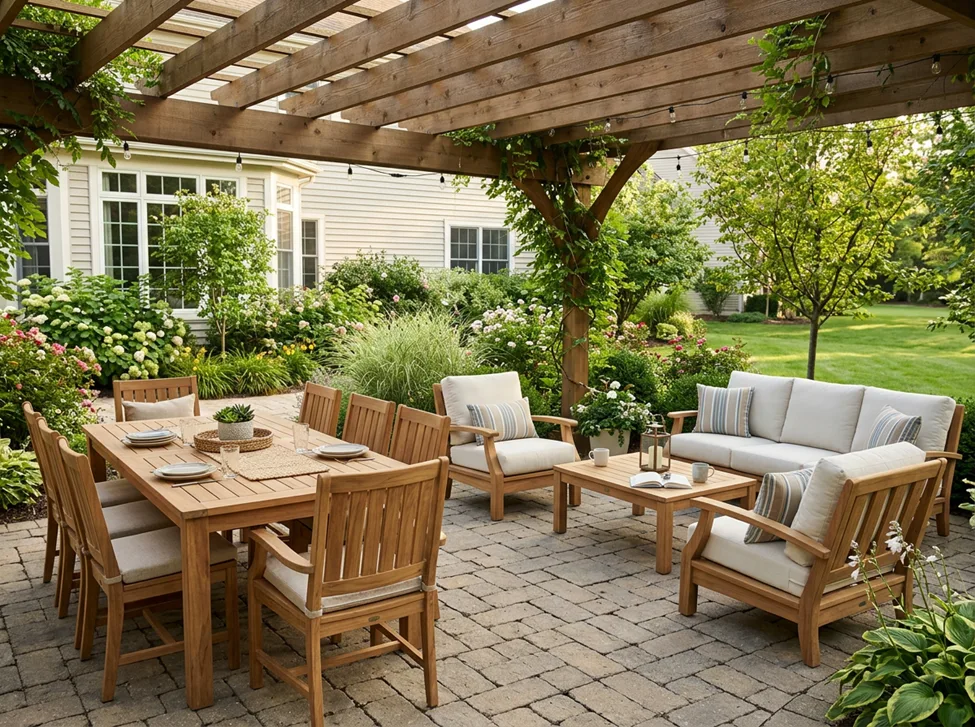
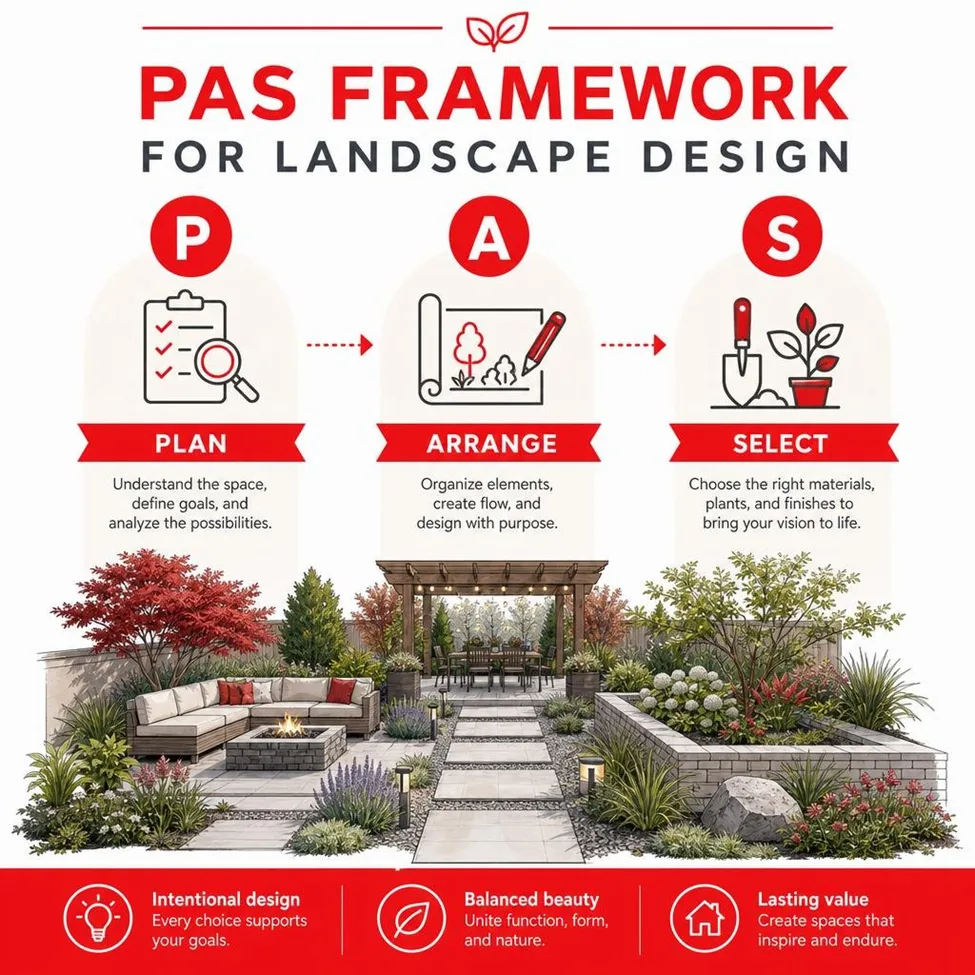
The concept of the “outdoor room” has truly taken hold, transforming backyards from simple green spaces into multi-functional zones for living, entertaining, and relaxing. Just as you design distinct rooms inside your home, we can create dedicated areas outdoors, each serving a specific purpose. Effective outdoor room design begins with thoughtful space planning, ensuring smooth traffic flow between zones and maximizing usability.
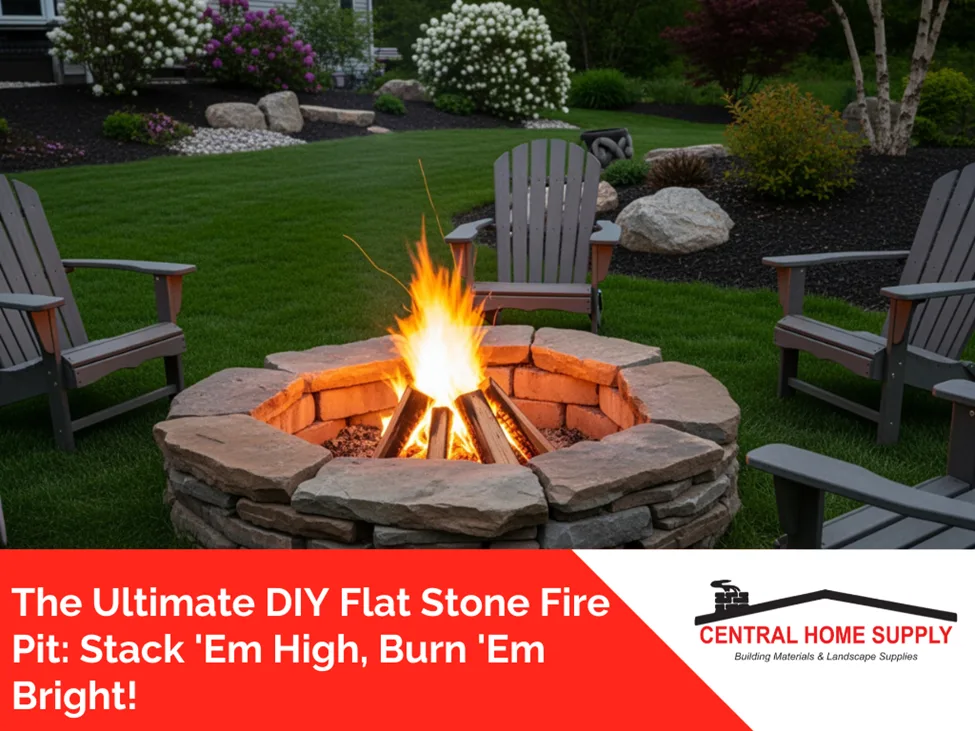
Imagine a dedicated dining zone, complete with a sturdy table and comfortable chairs, perfectly positioned to catch the evening breeze. Adjacent to this, a lounging area might feature plush seating, perhaps under a pergola for shade and privacy. Pergolas, with their open-lattice roofs, offer a perfect balance of sun and shade, creating an inviting overhead structure. For culinary enthusiasts, an outdoor kitchen can be a game-changer, equipped with grills, counter space, and even refrigeration, transforming al fresco dining into a gourmet experience. The ambiance can be further enhanced with elements like a crackling Fire Pit for cozy evenings or the soothing sound of Water Features.
When furnishing these outdoor rooms, the choice of materials is paramount. Premium furniture, particularly pieces crafted from durable materials like teak, can elevate the aesthetic and ensure longevity. Teak, known for its weather resistance and elegant appearance, is an excellent investment for any outdoor setting. For homeowners looking to invest in high-quality, long-lasting pieces that stand up to the elements and enhance their outdoor living experience, considering options for Teak for outdoor landscaping is a wise decision. Companies specializing in exterior design, such as OUTER:SPACES Exterior Design, often emphasize the importance of integrating furniture and structures seamlessly into the overall landscape plan to create a truly cohesive and inviting outdoor environment.
Designing Functional Outdoor Rooms and Hardscapes
The foundation of any robust outdoor space landscaping project lies in its hardscape design. Hardscaping refers to the non-living elements of a landscape, such as patios, walkways, retaining walls, and decks. These components provide structure, define spaces, and manage water flow, making them crucial for both functionality and aesthetics. A successful hardscape design considers material compatibility, ensuring that chosen elements complement each other and the existing architecture of the home.
Proper site grading and drainage solutions are fundamental to preventing water accumulation, erosion, and potential damage to your property. This is especially critical for different property types, where unique challenges might arise. For instance, a sloped property will require different considerations for water management than a flat, urban yard. Expert landscape designers, like those at Opulands Landscape Design Services, often emphasize a holistic approach, where hardscaping not only looks appealing but also performs essential functions in protecting and enhancing the land.
Selecting Hardscaping Materials for Diverse Property Types
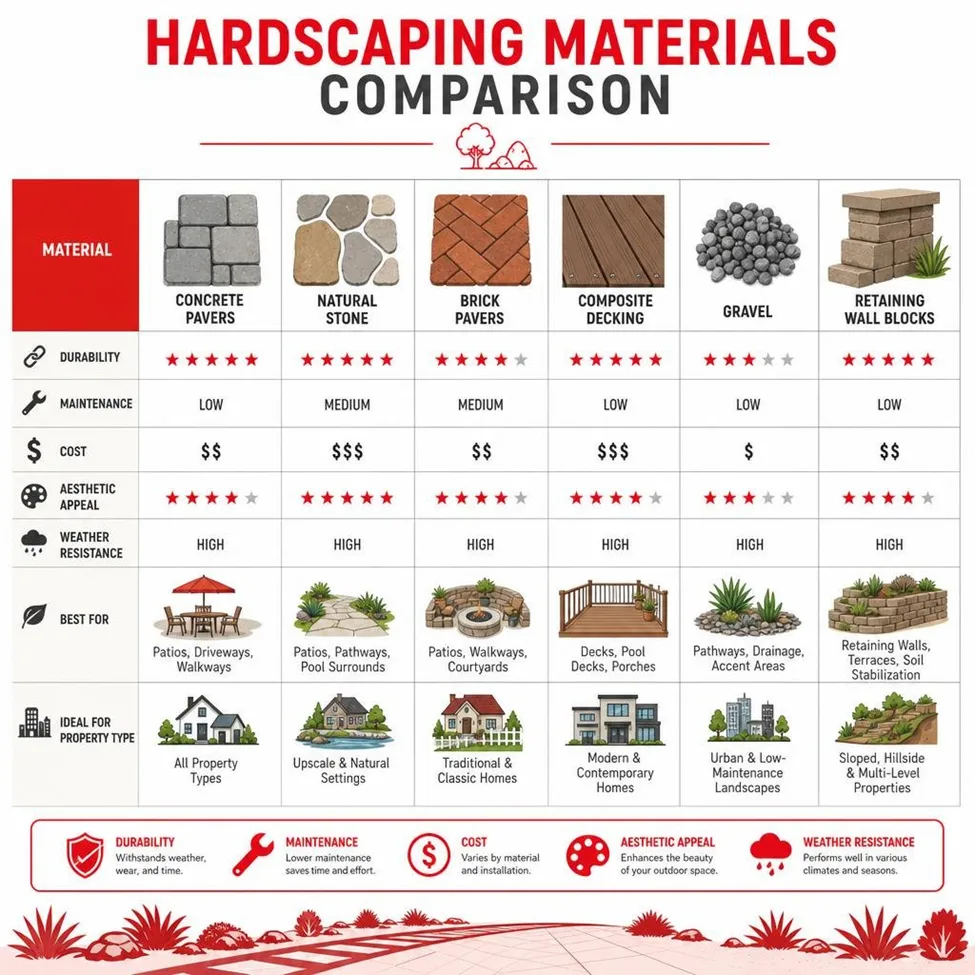
Choosing the right hardscaping materials is a decision that balances durability, aesthetics, and the specific needs of your property. Patios and decks serve as primary gathering spaces, with options ranging from natural stone pavers to composite decking. Each material offers distinct advantages in terms of maintenance, lifespan, and visual appeal.
For properties with uneven terrain or those requiring soil stabilization, Retaining Walls are essential. These structures prevent erosion, create level planting beds, and can even define terraced garden areas. Materials like concrete blocks, natural stone, or timber each offer different strengths and aesthetic qualities. For homeowners with waterfront properties, seawalls play a critical role in protecting against erosion and wave action. These projects often involve complex engineering and require specific permits, particularly for lakefront facelifts or coastal renovations. Understanding the science behind a long-lasting seawall and navigating state permitting services are vital steps to ensure a successful and compliant installation.
The table below provides a quick comparison of common hardscaping materials and their suitability for various property types.
Tailoring Plant Communities to Small, Sloped, or Urban Spaces
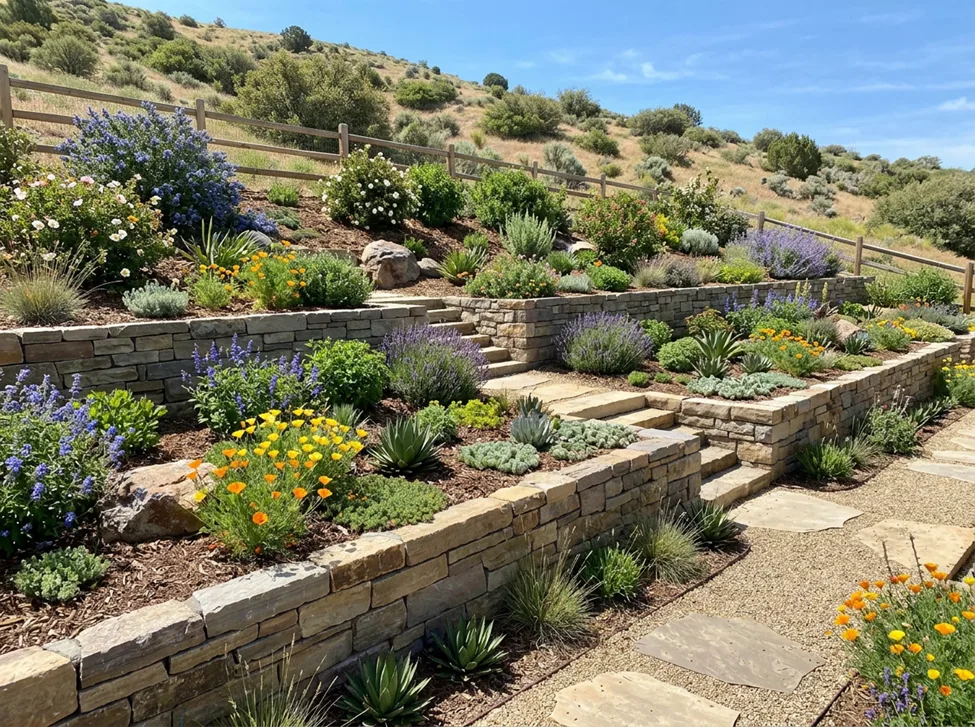
Planting design is where the soft, living elements of your landscape come to life, and it requires a nuanced approach, especially for challenging spaces. Small yards, for example, benefit from thoughtful plant selection that maximizes visual impact without overwhelming the space. This might involve vertical gardening, espaliered fruit trees, or compact shrub varieties.
Sloped properties present unique opportunities for dramatic design, such as terraced gardens. These designs use retaining walls to create level planting beds, preventing soil erosion while adding visual interest. Native plantings are particularly well-suited for sloped areas, as they are often adapted to local soil conditions and require less water and maintenance once established. For urban spaces, creativity is key. Rooftop containers, window boxes, and vertical gardens can transform concrete jungles into vibrant green havens, providing much-needed greenery and improving air quality. These solutions not only add beauty but also contribute to a healthier microclimate.
When selecting plants for any of these unique environments, we prioritize species that thrive in the specific conditions of the site – considering sun exposure, soil type, and drainage. Creating a “plant community” means choosing plants that complement each other, grow well together, and provide year-round interest. This approach also helps in managing soil erosion, especially on slopes, by creating a dense root system that holds the soil in place.
Sustainable Planting and Professional Execution
Thoughtful planting design extends beyond immediate aesthetics; it encompasses the environmental impact and long-term viability of your outdoor space. Our focus is on creating landscapes that are not only beautiful but also sustainable, requiring less maintenance and contributing positively to the local ecosystem.
Sustainable Planting and Eco-Friendly Outdoor Space Landscaping
In 2026, sustainable landscaping is not just a trend; it’s a responsibility. Homeowners are increasingly opting for drought-tolerant plants and native species, which are naturally adapted to the local climate and require less water once established. This significantly reduces irrigation needs, conserving precious resources. Low-maintenance choices, such as slow-growing shrubs, perennials, and ground covers, also minimize the need for frequent pruning, fertilizing, and pest control, saving time and reducing chemical use.
Furthermore, incorporating rainwater harvesting systems, such as rain barrels or bioswales, can capture runoff and redirect it to planting beds, further reducing reliance on municipal water. Mulching is another critical practice; applying a thick layer of organic mulch helps retain soil moisture, suppresses weed growth, and regulates soil temperature throughout the changing seasons.
Creating diverse plant communities and pollinator habitats is another cornerstone of eco-friendly design. By selecting a variety of flowering plants, shrubs, and trees, we can attract beneficial insects, butterflies, and birds, supporting local biodiversity. Succulents, with their striking forms and minimal water requirements, are also popular choices for adding texture and visual interest in arid or low-water landscapes. Healthy soil is the foundation of any sustainable garden. We focus on improving soil health through organic amendments, which enhance drainage, nutrient retention, and microbial activity, leading to stronger, more resilient plants. These practices collectively contribute to effective water conservation and a thriving, environmentally conscious outdoor space.
Navigating the Professional Design, Permitting, and Installation Process
Embarking on a significant outdoor project, especially one involving complex hardscaping or structural elements, often benefits from a professional design-build process. This integrated approach streamlines the project from conception to completion, ensuring continuity and efficiency. It typically begins with a thorough site consultation, where designers assess your property, discuss your vision, and identify any challenges or opportunities.
Following the consultation, advanced tools like 3D visualization software are often used to create detailed plans, allowing you to see your future outdoor space before construction begins. This helps in refining the design and making informed decisions. A crucial step in many projects is navigating the permitting process. Depending on the scope of work, state permits may be required for structures like seawalls or larger decks. Additionally, projects near lakes or streams often necessitate soil erosion permits through the county to protect natural resources. Professional landscapers are adept at handling these applications and ensuring compliance with environmental regulations.
The construction phase then brings the design to life, with skilled teams managing everything from site preparation and grading to the installation of hardscapes and plantings. Throughout this process, clear communication and project management are key to staying on schedule and within budget. Upon project completion, many firms also offer guidance on ongoing maintenance, ensuring your outdoor space continues to flourish for years to come.