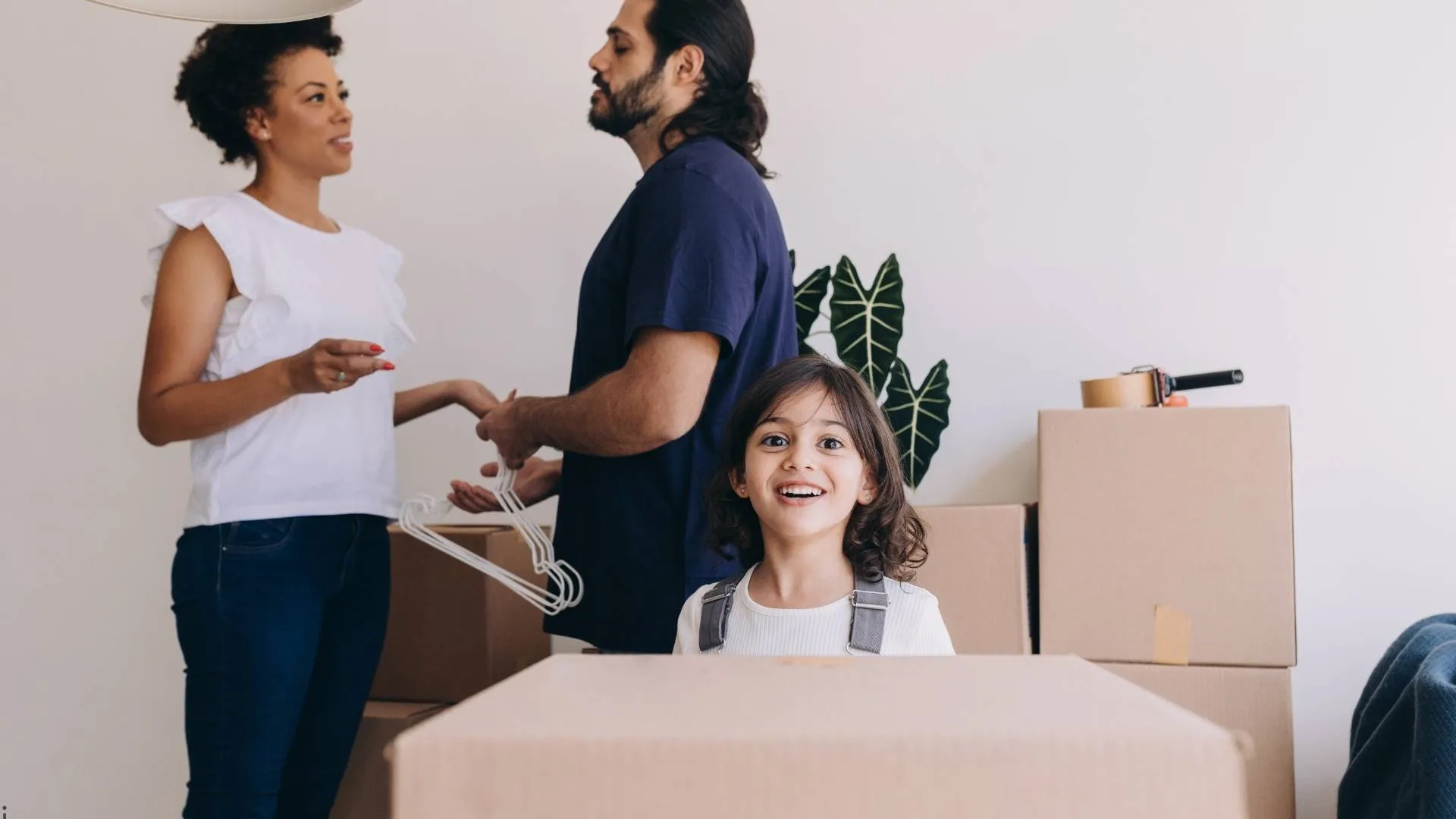
Moving soon and feeling overwhelmed by all the tasks? Studies show packing and scheduling cause the most moving stress for many people. This guide breaks the move into clear steps, from planning to unpacking.
Keep reading.
Create a Master Moving Checklist
A moving checklist helps you stay on track. Write down tasks, deadlines, and important contacts to make your move smoother.
Track tasks, deadlines, and important contacts
Plan tasks early. Keep a clear record.
- Create a master checklist that lists every relocation task and links to deadlines and notes.
- Set firm dates for each task so scheduling and time management guide your transition.
- Assign each task to a person or company to ensure professional services and family roles stay clear.
- Track progress daily to spot delays in packing, decluttering, or booking moving services.
- Log important contacts, such as your moving company, utility providers, and rental truck agents.
- Record account numbers, phone lines, and online portals for utilities to speed up setup and transfer.
- Note appointment times with dates and names to avoid double booking during the move.
- Mark deadlines for donations, garage sale listings, and trash pickup to clear items on time.
- Save receipts and contracts in one folder to support budgeting and any dispute with transportation vendors.
- Share the checklist with household members and vendors to keep everyone aligned during the transition.
Declutter and Organize
Sort your items into four piles: keep, donate, sell, and discard. This will help you simplify your move. A clean space makes packing easier. Want tips on how to tackle this task? Keep reading!
Sort items into keep, donate, sell, and discard piles
Plan to cut clutter before packing. Use clear piles for each outcome.
- Keep items you use daily, such as cookware, electronics, and important documents, and list them on your packing checklist for quick access.
- Donate goods in good condition to local charities, drop them off before your move date, and keep receipts for tax or record purposes.
- Sell valuable items online or at a garage sale to offset moving services or truck rental costs, set fair prices, and schedule pickups or shipping times.
- Discard broken or expired items safely, follow city rules for hazardous waste, and note disposal steps on your moving logistics plan.
Book Moving Services Early
Book your moving services as soon as you can. This helps ensure you get the dates and times that work best for you.
Hire professional movers or reserve a rental truck
When selecting your moving company, consider the reputation and reliability of movers in Winnipeg to ensure a smooth process.
Hire a licensed moving company to handle large items and long trips. Professional movers cut load time and reduce damage risks during relocation.
Reserve a rental truck early for weekend moves and peak season dates. Compare prices, add insurance, and confirm scheduling with the transportation provider.
Gather Essential Packing Supplies
Gather strong boxes, packing tape, and bubble wrap for your move. These items will help protect your belongings and make packing easier.
Use sturdy boxes, packing tape, and cushioning materials
Use strong boxes to keep your items safe. Packing tape helps seal everything tight. Cushioning materials protect fragile things.
- Buy boxes in different sizes for various items. Small boxes are great for books and heavy items. Large boxes fit lighter, bulkier things like clothes.
- Choose packing tape that sticks well and is durable. Clear tape works best for most moving needs.
- Use bubble wrap or packing paper to cushion breakable items. Place these materials around dishes, glassware, and electronics.
- Fill any empty space in the box with crumpled paper or foam peanuts. This prevents items from shifting during transport.
- Label each box clearly with its contents and the room it belongs to. This makes unpacking easier later on.
- Consider using wardrobe boxes for clothes on hangers. These boxes help keep your clothes wrinkle-free during the move.
Planning your packing strategy is vital for a smooth process. Next, prepare for administrative tasks like updating utilities and changing your address.
Pack Strategically
After you’re done selling a home in Malibu, pack each room separately. Use clear labels on all boxes. This will make unpacking easier later. A smart packing method saves time and stress. Want more tips on a smooth move? Keep reading!
Pack room by room and label boxes clearly
Packing room by room helps keep things organized. Clear labels make unpacking easier.
- Start with one room at a time. This keeps the process simple and less chaotic.
- Gather all items from that room first. Look for everything you do not need right away.
- Use sturdy boxes to hold your items. Choose sizes based on what you pack.
- Place heavier items at the bottom of boxes. This prevents damage to lighter items.
- Label each box with the room name and contents. Write details like “Kitchen – Plates” or “Living Room – Books.”
- Use different colored markers for each room, if possible. This makes it quick to find where boxes go later.
- Seal boxes well with packing tape; avoid weak seals that can break during transport.
- Avoid overpacking a box, as this can make it too heavy to lift easily.
- Prepare a list of packed boxes for reference later; this helps track your belongings during the move.
- Decorate some boxes with stickers or drawings if kids are helping; this can make packing fun for them.
This approach enhances organization and simplifies logistics while easing the transition into your new home!
Prepare for Administrative Tasks
Update your utilities before moving day. Make sure to forward your mail and change your address with the post office.
Update utilities, forward mail, and change your address
Changing your address is vital for a smooth move. It helps you stay connected and ensures that services continue without interruption.
- Notify your utility companies, like water, gas, and electric. Set up service at your new home before you arrive.
- Contact internet and cable providers to schedule installation on the moving day or soon after.
- Forward your mail through the postal service. Fill out a request form online or at your local post office.
- Change your address with banks and credit card companies. This keeps your financial accounts secure and updated.
- Inform insurance providers about your new address. Make sure your home, car, and health insurance reflect this change.
- Update subscriptions for magazines or any regular deliveries. This way, you won’t miss important items after the move.
- Let friends and family know about your new address. Share this information through phone calls or social media to keep everyone in the loop.
- Register with local services at your new location, such as doctors or schools if applicable. This is crucial for ongoing care and education.
- Keep track of all changes made during this process in a checklist format to avoid missing anything important.
- Double-check that all utilities are set up before moving in to avoid surprises on arrival.
Following these steps will help ease any stress during relocation while ensuring you remain organized and well-prepared for the transition ahead.
Keep Essentials Handy
Pack a personal bag with items you’ll need right away. Include clothes, toiletries, and important documents for your first few days in your new home.
Pack a personal bag with necessities for the first few days
A personal bag holds key items for your first days after moving. Include clothes, toiletries, and important documents. Don’t forget your phone charger and any medications you need.
This bag will help you feel settled amid the chaos of unpacking.
Keep snacks and water handy too. Moving can be tiring, so having food nearby helps keep your energy up. Think about what you’ll need until everything is in place. Having these essentials close by reduces stress during the transition to your new home.
Take Photos Before Disassembling Items
Take Photos Before Disassembling Items: Snap clear pictures of how your electronics and furniture are set up before you take them apart. This will help you put everything back together easily in your new home.
For more tips on moving, keep reading!
Document electronics setups and furniture conditions
Taking clear photos is beneficial. You can easily remember how to set everything up in your new home.
- Start with electronics. Take pictures of all cords and connections for items like TVs, computers, and game consoles. This will help you plug them back in correctly.
- Focus on furniture. Photograph all furniture before disassembling it. Capture the condition of each piece to avoid disputes with your moving company.
- Include any special setups. If you have a unique arrangement, make sure to document it well. Use angles that show details clearly.
- Organize the photos. Save these images in a folder on your device or cloud storage system. Label the files by room and item type for easy access.
- Share with helpers. If friends or family are assisting, send them the photos too. Everyone can refer to them during the move and setup process.
- Keep a printed copy handy. Print out key images if needed, especially for complex setups that may need extra attention.
- Review before packing electronics and furniture away for transport; this ensures nothing is overlooked during disassembly.
- Check in after arrival at your new home; compare setups against your photos to ensure everything goes in its right place quickly.
Stay Energized on Moving Day
Stay Energized on Moving Day: Take breaks often to rest your body. Drink plenty of water to keep your energy up as you work.
Take breaks, stay hydrated, and pace yourself
Moving can be hard work. Take breaks during the day to rest your body and mind. Short pauses help you recharge. Drink water often to stay hydrated. It keeps you alert and focused on tasks.
Don’t rush through each job. Move at a steady pace instead, so you don’t feel overwhelmed. Listen to your body; if you’re tired or sore, take extra time to relax before getting back to work.
Staying energized helps in keeping the move stress-free, making it easier for everyone involved in this transition.
Unpack Room by Room
Unpack one room at a time. Start with the essentials, then move to other spaces as you go.
Start with essentials and work through each space gradually
Start with the items you need most. Move on to each space one at a time.
- Begin with your kitchen. Gather basic cooking supplies, utensils, and any food you plan to use right away.
- Next, focus on your bedroom. Pack clothes, bed linens, and personal items that you will need for the first few nights.
- Tackle the bathroom after that. Collect toiletries and any medicines you use daily.
- Look at your living room next. Set aside important electronics and remote controls so you can set up easily.
- Go through extra rooms last, like guest rooms or storage spaces. You can deal with these items later since they are less urgent.
- Label boxes clearly as you pack each room’s essentials. This will help you find things quickly after the move.
- Keep everything organized in one place for easy access during your first days in the new home.
- Take breaks while packing to avoid feeling overwhelmed; moving is a big task that takes time and energy.
Conclusion
Moving can be easy with proper planning. A good checklist makes all the difference. Take time to organize and pack your things. Stay on top of tasks like updating utilities and forwarding mail.
With these steps, you can enjoy a smooth transition to your new home.