About 14,000 Americans deal with a home water damage emergency every single day. That number isn’t driven by freak disasters. It’s driven by skipped maintenance, ignored drips, and the quiet assumption that if nothing’s visibly broken, everything’s fine. Your home tells you what it needs. The problem is that most homeowners only listen after something floods.
A seasonal maintenance calendar changes that completely. It moves you from reactive panic to deliberate care, and the difference shows up in your repair bills, your property value, and how your space actually feels to live in. This calendar is built around the four seasons, ordered by what fails most often and why.
Spring: Your Home Just Survived Winter. Now Inspect It.
Spring is the most important maintenance window of the year, and most homeowners spend it gardening instead of inspecting. That’s a costly trade.
Start with water. According to the EPA’s WaterSense program, the average household’s leaks waste more than 9,300 gallons of water every year, and household leaks collectively waste nearly 1 trillion gallons annually nationwide. Most of those leaks don’t announce themselves. They live behind walls, under sinks, and inside toilet tanks. Spring is exactly when you go looking for them, before summer heat turns a slow drip into a ceiling stain or a mold problem.
Your spring checklist should cover:
- Check every faucet, showerhead, and visible pipe for slow drips
- Flush the water heater to clear sediment buildup from winter
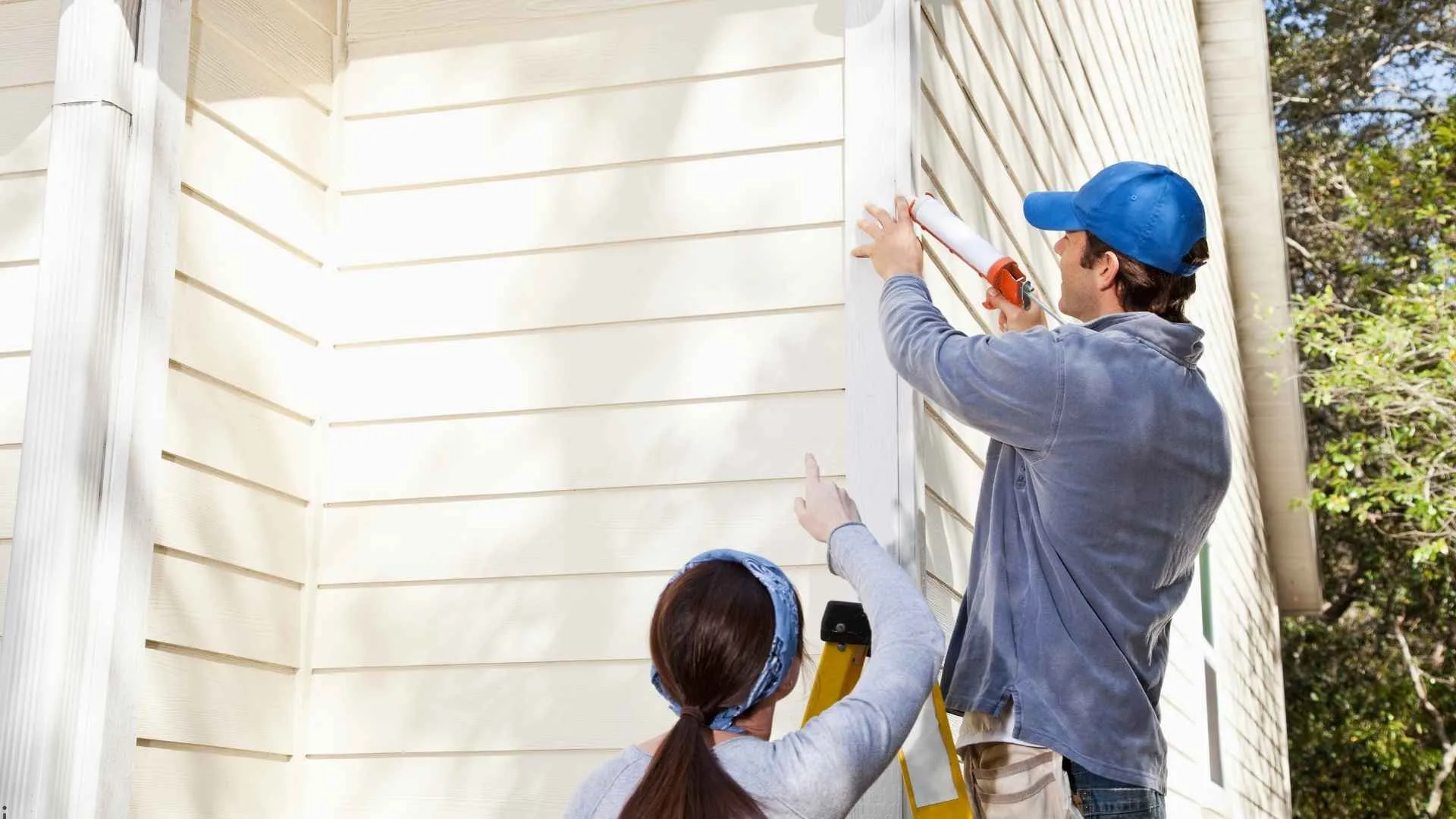
- Inspect caulk and grout lines in bathrooms and kitchens
- Walk the exterior after the last frost and look for foundation cracks
- Clean gutters of winter debris before spring rain season
If your home is more than 15 years old, add a full plumbing inspection to this list. Older pipes don’t fail loudly. They fail slowly, and the bill arrives months later when drywall gets involved.
Summer: The Season That Breaks HVAC and Plumbing Together
Summer is brutal on home systems, particularly in the South and Southwest where temperatures regularly push past 100 degrees Fahrenheit for weeks at a stretch. Your air conditioning runs continuously, your water heater works against ambient heat, and your washing machine logs double duty with outdoor activities piling on the laundry.
The two systems most likely to fail together in summer are HVAC and plumbing. HVAC because it’s running hardest. Plumbing because high demand on dishwashers, washing machines, and outdoor irrigation puts stress on supply lines and drain connections that sat quiet all winter.
My honest advice: schedule your HVAC tune-up in late April, before demand spikes and every technician in town is booked. For plumbing, pay close attention to your washing machine’s supply hose. Those hoses have a recommended replacement interval most homeowners never bother with, and a failed supply line releases water fast enough to soak a floor in minutes.
Summer also tends to surface slab leaks in regions with clay-heavy soil. Soil expansion and contraction from heat cycles put lateral stress on pipes running under concrete foundations. If you notice warm spots on your floor or an unexplained spike in your water bill during summer, don’t wait. That’s a call to make the same day.
The Seasonal Urgency Ladder: A Framework for Prioritizing Repairs
Not every maintenance task is equally urgent. This original framework breaks repairs into four tiers based on failure speed and remediation cost:
| Tier | Failure Speed | Example Repairs | Action Timeline |
| Tier 1 — Active Emergency | Minutes to hours | Burst pipe, gas leak, sewer backup | Call now, same day |
| Tier 2 — Rapid Escalator | Days to weeks | Slow slab leak, failing water heater, HVAC refrigerant loss | Within 48 to 72 hours |
| Tier 3 — Creeping Damage | Weeks to months | Dripping faucets, worn caulk, aging drain lines | Next seasonal check |
| Tier 4 — Deferred Upgrade | Years | Fixture upgrades, repiping older homes, insulation improvements | Annual planning cycle |
The mistake most homeowners make is treating Tier 2 repairs like Tier 3 ones. A failing water heater that’s still technically running gets ignored until it floods the utility room. A slow slab leak stays slow until it doesn’t. Tier 2 problems are where the real money gets lost.
Fall: The Preparation Window You Can’t Afford to Skip
Fall maintenance is almost entirely about what you’re protecting against: winter. Every hour you spend in October saves three hours in February.
According to a 2025 report from the Insurance Information Institute (Triple-I), based on 2023 data, water damage and freezing accounted for 22.6% of all home insurance claims, with one in every 67 insured homeowners filing a water damage or freezing claim each year and an average claim amount of $15,400. The freezing portion of that statistic is almost entirely preventable with fall prep.
Your fall checklist:
- Insulate any pipes running through unheated spaces like garages, crawl spaces, or exterior walls
- Drain and shut off outdoor hose bibs before the first freeze
- Schedule a furnace inspection before you actually need heat
- Check the water heater’s anode rod — it should be replaced every 3 to 5 years
- Clear dryer vents and bathroom exhaust fans of any lint or debris buildup
One thing most design-focused homeowners miss: fall is also the time to reseal any grout or tile in bathrooms and kitchens. Water that seeps behind tile in winter creates freeze-thaw damage that shows up as cracked tile and bubbling walls by spring. The sealant costs about $12. The tile repair costs considerably more.
“The most expensive home repairs are almost always the ones that were once cheap to prevent.” This sentiment, widely echoed by home inspection professionals and backed by insurance data, captures the core logic of seasonal maintenance: small attention paid early consistently beats large bills paid late.
Winter: Stay Vigilant and Know When to Call
Winter maintenance is lighter on tasks but heavier on monitoring. Your systems are under their peak stress load, and that’s precisely when deferred repairs announce themselves at the worst possible time.
Keep your thermostat set no lower than 55 degrees Fahrenheit even when traveling, open cabinet doors under sinks on exterior walls during cold snaps, and do a visual check of visible pipes in the garage monthly. Most burst pipes happen during the first hard freeze of the season, not the coldest night of winter. Your pipes aren’t conditioned to it yet.
Winter is also when you want to know your professional contacts before you need them. If a pipe bursts at 9 p.m. on a Sunday, you don’t want to be searching from scratch. Homeowners in the Dallas-Fort Worth area who search for emergency plumbing waxahachie often find that local providers with same-day availability are worth identifying in advance, long before an actual emergency searches feel urgent.
What Your Maintenance Calendar Actually Protects
A seasonal maintenance routine protects three things most homeowners care about deeply: the structural integrity of the home, the interior aesthetic they’ve invested in creating, and their financial position going into any future sale or renovation.
Water damage, in particular, doesn’t discriminate between the beautifully renovated kitchen and the unfinished utility room. It moves wherever gravity takes it. A burst supply line in an upstairs bathroom becomes a ruined ceiling in the room below within hours. No amount of thoughtful interior design recovers a home from that without major work.
The practical upshot is simple. Build four calendar reminders right now: one for each season. For each one, run through the tier system above and assess what you’ve got. Most years, it’s a few Tier 3 items you handle yourself and maybe one Tier 2 call to a professional. That’s a normal house. The goal isn’t perfection. The goal is staying ahead.