A still pond has its own quiet charm, but after a while, flat water can start to feel more empty than peaceful. No sound, no motion, nothing to draw the eye. That is usually the moment pond owners start thinking about adding movement.
The good news is that bringing life back into a quiet pond does not have to mean a full redesign. A few smart additions can completely change how your pond feels, sounds, and even functions.
Why Movement Changes Everything
Still water reflects light and sky in a beautiful way, but it also invites problems. Without movement, oxygen levels drop, debris settles, and algae finds it much easier to take hold. Stagnant water often develops a bad smell too, especially during warmer months.
Moving water fixes most of this naturally. As water splashes, sprays, or tumbles over stones, it pulls oxygen into the pond. That oxygen keeps fish healthier, supports beneficial bacteria, and makes the whole ecosystem work the way it should.
There is also a simpler reason people add movement. The sound of flowing water is genuinely calming. It softens outside noise, makes a backyard feel more like a retreat, and gives the whole space a sense of life that still water just cannot match on its own. Whether you go with a solar water fountain pump or a waterfall kit, the goal is the same, turning silence into something worth listening to.
Adding a Fountain for Instant Movement
A fountain is usually the easiest way to bring motion into a pond that currently has none. It does not change the shape of your pond edge, and setup is straightforward once you have the right pump.
Start by placing the pump on the bottom of the pond, either near the center or closer to the edge depending on the fountain style you want. From there, connect tubing to the pump outlet and attach a fountain head. Fountain heads vary quite a bit, some create tall dramatic sprays while others produce a soft, gentle ripple.
Once everything is connected, turn the pump on and watch how the water behaves. If spray lands outside the pond edge, adjust the pump strength or reposition the fountain head slightly until the flow feels right.
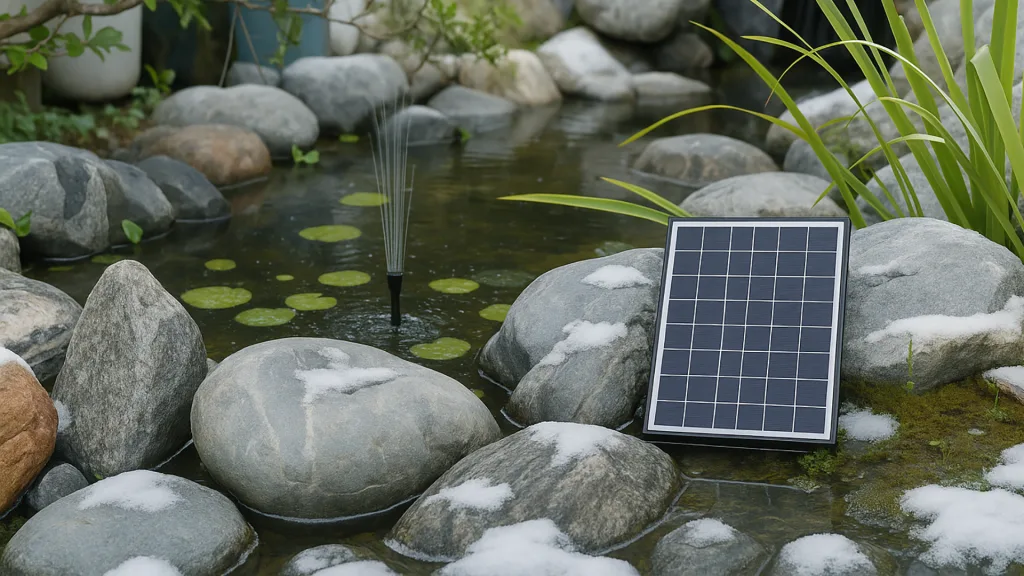
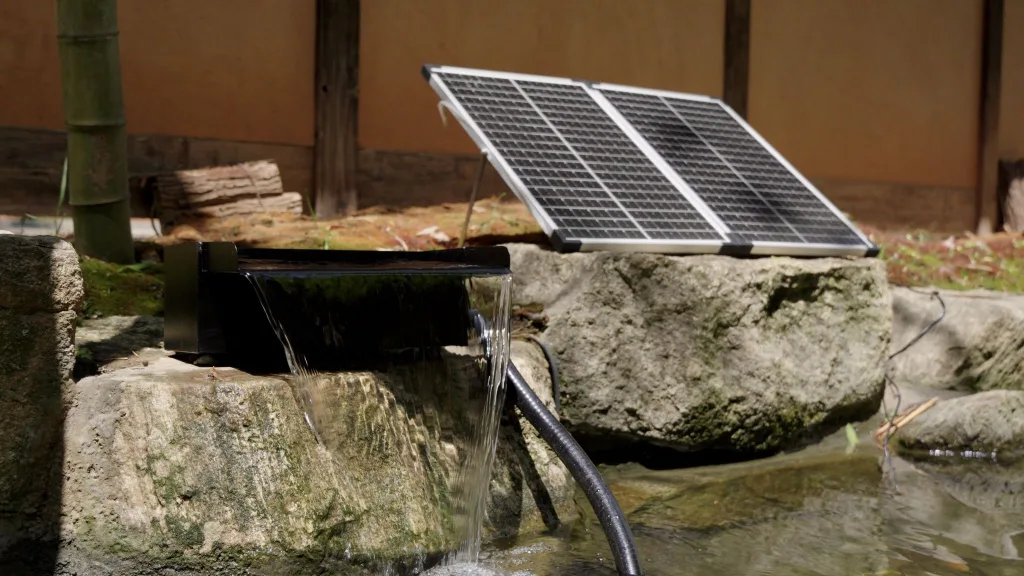
A solar water fountain pump makes this even simpler, since there is no wiring to run and no outlet needed near the pond. It draws power directly from sunlight, which keeps the whole setup clean and easy to place anywhere in your yard.
Solar water fountain pump options are built to deliver steady flow without added electrical costs, which makes them a practical starting point for anyone adding their first fountain. For pond owners who want flexibility, a solar water fountain pump also means you are not tied to a specific spot near an outdoor plug, so placement becomes far less of a headache.
Building a Waterfall for a Bigger Transformation
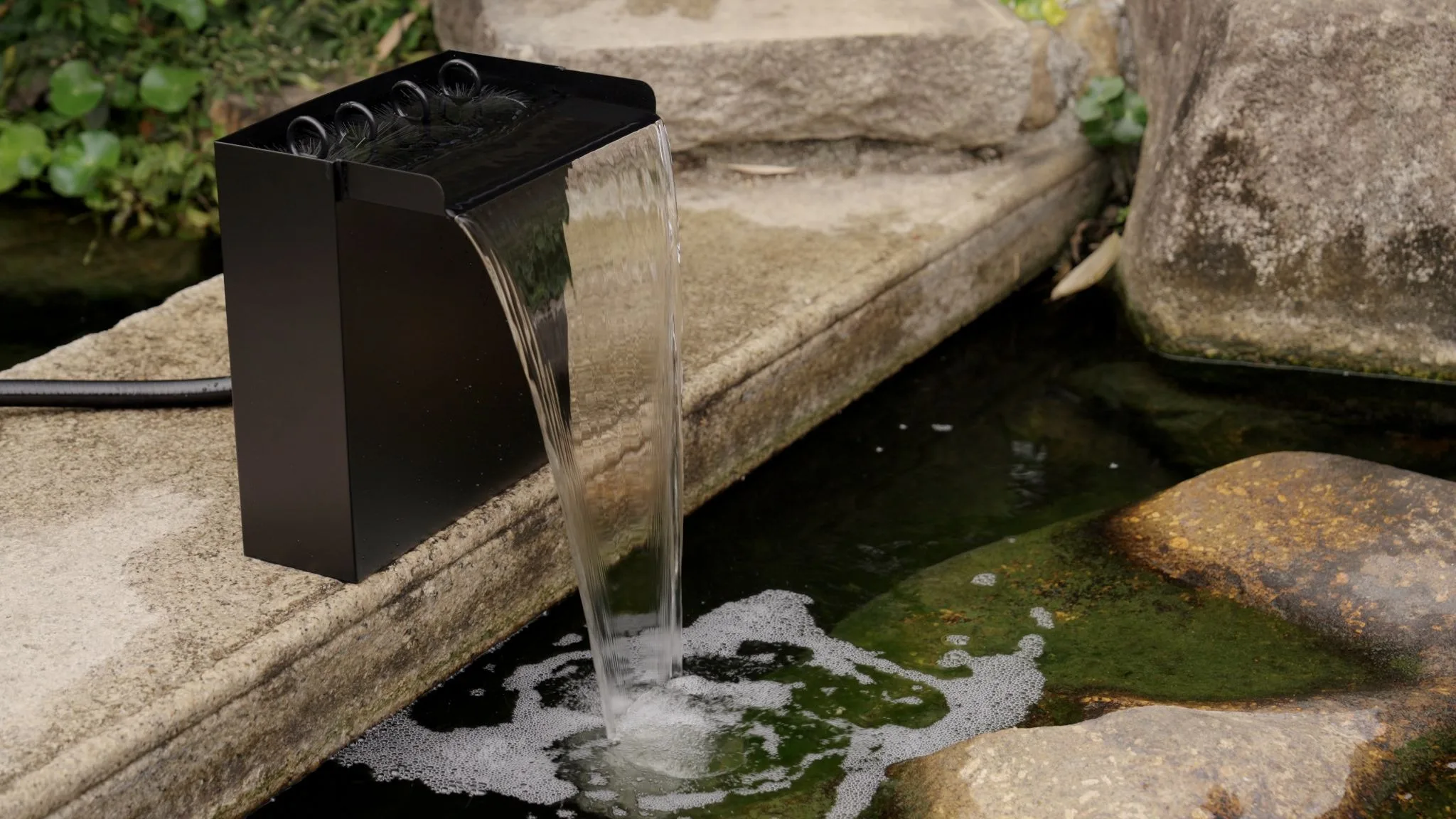
If a fountain feels too simple for what you are picturing, a waterfall brings a completely different kind of movement. It takes more planning than a fountain, but the payoff is a pond that feels dramatically more alive.
Begin by deciding where the waterfall will start and how the water should travel down to the pond. Some people prefer a straight drop, while others like a curved path that flows more naturally between stones.
Once you have a plan, prepare the ground by clearing grass and debris, then set your pump at the lowest point where it will stay fully submerged. Run tubing from the pump up to where the waterfall begins.
From there, stack stones from the top down, making sure each one sits securely on the layer below. Working slowly here matters, since gaps between stones are the most common reason waterfalls leak or lose flow over time.
A waterfall kit takes a lot of guesswork out of this process. Most kits include the pump, tubing, and liner together, which means everything is designed to work as one system instead of forcing you to match separate parts on your own.
Waterfall kit selection is built with this kind of simplicity in mind, giving you a complete setup that fits together cleanly from the first step to the last. If you are unsure where to start, choosing a waterfall kit over individual parts usually saves both time and the frustration of parts that do not quite match up.
Keeping the Movement Going Year Round
Once your fountain or waterfall is running, a little regular care keeps it working well. Clear leaves and debris from the water often, since buildup can clog tubing or slow down flow over time.
Check your pump every so often to make sure nothing is blocking the intake. A clean pump runs quieter and lasts significantly longer than one left to collect algae and debris.
If you live somewhere that gets genuinely cold in winter, consider removing the pump and storing it somewhere dry until temperatures rise again. Freezing water can damage both the pump and any surrounding stonework.
Small Touches That Make a Big Difference
Once the water is moving the way you want, a few extra details can make the feature feel finished. Natural stone placed around the edges softens the transition between water and garden, so the whole thing feels less like an addition and more like it was always part of the yard.
Lighting adds another layer entirely. Even simple waterproof lights near the base of a waterfall or fountain turn your pond into something worth sitting outside for after the sun goes down.
Plants around the edges help too, especially moisture loving varieties that frame the water without crowding the flow.
Final Thoughts
A still pond is not a bad thing, but for many owners, it eventually starts to feel like something is missing. Adding a fountain or waterfall brings sound, movement, and better water health all at once, without requiring a complete overhaul of what you already have.
Start with whichever feature matches the level of change you want, get the placement and flow right, and the rest of the transformation happens almost on its own.