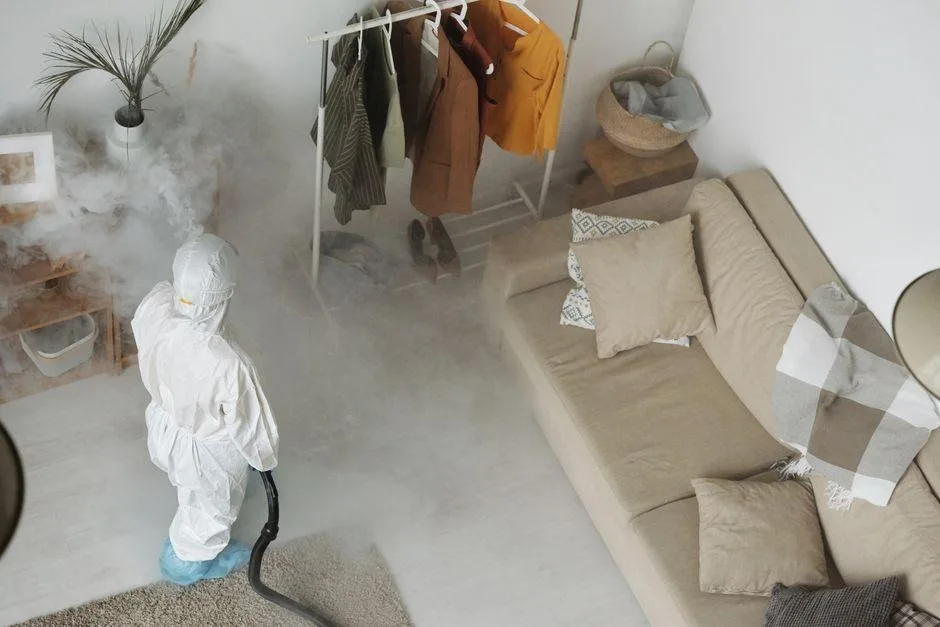
Pests are a lot like uninvited houseguests. They show up for snacks, stay for comfort, and rarely help with chores. The good news is you can make your home a lot less appealing without turning your life into a full-time bug patrol. A few smart habits, a careful look around your space, and some early action can go a long way. If you want a cleaner, calmer home, pest prevention starts with simple things you can actually keep doing.
Why pests show up
Most pests are not on a mission to ruin your day. They are usually looking for the same basics you are: food, water, and shelter. If your home offers easy access to crumbs, damp corners, or warm hiding spots, it can become very tempting.
Weather also plays a big part. Ants may come in during dry spells, searching for water. Mice often move indoors when temperatures drop. Heavy rain can push insects out of the ground and toward your walls. Your home becomes a cozy backup plan.
You can handle a lot of prevention on your own, but some problems grow fast. If you keep seeing signs after trying the basics, calling a professional pest solution company may make sense. That is especially true when pests keep coming back like they pay rent.
Check your weak spots
A pest problem often starts with a gap you barely notice. Tiny cracks near windows, worn door sweeps, loose vent screens, and openings around pipes can all work like welcome mats. Mice can squeeze through holes much smaller than most people expect, which is not impressive when it happens in your kitchen.
Start with a slow walk around your home. Check the foundation, garage edges, utility lines, and any place where materials meet. Look for daylight under doors or damaged caulk around windows. Indoors, peek under sinks and behind appliances where pipes enter the wall.
You do not need fancy gear. A flashlight, a notepad, and a little patience will do the job. Mark the spots that need sealing or repair. When you close off easy entry points, you make life harder for pests before they ever settle in.
Fix food and moisture
If pests had a dream home, it would probably include an open cereal box, a dripping pipe, and a trash can with no lid. Food and moisture are the big two that keep many infestations going, so this is where small changes can make a big difference.
Store pantry items in sealed containers when you can. Wipe counters at the end of the day, especially around the toaster, pet bowls, and under the stove. Crumbs are tiny to you, but to a bug, it is a buffet. Take trash out regularly and rinse sticky cans before tossing them.
Water matters just as much. Fix leaky faucets, check under sinks, and make sure bathrooms dry out well after showers. Even a damp sponge or a forgotten puddle near a plant tray can attract pests. When you cut off snacks and sips, your home becomes far less inviting.
Tidy the outdoor zones
A lot of indoor pest trouble actually begins outside. If the area around your home is cluttered, overgrown, or damp, pests have a perfect staging area. From there, moving indoors is the next easy step.
Trim bushes and tree branches so they do not touch the house. Plants pressed against siding can hold moisture and create hidden pathways for insects. Keep mulch a little back from the foundation, and avoid stacking firewood right against the wall. That neat little woodpile can double as a five-star bug resort.
Clean gutters so water drains properly instead of pooling near the house. Pick up fallen fruit if you have trees, and keep outdoor trash bins closed tight. These chores may not feel exciting, but they create a less friendly environment for pests and help protect your home in more ways than one.
Know when it’s serious
Sometimes a pest issue is just a random visitor. Other times, it is a sign of a bigger problem building behind the scenes. The trick is knowing when to stop hoping it goes away on its own.
Watch for droppings, gnaw marks, damaged food packages, greasy rub marks along walls, or shredded material that could be nesting. Strange smells can also matter. A musty or unpleasant odor in a hidden area may point to insects or rodents setting up camp. Nighttime scratching in walls or ceilings is another red flag.
Repeated sightings are important too. Seeing one ant is different from seeing a trail every morning. Spotting one mouse is rarely the full story. If signs keep appearing after cleaning and sealing, the problem may be more established than it looks. That is the moment to take it seriously instead of playing hide-and-squeak.
Build a simple routine
Pest prevention works best when it becomes part of your normal home routine, not a once-a-year panic project. You do not need a huge checklist. You just need a few habits you can stick with.
A simple routine might include:
- checking doors and windows once a month
- wiping pantry shelves and vacuuming crumbs weekly
- looking for leaks under sinks every few weeks
- trimming plants and clearing gutters each season
- watching for signs in basements, attics, and garages
Try tying these tasks to chores you already do. If you change air filters, check for gaps nearby. If you deep clean the kitchen, inspect behind appliances too. Prevention is usually less stressful than dealing with a full infestation later. A little effort now can help you keep your home feeling like yours, not shared with six-legged roommates.