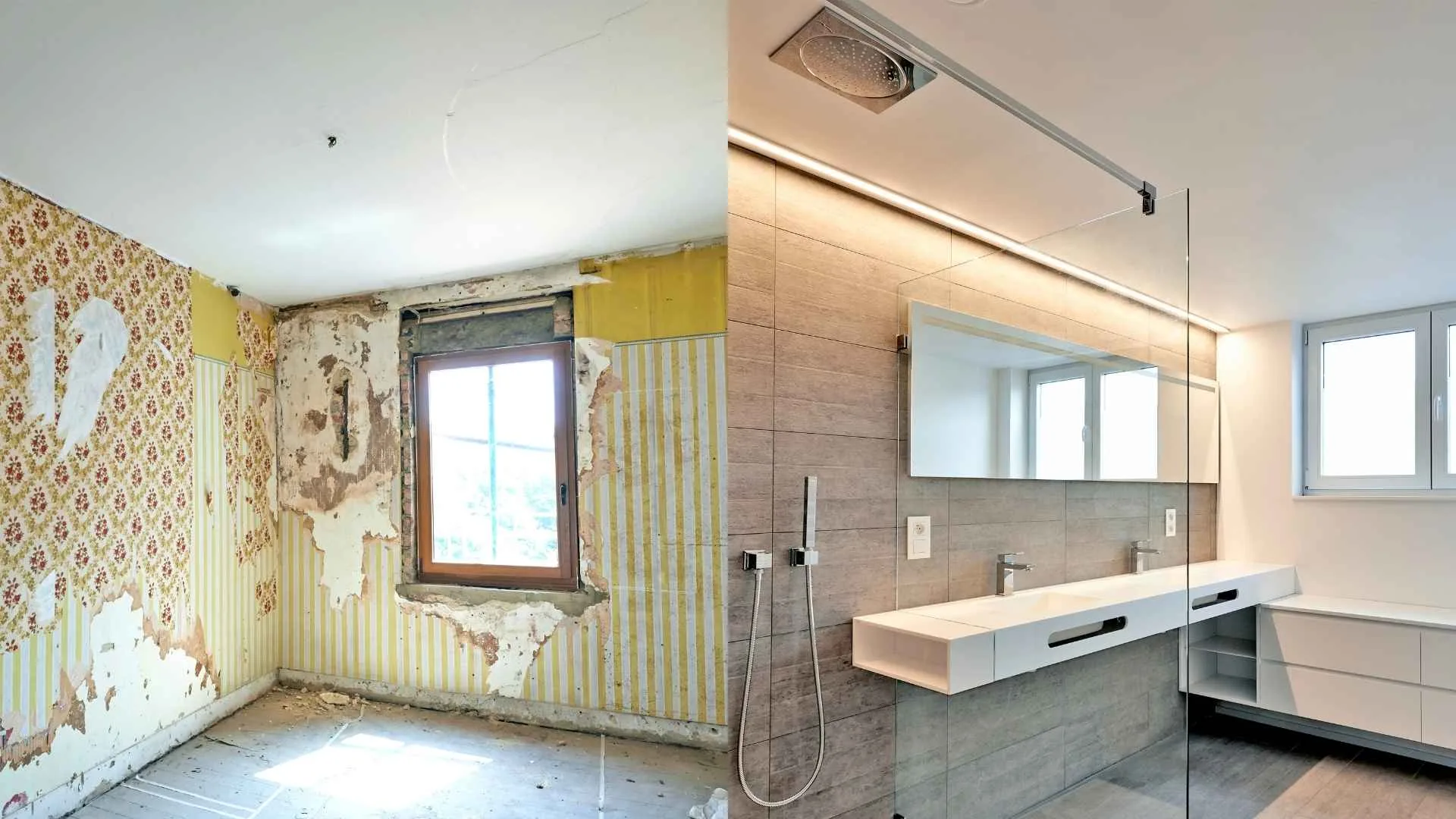
Embarking on a commercial restoration project is a complex process that requires detailed planning and informed decision-making. From revitalizing dated properties to restoring facilities after unexpected damage, every project presents unique challenges and opportunities. Working with a reputable commercial restoration contractor can make the difference between a smooth process and costly setbacks. Setting a clear direction and understanding the steps ahead can accelerate your project, maximize your investment, and minimize business interruptions.
Whether you are updating your building to reflect current standards or responding to emergencies, your approach should balance budget, safety, and operational needs. Focusing on key considerations during the planning stages ensures the restoration delivers lasting value to your business and property.
Define Clear Objectives
Defining the purpose and scope of your restoration project is the foundation for every subsequent decision. Successful projects begin with asking the right questions: Are you aiming to upgrade the facility for compliance, restore a historic façade, or modernize dated interiors? Well-articulated objectives guide choices around material selection, phasing, and execution, ensuring the project aligns with business goals and long-term operational needs.
It’s also important to involve all relevant stakeholders in this early planning process. Engaging property managers, tenants, or other business partners ensures that their needs and expectations are understood, minimizing scope changes and potential conflicts down the line. Early and clear definition of project objectives not only streamlines planning but sets accountability benchmarks, helping everyone work toward a unified vision of success.
Establish a Realistic Budget
Budgeting is critical to prevent overspending and unexpected delays. Pin down projected costs for labor, materials, permits, and temporary relocation if required. Most experts recommend setting aside a contingency fund, typically 10 to 20 percent of the total budget, to cover unforeseen challenges. Early consultation with your project manager or contractor about cost estimation helps set realistic expectations and avoid surprises.
Regularly reviewing and updating your budget throughout the project helps identify cost overruns before they become major issues. Consider using project management software to track expenses in real-time, providing transparency for stakeholders and enabling proactive adjustments. Remember that while cost-saving measures can help keep expenses in check, they should never come at the expense of safety or long-term durability.

Ensure Regulatory Compliance
No restoration project can proceed without addressing regulatory requirements. Every jurisdiction has its own building codes, safety mandates, and permit needs. Failing to comply can result in delays, fines, and, in some cases, the need to redo parts of the project. It is vital to work with professionals well-versed in local regulations from the outset. The EPA’s Renovation, Repair, and Painting (RRP) Program underscores the importance of compliance, especially for projects involving materials such as lead-based paint in older buildings.
Additionally, anticipating upcoming regulatory changes and industry standards can help future-proof your investment. Proactive compliance, rather than reactive fixes, often yields better project outcomes and less stress throughout construction. Documentation and permits should be readily accessible, and routine inspections are advised to maintain consistent adherence to evolving local ordinances and safety guidelines.
Select the Right Contractor
Choosing a skilled, experienced contractor is arguably the most influential decision you’ll make. Look for a commercial restoration contractor with a proven record of successful similar projects, appropriate licenses, and strong references. Take time to scrutinize portfolios and review testimonials. Selecting a contractor who values transparency and clear communication will ease collaboration and reduce misunderstandings throughout the project.
Beyond technical prowess, assess the contractor’s ability to work within your organizational culture and values. Building a strong partnership from the beginning can foster innovation and trust, ensuring issues are addressed promptly. Demand clear written contracts and well-defined milestones, as these legal documents provide assurances for timelines, liability, and dispute resolution. Consider interviewing multiple candidates to compare approaches and ensure a fit that meets both budgetary and qualitative criteria.
Plan to Minimize Business Disruption
Commercial restoration can disrupt regular business operations, affecting your bottom line. Mitigation strategies include scheduling work in phases, working during off-hours, or temporarily relocating critical operations. Open communication with employees, stakeholders, and clients ensures everyone knows what to expect and can plan for interruptions. Businesses that prioritize visibility and flexibility tend to maintain steady productivity and avoid lost revenue during major renovations.
Planning also extends to your property’s surroundings. Consider how construction activities could affect parking, delivery schedules, and neighboring businesses. Providing regular status updates, directional signage, and alternative access points can go a long way towards maintaining goodwill and minimizing operational hiccups. If your restoration spans months, it may be sensible to set up temporary meeting rooms or create quiet zones to prevent excessive noise disruptions.
Incorporate Sustainability Practices
Today’s restoration projects should include an eye toward sustainability, which offers operational and environmental benefits. Implement energy-efficient upgrades, including improved insulation, LED lighting, and advanced HVAC systems. Opt for recycled or renewable materials whenever possible to reduce your building’s carbon footprint. For more about the advantages of green building, see this comprehensive overview in Architectural Digest.
Sustainable restoration practices can drastically reduce utility costs over the building’s life, often providing a strong return on investment. Consider integrating water-saving technologies and smart building automation for climate control and energy monitoring. Pursuing third-party certifications, such as LEED, demonstrates your commitment to environmental stewardship and can enhance your public image with tenants and clients who value eco-consciousness.
Maintain Open Communication
Transparent, ongoing communication is essential for a restoration project’s success. Regular updates and clear channels among your contractor, staff, and stakeholders keep everyone informed about the project’s progress, upcoming milestones, and any unexpected challenges. This collaborative approach helps prevent misunderstandings and ensures each phase meets business needs and quality expectations.
Schedule periodic walkthroughs and status meetings to keep everyone in sync and to resolve issues before they escalate. Embrace digital communication tools and platforms to share updates, timelines, and documentation in real time. Well-coordinated communication reduces costly errors, boosts morale, and ensures that everyone is prepared for the next step in the restoration process.
Conclusion
Careful attention to every stage, from setting clear goals and realistic budgets to ensuring regulatory compliance and choosing experienced professionals, sets commercial restoration projects on the path to long-term success. Integrating sustainability and prioritizing minimal business disruption can further enhance your property’s value. When you focus on these critical factors, you lay the groundwork for a restoration that preserves your investment and supports your business’s ongoing growth.
Ultimately, a well-executed restoration not only repairs or rejuvenates a worn facility but also creates a welcoming, efficient, and compliant space for years to come. By following best practices and staying engaged throughout the process, you can navigate the complexities of commercial restoration with confidence, leading to outcomes that surpass initial expectations and cement the foundation for future business development.