Arizona’s climate, particularly in the sprawling Phoenix metropolitan area, presents unique challenges for home comfort systems. Our summers are synonymous with relentless heatwaves, where temperatures frequently soar past 110°F (43°C) for extended periods. Even in June 2026, we anticipate another season of extreme heat. This intense environment places immense strain on air conditioning units, pushing them to their limits day and night. Conversely, while often overlooked, Phoenix winters can bring surprisingly chilly nights, making a functional heating system equally crucial for comfort and safety.
The continuous demand on HVAC systems in areas like Phoenix, Scottsdale, and Mesa means that breakdowns are not just inconvenient; they can pose significant health risks, especially for vulnerable populations such as the elderly, young children, and individuals with pre-existing health conditions. Prolonged exposure to extreme indoor temperatures can lead to heatstroke in summer or hypothermia in winter. This makes reliable emergency HVAC support not merely a luxury, but a fundamental necessity for maintaining a safe living environment.
Understanding the severity of these conditions underscores the critical need for prompt and effective emergency repair services. When an AC unit fails in the scorching heat, or a furnace gives out on a cold night, immediate action is paramount. For comprehensive guidance on navigating such situations and identifying the most dependable services, exploring resources like the Best Phoenix emergency HVAC repair can be invaluable. This preparedness ensures that when system reliability is tested, you have a clear path to resolution.
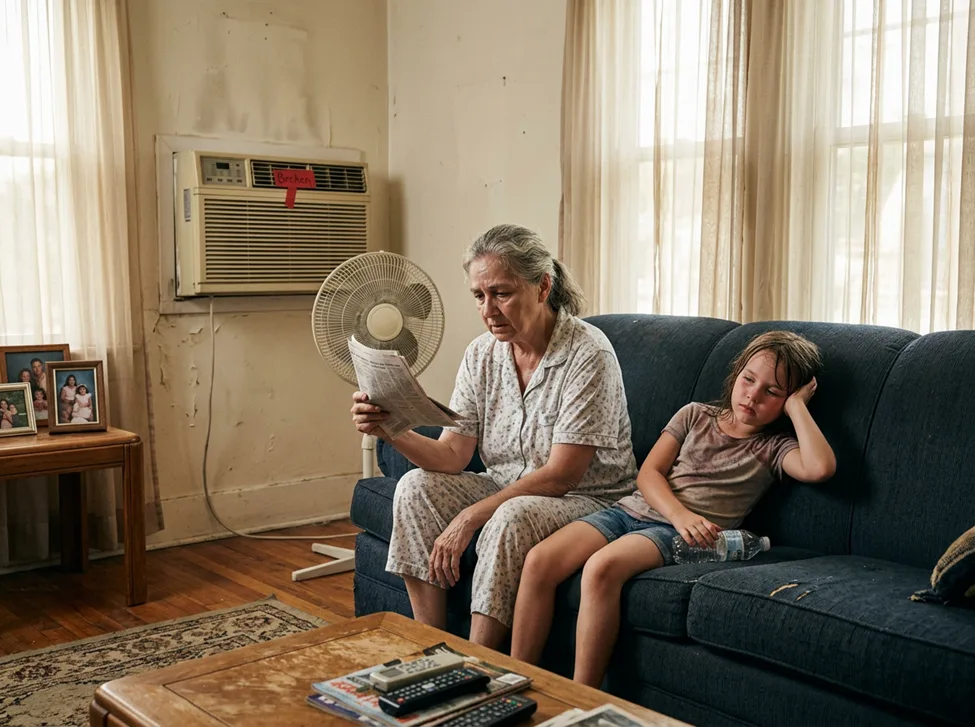
When an emergency strikes, ensuring your peace of mind with prompt, professional assistance is key. For immediate support, contact us.
Recognizing When to Call for Emergency HVAC Support
Knowing when a heating or cooling issue crosses the line from a minor inconvenience to a full-blown emergency can save homeowners time, money, and stress. While some problems can wait for standard business hours, others demand immediate attention. A true HVAC emergency typically involves a complete system shutdown, especially during periods of extreme weather. If your air conditioner stops cooling entirely when it’s 115°F outside, or your furnace fails on a 30°F night, that’s an emergency.
Other critical warning signs include the presence of electrical odors or burning smells emanating from your unit, which could indicate serious wiring issues or overheating components and pose a fire hazard. Rapid cycling, where your system turns on and off frequently, might signal a deeper problem that could lead to compressor failure if not addressed quickly. Furthermore, if you notice warm airflow when your AC should be cooling, or no airflow at all, your system is likely experiencing a significant malfunction. These are situations where delaying a professional diagnosis and repair can escalate the problem, leading to more extensive damage or even unsafe conditions. For a deeper dive into what constitutes an urgent situation, understanding the nuances of an HVAC Emergency can help homeowners make informed decisions.
How 24/7 Emergency HVAC Support Protects Your Home
The value of round-the-clock emergency HVAC support extends far beyond simply restoring comfort. It’s a crucial safeguard for your home’s structural integrity and your family’s health. In Phoenix’s harsh climate, a malfunctioning HVAC system can trigger a cascade of issues. For instance, a sudden AC failure during a heatwave can lead to indoor temperatures that not only become unbearable but also cause damage to sensitive electronics, wooden furniture, and even certain types of flooring. Extreme heat can warp materials, degrade adhesives, and create an environment ripe for mold growth once cooler temperatures return and condensation forms.
Similarly, a heating system breakdown in winter can lead to frozen pipes, which can burst and cause extensive water damage, weakening foundations and promoting mold. Emergency technicians are equipped to address issues like frozen coils, which can severely impede an AC unit’s performance, or compressor failure, a common and critical problem that requires immediate expert attention. Beyond the immediate repair, these professionals also play a vital role in maintaining indoor air quality, ensuring that your system isn’t circulating allergens or pollutants due to neglect.
When you have access to 24/7 emergency services, you’re not just getting a repair; you’re securing a rapid response that minimizes potential damage and protects your investment. This prompt intervention can prevent a minor issue from becoming a catastrophic and costly home repair. For those facing urgent heat pump issues, understanding how quickly solutions can be found is reassuring. For example, learning about Emergency Heat Pump Repair in Phoenix AZ: Fast Solutions When You Need Them Most highlights the importance of timely service in preserving your home’s comfort and integrity.
Common Causes of Sudden Air Conditioning and Heating Failures
In the extreme climate of Phoenix, HVAC systems work overtime, making them susceptible to a range of failures. Understanding the most common culprits behind sudden breakdowns can help homeowners identify issues more quickly and potentially mitigate damage.
Common AC Emergency Triggers:
- Refrigerant Leaks: This is a frequent cause of AC failure. Low refrigerant levels mean your system can’t properly cool the air, leading to warm airflow or complete shutdown. Leaks can also damage the compressor if the system continues to run without sufficient refrigerant.
- Capacitor Failure: Capacitors are vital components that provide the initial jolt of electricity to start your AC’s motor and fan. When a capacitor fails, the unit may struggle to start, hum loudly, or simply not turn on at all.
- Compressor Overload/Failure: The compressor is the heart of your AC system. Overheating due to continuous operation in extreme heat, low refrigerant, or electrical issues can lead to its failure, often resulting in a complete loss of cooling.
- Clogged Condensate Drain Line: High humidity can cause algae and sludge to build up in the drain line, leading to clogs. This can cause water to back up, potentially overflowing into your home and triggering a safety switch that shuts down the system.
- Electrical Issues: Problems with wiring, circuit breakers, or contactors can prevent your AC from receiving power or operating correctly. These can manifest as intermittent operation or a complete lack of response.
Common Heating Emergency Triggers (Furnace & Heat Pump):
- Thermostat Malfunction: A faulty thermostat can send incorrect signals to your heating system, causing it to run inefficiently, not turn on, or cycle improperly.
- Ignition Problems (Furnace): For gas furnaces, issues with the ignitor or pilot light can prevent the burner from firing up, resulting in no heat.
- Blower Motor Failure: The blower motor is responsible for circulating heated air throughout your home. If it fails, you’ll feel no airflow, even if the heating element is working.
- Heat Exchanger Cracks (Furnace): A cracked heat exchanger is a serious safety hazard, as it can leak carbon monoxide into your home. This often leads to the furnace shutting down as a safety measure.
- Reversing Valve Malfunction (Heat Pump): In a heat pump, the reversing valve switches the flow of refrigerant between heating and cooling modes. If it sticks or fails, the unit may get stuck in one mode or produce no heating.
When any of these critical components fail, especially during peak demand, it necessitates an urgent repair to restore comfort and safety. For specific guidance on furnace issues, particularly when quick action is needed, insights on Rapid Relief: Same-Day Furnace Repair for Phoenix Emergencies can be very helpful.
What to Do While Waiting for an Emergency Technician
When an HVAC emergency strikes, the moments before a technician arrives can feel anxious. However, taking a few immediate, safe steps can help minimize damage, maintain a degree of comfort, and prepare your home for the repair.
First, power isolation is crucial. If your AC or furnace is emitting strange noises, burning smells, or sparks, immediately turn off the power to the unit at the thermostat and then at the circuit breaker. This prevents further damage to the system and eliminates potential fire hazards. For heating systems, if you smell gas, turn off the main gas supply to your home if you know how, open windows, and evacuate immediately, then call 911 and your gas company from a safe distance.
Next, focus on air filter check. A severely clogged air filter can restrict airflow, causing your system to overwork and potentially shut down. While not always the cause of a major emergency, a quick check and replacement (if you have a spare) can sometimes resolve minor issues or at least rule out a common problem.
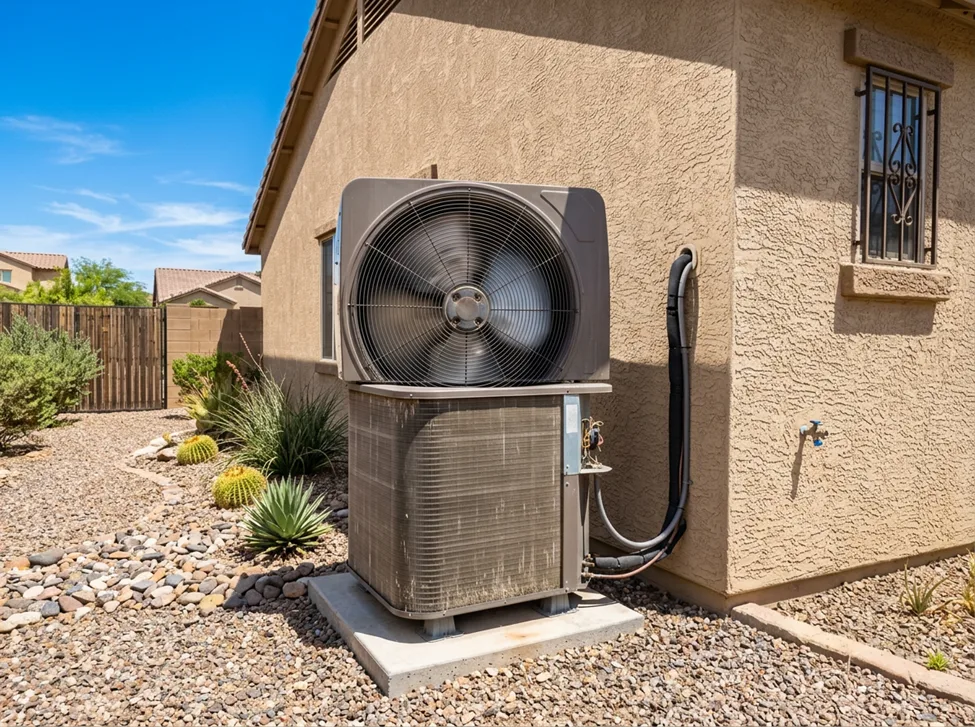
Consider clearing outdoor debris. For outdoor AC units, ensure that the area around the condenser is clear of leaves, dirt, and other obstructions. This allows for proper airflow and can prevent overheating. However, avoid touching any internal components or trying to clean anything beyond superficial debris.
Finally, prepare for the technician’s arrival. Clear a path to your HVAC unit, both indoors and outdoors. If possible, note down any unusual sounds, smells, or specific error codes displayed on your thermostat. This information can be invaluable for the technician’s diagnosis. While these steps are important, they are temporary measures. The goal is to safely manage the situation until professional help arrives. For a broader understanding of how to handle various home crises, including HVAC emergencies, reading about How to Handle a Home Crisis with Emergency Repair in Phoenix offers valuable insights.
Frequently Asked Questions about Emergency Cooling and Heating
When faced with an unexpected HVAC breakdown, many questions arise, particularly concerning safety, response times, and preventative maintenance. We aim to provide clear answers to help Phoenix homeowners navigate these stressful situations.
What is considered a true HVAC emergency in Phoenix?
In Phoenix, a true HVAC emergency goes beyond mere discomfort; it poses a risk to health, safety, or property. This typically includes:
- Complete Cooling Loss during Extreme Heat: With summer temperatures regularly exceeding 110°F, a non-functional AC system can lead to heatstroke, dehydration, and other severe health issues, especially for the elderly, infants, and those with chronic illnesses.
- Complete Heating Loss during Cold Snaps: While less common than AC emergencies, Phoenix winters can drop to freezing temperatures. A furnace or heat pump failure on a cold night can lead to hypothermia and burst pipes.
- Burning Smells or Smoke: Any unusual burning odors, smoke, or visible sparks coming from your HVAC unit are immediate fire hazards and require urgent attention.
- Gas Leaks: If you smell natural gas near your furnace or heating system, this is a critical emergency. Evacuate immediately, call 911, and then your gas provider. Do not attempt to fix it yourself.
- Refrigerant Leaks: While not always immediately apparent, a significant refrigerant leak can be harmful to health and the environment, and it severely impairs your system’s function.
- Water Leaks from HVAC Unit: Leaks, particularly from the indoor unit, can cause significant water damage to ceilings, walls, and flooring, and can lead to mold growth.
If you’re unsure whether your situation qualifies as an emergency, it’s always best to contact a professional for assessment. Many reputable companies offer phone consultations to help you determine the urgency.
How quickly do emergency technicians typically arrive?
One of the defining characteristics of a top-tier emergency HVAC service in Phoenix is its rapid response time. While exact arrival times can vary based on your location within the sprawling metro area and the current call volume, leading providers aim for swift dispatch. Many companies boast impressive response windows, often reporting arrival times within 60-90 minutes for emergency calls in the Phoenix metro area.
This rapid dispatch is often facilitated by a fleet of fully stocked trucks, ensuring that technicians arrive with the necessary tools and common parts to diagnose and often resolve the issue on the first visit. The goal is always prompt resolution to restore comfort and safety as quickly as possible. When evaluating emergency services, inquiring about their typical arrival times and their commitment to same-day service, particularly for critical breakdowns, is a wise approach.
Can regular maintenance prevent the need for emergency calls?
Absolutely. Regular, seasonal tune-ups are one of the most effective strategies for preventing unexpected HVAC emergencies. Think of it like routine maintenance for your car – it catches small issues before they become major breakdowns. During a professional maintenance visit, technicians perform a thorough inspection, cleaning, and calibration of your system. This process allows for:
- Early Detection of Problems: Technicians can identify worn-out parts, minor refrigerant leaks, electrical issues, or potential clogs before they escalate into an emergency.
- Improved System Longevity: A well-maintained system operates more efficiently and experiences less wear and tear, extending its overall lifespan.
- Enhanced Efficiency: Clean components and proper calibration ensure your system runs at peak efficiency, saving you money on energy bills.
- Filter Replacements: Regular filter changes are simple but crucial. Clogged filters restrict airflow, reduce efficiency, and can cause your system to overheat or freeze up.
While maintenance can’t prevent every single emergency, it significantly reduces the likelihood of sudden, catastrophic failures. Many homeowners find that the cost of annual maintenance is a small investment compared to the expense and inconvenience of an emergency repair. It’s a proactive approach to ensuring consistent comfort and peace of mind throughout Phoenix’s demanding climate.
Conclusion
In the unique and often extreme climate of Phoenix, AZ, having access to reliable 24/7 emergency HVAC support is not just a convenience—it’s a critical component of home safety and comfort. From the scorching summer heatwaves to the surprisingly chilly winter nights, our HVAC systems are constantly working to maintain a livable indoor environment. When these vital systems fail, the need for immediate, expert intervention becomes paramount.
We’ve explored what truly constitutes an HVAC emergency, the common causes behind sudden breakdowns, and the crucial steps homeowners can take while awaiting professional assistance. Understanding these elements empowers you to react effectively, minimizing potential damage and safeguarding your family’s well-being. The best emergency repair services in Phoenix are characterized by their rapid response times, experienced technicians, and a commitment to prompt resolution, ensuring that your peace of mind is quickly restored.
Investing in professional service and prioritizing preventative maintenance are key to avoiding the stress and expense of unexpected breakdowns. For unparalleled local expertise and dependable solutions for your heating and cooling needs, we are here to provide the reliable comfort you deserve.