
How to Better at Interior Design MintPalDecor: Simple Ways to Improve Your Design Skills

I’m Stefano Schiavon, the person behind RivonHome. As an architect, professor, and researcher, I have spent years studying how spaces affect the way we live and feel.One thing I have learned is simple: good interior design is not about buying expensive furniture. It is about making better decisions.
If you are searching for how to better at interior design mintpaldecor, the best place to start is with the basic skills that make a room feel comfortable, balanced, and personal.At RivonHome, we believe a beautiful home should also work well for the people living in it. You can improve your design skills with practice, observation, and a better understanding of space.
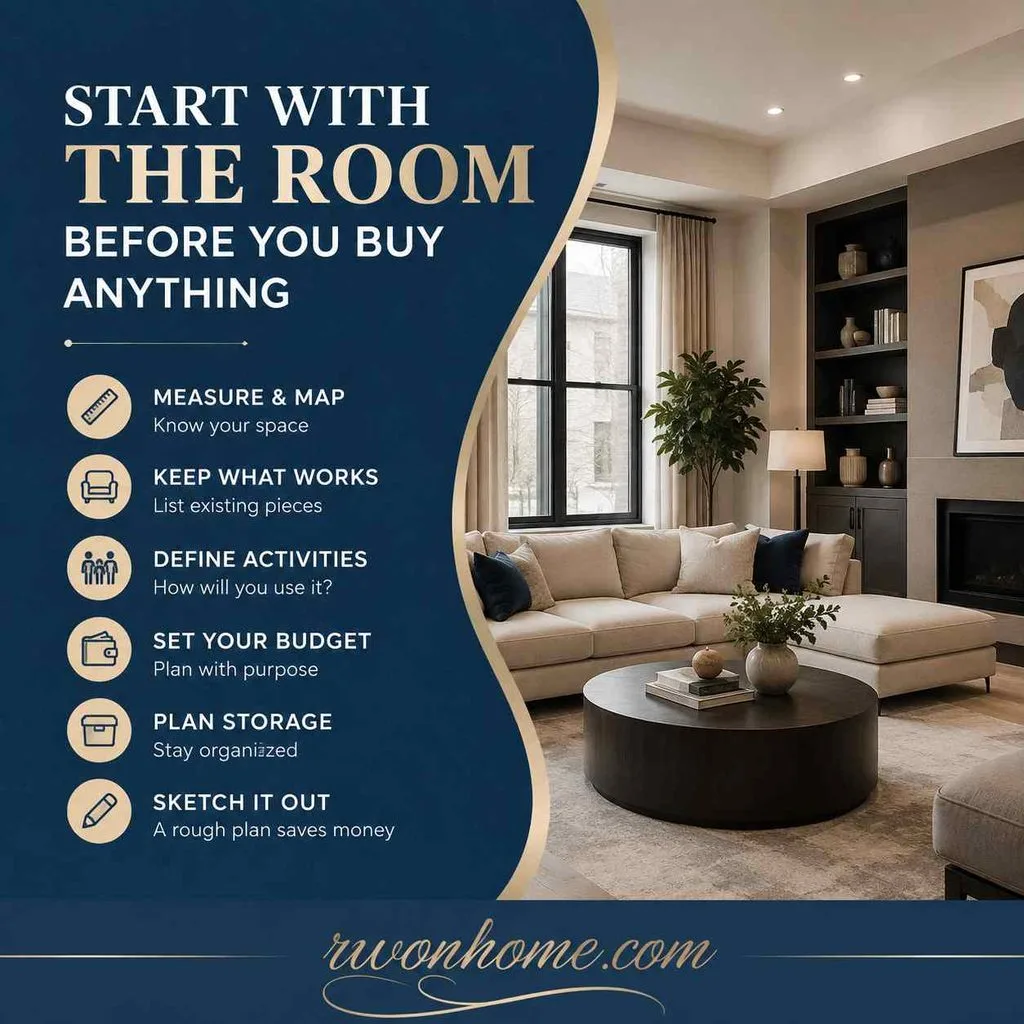
Start With the Room Before You Buy Anything
The first step is to understand the room you are decorating.
Measure the length and width. Look at the doors, windows, and built-in features. Notice where people walk.
Then ask yourself one important question:
What does this room need to do?
A living room for family movie nights needs a different layout from a living room mainly used for guests.Before shopping, make a simple plan that includes:
- Room measurements
- Doors and windows
- Furniture you want to keep
- Main activities in the room
- Your budget
- Storage needs
Even a rough sketch can prevent costly mistakes.A sofa may look perfect online but feel far too large once it arrives. Planning first makes every later decision easier.
Learn the Basic Principles of How to Better at Interior Design MintPalDecor
Good design is easier when you understand a few basic ideas.You do not need to follow every design rule perfectly. Think of these principles as tools.
Balance
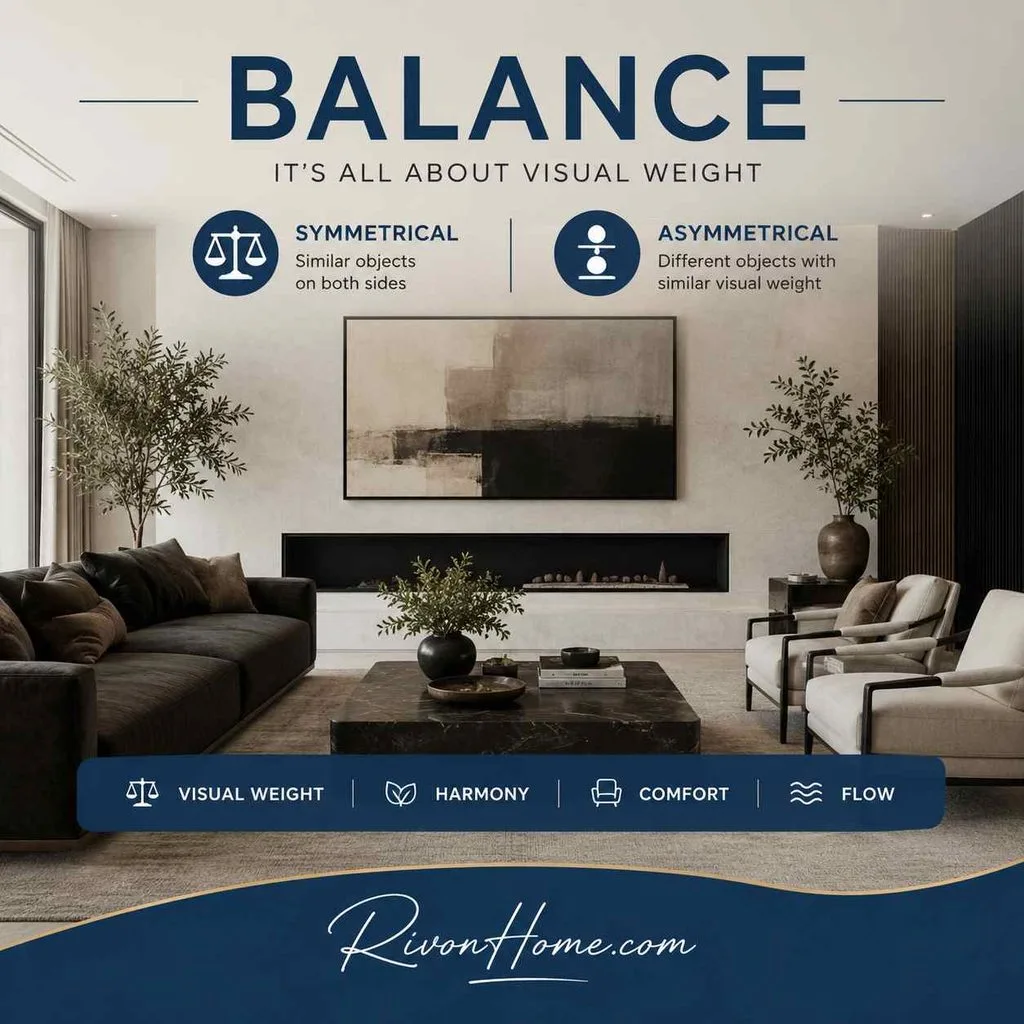
Balance is about visual weight.A large dark sofa on one side of the room can make the space feel heavy. You may balance it with chairs, a large artwork piece, or another strong element.
Balance can be:
- Symmetrical: Similar objects on both sides
- Asymmetrical: Different objects with similar visual weight
Both can work well.
Proportion and Scale
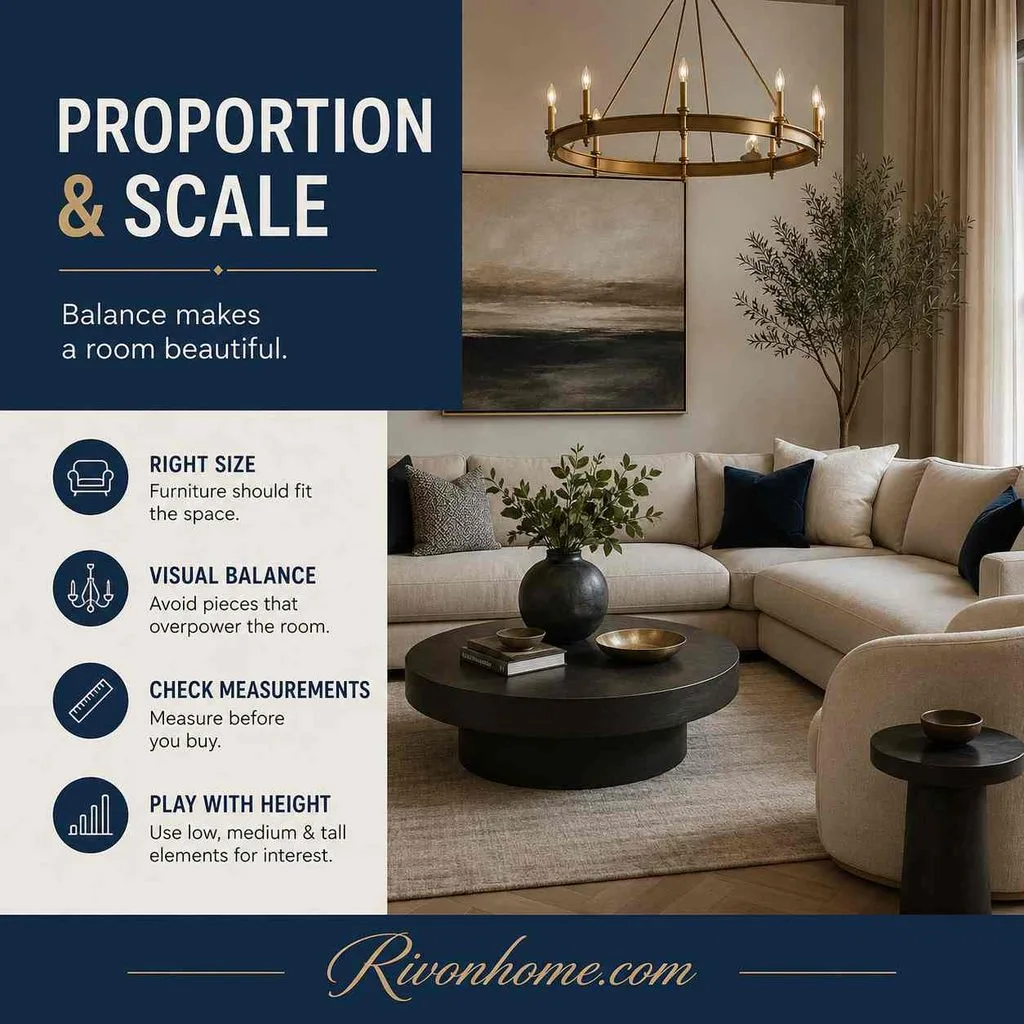
Furniture should fit both the room and the other furniture. This is one of the most important skills to develop when learning how to better at interior design MintPalDecor. A tiny coffee table can disappear next to a large sectional. A huge chandelier can overwhelm a small dining room.
Always check measurements before buying. Also think about height. A room often looks more interesting when it includes low, medium, and taller elements.
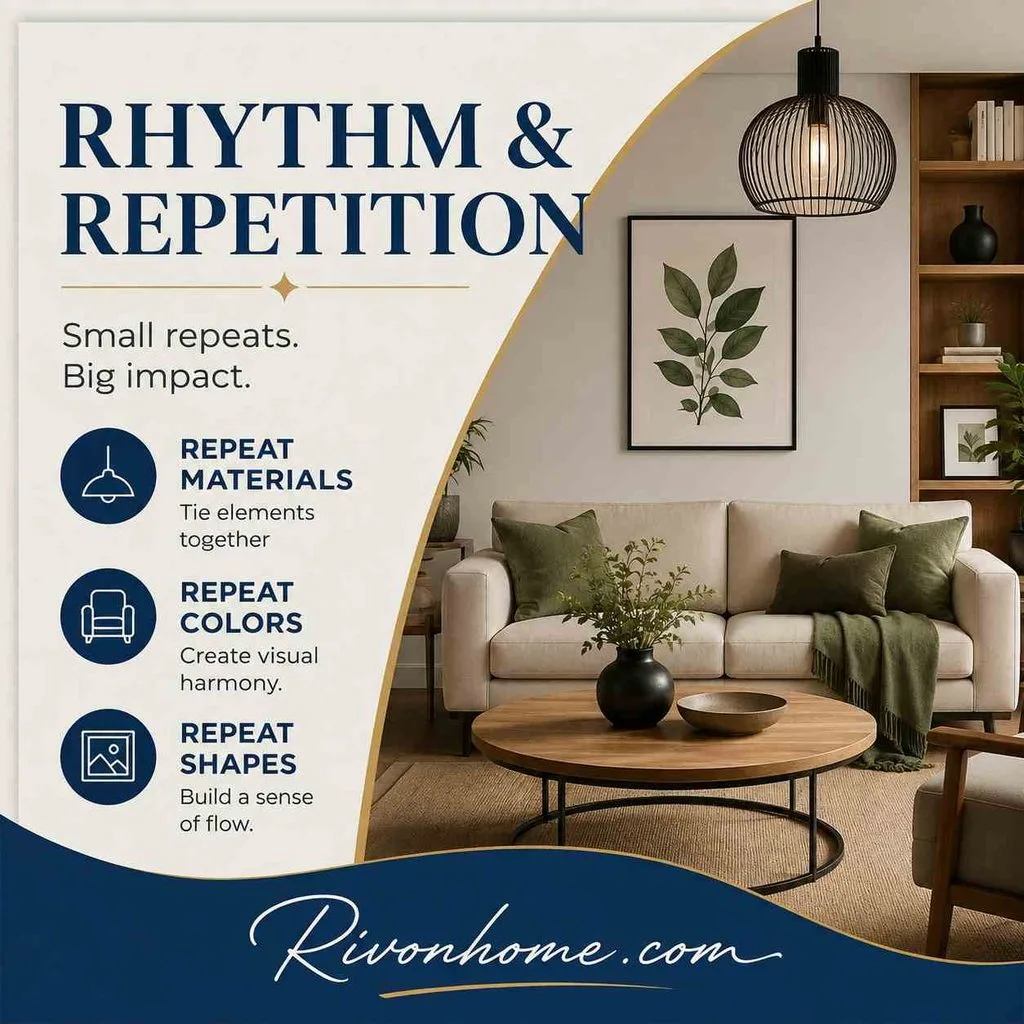
Rhythm and Repetition
Repeating a color, shape, or material helps a room feel connected.
For example, you might repeat:
- Black metal in lighting and picture frames
- Warm wood in furniture and shelving
- A soft green color in cushions and artwork
You do not need everything to match. Repetition simply creates a visual connection.
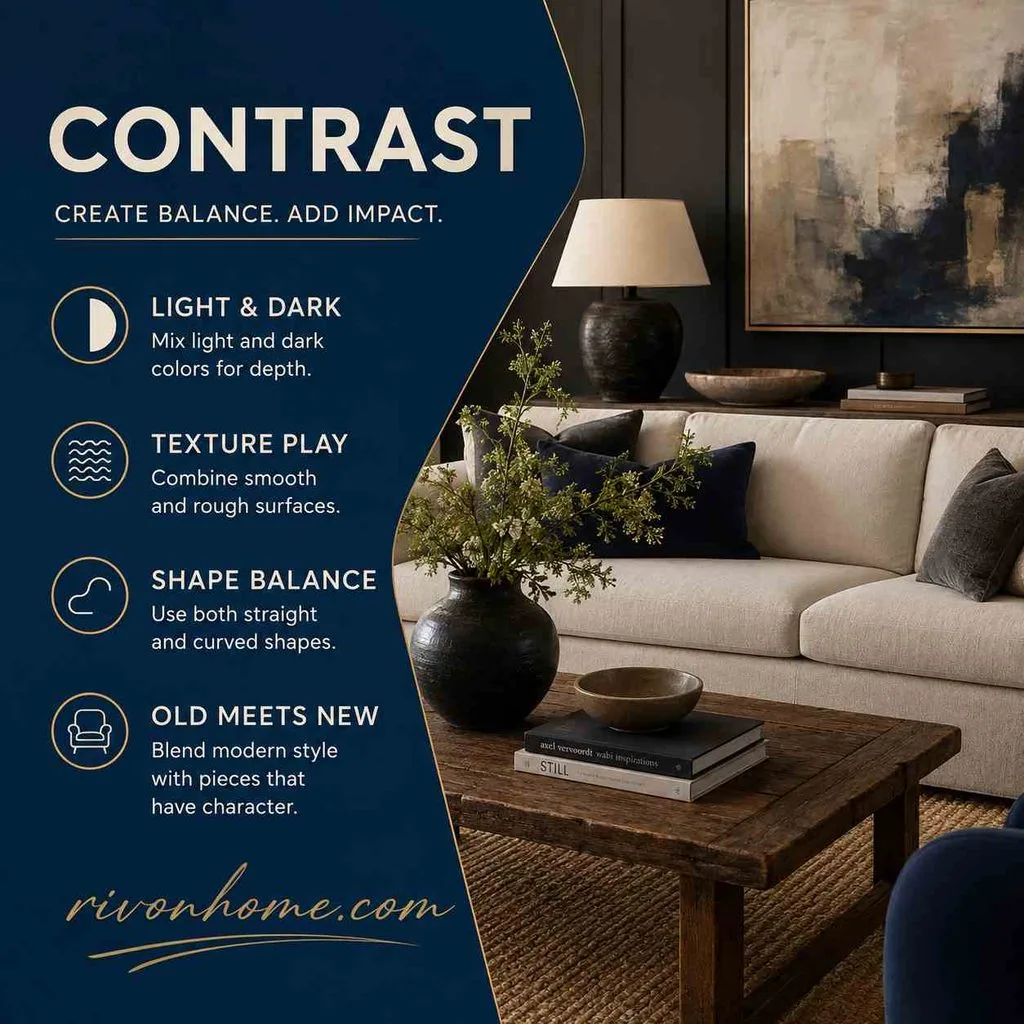
Contrast
Contrast stops a room from looking flat.Mix light and dark colors. Combine smooth and rough surfaces. Use both straight and curved shapes.A soft linen sofa can look great beside a solid wood table. A modern room can also benefit from an older piece with character.
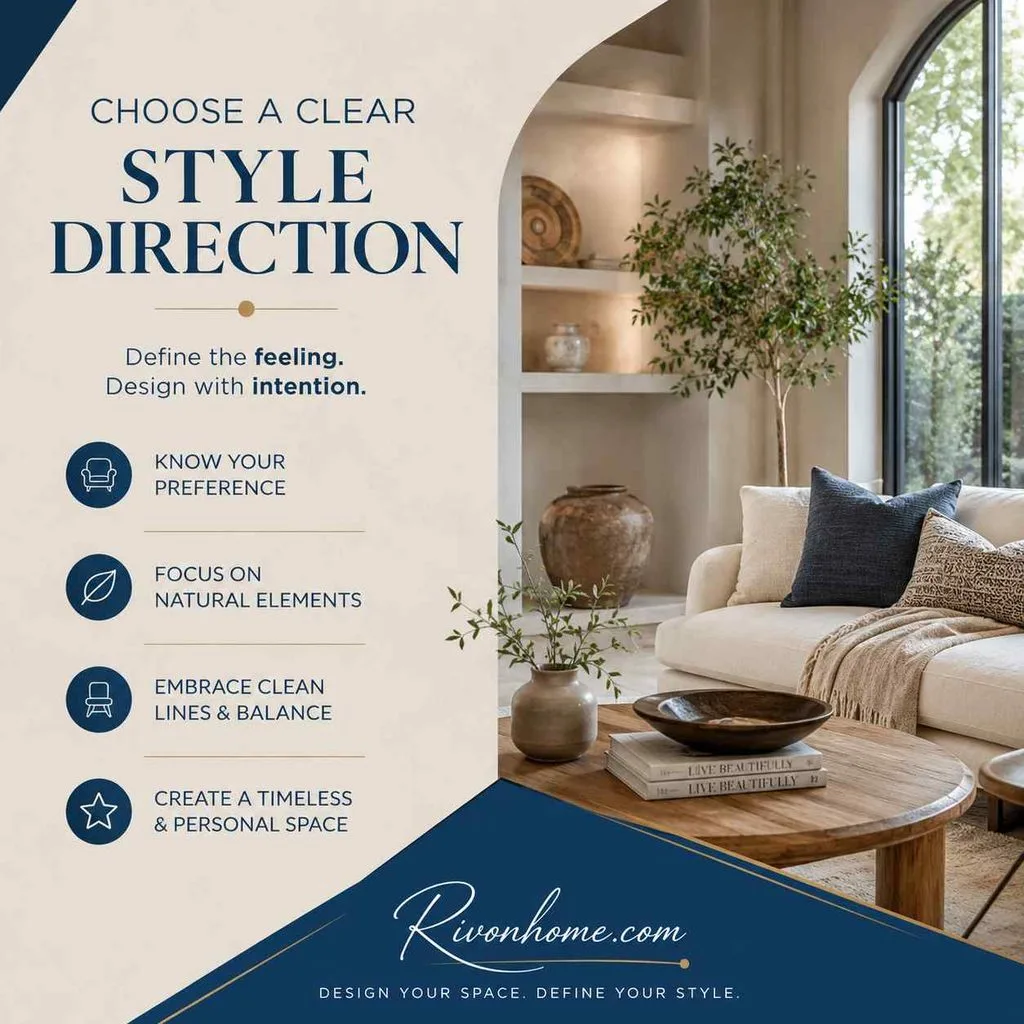
Choose a Clear Style Direction
You do not need to follow one design style perfectly.But you should know the general feeling you want to create.
Some popular directions include:
- Minimalist
- Scandinavian
- Modern
- Contemporary
- Traditional
- Industrial
- Bohemian
- Japandi
- Coastal
Look at several rooms you like and ask yourself what they have in common. Do you prefer natural materials? Clean lines? Soft colors? Dark wood? Vintage pieces?
This will help you build your own style, which is a big part of learning how to better at interior design MintPalDecor. The goal is not to copy a photo exactly. The goal is to understand why that room appeals to you.
Build a Mood Board Before You Start
A mood board is one of the easiest ways to improve your design decisions.Collect images that represent the room you want.
Include:
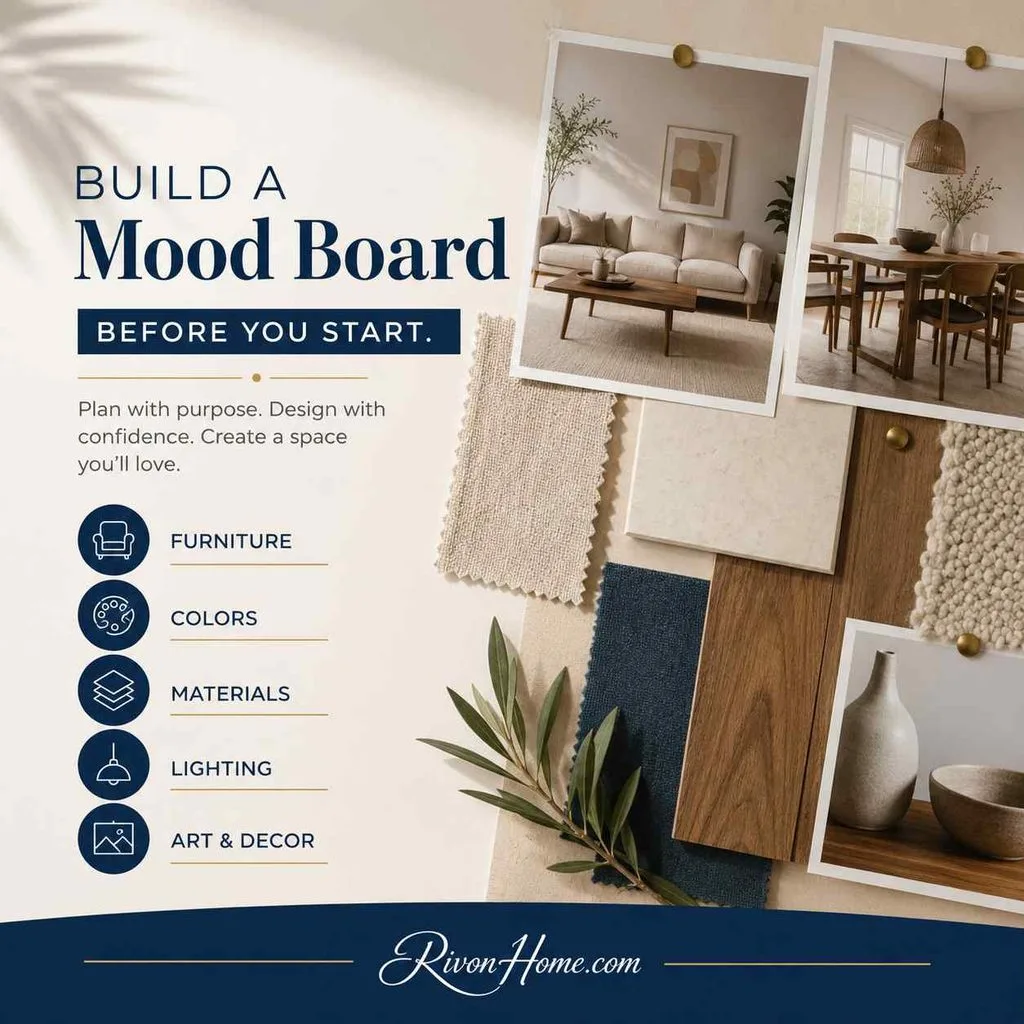
- Furniture
- Colors
- Materials
- Lighting
- Rugs
- Artwork
- Decorative objects
You may discover that almost every image you saved includes warm wood, cream walls, natural fabrics, and simple shapes. That gives you a useful design direction, and it’s one of the simplest ways to practice how to better at interior design MintPalDecor.
A mood board can also show problems before you spend money. You may notice that two furniture pieces you love do not actually work together.
Use Color With a Clear Plan
Color can completely change the feeling of a room.Before choosing paint or furniture, look at the natural light.A color may look very different in a bright room than in a dark room. Always test samples in the actual space.
A simple starting point is the 60-30-10 approach:
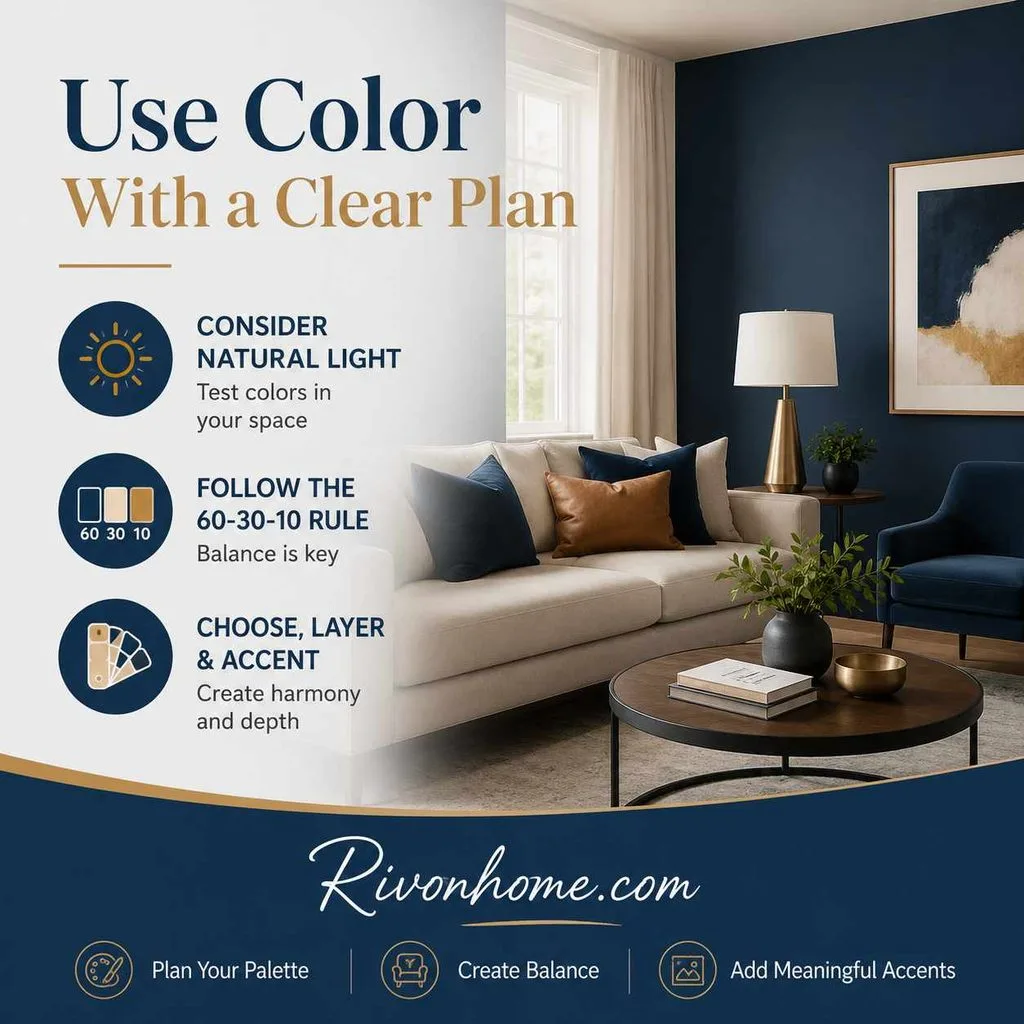
You do not need to measure these percentages exactly.The idea is simply to avoid giving every color equal attention.Choose a main color first. Then add supporting and accent colors.
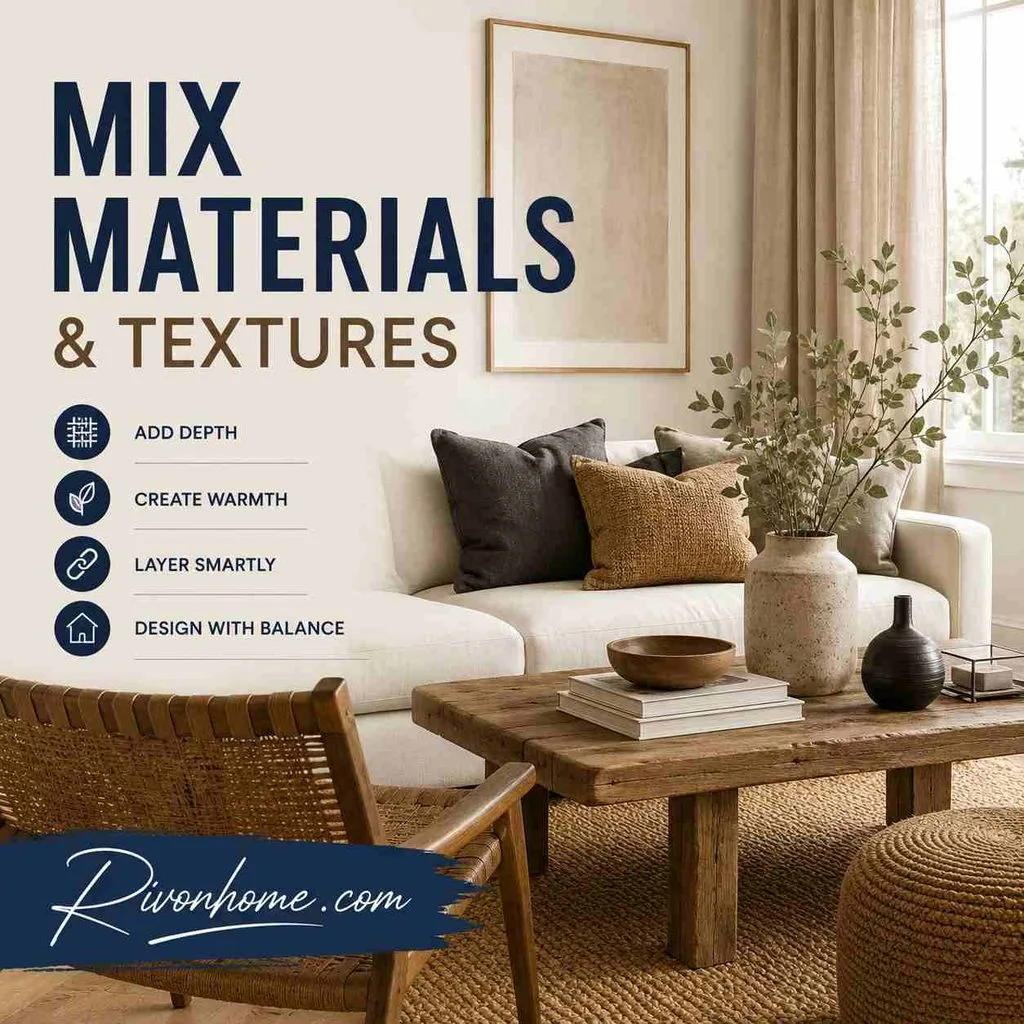
Mix Materials and Textures
Color is only one part of interior design.Texture adds depth and makes a room feel more interesting.
Try combining materials such as:
- Wood
- Linen
- Cotton
- Wool
- Leather
- Stone
- Ceramic
- Glass
- Metal
For example, a neutral room can still feel warm and layered when it combines a wood table, woven rug, linen curtains, and ceramic accessories.The key is repetition.Choose a few materials and use them in different parts of the room. This creates a more connected look.
Improve Your Lighting
Lighting is often the reason a well-decorated room still feels unfinished.One ceiling light is usually not enough.A good room often uses three types of lighting:
Ambient lighting
This provides general light for the room.
Examples include ceiling fixtures and recessed lights.
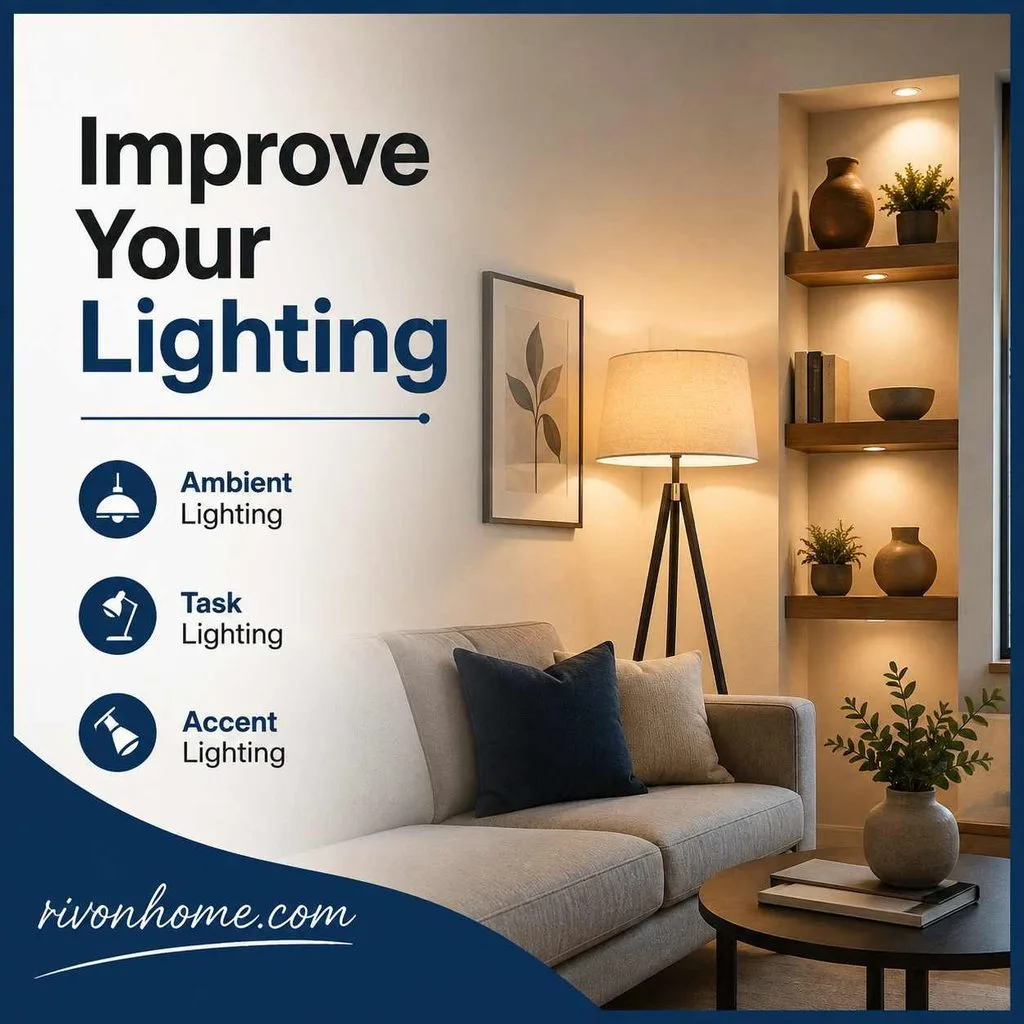
Task lighting
This helps with specific activities.
Examples include:
- Reading lamps
- Desk lamps
- Under-cabinet kitchen lighting
Accent lighting
This adds atmosphere or highlights a feature.You can use it to draw attention to artwork, shelving, plants, or architectural details.When learning how to better at interior design mintpaldecor, improving your lighting is one of the fastest ways to see a difference.
A simple floor lamp can make an empty corner feel useful and welcoming.Natural light also matters. Keep windows as open as possible when privacy allows. Heavy window coverings can make a room feel darker and smaller.
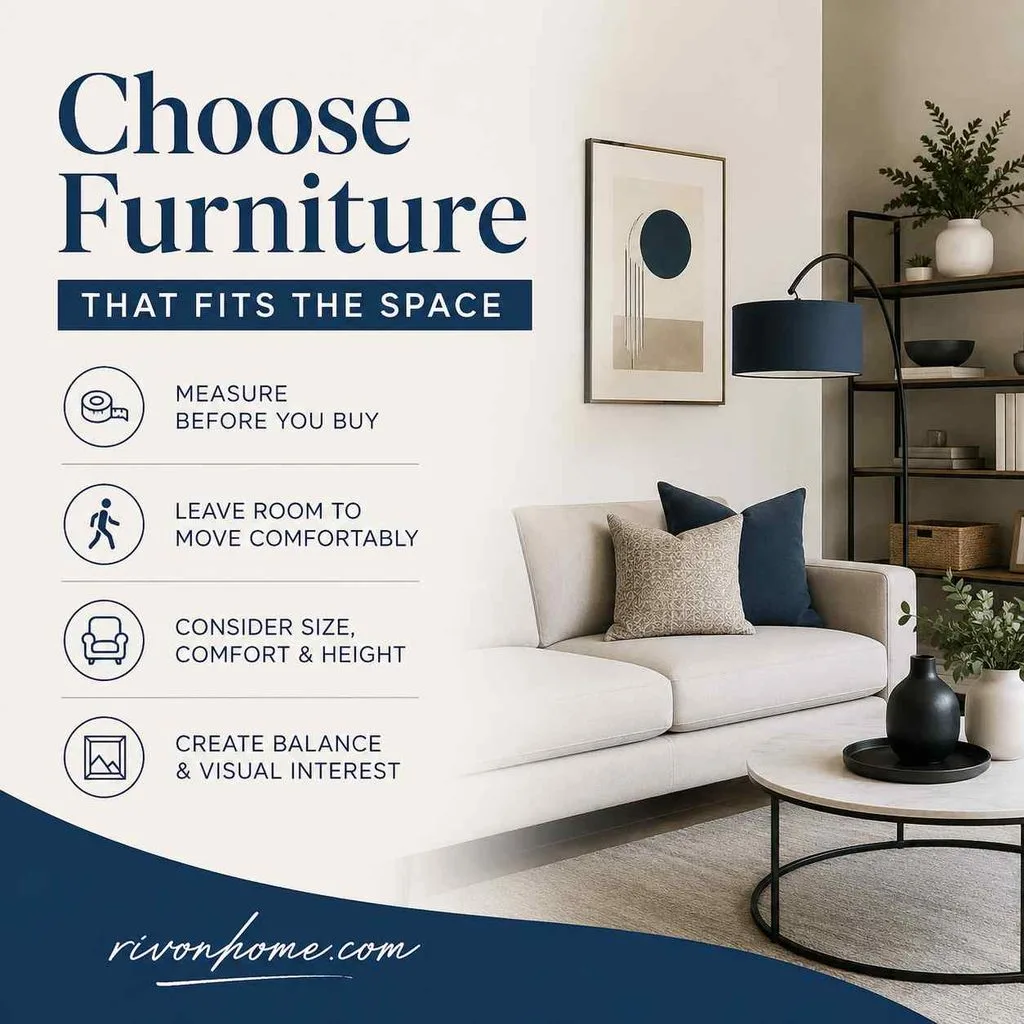
Choose Furniture That Fits the Space
Do not choose furniture only because it looks good in a showroom.Think about size, comfort, and movement.
Leave enough room to walk around furniture. Make sure doors can open easily. Consider how people will move through the space.
Before buying, measure:
- The room
- Doorways
- Hallways
- Existing furniture
- The new item
Also think about furniture height.A room with everything at the same height can feel flat. Mixing a low sofa, taller lamp, artwork, and shelving can create more visual interest.
Create a Better Furniture Layout
A good layout supports conversation and daily life.One common mistake is pushing every piece of furniture against the walls.Sometimes that works. Often, it creates a large empty space in the middle.Try moving seating slightly inward to create a more connected arrangement.
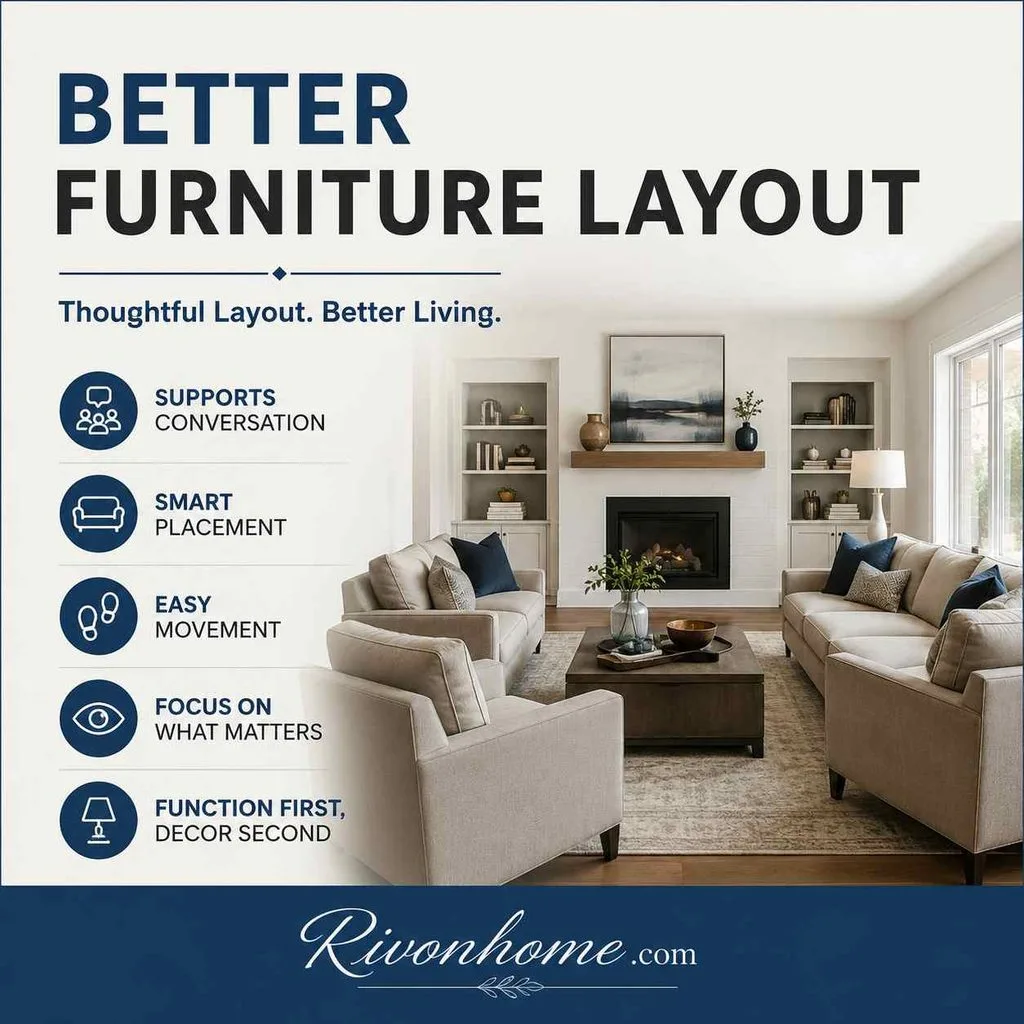
In a living room, think about:
- Where people sit
- Where they place drinks
- Where they walk
- What they look toward
The layout should support the room’s purpose.Function should always come before decoration.
Pay Attention to Rug Size
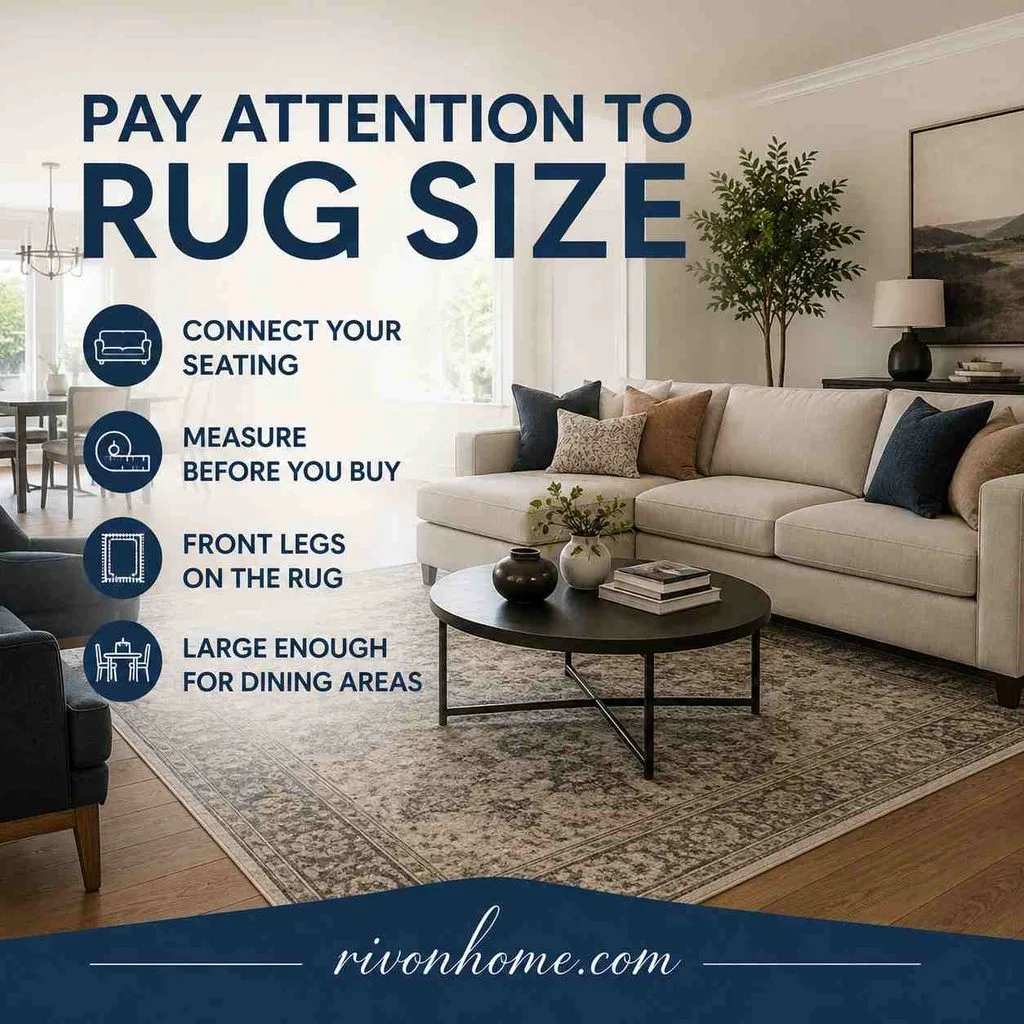
A rug can either connect a seating area or make it look disconnected.Small rugs are a common problem.In many living rooms, at least the front legs of the main seating should sit on the rug. This helps define the area.
Always measure before choosing a rug.The same rule applies to dining rooms. The rug should remain large enough when chairs are pulled away from the table.
Do Not Buy Everything as a Matching Set
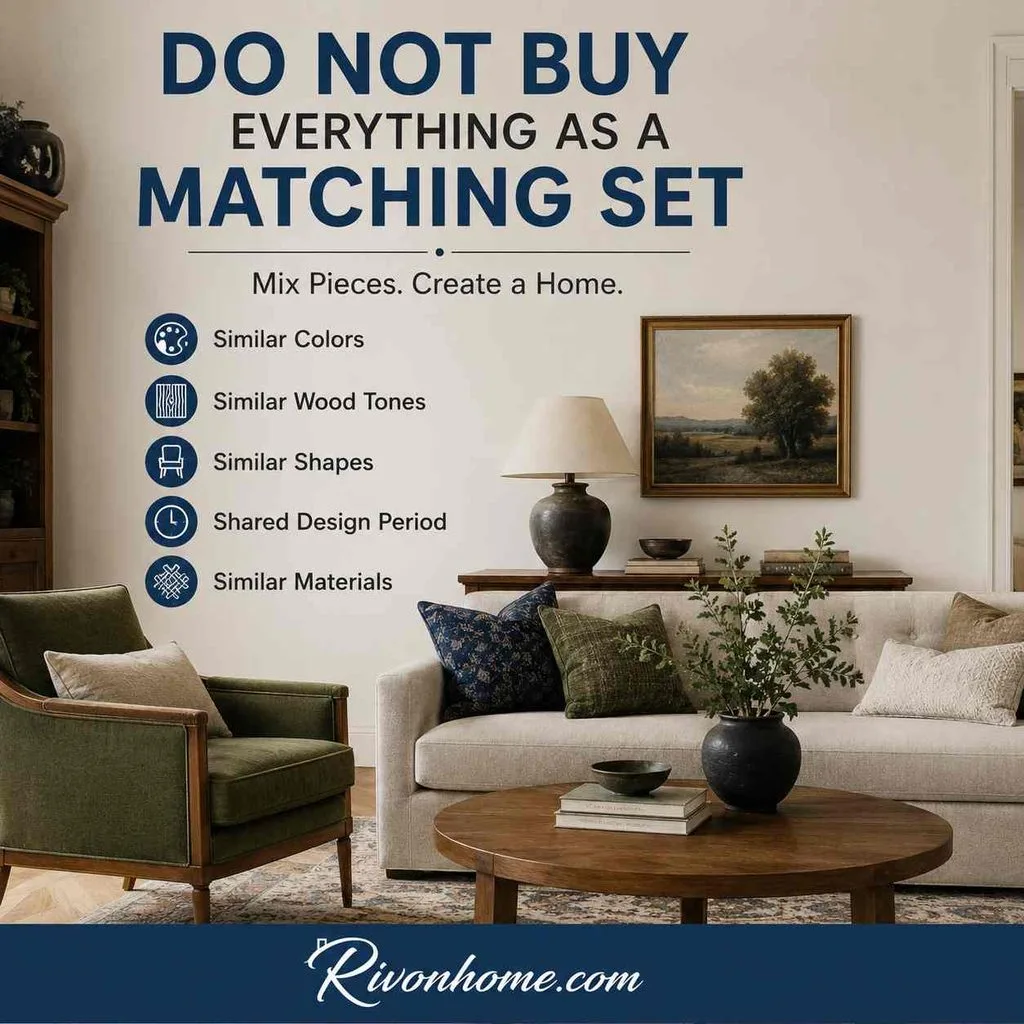
A completely matching furniture set can sometimes make a home feel like a showroom.Instead, look for pieces that share something in common.
They might have:
- Similar colors
- Similar wood tones
- Similar shapes
- A shared design period
- Similar materials
This allows the room to feel connected without looking overly coordinated.A home usually becomes more personal when it develops over time.
Leave Some Empty Space
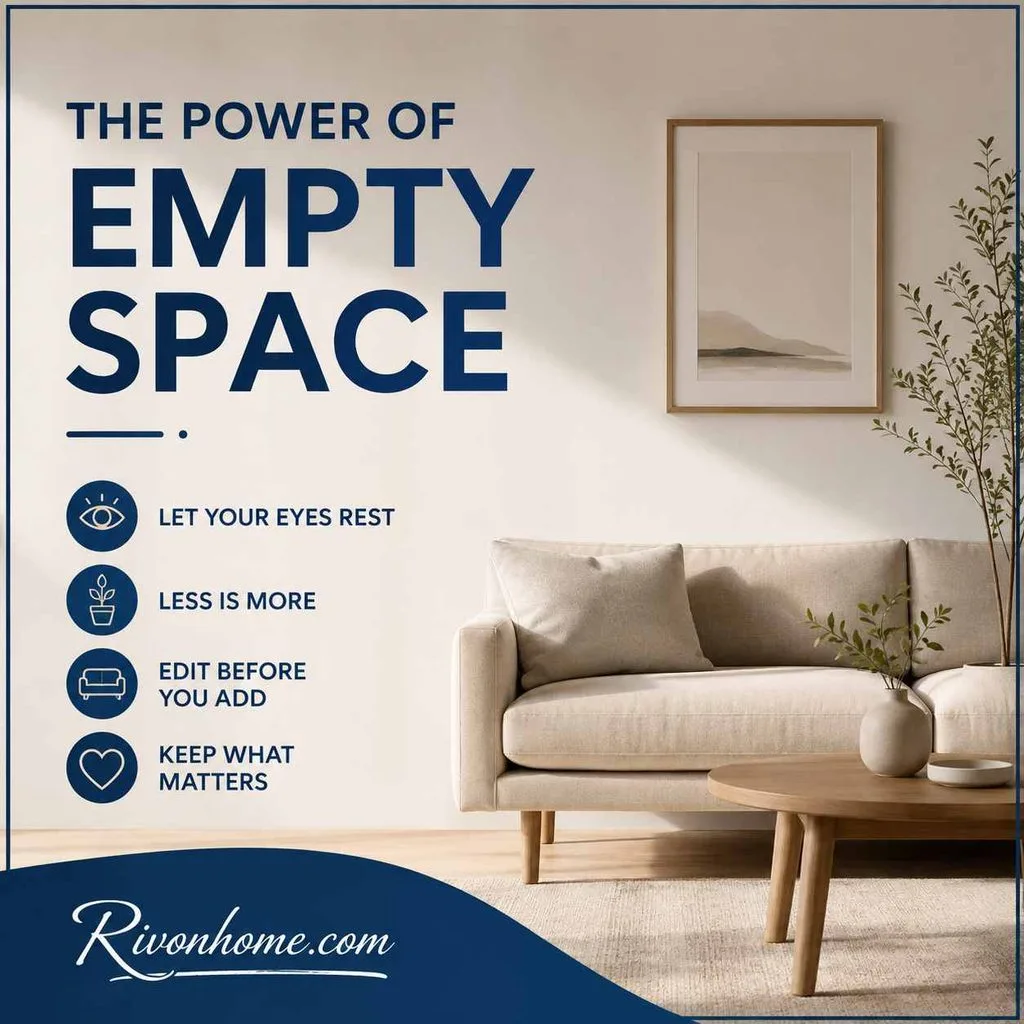
Not every wall needs artwork.Not every shelf needs an object.Not every corner needs furniture.Empty space gives your eyes a place to rest.When a room feels crowded, remove a few things before buying something new.
In my experience, editing is one of the most useful design skills a homeowner can develop.Ask yourself:Does this item add something useful or beautiful to the room?
If the answer is no, you may not need it.
Add Personality Without Creating Clutter
A well-designed home should feel personal.Use objects that tell part of your story.
These may include:
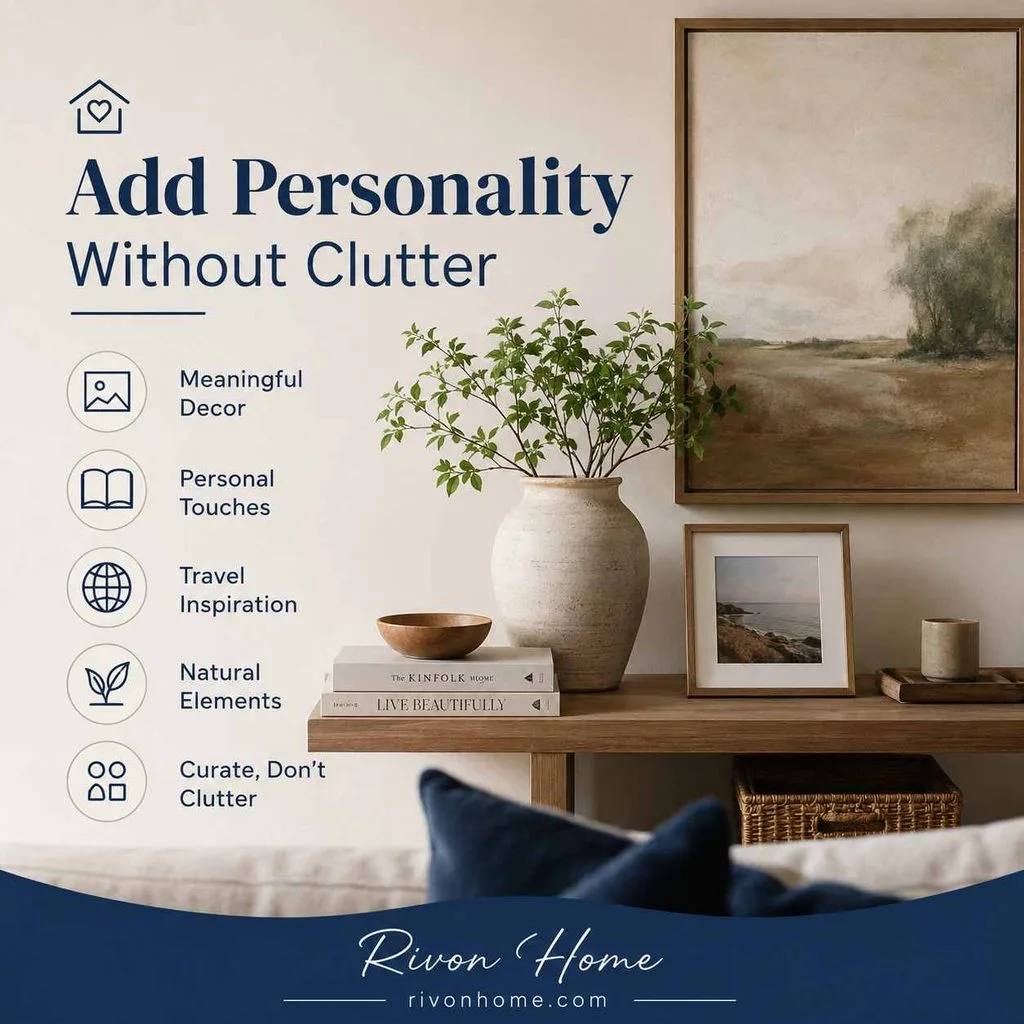
- Family photographs
- Books
- Travel items
- Artwork
- Handmade objects
- Vintage finds
- Plants
The goal is not to fill every surface.
Choose a smaller number of meaningful pieces and give them enough space to stand out.This approach is especially useful when decorating shelves, coffee tables, and consoles.Try grouping objects rather than spreading them randomly around the room.
Learn From Real Rooms, Not Just Pretty Photos
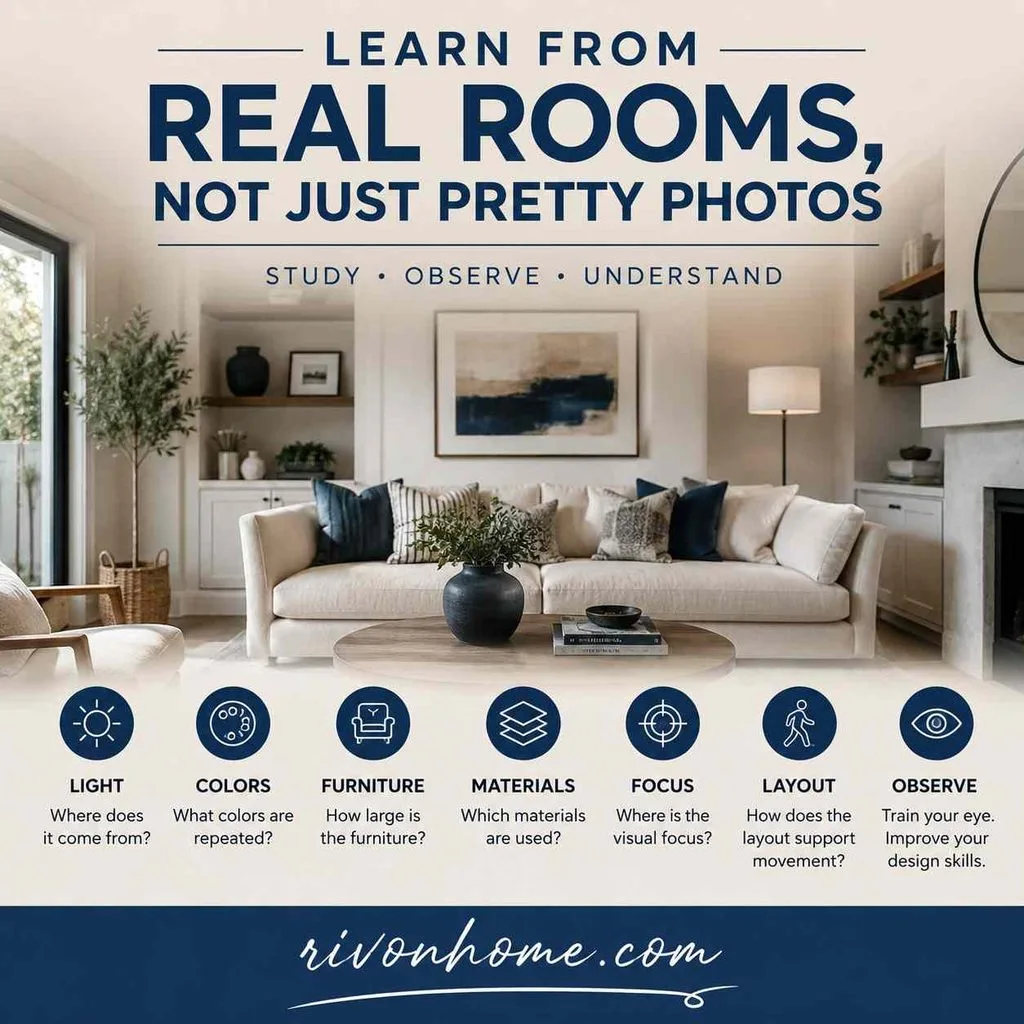
One of the best ways to improve is to study rooms more carefully.When you see a space you like, do not simply think, “This looks beautiful.”
Ask:
- Why does it work?
- Where does the light come from?
- What colors are repeated?
- How large is the furniture?
- Which materials are used?
- Where is the visual focus?
- How does the layout support movement?
This trains your eye.
Over time, you will begin to notice design problems and opportunities more quickly. This is really the core of how to better at interior design MintPalDecor — the discussion around improving design skills often comes back to the same idea: practice matters, and getting useful feedback can help you see problems that you no longer notice yourself.
Practice With One Room at a Time
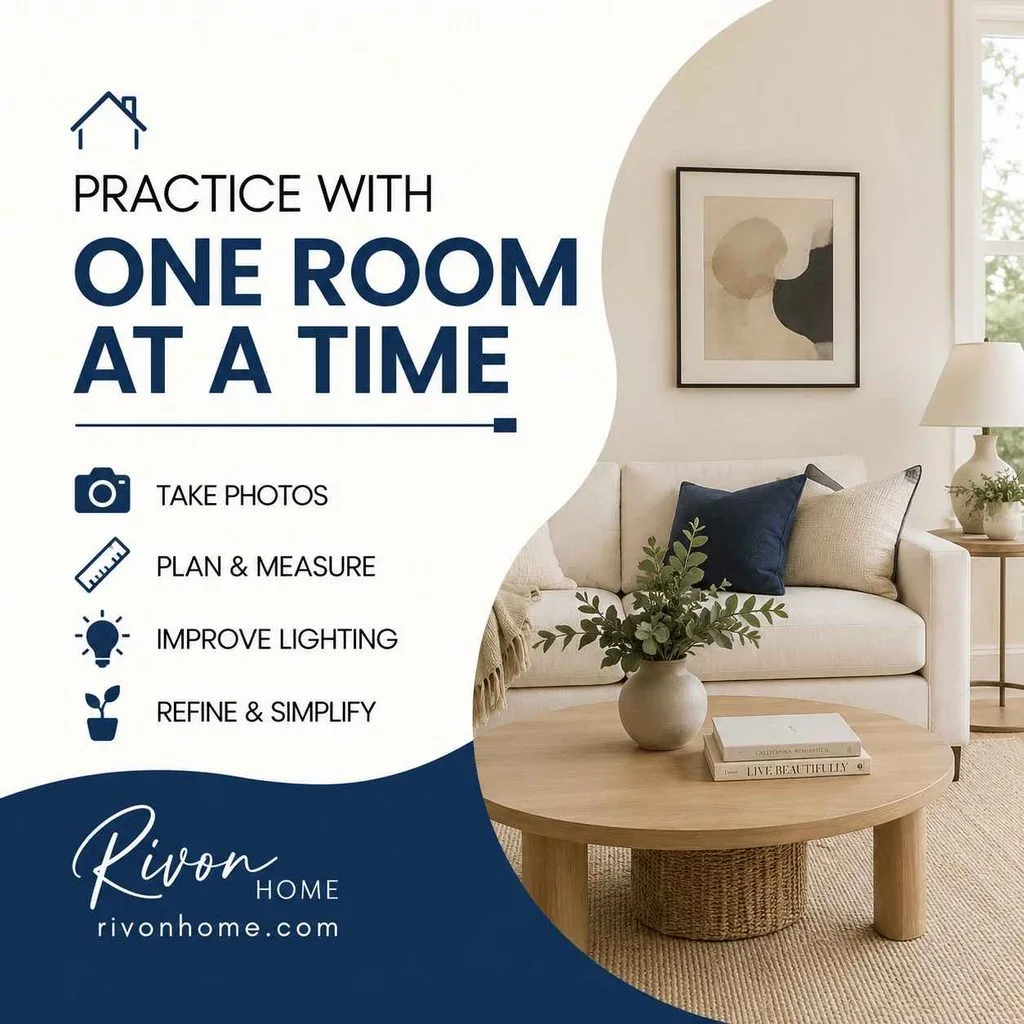
You do not need to redesign your entire home.Start with one room.Choose a space that you use often. Take photographs before changing anything.
Then work through the process:
- Measure the room.
- Define its purpose.
- Create a mood board.
- Choose a color direction.
- Plan the furniture layout.
- Improve the lighting.
- Add texture and personal details.
- Remove unnecessary items.
- Take another photo and compare.
Photos are useful because they help you see the room differently.A problem that is hard to notice while standing in a space may become obvious in a photograph.
Ask for Feedback and Keep Learning
Getting feedback can help you improve faster, and it’s one of the most useful habits when learning how to better at interior design MintPalDecor. Ask someone whose taste you trust what they notice first.
You can also compare your room with professional projects and study the differences. Do not focus only on whether one room looks more expensive. Look at the decisions behind it.
Was the layout better? Was the lighting softer? Did the designer use fewer colors? Was the furniture more suitable for the room? Learning to answer these questions is a simple way to practice how to better at interior design MintPalDecor and will improve your eye.
For homeowners interested in professional standards and the wider design profession, resources from organizations such as the American Institute of Architects can also help explain the role of thoughtful design and planning — another useful angle when thinking about how to better at interior design MintPalDecor.American Institute of Architects
Avoid These Common Interior Design Mistakes
Small mistakes can affect the whole room.
Here are some of the most common ones:
Buying before planning
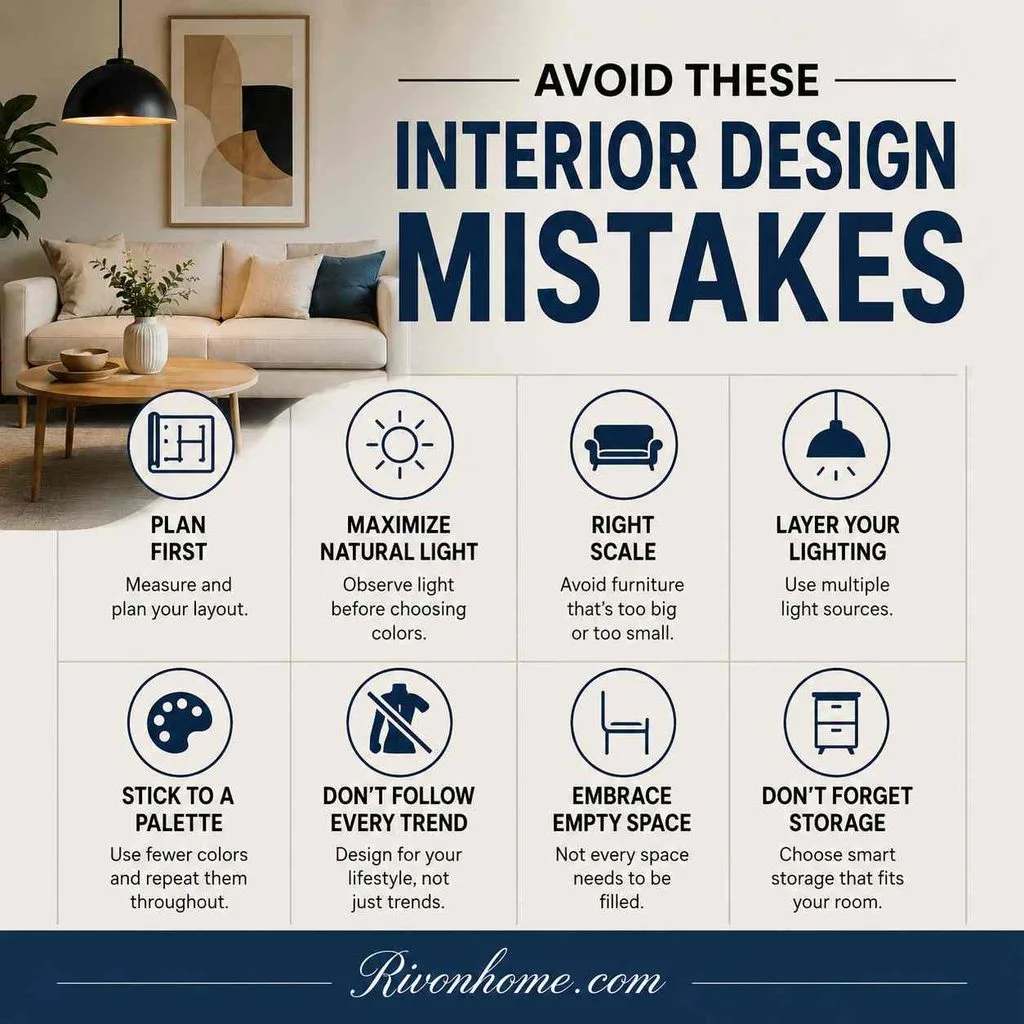
Measure and create a layout first.
Ignoring natural light
Observe how sunlight changes throughout the day before choosing colors.
Using furniture that is too large or too small
Scale matters as much as style.
Relying on one light source
Use different lighting levels for better comfort and atmosphere.
Adding too many colors
Choose a clear palette and repeat it throughout the room.
Following every trend
Trends can be fun, but your home should still suit your daily life.
Filling every empty area
Empty space is part of good design.
Forgetting storage
Clutter can quickly hide a beautiful design.
Choose storage that works with the room rather than adding more decorative objects.
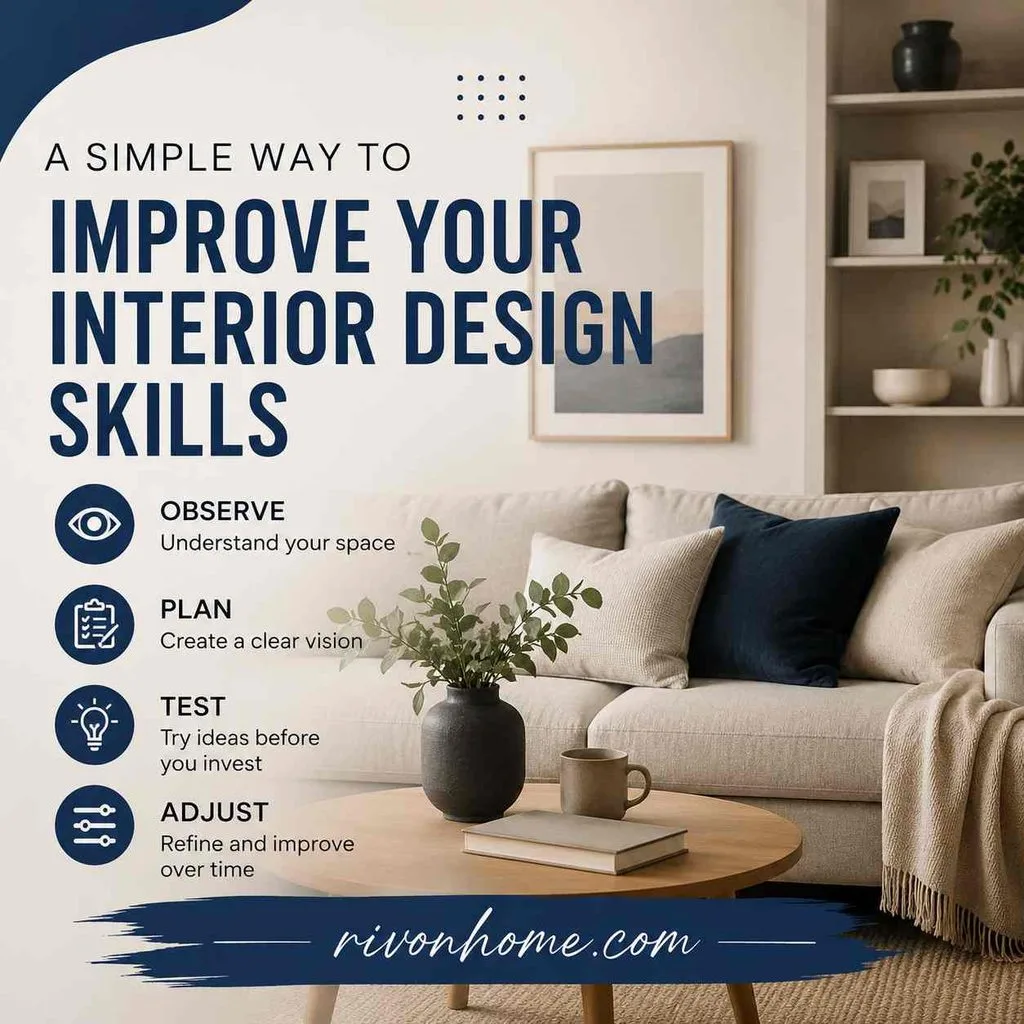
A Simple Way to Improve Your Interior Design Skills
- If you feel overwhelmed, use this simple method.
- Observe. Plan. Test. Adjust.
- First, observe the room.
- Then create a plan.
- Test your ideas before making expensive purchases whenever possible.
- Finally, adjust after living in the space.
- You do not have to make every decision at once.
- Good design often develops slowly.
- Spend time in the room before adding the final decorative layer. You may discover that you need another lamp, more storage, or fewer accessories.
Frequently Asked Questions
What does how to be better at interior design mintpaldecor mean?
The phrase is generally used by people looking for practical ways to improve their interior design skills. The most useful approach is to focus on planning, color, lighting, furniture scale, layout, texture, and regular practice.
Do I need a degree to become better at interior design?
No. A formal education can be valuable for a professional career, but homeowners can learn many important design skills through study and practice.
What should I learn first?
Start with space planning and furniture scale.
A beautiful object will not work well if it does not fit the room.
How can I make a room look more balanced?
Look at the visual weight of furniture, colors, and objects. Avoid placing every large or dark item on one side of the room.
Should I follow interior design trends?
You can use trends for inspiration, but do not build your entire home around a short-term trend. Choose a foundation that you will enjoy for years.
What is the fastest way to improve a room?
Start by removing clutter, improving the furniture layout, and adding better lighting.
These changes can make a major difference without a complete renovation.
Final Thoughts
Learning how to better at interior design mintpaldecor is not about copying expensive homes or following every trend.It is about learning how to see a room.
Start with the space. Understand how it is used. Choose furniture that fits. Create a clear color direction. Layer your lighting. Mix textures. Then add the personal details that make the home yours. This simple process is really the foundation of how to better at interior design MintPalDecor.
Good interior design is a skill. Like any skill, it improves when you use it — and that’s the whole idea behind how to better at interior design MintPalDecor.
