
Interior Decoration Tips Mintpaldecor: Create a Home That Works for You

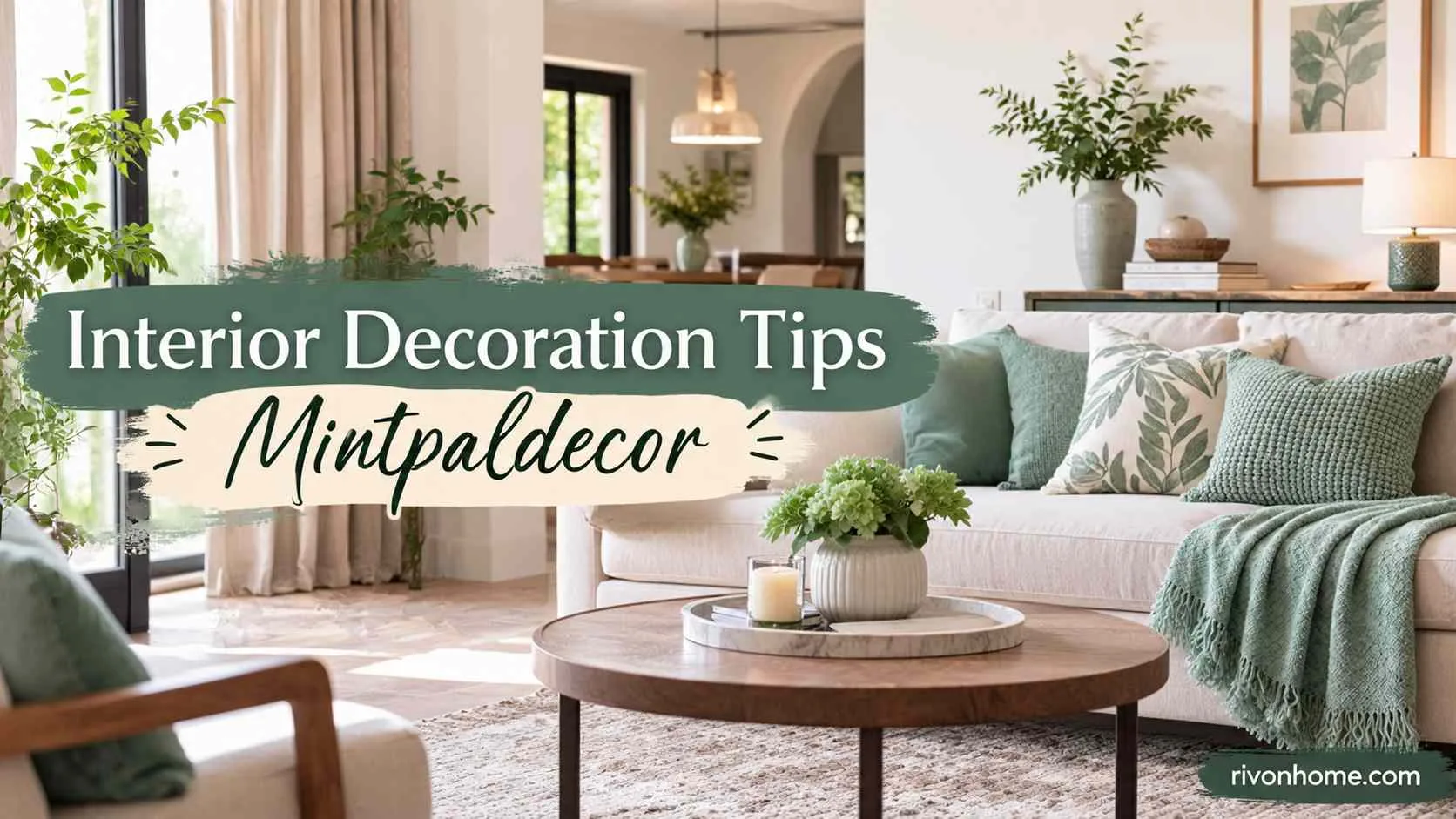
A beautiful home is easy to photograph. A comfortable home is harder to build. The best rooms manage both: they look good on day one and still feel right on day one thousand.
That is the idea behind interior decoration tips Mintpaldecor: balance beauty with function, personal style with timeless design, and intention with simplicity. At Rivon Home, we work from the same belief. A room should solve a real problem in your daily life before it tries to impress anyone.
This guide updates those core principles with what is actually happening in home design right now. Warm neutrals are replacing cool gray, darker woods are returning, lighting is becoming a design feature in its own right, and texture matters as much as color. Use the ten tips below as a practical checklist for any room.
1. Start With a Design Plan, Not a Shopping Cart
Most decorating mistakes happen before anything is installed. People buy pieces they love one at a time, then discover the pieces do not belong together.
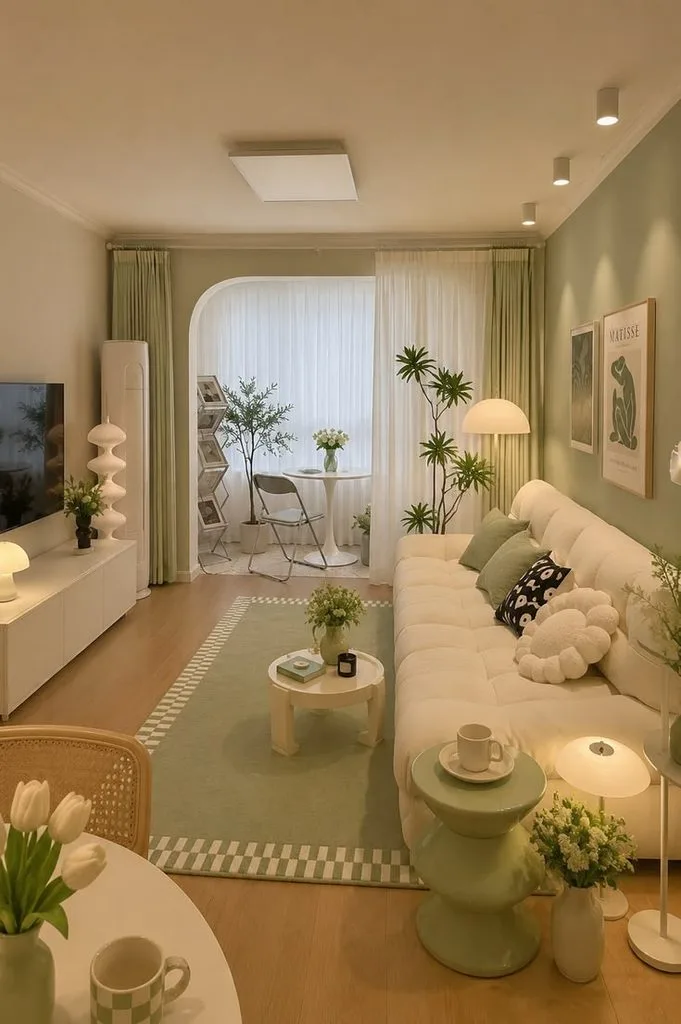
A simple plan prevents this. Before you buy, write down:
- The purpose of each room: relaxing, working, hosting, or a mix
- How you use the space every day: where you sit, where things land when you walk in
- Functional zones vs. decorative zones: what must work hard and what can simply look good
- Your lifestyle: kids, pets, remote work, frequent guests
When a beautiful but mismatched item tempts you, your plan answers the question for you. If you want more room-by-room inspiration, our guide to residential interior design ideas is a good next read.
2. Choose a Warm, Balanced Color Palette
Color sets the mood before any furniture does. The old cool gray and stark white look is fading. Designers and builders are moving toward warm whites, clay, terracotta, olive, mushroom, and soft brown, with chocolate brown showing up strongly in designer forecasts.

The classic 60-30-10 rule still works well as a structure:
| Share | Role | Examples |
|---|---|---|
| 60% | Neutral base | Walls, flooring, large furniture in warm white, sand, taupe, or greige |
| 30% | Secondary color | A sofa, curtains, or a group of mid-size decor pieces |
| 10% | Accent color | Cushions, art, plants, a single bold object |
Keep your neutrals warm rather than cold, and let bold colors sit alongside them without competing. If you are unsure, build a mood board of rooms you love. Your natural preferences show up quickly, and it costs far less than repainting.
3. Layer Your Lighting

Lighting is where many otherwise good rooms fall apart. One overhead fixture creates harsh shadows. Only table lamps leave a room dim. The fix is layers:
- Ambient light: the general glow (ceiling fixtures, cove lighting)
- Task light: focused light where you work, read, or cook
- Accent light: wall sconces, picture lights, or LED strips that add depth
Use warm white bulbs (2700K to 3000K) for most living areas. They are easier on the eyes and create a cozy feel that cool white bulbs cannot match. A growing 2026 trend is lighting that shifts through the day, brighter and cooler in the morning, softer and warmer at night, which suits how people actually live.
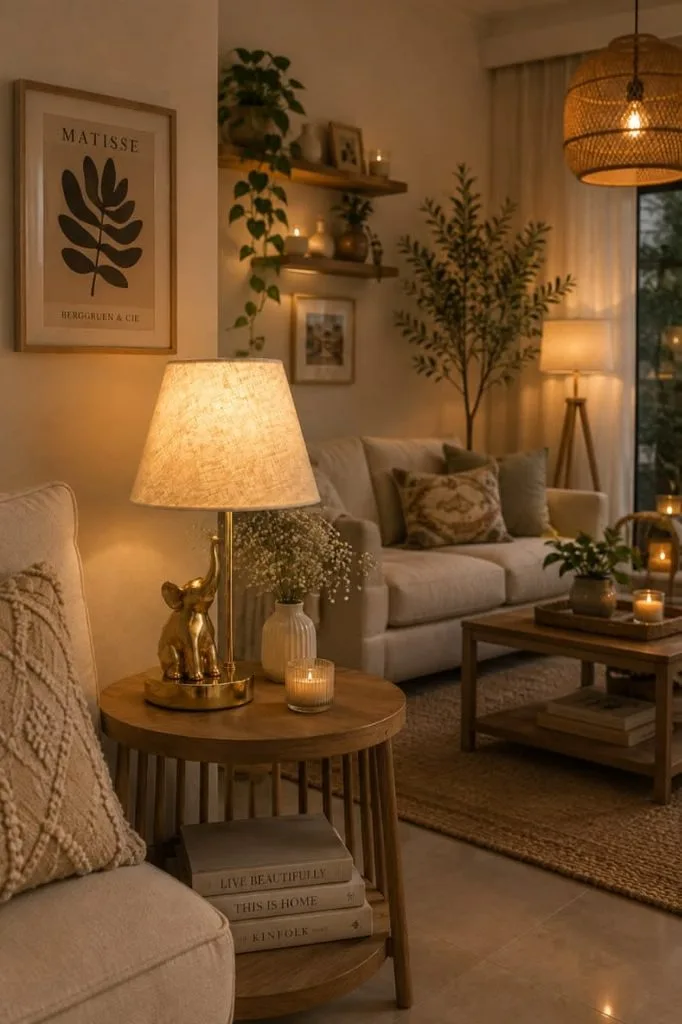
Do not forget daylight. Keep windows clear and choose curtains that filter light instead of blocking it. If you are planning a renovation, our article on patio door glass options explains how large glass openings bring in more natural light and connect indoor and outdoor spaces.
4. Give Every Room a Focal Point
Every room needs one place the eye goes first. Without it, even a well-decorated space feels scattered.

Common focal points include:
- A fireplace or feature wall
- A large window with a view
- Meaningful artwork or a gallery wall
- A statement sofa, bed, or sculptural chair
- A distinctive architectural detail
Once you choose it, build around it. Point the furniture toward it, light it well, and keep nearby decor quieter. The Mintpaldecor approach is clear on this point: when everything competes for attention, nothing stands out.
5. Buy Furniture That Serves Your Daily Life
A sofa that looks great but cannot seat your family comfortably is only decoration. Prioritize:

- Comfort and durability: sofas, beds, and everyday seating should last years, not months
- Correct scale: oversized pieces overwhelm small rooms, and tiny pieces disappear in large ones
- Hidden storage: storage ottomans, console tables with drawers, and benches with shelves keep clutter out of sight
- Multi-purpose pieces: a console that doubles as a desk, or a bookshelf that divides an open space
Quality over quantity is a strategy, not just a saying. One well-made sofa outlasts three cheap ones. For the bedroom specifically, see our tips on creating a more restful bedroom.
6. Treat Your Walls as Part of the Design
Walls do not need to be crowded. They need to be considered.

- Artwork and paintings create instant personality. A single large piece often works better than multiple small ones—it feels intentional. A family photo gallery arranged with intention (think asymmetrical layouts rather than rigid grids) tells your story without looking chaotic.
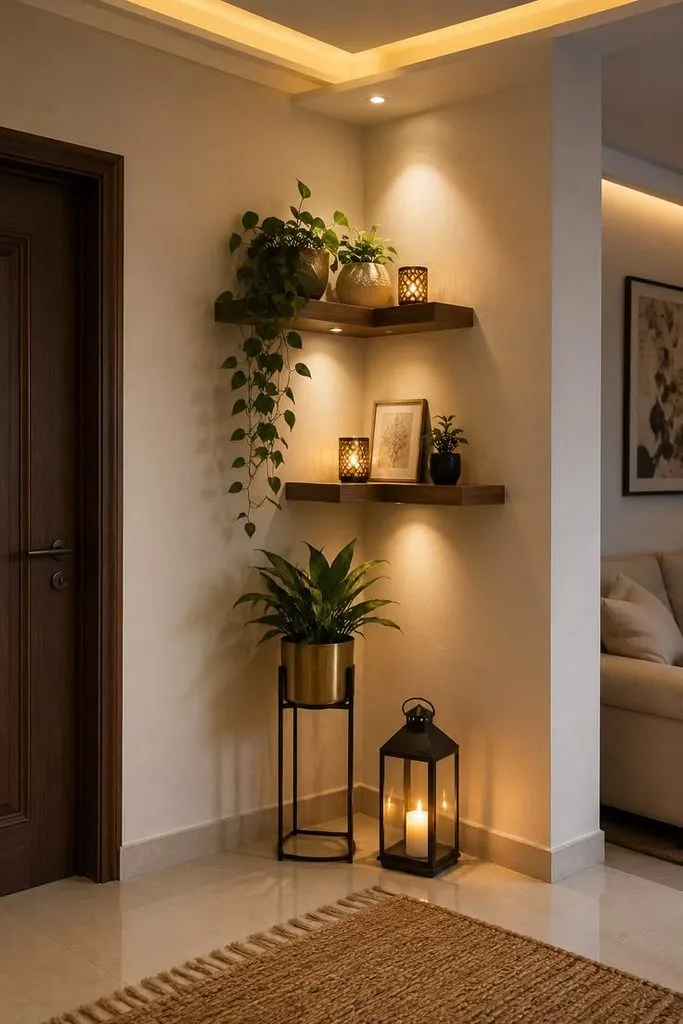
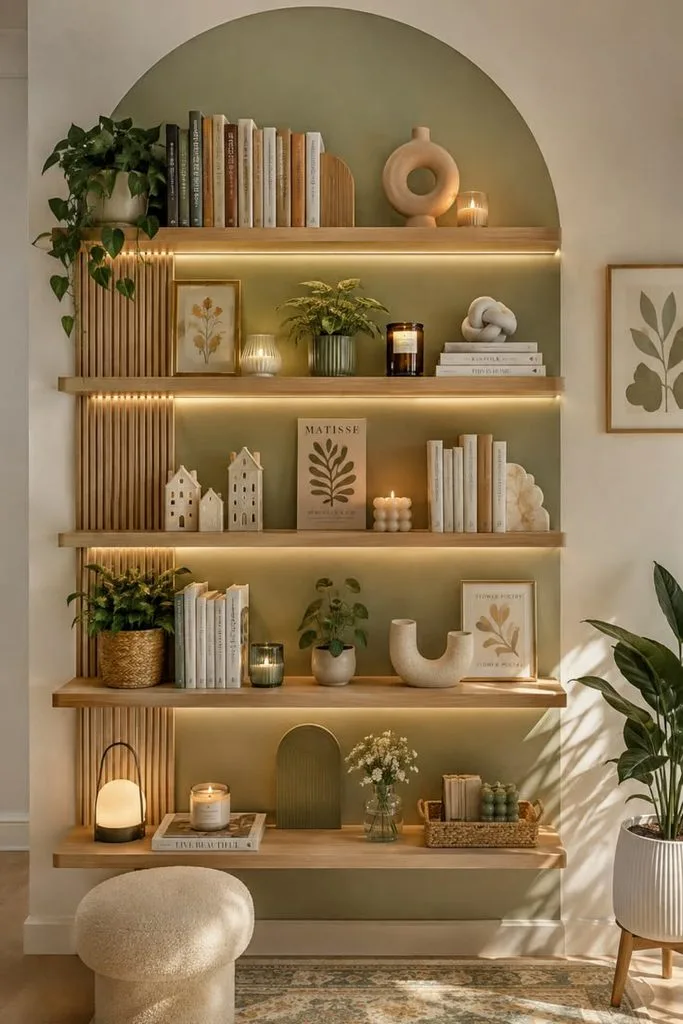
- Wall shelves serve double duty. They display decorative items while providing functional storage. Keep items on shelves balanced—don’t crowd them. Empty space around each piece lets each item breathe.
- Wallpaper makes a powerful statement. Modern wallpaper isn’t your grandmother’s floral patterns. Subtle textures, geometric designs, or nature-inspired prints work in contemporary homes. If you’re uncertain, try peel-and-stick options first.
- 3D wall panels add texture and visual interest without requiring artistic skill. They catch light differently throughout the day, which creates depth.
A plain wall can be perfectly elegant if the rest of the room is strong.
7. Layer Texture and Natural Materials
The biggest shift in modern decorating is that the new neutral is not really about beige. It is about warmth built through layers. Linen, wool, timber, ceramic, plaster, and stone each read differently under changing light.
Ways to add texture:

- Rugs: define zones and add warmth. Layering a smaller rug over a larger one adds interest.
- Curtains: heavier fabrics absorb sound and feel cozy, while sheers feel airy.
- Mirrors: they bounce light around, especially when placed near windows.
- Plants: they bring organic shape and softness.
- Wood: dark tones such as walnut and ebonized finishes are making a comeback after years of pale wood everywhere. One walnut console can do the job without darkening the whole room.
Mix on purpose: a leather sofa with a chunky knit throw, metal side tables with a soft rug, smooth concrete with warm wood. To learn more about what different finishes do in a room, read our guide to interior design materials.
8. Treat Light Fixtures as Decor

Fixtures are not just functional. They are part of the design, and in 2026 they are getting more sculptural and more expressive. Aged brass, bronze, and visibly patinated finishes are gaining ground, alongside hand-blown glass and artisan-made chandeliers.
When choosing fixtures:
- Match the overall style of the room (modern, traditional, eclectic, minimalist)
- Scale them to the furniture and wall space around them
- Check how they look when off, since they are still decor during the day
- Make sure they actually give enough light. Beautiful but dim is a failure
9. Add Personal Touches, but Edit Them
Your home should reflect you, and that does not mean expensive or trendy. Inherited pieces, travel finds, handmade objects, and art you truly love all count. The 2026 design direction favors this: collected, imperfect, character-rich rooms over untouched, showroom-perfect ones.
Where to add them:
- Shelf vignettes: a plant, a book, a framed photo, and one art object
- Wall displays: family photos or favorite artwork
- Collections: ceramics, books, or vinyl displayed instead of hidden
- Everyday beauty: cutting boards, serving pieces, and baskets you actually use
Keep it edited. One or two personal touches per surface feels curated. Five or six starts to feel cluttered.
10. Organize Smartly and Use Negative Space
How a home is organized determines how spacious it feels, whether it is a studio or a large house.
- Use vertical storage such as wall shelves and tall cabinets
- Turn dead space, like the area under stairs, into a bookshelf niche
- Place a bench with bins at the entrance for daily clutter
- Store reading-nook cushions in a basket when not in use
Then let some surfaces stay empty. A console styled with just three carefully chosen items looks more confident than one crowded with ten. Negative space makes what you do display feel more important. It is the difference between decorated and cluttered.
What Makes a Well-Decorated Room? A Quick Checklist
The real skill in interior decoration tips isn’t following rules—it’s knowing when to break them.

A well-designed room is one where:
- Form and function coexist — Nothing is sacrificed entirely for either
- Color palette is consistent but not boring — Neutrals dominate, but personality shows through
- Every item has purpose — Decorative or functional, nothing is just “filling space”
- Personal taste is visible — You can tell someone with real preferences lives here
- The space feels welcoming — Not staged, not stressful, just naturally comfortable
This is what makes home decor genuinely work. It’s not about following Mintpaldecor trends or any other decoration style exactly. It’s about applying these principles to create a home that supports your life.
Final Thoughts
The best interior decoration tips Mintpaldecor style advice comes down to intention. Know what each room is for, build a warm and cohesive palette, layer your lighting, choose a focal point, and buy furniture that serves your life. Then add texture and personality, and leave some space empty.
Your home is not a magazine. It is where you live, so clarity and intention will always matter more than budget. Want help applying these ideas to your own space? Explore more design guides and services at Rivon Home.
Frequently Asked Questions
What are the best interior decoration tips Mintpaldecor recommends for beginners?
Start with a design plan, choose a warm 60-30-10 color palette, layer your lighting, and pick one focal point per room. These four steps fix most decorating problems.
What color temperature should I use for home lighting?
Warm white bulbs between 2700K and 3000K suit most living spaces because they feel cozy and are gentle on the eyes.
Are warm neutrals better than gray in 2026?
Warm neutrals such as warm white, clay, olive, mushroom, and soft brown are leading current trends and are less trend-driven than the cool gray palette they replaced, so they tend to age better.
How do I decorate on a budget?
Buy fewer, better pieces, add color through cheap swappable items like cushions and art, and use lighting and texture to change a room without replacing furniture.
How many decorative items are too many?
If a surface feels crowded, it is. One to three carefully chosen items per surface is a good starting point.
