
Queen Anne Style House: The Gem That Still Stops You in Your Tracks

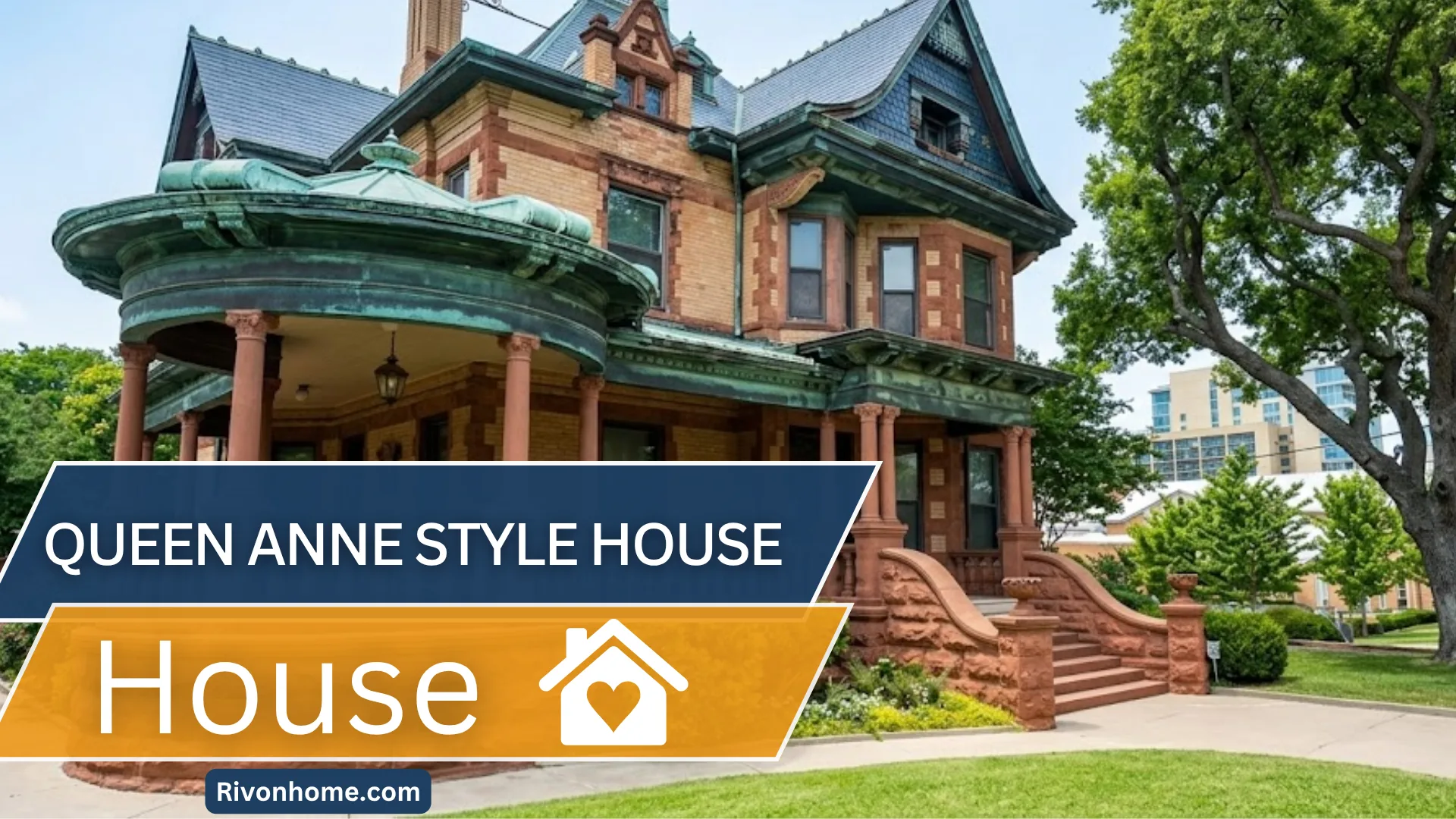
One quiet afternoon in San Francisco, I was walking through an old neighborhood with my friend Layla, a fellow designer, when a stunning Queen Anne architecture house made us stop in our tracks.
A tall turret stretched toward the sky, a wraparound porch overflowed with carved woodwork, and layers of textures and colors covered the façade. It did not feel like just another home on the street. It felt like a piece of living art, built with imagination and pride. Standing there, I realized how powerful architecture can be — one house capable of freezing time and completely changing how you see a neighborhood. 🏡✨
What Is a Queen Anne Style House?
Most houses today look like boxes. Clean lines, flat fronts, zero personality. I understand the appeal of minimalism — but there is something a Queen Anne gives you that modern design simply cannot. It gives you wonder.
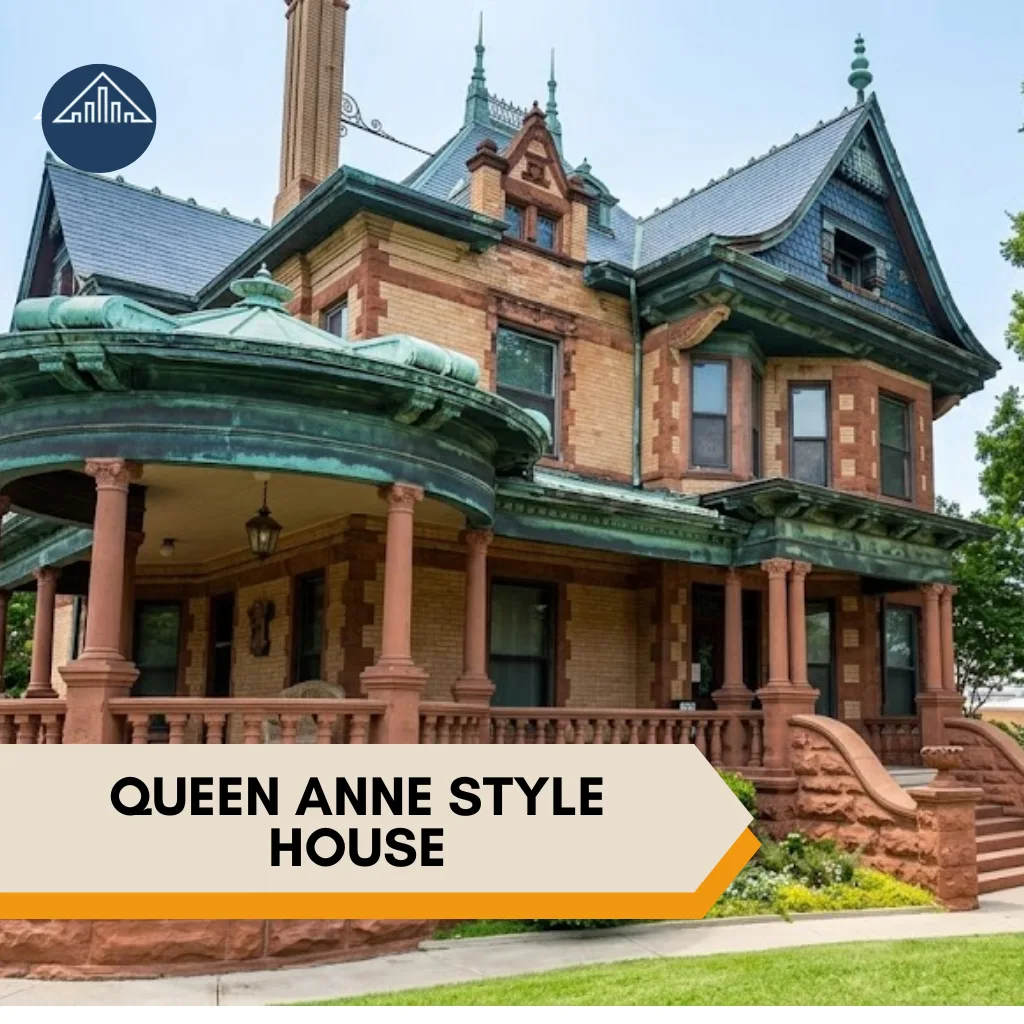
With its distinctive form, abundance of decorative detail, corner tower, expansive porches, and richly patterned wall surfaces, the Queen Anne style is easy to identify. PHMC But calling it “easy to identify” almost undersells it. You do not just notice a Queen Anne house — you stop, you stare, and you start asking yourself how a building can feel this alive. That is the Queen Anne effect. It hits differently every single time.
A Brief History — Where Did This Style Come From?
Queen Anne style buildings came into vogue during the 1880s in the United States, replacing the French-derived Second Empire as the style of the moment. Wikipedia It was the most popular style for houses in the period from 1880 to 1900, and was first created and promoted by Richard Norman Shaw and other English architects in the late 19th century.
PHMC The style crossed the Atlantic through pattern books, architectural magazines, and the 1876 Philadelphia Centennial Exposition. American builders took the English foundation and ran wild with it — adding more towers, more texture, more color, more everything. Over 140 years later, it remains the most visually expressive residential style ever built on American soil.
The Queen Anne House Style
.Hi there! I’m Stefano Schiavon, the voice behind RivonHome, where I explore remarkable homes and the stories that live inside them.Step inside a world where every surface tells a story of maximalist beauty. From soaring ceilings to hidden turret nooks, explore the handcrafted details that define the Queen Anne soul.
Inside Queen Anne Style House Interior and Other Features
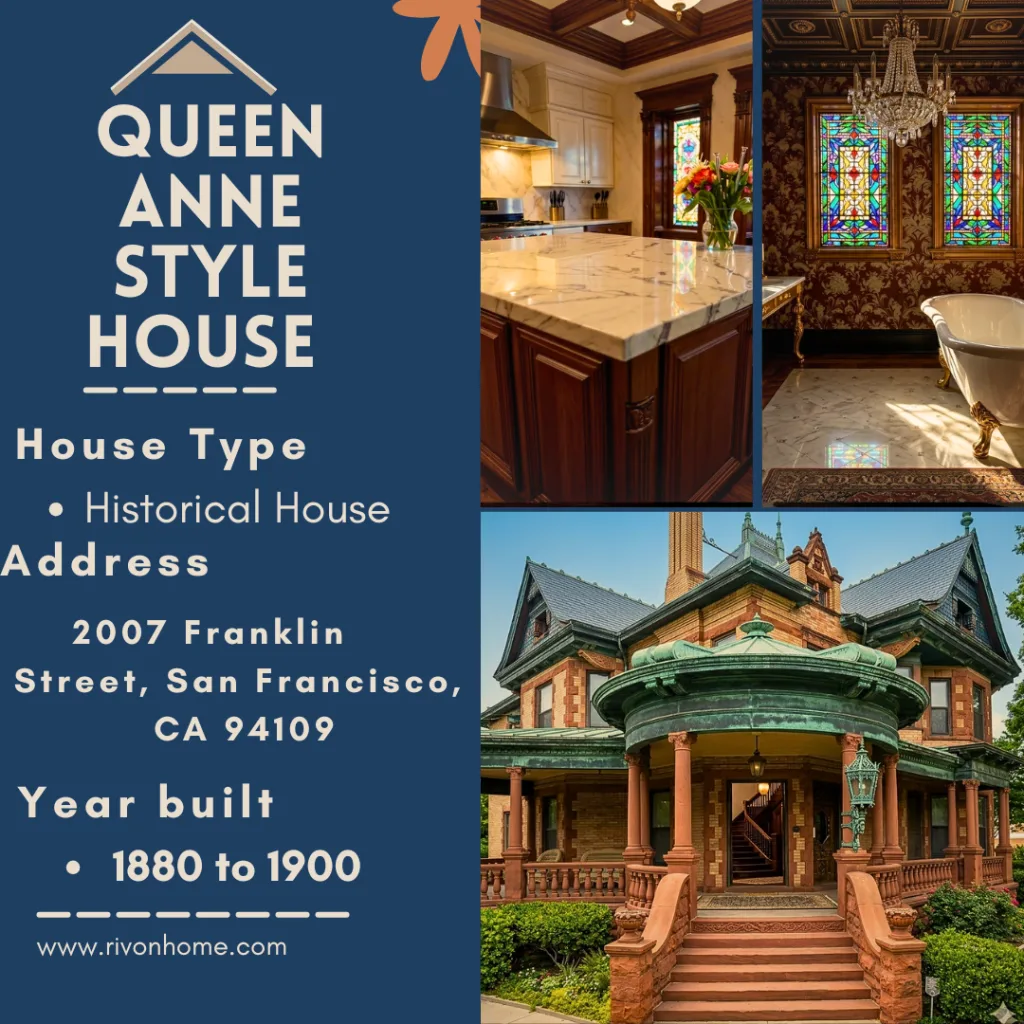
Step inside the intricate world of Queen Anne interiors, where every room tells a story of maximalist beauty and handcrafted detail. From soaring twelve-foot ceilings to hidden turret libraries, explore the unique features that turn these historic houses into living works of art.
Queen Anne Style House Grand Entrance
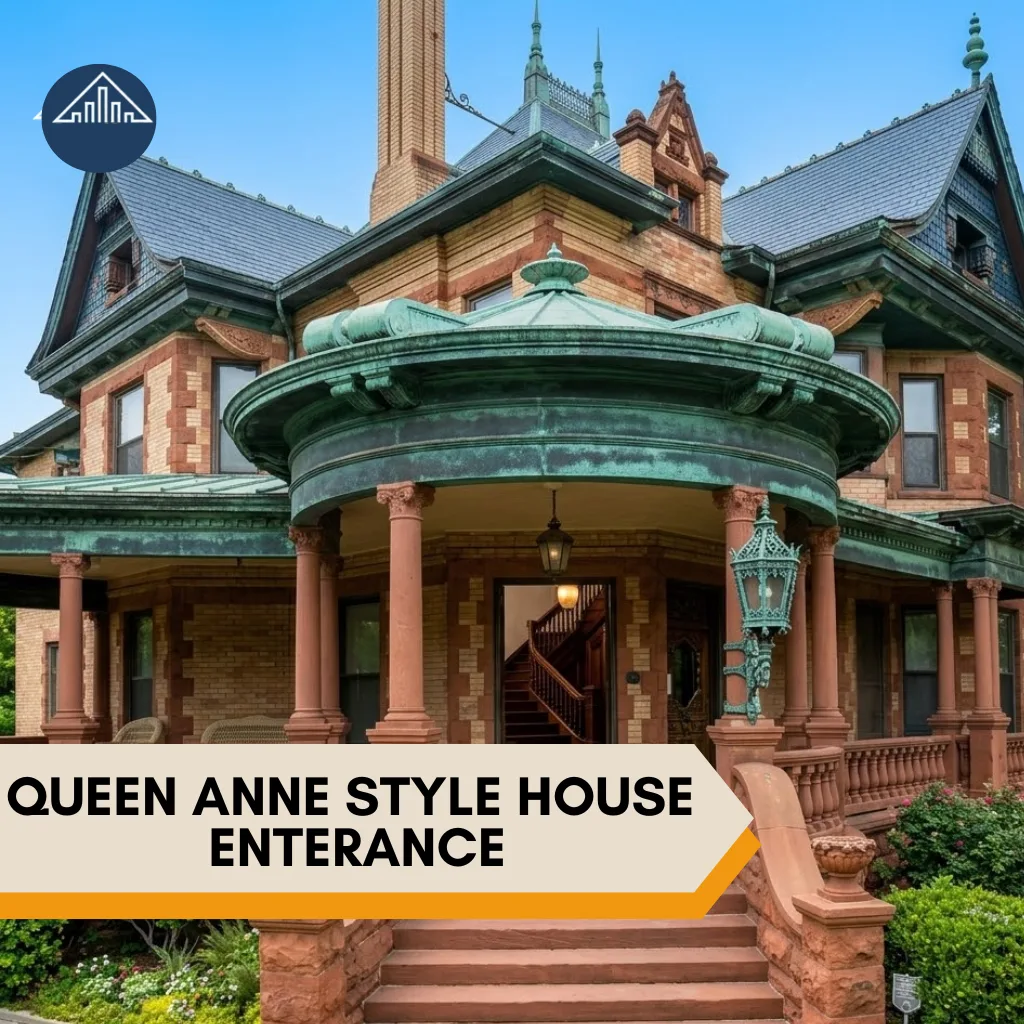
The entrance of a Queen Anne home stops you cold. Entering through a heavy carved wooden door, stained glass throws amber light across original herringbone floors. The foyer opens to twelve-foot ceilings and a dramatic, curving staircase with hand-turned spindles. Centered by a period chandelier, the space radiates historic craftsmanship. Touching the oak newel post makes you realize that these grand foyers weren’t just entrances; they were intentional statements of art.
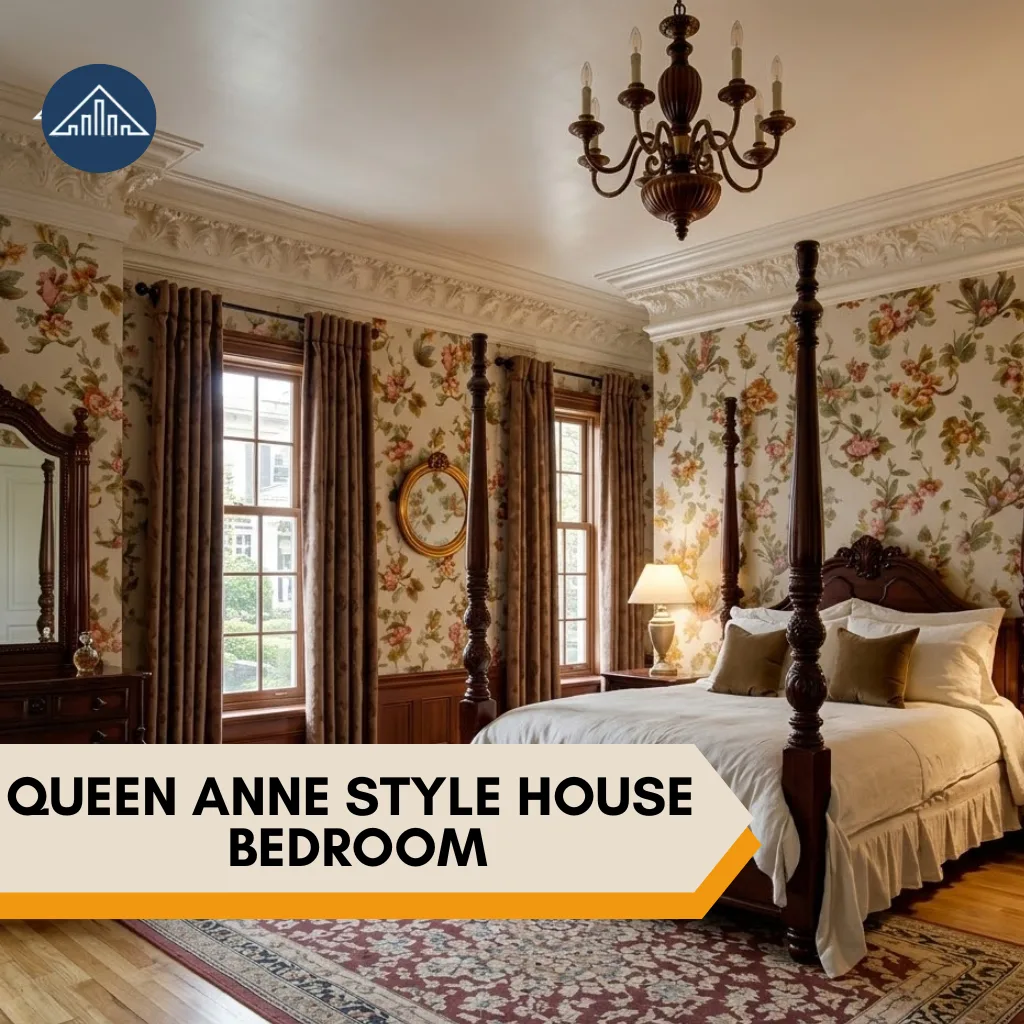
Queen Anne Style House The Bedrooms
With three to five bedrooms, each space offers a unique personality modern builds cannot replicate. The master suite often utilizes the turret, creating a curved sitting alcove bathed in natural light from three sides. Guest rooms feature asymmetrical walls, built-in window seats, and charmingly sloped ceilings. These rooms feel deeply personal, as if the architect designed each one for a specific soul, making the world outside feel miles away.
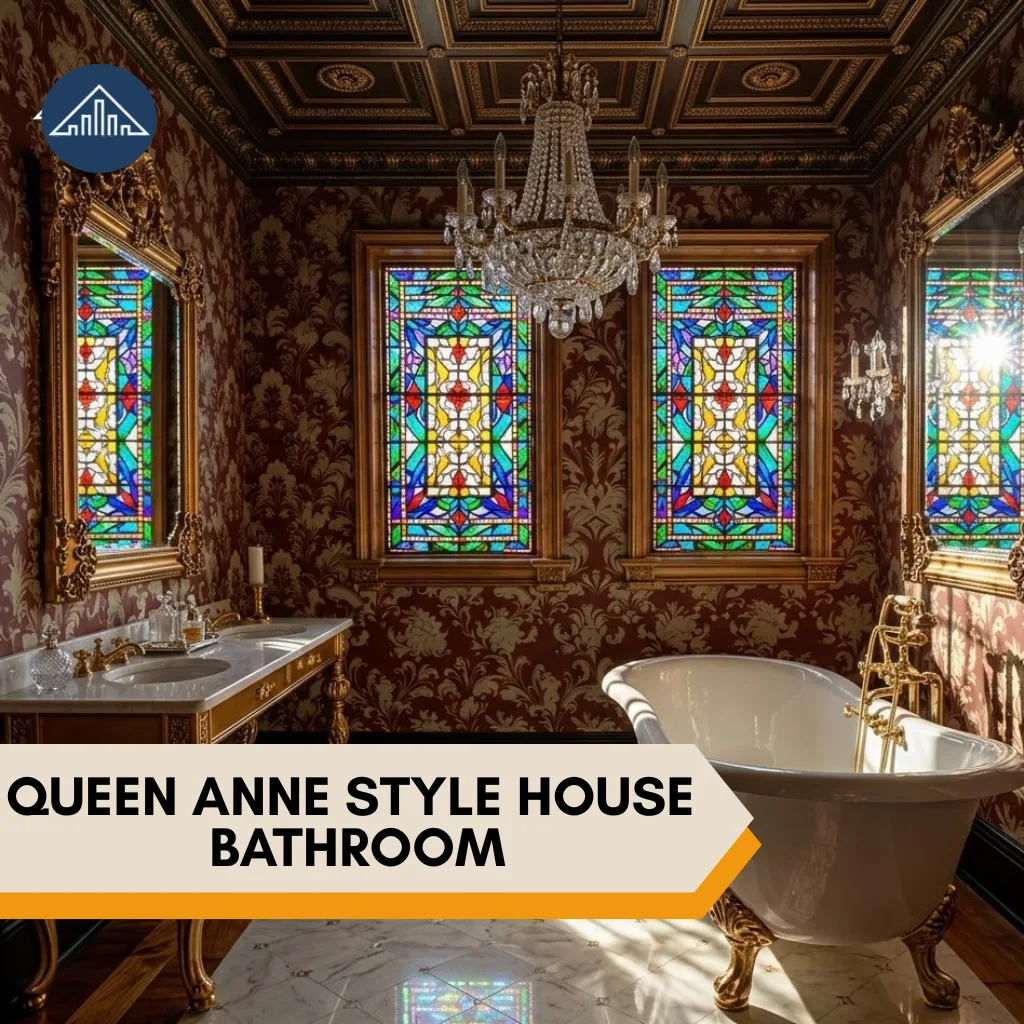
Queen Anne Style House Bathrooms
Restored Queen Anne bathrooms blend historic soul with five-star luxury. Original clawfoot tubs sit near tall windows for natural light, complemented by timeless black-and-white hex tiles and wainscoting. Modern updates often introduce heated floors and rainfall showers while preserving pedestal sinks and beveled mirrors. Typically featuring two full baths and a powder room, these spaces prove that antique charm can perform with the comfort and efficiency of a high-end hotel.
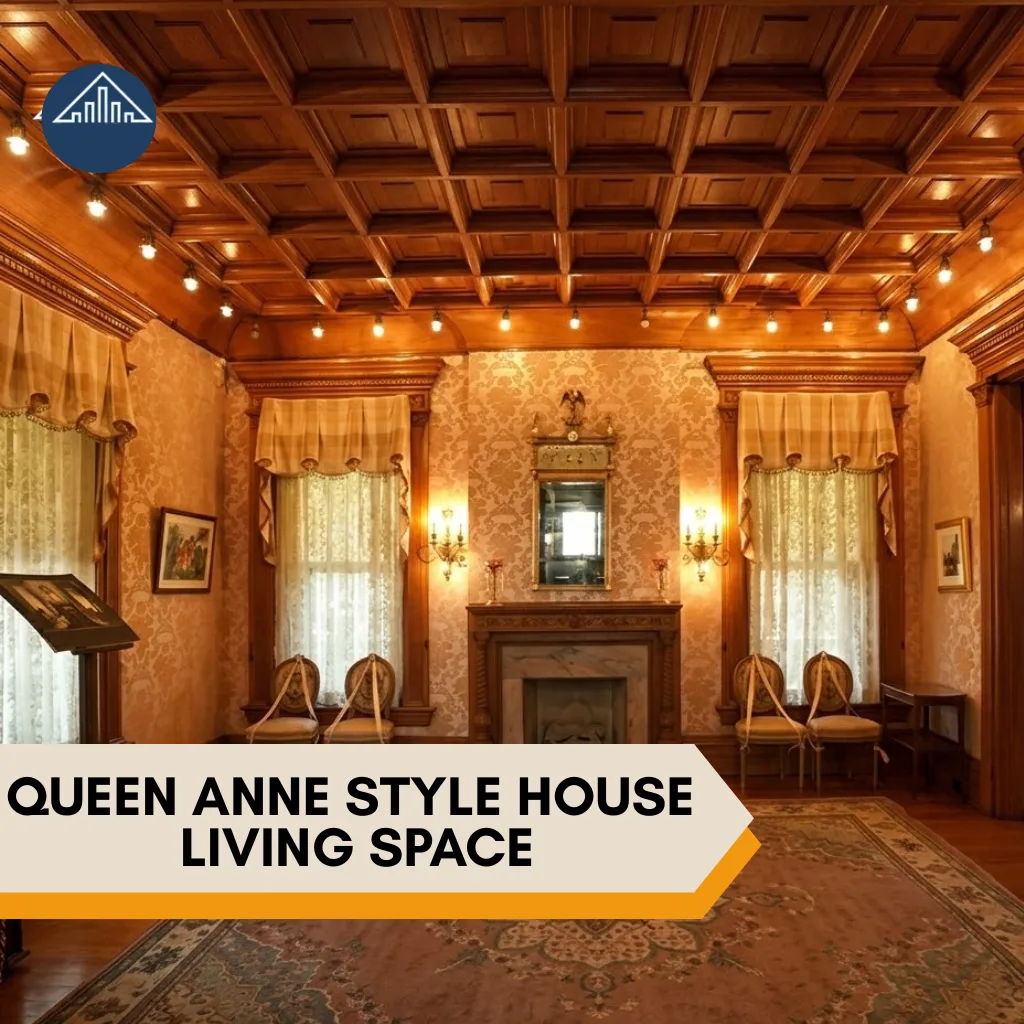
Queen Anne Style House Living Spaces
Unlike boxy traditional layouts, Queen Anne spaces flow asymmetrically around a central staircase. This design makes the home feel like a story, where rooms lead naturally from one to the next. The formal parlor greets guests with rich layers, while arched doorways lead to intimate sitting rooms and dining areas with expansive bay windows. Spanning 2,200 to 4,500 square feet, the interior balance creates a perfect mix of connection and privacy.
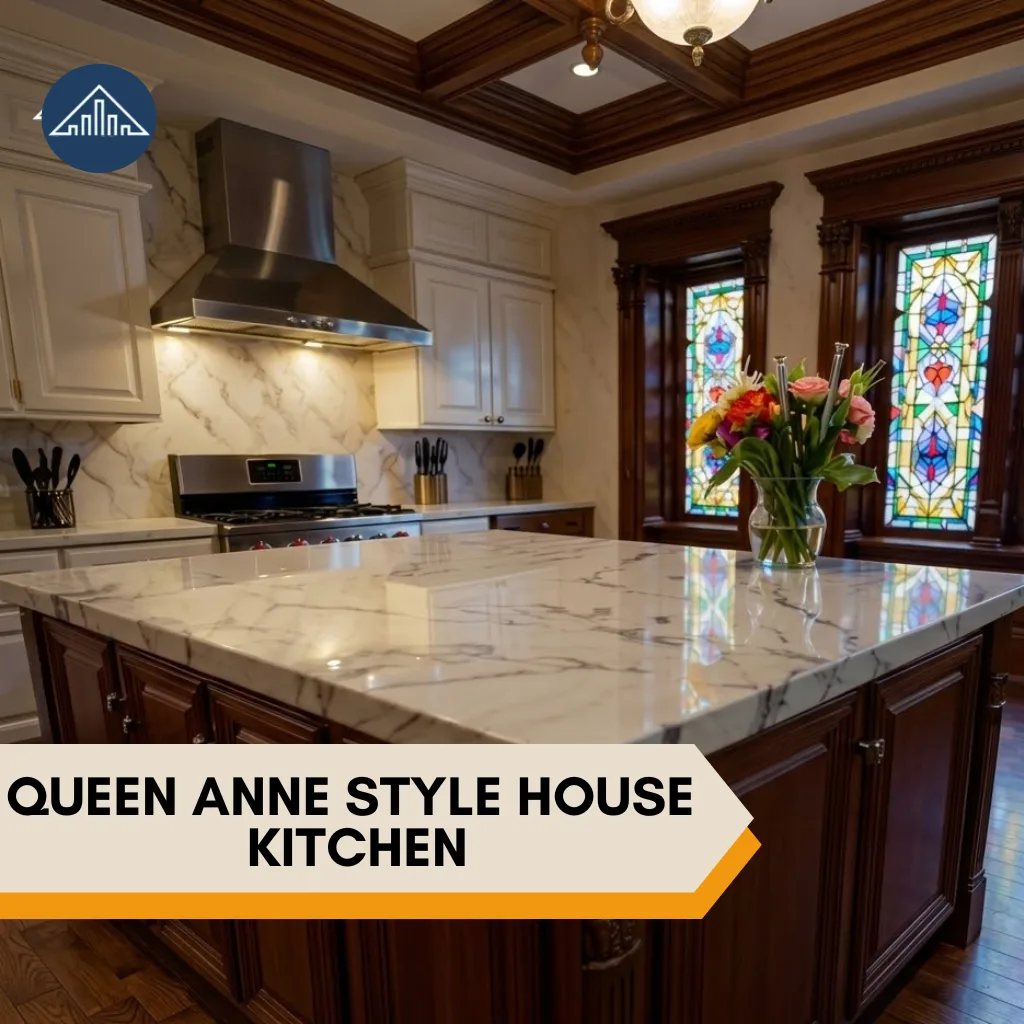
Queen Anne Style House Kitchen
Modern restorations have transformed originally small, functional kitchens into stunning social hubs. Designers keep original cabinetry profiles and deep period colors while hiding high-end appliances behind matching panels. Honed marble counters and farmhouse sinks anchor the room, while a new central island adds a social flow the original staff-focused layouts lacked. It is a warm, lived-in space where the family naturally gathers, blending 19th-century charm with 21st-century functionality.
Queen Anne Style House Special Spaces
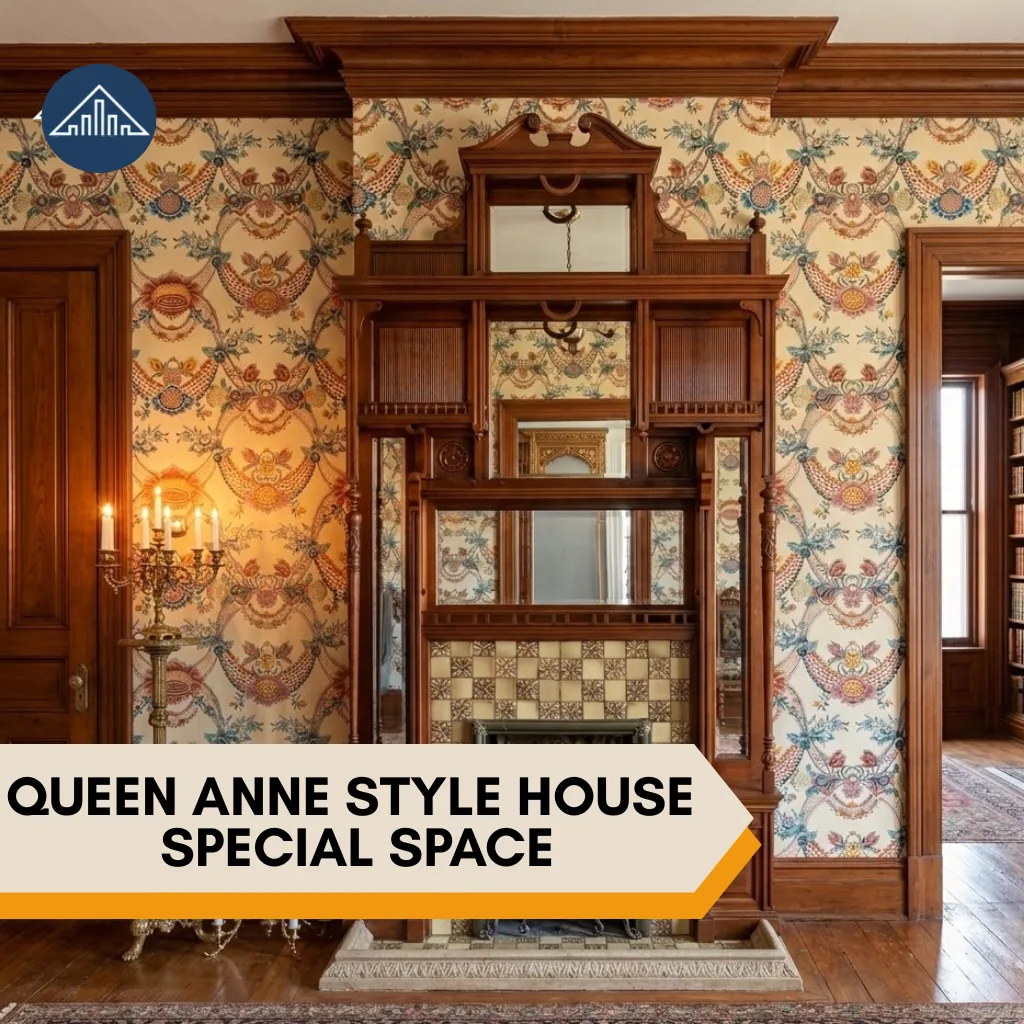
Queen Anne homes feature unique spaces like the iconic turret room, often used as a sun-drenched library with curved shelving. These houses offer rooms with no modern equivalent: cushioned window nooks in dormer recesses, wood-paneled studies with fireplaces, and intimate music parlors. Every home has that one “special room”—a quiet sanctuary tucked away from the main living areas—that eventually becomes the family’s favorite place to escape and unwind.
Queen Anne Style House for Sale?
Buying a Queen Anne means investing in history rather than just square footage. You are acquiring irreplaceable craftsmanship, from intricate spindlework to original stained glass. Prices fluctuate significantly by region, ranging from $280,000 in the Midwest to over $2 million in major coastal cities. Because these homes are often located in historic districts, they tend to appreciate faster than modern builds. When inspecting one, prioritize the condition of the porch, roof, and original woodwork, as these “soulful” details are the most expensive to restore but provide the greatest value.
Queen Anne Style House Plans: Can We Build One Like That?
Modern homeowners can build a brand-new Queen Anne using specialized plans that merge Victorian aesthetics with contemporary functionality. Much like the iconic Ed and Lorraine Warren house, these designs feature classic wraparound porches and corner turrets, while the interiors offer open-concept living suited for today’s lifestyle. High-quality plan packages range from $900 to $3,000, providing all necessary construction documents, including elevation drawings and detailed cross-sections.
Queen Anne Style House vs Victorian: The Clear Difference
It is essential to understand that “Victorian” is a broad umbrella term for various styles built between 1837 and 1910, while Queen Anne is a specific, maximalist sub-style. While all Queen Anne houses are Victorian, not all Victorian homes—such as Italianate or Gothic Revival—are Queen Anne. This style represented the peak of the 19th-century romantic movement, favoring decorative variety over historical accuracy. In the architectural orchestra of the Victorian era, the Queen Anne style is the bold soloist that demands and earns the spotlight through its sheer expressive power.
Queen Anne Style House: The Best City to Find Them
Chicago stands out as a premier destination for those wanting to study Queen Anne architecture in a dense, urban setting. The style flourished there during the late 19th century, leaving a legacy of ornate, eclectic residential designs. To see the best examples, visit neighborhoods like Wicker Park, Logan Square, Beverly, and Pullman, where turrets easily punctuate the city’s flat horizon. Many designers and enthusiasts participate in guided tours through the Chicago Architecture Center to gain inspiration from these historic streets, which showcase the height of the American Victorian movement.
Queen Anne Style House Near Me — How to Find One
Locating a Queen Anne home is simple if you know where to look. Specialized websites like OldHouses.com and keyword-filtered searches on Zillow are excellent starting points for finding active listings. While you won’t find a folkloric Baba Yaga house on these modern maps, the National Register of Historic Places lists thousands of actual Queen Anne properties across the country. Additionally, contacting local preservation societies can reveal off-market opportunities. Sometimes, the most rewarding method is simply driving through neighborhoods established around the turn of the century and watching the rooflines for signature gables.
Frequently Asked Questions About Queen Anne Style Houses
You asked, and I have answered. Here are the most common questions people ask me about Queen Anne style houses — and everything you need to know.
Q1. What are the main features that define a Queen Anne style house?
A Queen Anne house is defined by its dramatic, asymmetrical facade and iconic corner turrets. These homes feature expansive wraparound porches with ornate spindlework, steeply pitched roofs, and varied wall textures like fish-scale shingles. Polychromatic paint and bay windows complete this unmistakable look.
Q2. How much does a Queen Anne style house cost to buy and restore?
Costs range from $180,000 for Midwestern cottages to over $3 million for San Francisco mansions. Restoration adds significant expense, with porch repairs or custom stained glass costing thousands. However, these unique homes typically appreciate faster than modern builds, offering a strong return.
Conclusion
If you’ve made it this far, you already feel it — that quiet pull toward something more meaningful than just walls and a roof. A Queen Anne–style house isn’t just architecture. It’s a commitment to beauty, craftsmanship, and living in a space that actually inspires you every single day.
After every tour I’ve done, I’m reminded why I became a designer in the first place. And I hear it from my clients all the time: “I want that feeling.” The charm, the detail, the character — it’s no surprise this style remains one of the most requested year after year.
If that feeling is speaking to you too, don’t ignore it — there are many more inspiring Celeb Homes and timeless designs waiting to be discovered. 🏡
