Frank Lloyd Wright Houses:Most Architectural Iconic Homes You Need to Visit

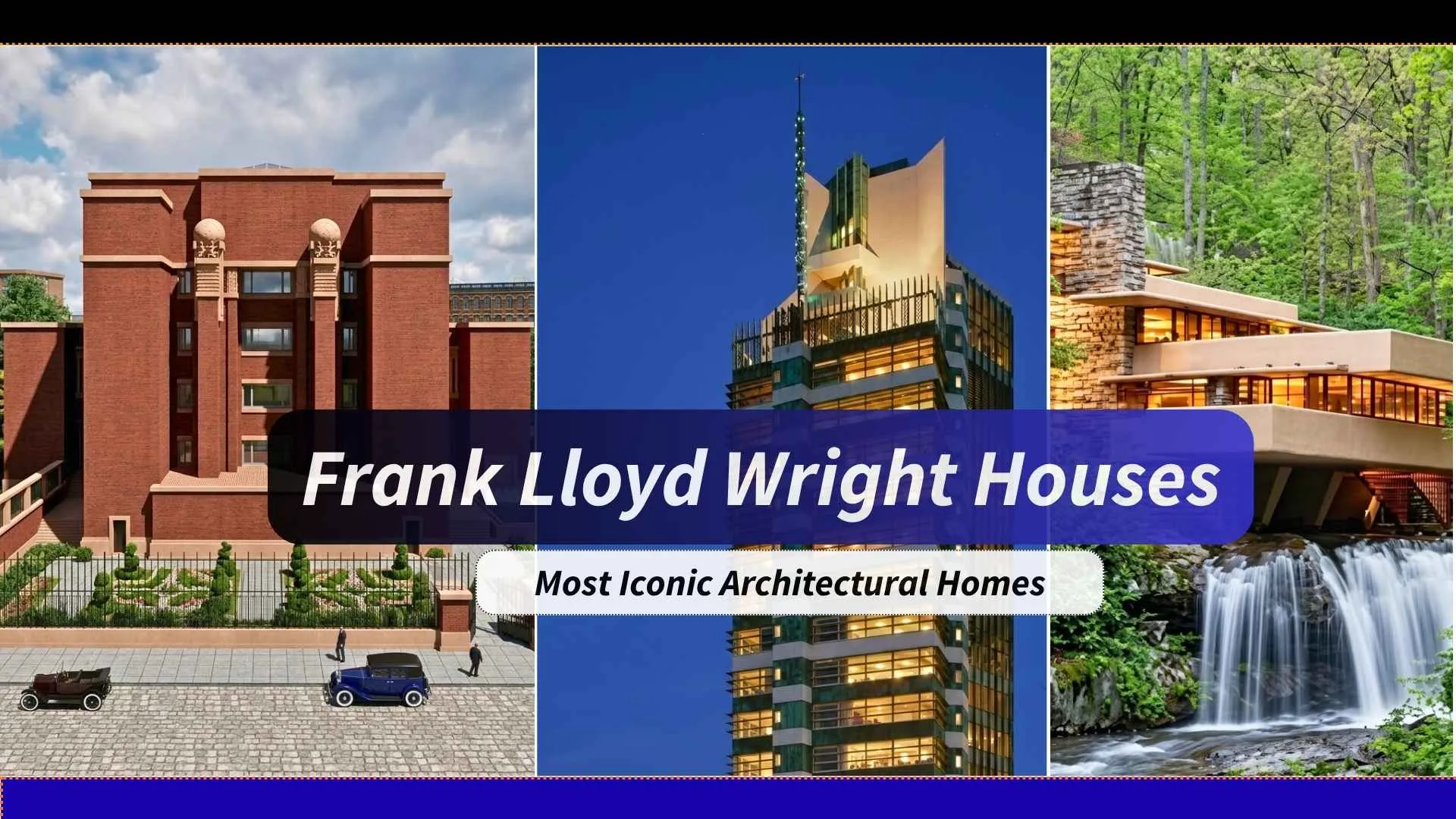
Frank Lloyd Wright changed architecture, designing 1,141 visionary structures of Frank Lloyd with 409 surviving today. His organic buildings blend nature and design across America. While pop culture draws tourists to landmarks like the Shameless Chicago House, Wright’s bold, timeless homes offer unique stories that people still travel globally to experience firsthand.
What Makes Frank Lloyd Wright Houses Special?
Frank Lloyd Wright’s organic architecture dictates that buildings should fit the land, blending natural stone, wood, and glass seamlessly. Unlike whimsical fantasy styles like the Spadena House, Wright’s wall-free, light-filled spaces connect occupants directly to nature. This once-radical approach set a timeless standard, permanently shaping modern, sustainable home design.
My visit to all his remain Architectural houses
As Stefano Schiavon from RivonHome, It took me one and a half years of saving every little penny before I could finally afford to visit Frank Lloyd Wright’s legendary masterpieces across America. I visited Fallingwater in March, Taliesin in June, Guggenheim in September 2024. Each visit left me speechless.
The organic architecture, the flowing spaces, the harmony with nature — nothing compares. Standing inside these homes at golden hour, watching light dance through his signature windows, I finally understood why Wright changed architecture forever. Pure genius in every corner.
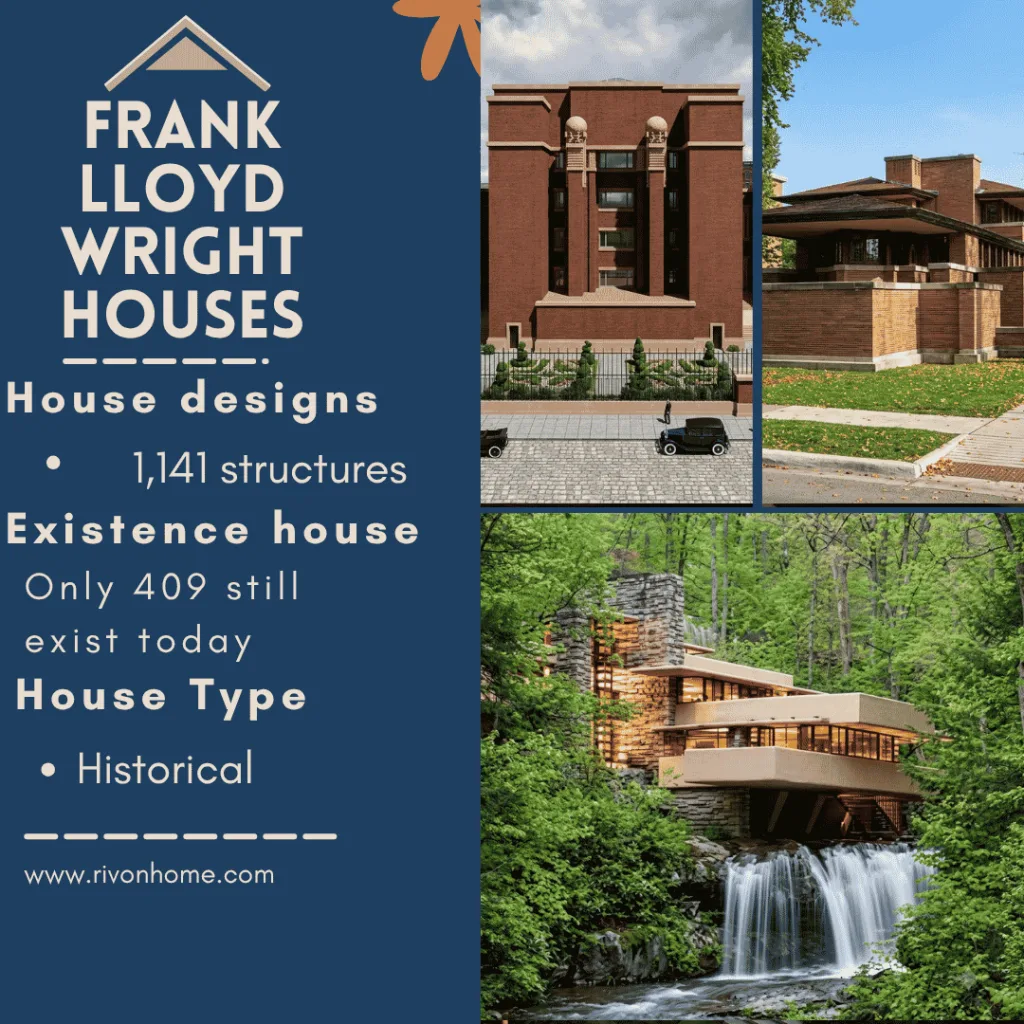
Frank Lloyd Wright House: Masterpieces: Every Breathtaking House
Every Breathtaking Frank Lloyd Wright Houses Most Architectural Iconic Homes You Need to Visit is a stunning visual tribute that explores the legendary architect’s most iconic residential designs. This definitive collection showcases how Wright seamlessly blended nature, art, and innovation to redefine the modern American home.
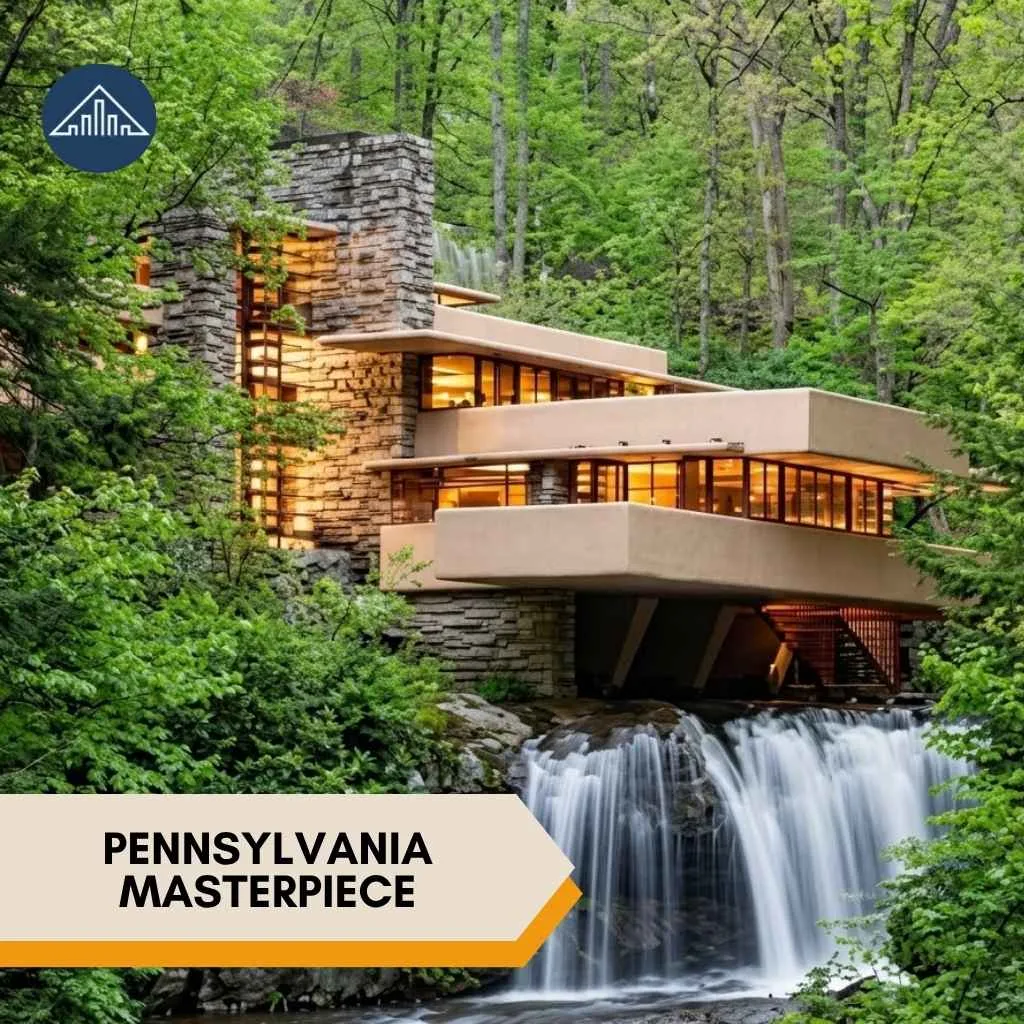
Fallingwater: Pennsylvania Masterpiece 💧
Fallingwater sits dramatically over a waterfall, merging concrete terraces and rushing streams directly into the living experience. Much like how the historic Rimsky-Korsakoffee House relies on an evocative atmosphere to captivate visitors, this 1935 Kaufmann family masterpiece used pure architectural innovation, blending nature and structure to revolutionize residential design forever.
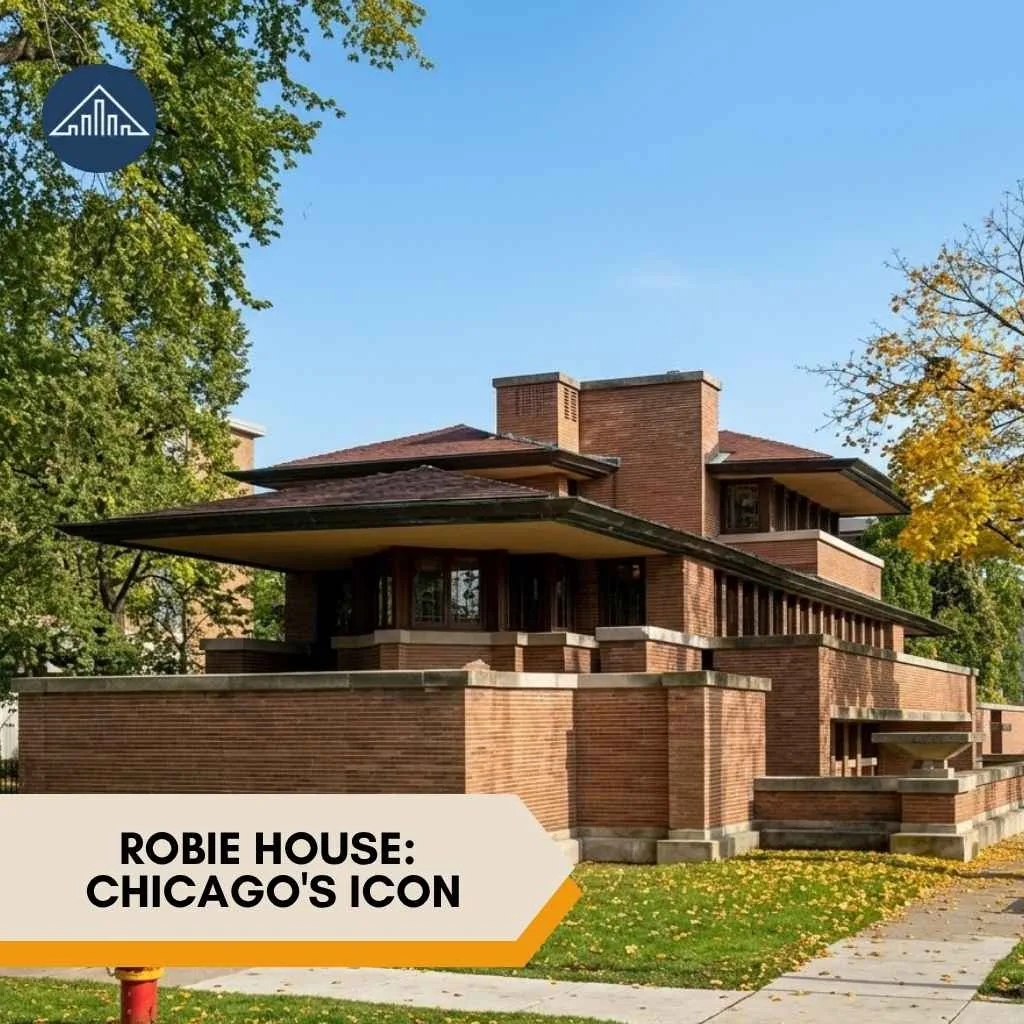
Robie House: Chicago’s Icon
The Robie House represents pure Frank Lloyd Wright brilliance. Built in 1909 for Frederick Robie in Hyde Park. Long horizontal lines dominate the aesthetic completely. The living room stretches across the entire front. Open, flowing spaces showcase his genius perfectly. Overhanging roofs protect the brick and stone walls beautifully here.
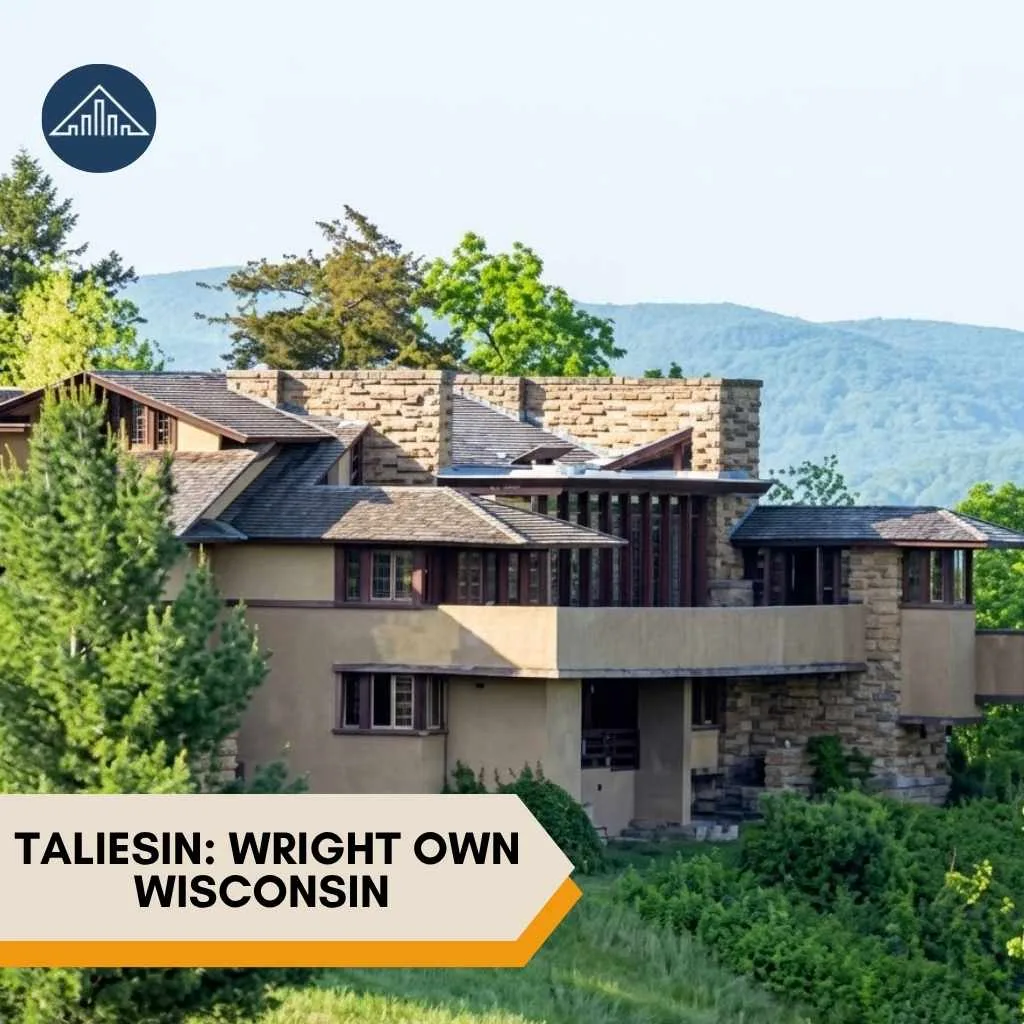
Taliesin: WFrank Lloyd Wright Houses Own Home in Wisconsin 🎨
Taliesin is Wright’s personal masterpiece in rural Wisconsin. He built it in 1911, then rebuilt it twice after fires destroyed everything. The name means “shining brow” in Welsh. Stone walls match local rock formations naturally. Wooden beams frame open spaces around the property. Wright lived here for forty-eight productive years total.
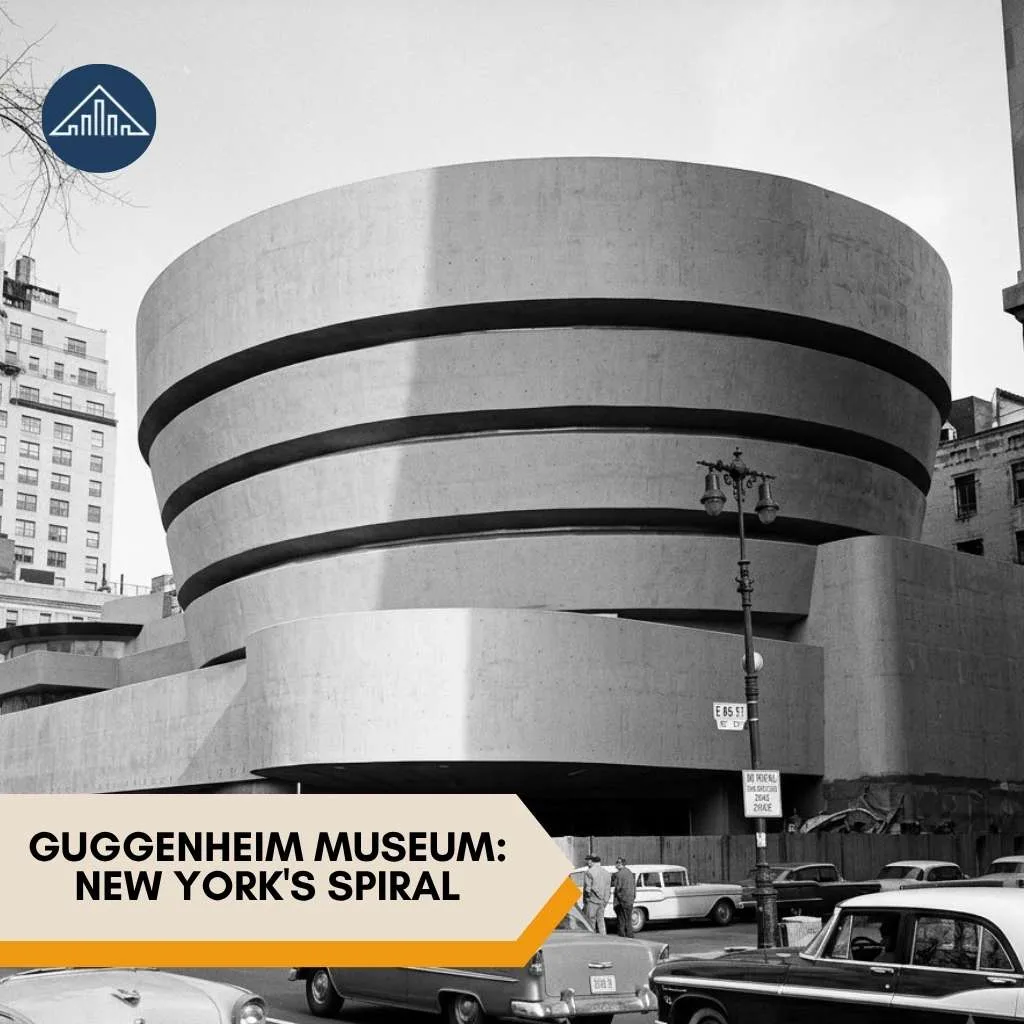
Guggenheim Museum: New York’s Spiral
The Guggenheim Museum showcases Frank Lloyd Wright Houses:Most Architectural Iconic Homes You Need to Visit architectural vision. Built in 1959, this white spiral rises majestically, rejecting the rigid angles and compartmentalized rooms typical of classic Dutch Colonial House designs. Instead, its continuous, cornerless curve lets art and structure flow seamlessly, achieving pure, organic architectural perfection.
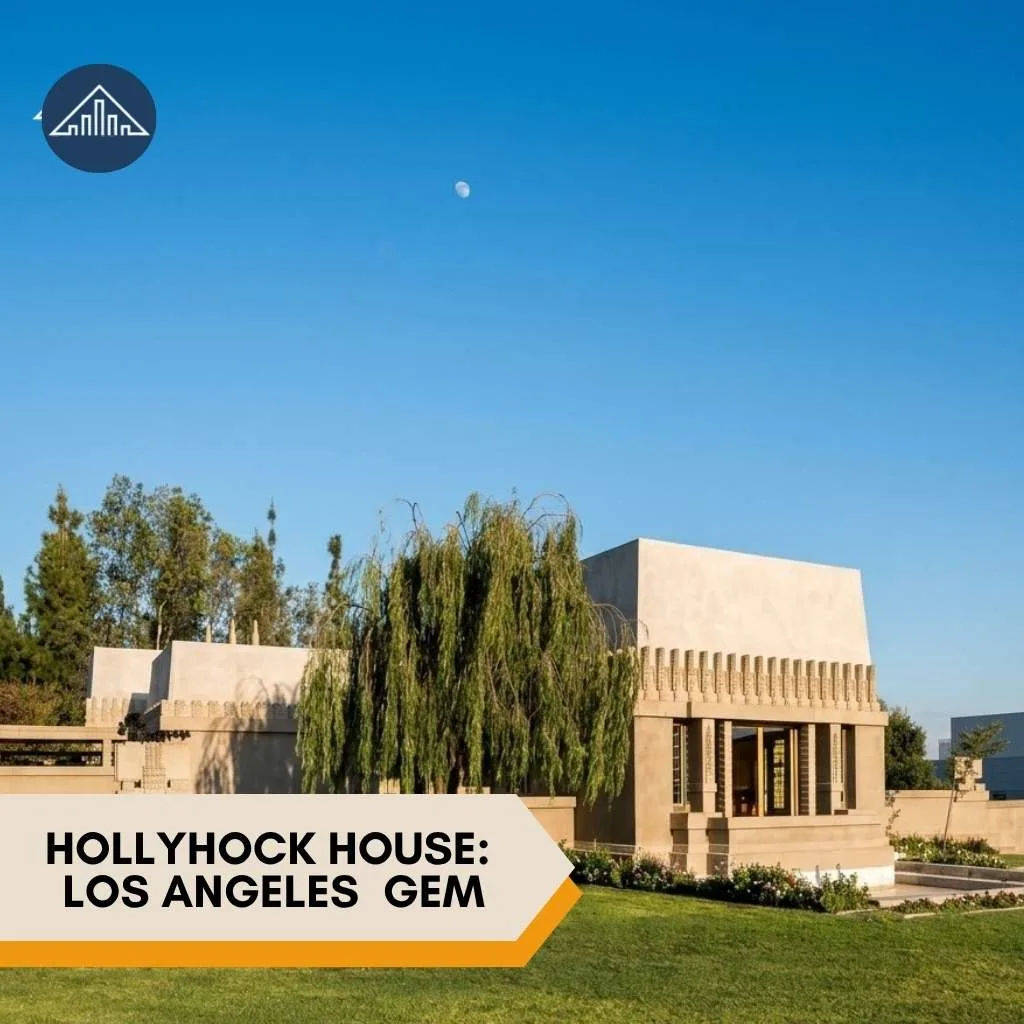
Hollyhock House: Los Angeles Hidden Gem
Hollyhock House sits in Los Angeles showcasing textile block design. Built in 1921 for actress Aline Barnsdall, an oil heiress. Pre-cast concrete blocks create beautiful hollyhock flower patterns. The blocks connect without mortar using Wright’s innovation. Rooms open onto patios and gardens throughout. Water features and terraces overlook the city dramatically below.
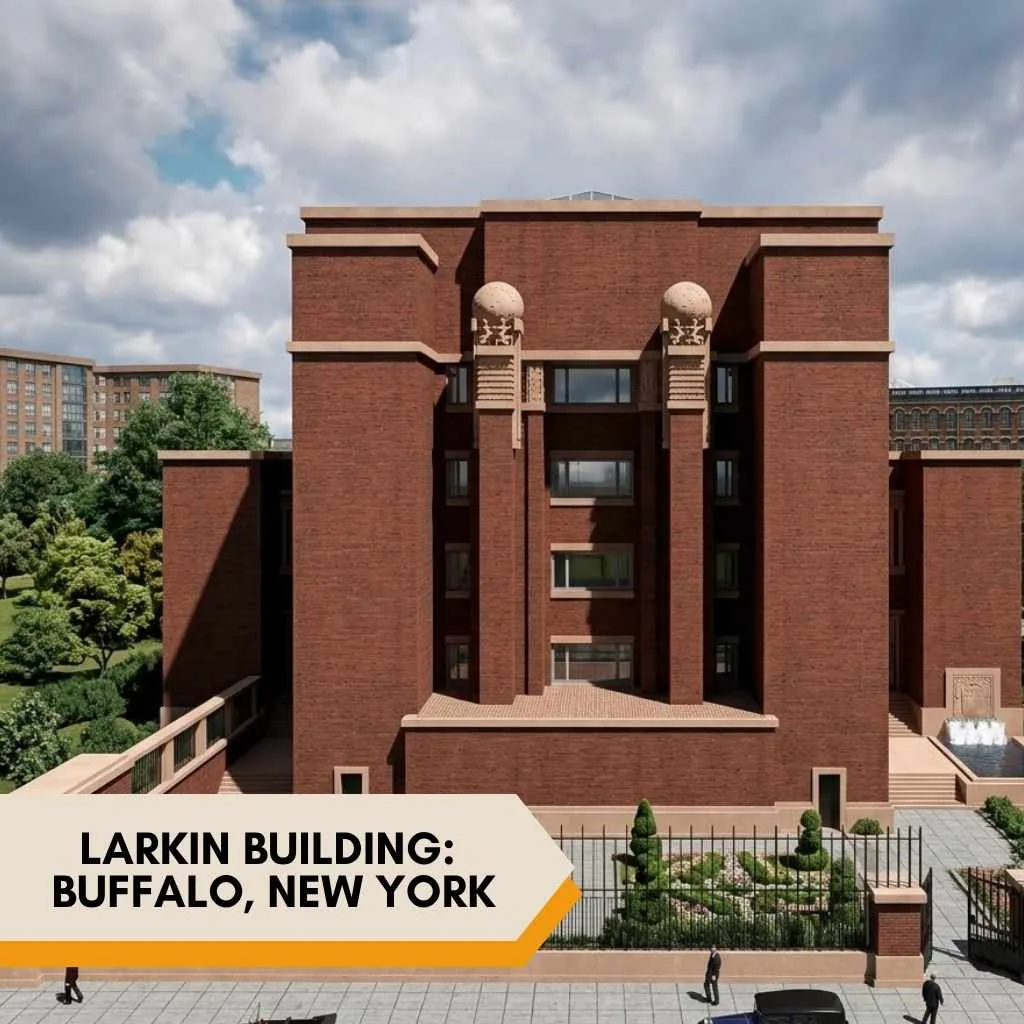
Larkin Administration Building: Buffalo, New York
The Larkin Building revolutionized office design forever in Buffalo. Built in 1906 with an open floor plan for workers. Natural light floods the entire space through massive skylights. Desks arranged on multiple levels boosted worker productivity dramatically. No one had attempted this revolutionary design approach before. Demolished in 1950, but photographs survive showing its brilliance endlessly.
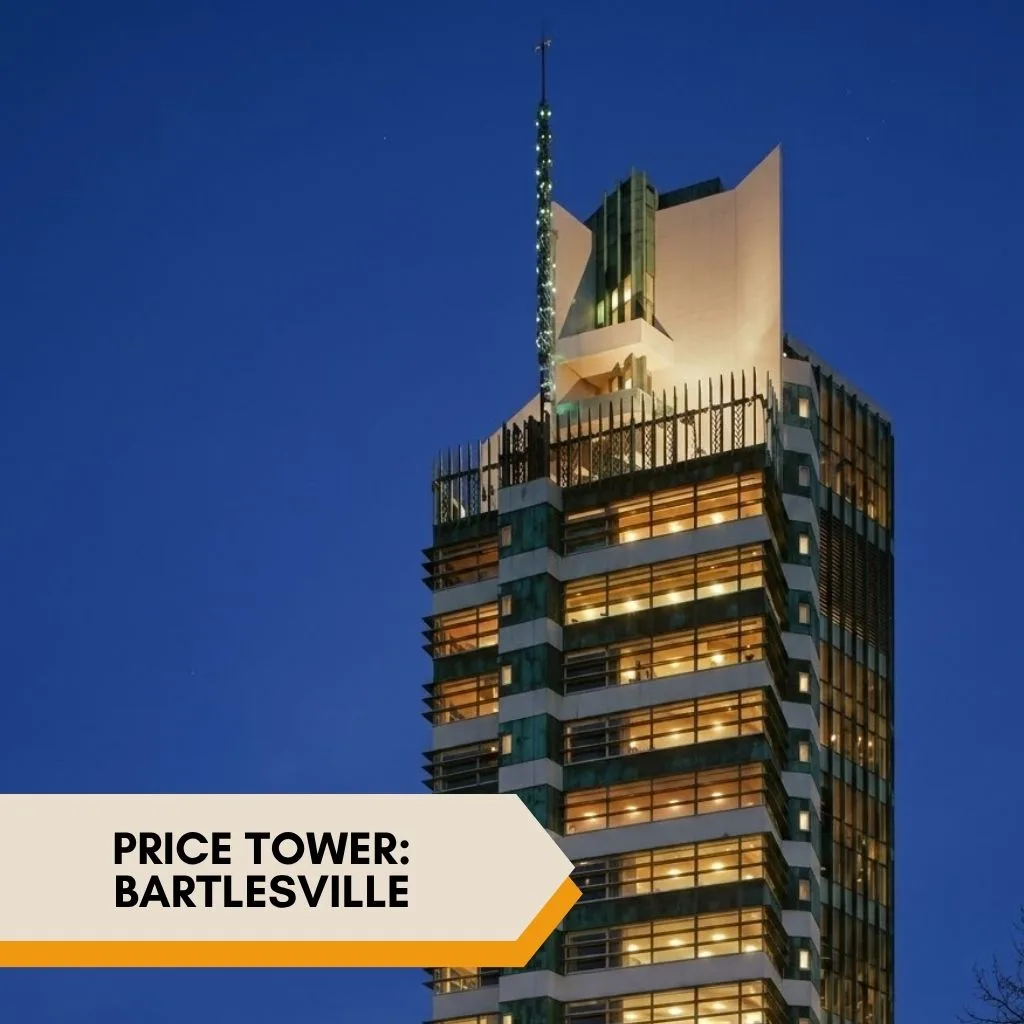
Price Tower: Bartlesville, Oklahoma
Price Tower stands nineteen stories tall in Bartlesville, Oklahoma. Built in 1956, it’s Wright’s only skyscraper design ever. Four wings extend from a central core beautifully. Each wing tapers gracefully as it rises upward. Copper siding covers the exterior protecting interior spaces completely. The design looks like a tree with branches extending naturally.
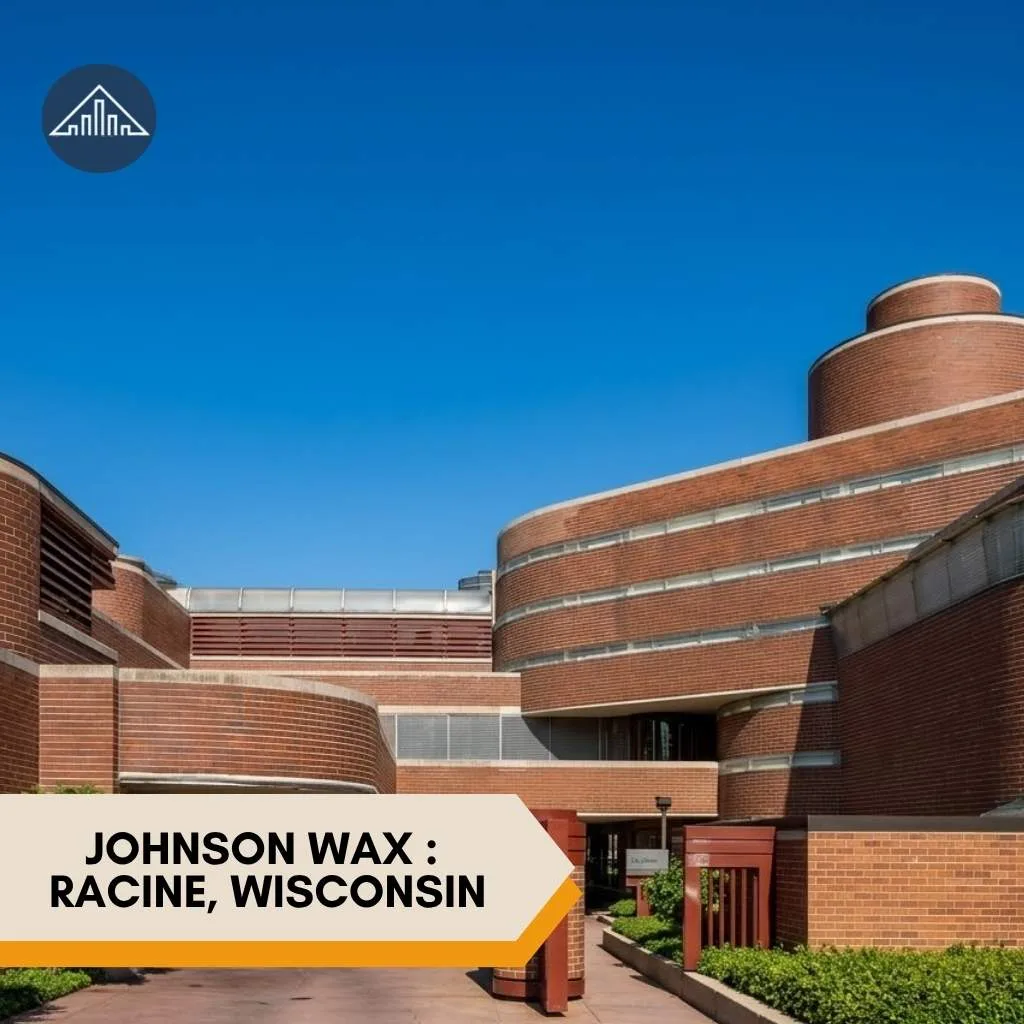
Johnson Wax Headquarters: Racine, Wisconsin
The Johnson Wax building is magical in Racine, Wisconsin. Built in 1939, a factory that looks like a palace. Red brick and clear tubing create the unique walls. Tubes support the roof instead of traditional columns underneath. Natural light pours through skylights making the space feel alive. Employees loved working there, and production actually increased significantly.
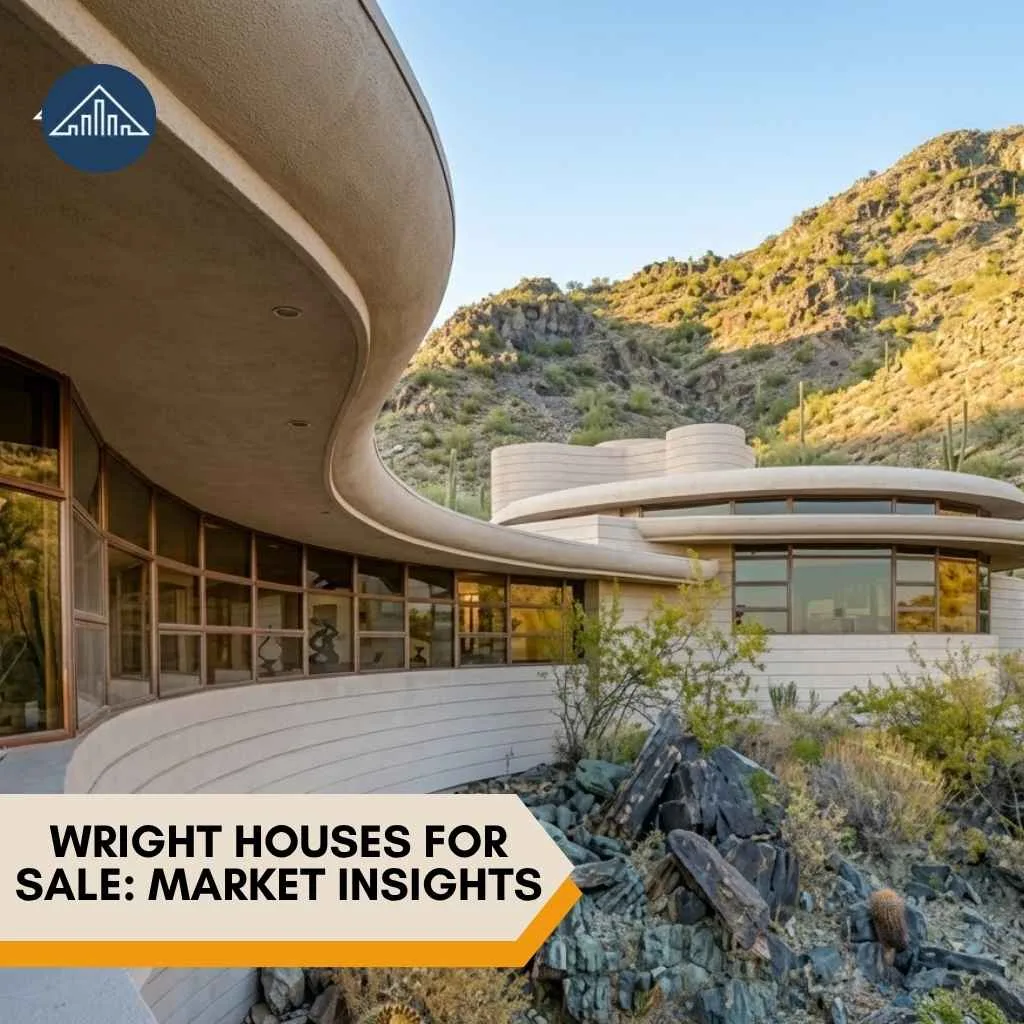
Frank Lloyd Wright Houses for Sale: Market Insights
Finding a Wright house for sale remains genuinely rare today. When they appear on the market, prices are extremely high. A small Wright home costs one million dollars minimum. Larger homes sell for three to five million dollars easily. Historic preservation adds significant costs to ownership expenses. But ownership of architectural history proves priceless beyond measure always.
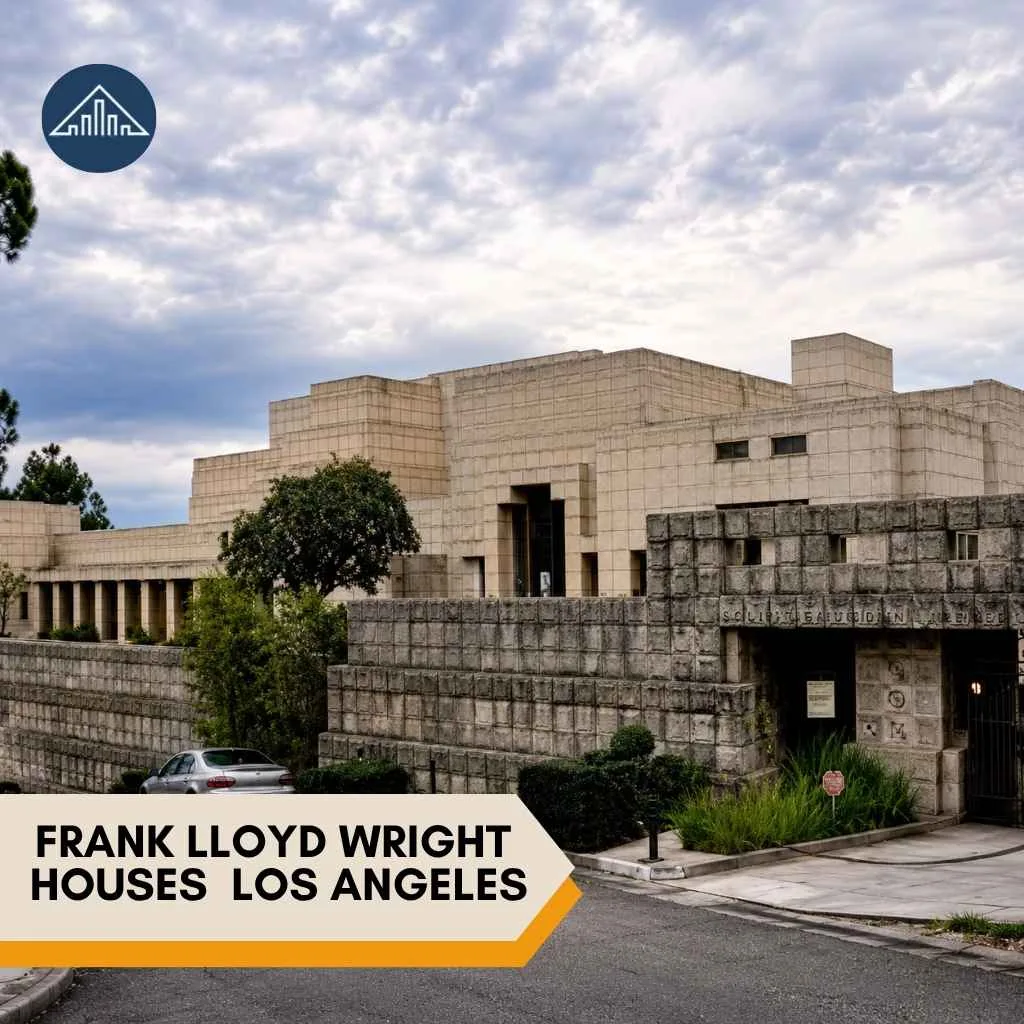
Frank Lloyd Wright Houses in Los Angeles
Los Angeles has several stunning Frank Lloyd Wright residences. Hollyhock House is the most famous property in the area. Two houses in Beverly Hills showcase his innovative style. The Storer House uses textile blocks with concrete patterns. Another small residence demonstrates his efficiency with limited space. The Freeman House showcases textile block design beautifully in Pasadena.
How to Visit Frank Lloyd Wright Houses
Many houses are open for public tours with advance booking. Check individual websites for specific hours and reservations. Fallingwater requires advance booking due to high demand. Robie House offers regular group tours year-round. Taliesin runs seasonal visits throughout the beautiful spring months. Professional guides explain his design methods and architectural genius. Tours usually last sixty to ninety productive minutes each time.
Frank Lloyd Wright’s Design Principles Explained
Discover how Frank Lloyd Wright revolutionized architecture through organic design, harmony with nature, and functional, open-space innovation.
Organic Architecture
This means buildings fit their natural surroundings. Not imposed on the land. The structure becomes part of nature. Windows frame views like art galleries. Materials come from local sources. The building breathes with seasons. Temperature and light change naturally inside.
Open Floor Plans
Rooms flow into each other. Walls don’t divide spaces harshly. Furniture defines areas instead. Movement feels natural and continuous. You see across entire homes. Sightlines carry attention outward. Small homes feel bigger this way.
Natural Materials
Wright rejected plastic and fake finishes. Brick, stone, and wood age beautifully. Concrete creates sculptural forms. Materials express their true nature. A wall shows its wood grain. Brick displays its color variation. This honesty creates beauty.
Human Scale
Buildings serve people, not egos. Ceilings match human proportions. Doorways fit bodies comfortably. Furniture integrates into architecture. Every detail has functional purpose. Nothing is decorative only. Form follows function always.
Frank Lloyd Wright Houses Life and Career
Born in 1867, Frank Lloyd Wright merged nature with architecture. After learning from Louis Sullivan, he launched his own 70-year practice, designing hundreds of homes. Despite controversy and radical ideas, his timeless, organic buildings proved his genius. Today, his enduring influence still shapes modern architecture and inspires new generations worldwide.
FAQ: Frank Lloyd Wright Houses
Dive into the most frequently asked questions about Frank Lloyd Wright’s revolutionary residential architecture and iconic organic designs. This comprehensive guide explores the structural innovations, preservation efforts, and timeless principles behind his most famous homes.
Frank Lloyd Wright Houses for Sale – Where Can I Find Them?
Finding Wright houses requires patience and connections. Real estate agents help. Auctions feature properties. The Foundation provides lists. Expect high prices.
Take: Ethos Answer from Reddit:
I spent three years finding Wright cottages. Restoration cost $200,000 but was worth it. Living in his design feels priceless.
Frank Lloyd Wright Houses Los Angeles – Which Ones Can You Tour?
Hollyhock House is the main LA location. The Storer House opens for special events. Freeman House in Pasadena offers tours. Book ahead because spots fill fast.
Take: Ethos Answer from Reddit:
I grew up near Hollyhock House. Visited it dozens of times. The textile blocks never get old. Each visit reveals his genius.
Frank Lloyd Wright Houses in Michigan – What’s Worth Visiting?
Meyer May House in Grand Rapids is exceptional. It shows his Prairie style perfectly. The restoration maintains his original vision. Tours happen regularly with expert guides.
Take: Ethos Answer from Reddit:
Meyer May House changed my career completely. Seeing organic architecture shifted my design philosophy. I recommend it to every student.
Frank Lloyd Wright Houses in PA – Is Fallingwater Really That Special?
Fallingwater exceeds everyone’s expectations completely. The waterfall beneath creates pure magic. Photos can’t capture this actual experience. Being under the cantilevers feels impossible.
Take: Ethos Answer from Reddit:
I’ve seen pictures a hundred times. Standing under that cantilever was different. I literally cried. It was that powerful.
Frank Lloyd Wright Houses Los Angeles Open to Public – Current Hours?
Hollyhock House operates daily for tours. Hours vary seasonally so check ahead. Other homes open for special events. Call ahead for current availability today.
Take: Ethos Answer from Reddit:
Most visitors underestimate how long they’ll stay. Plan two hours minimum for exploration. The textile block patterns deserve close study. People always want more time.
Frank Lloyd Wright Houses Near Me – How Do I Find Local Examples?
Use the Frank Lloyd Wright Foundation’s database online. Search by city and state easily. Historical societies maintain local lists too. Many communities have at least one.
Take: Ethos Answer from Reddit:
I found three Wright homes nearby. The database showed me exactly where. Now I visit them regularly always. His work is everywhere if searching.
Frank Lloyd Wright Houses in Chicago – Where Should I Start?
Start with the Robie House first. It’s the most accessible for tourists. Unity Temple shows his religious vision. Then explore the Oak Park neighborhood.
Take: Ethos Answer from Reddit:
Growing up here I passed them daily. Taking a tour changed everything completely. Now I see his genius everywhere. Chicago is basically Wright’s museum.
Frank Lloyd Wright Houses in Ohio – Are Any Accessible?
Several Ohio homes accept visitors by appointment. Columbus has notable examples nearby. Cleveland suburbs have residential designs too. You get personal attention from owners.
Take: Ethos Answer from Reddit:
Our local Wright home is rarely crowded. Visitors get one-on-one tours from owners. It’s like discovering a secret place. The intimacy can’t be replicated elsewhere.
Conclusion
Frank Lloyd Wright Houses proved buildings are art, pioneering organic architecture and open floor plans that define modern living. By seamlessly merging nature, beauty, and function, his timeless designs prioritized human needs over ego. Today, these enduring, seventy-year-old structures outperform modern ones and serve as living lessons. Experiencing his visionary work completely transforms your perspective, opening your mind and ensuring you will never look at architecture the same way again.
