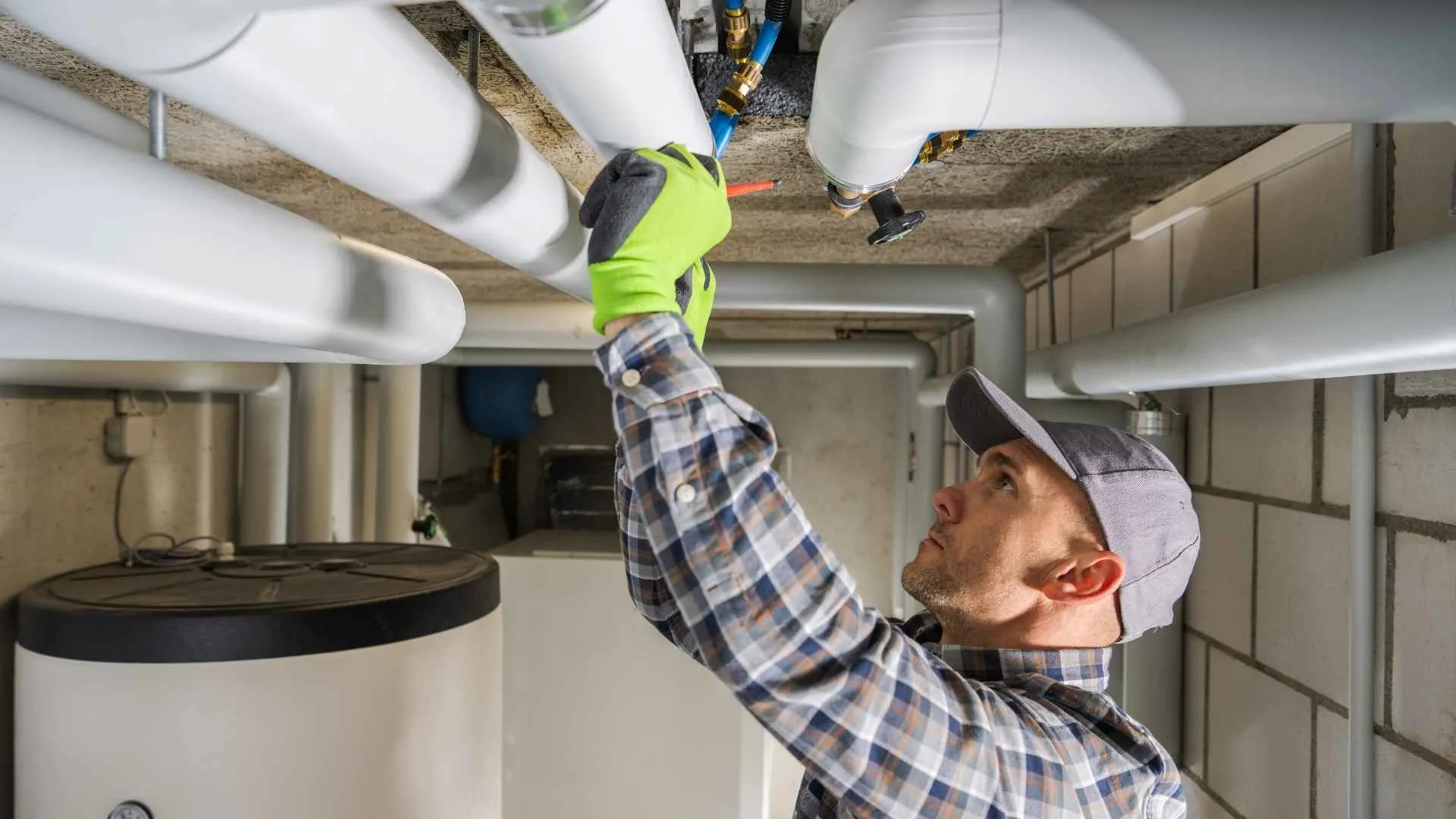
Homeowners dedicate countless hours and significant budgets to perfecting their interior spaces. From selecting the perfect hue of paint to sourcing bespoke cabinetry, designing a home is a labour of love. However, underneath those beautifully curated surfaces lies a complex network of pipes. When left unchecked, hidden plumbing faults can quickly undo all your hard work. In fact, estimates suggest that roughly 30 percent of homes present major structural defects, with hidden plumbing faults being among the most frequent culprits. Proactive maintenance is not just about keeping the water flowing. It is about protecting your financial investment and preserving the aesthetic appeal of your home.
The Silent Threat to High-End Finishes
Water damage is one of the most destructive forces a property can face. In Australia, extreme weather and water-related events cost billions annually, but often, the most insidious damage comes from within the home itself. High-end interior finishes, such as custom hardwood floors and decorative plaster, are highly susceptible to moisture. When water infiltrates these dense materials, drying procedures become complex and highly expensive. For example, restoring water-damaged luxury timber floors can easily cost between $80 and $110 per square metre just for basic sanding and refinishing, and that excludes structural subfloor repairs.
The scale of the problem is frequently underestimated by property owners. The sheer volume of water lost to slow, unseen drips can be staggering. According to the US Environmental Protection Agency, an average household’s leaks can account for more than 9,300 gallons of water wasted every year. This volume of escaped moisture can easily warp expensive baseboards and custom flooring if left unaddressed. Cosmetic quick fixes, such as using gap fillers during a fast room makeover, frequently disguise these slow micro-leaks until catastrophic structural rot occurs.
Invasive elements like tree roots can break into underground pipes and cause severe blockages that threaten your home’s interior. If you notice gurgling sinks or foul odours, it is wise to search for blocked drains near me so a professional can address the issue before it leads to sewage backups. Addressing these problems early prevents the need to tear out affected flooring and drywall later on.
5 Common Plumbing Problems to Watch Out For
To safeguard your interior design, it pays to know exactly what to look for. Here are five hidden plumbing threats that can compromise your home:
- Micro-leaks behind cabinetry: Tiny drips hidden behind bespoke kitchen or bathroom vanity units will silently rot custom skirting boards and MDF panels. Fixing this often requires both a licensed plumber to stop the leak and a carpenter to recreate the damaged design elements.
- Seepage beneath wet rooms: Modern aesthetic wet rooms look incredible, but undetected seepage can compromise acoustic subflooring and yellow tongue particleboard. This hidden moisture will destabilise the entire bathroom structure over time.
- Underfloor moisture: Timber floorboards subjected to unseen moisture from underfloor plumbing leaks suffer from cupping and buckling. This process permanently warps the wood and ruins the sleek aesthetic lines of a room, often requiring complete floor replacement.
- Poor site drainage: Chronic drainage issues can lead to localised soil subsidence beneath a property’s foundation. Over time, this shifting can crack expensive floor tiles, warp door frames, and ruin the alignment of custom built-in furniture.
- Faulty appliance connections: Dishwashers and washing machines often develop slow drips at their connection points. These invisible leaks can rot adjacent cabinetry and seep into subflooring unnoticed.
Protecting Your Bathroom and Kitchen Upgrades
Renovating wet areas like bathrooms and kitchens usually accounts for the largest portion of a home improvement budget. Before laying down new tiles or installing premium fixtures, a thorough plumbing inspection is essential. You want to ensure the underlying infrastructure is robust enough to support your new design for years to come.
For instance, before investing in beautiful upgrades from a modern bathroom flooring ideas guide, it is critical to have a plumber check for hidden leaks. Installing premium materials (like terrazzo, marble herringbone, or luxury vinyl plank) over deteriorating pipes is a recipe for disaster. If a pipe bursts or a slow leak compromises the subfloor, those brand new tiles will need to be ripped up and replaced, ultimately doubling your renovation costs.
Health Risks and Long-Term Structural Care
Beyond the immediate visual ruin of your interior design, unresolved water issues pose significant health hazards. Toxic mould spores can germinate and begin spreading across waterlogged interior surfaces, such as drywall and skirting boards, within just 24 to 48 hours of a leak. Nearly 60 percent of homes possess existing hidden water damage capable of supporting mould growth, often without the homeowner even knowing it.
Protecting your home design investment means treating your plumbing with the same respect as your carefully selected furnishings. Routine inspections, immediate attention to slow drains, and checking for damp spots can save your property from devastation. By addressing invisible plumbing issues early, you ensure that your interior design remains as flawless and pristine as the day it was completed.