A comfortable home is a happy home. We all rely on our plumbing and HVAC systems every day for warmth, cool air, clean water, and proper drainage. But just like a car, these essential systems need regular care to perform their best. Without it, you risk costly breakdowns, higher utility bills, and even safety concerns.
We understand that maintaining your home’s vital systems can seem daunting. This comprehensive guide is here to simplify the process. Our goal is to empower homeowners like you with the knowledge needed to keep your plumbing and HVAC running smoothly, ensuring peace of mind and long-term savings.
We will explore the many benefits of regular maintenance, including how it prevents expensive repairs and extends equipment life. We will also detail specific maintenance tasks for both plumbing and HVAC, discuss how often these services are needed, and explain what to look for in a reliable service provider. By the end, you’ll have a clear roadmap to a more efficient, comfortable, and problem-free home.
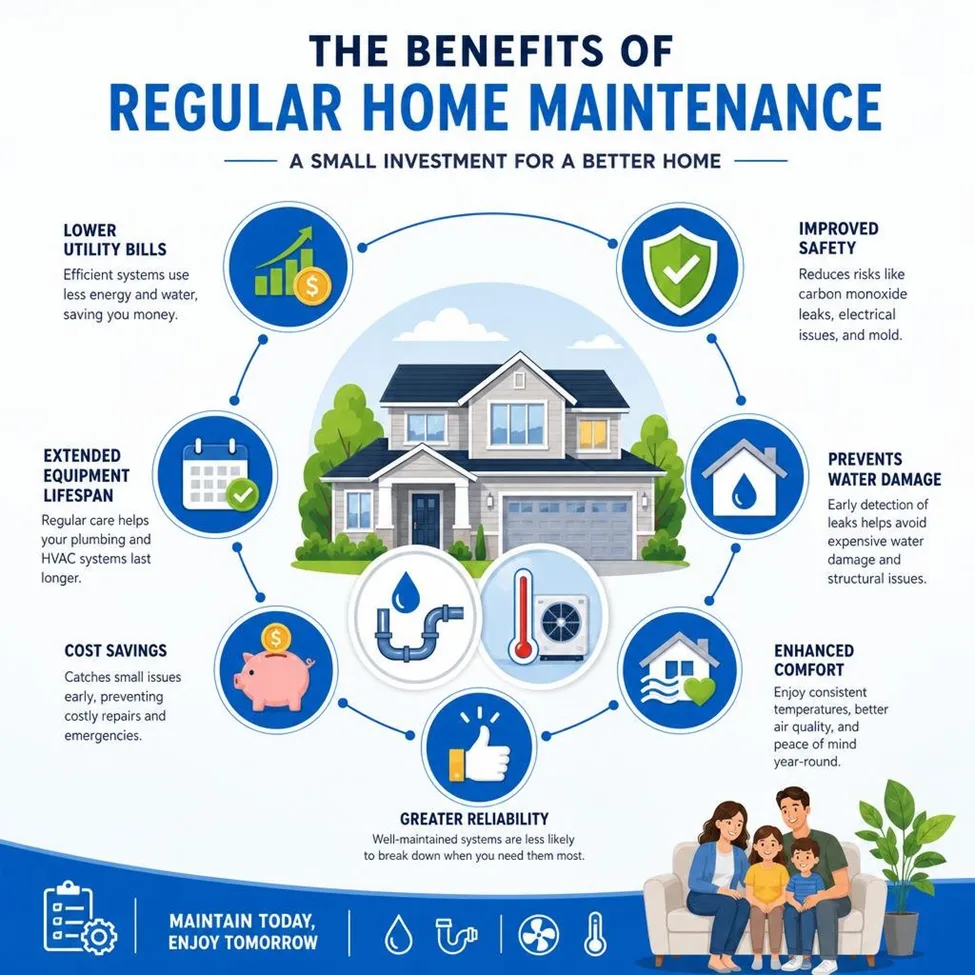
Your home’s heating, ventilation, air conditioning (HVAC), and plumbing systems are the silent workhorses that keep your household running smoothly. While often out of sight, their consistent operation is critical for your comfort, health, and safety. Neglecting these systems can lead to a cascade of problems, from minor inconveniences to major emergencies. Regular maintenance, however, offers a proactive approach that pays dividends in several key areas.
First and foremost, consistent upkeep significantly enhances energy efficiency. Over time, dust, debris, and wear and tear can cause your HVAC unit to work harder to achieve the desired temperature, leading to increased energy consumption and higher utility bills. Similarly, plumbing issues like minor leaks or inefficient water heaters can silently drain your resources. A well-maintained system operates at peak performance, using less energy to deliver the same results.
Beyond efficiency, maintenance plays a crucial role in extending the equipment lifespan. Just like any complex machinery, HVAC units and plumbing components have a finite life, but proper care can push them to their maximum potential. This means fewer premature replacements, saving you substantial costs in the long run.
Cost savings extend beyond just energy bills and equipment replacement. Regular inspections can identify small issues before they escalate into major, expensive repairs. A technician might spot a worn belt in your furnace or a corroded pipe in your plumbing system that, if left unattended, could lead to a complete system failure or extensive water damage.
System reliability is another significant benefit. Imagine your air conditioner failing on the hottest day of July 2026, or your furnace giving out during a cold snap. These emergency situations are not only uncomfortable but often come with premium repair costs. Maintenance helps prevent these untimely breakdowns, ensuring your home remains comfortable year-round.
Furthermore, neglecting these systems can pose safety hazards. A malfunctioning furnace could produce carbon monoxide, an odorless and colorless gas that is extremely dangerous. Electrical issues within an HVAC system can lead to fire risks. For plumbing, undetected leaks can foster mold growth, impacting indoor air quality and potentially causing structural damage. Regular checks by qualified professionals help mitigate these risks, ensuring a safe living environment.
Finally, water damage prevention is a critical aspect of plumbing maintenance. Small leaks can go unnoticed for weeks or months, leading to rot, mildew, and expensive structural repairs. Regular inspections can catch these issues early, protecting your home from costly and inconvenient damage. For a deeper dive into the benefits of comprehensive home maintenance for both plumbing and HVAC systems, you might find valuable insights from resources such as Daigle plumbing and HVAC maintenance.
Why Annual Plumbing and HVAC Maintenance Saves Money
Investing in annual plumbing and HVAC maintenance might seem like an added expense, but it’s a strategic financial decision that yields substantial returns. The primary way it saves you money is by directly impacting your utility bills. When your systems are clean and operating efficiently, they consume less energy. For instance, a dirty air filter can restrict airflow, forcing your HVAC system to work harder and use more electricity. A professional tune-up ensures all components are optimized, reducing unnecessary energy waste.
Perhaps the most compelling financial argument for regular maintenance is its ability to prevent costly emergency repairs. Think of it as preventive medicine for your home. A technician can identify minor issues, such as a loose connection, a small leak, or a failing component, during a routine visit. Addressing these problems early is far less expensive than waiting for them to cause a complete system breakdown, which often occurs at the most inconvenient and expensive times. Emergency repairs typically involve higher labor costs and the stress of immediate disruption.
Moreover, consistent maintenance significantly contributes to lifespan extension for your valuable equipment. Statistics show that routine HVAC maintenance can extend equipment lifespan by a remarkable 25 percent. This means that instead of replacing your furnace or air conditioner every 8-12 years without care, you can expect them to last 15-20 years with proper attention. This effectively doubles the operational life of your most expensive home systems, deferring major capital expenditures for many years.
Consider the following comparison to visualize the financial impact:
Feature Neglected Systems Maintained Systems Energy Consumption Up to 30% higher utility bills Optimized efficiency, lower energy costs Repair Frequency Frequent, often emergency breakdowns Fewer, predictable repairs; proactive issue resolution Repair Cost High, emergency rates, major component replacements Lower, planned repairs; minor part replacements Equipment Lifespan 8-12 years (premature replacement) 15-20 years (extended use) Comfort & Reliability Inconsistent performance, unexpected outages Consistent comfort, reliable operation Safety Risks Increased risk of carbon monoxide, electrical fires Minimized safety hazards Resale Value Potential issues for buyers, lower appraisal Well-documented care, higher home appeal By avoiding premature replacements, minimizing emergency repair costs, and lowering monthly energy consumption, annual maintenance transforms from an expense into a wise investment, safeguarding your home and your budget.
Essential Seasonal Checklists for Home Systems
Understanding the rhythm of the seasons is key to effective home maintenance. Just as you prepare your wardrobe for changing temperatures, your plumbing and HVAC systems require specific attention to handle the demands of spring, summer, fall, and winter. These seasonal considerations are crucial for ensuring optimal performance and preventing unexpected issues.
For instance, a spring AC tune-up prepares your cooling system for the intense summer heat, while a fall heating inspection ensures your furnace or heat pump is ready for the cold months ahead. In winter, pipe freeze prevention becomes paramount, especially in colder climates, and during summer, your AC unit needs to be robust enough to withstand summer heat stress. Being proactive with these seasonal checks not only enhances comfort but also protects your property from potential damage.
Spring and Summer Cooling Care
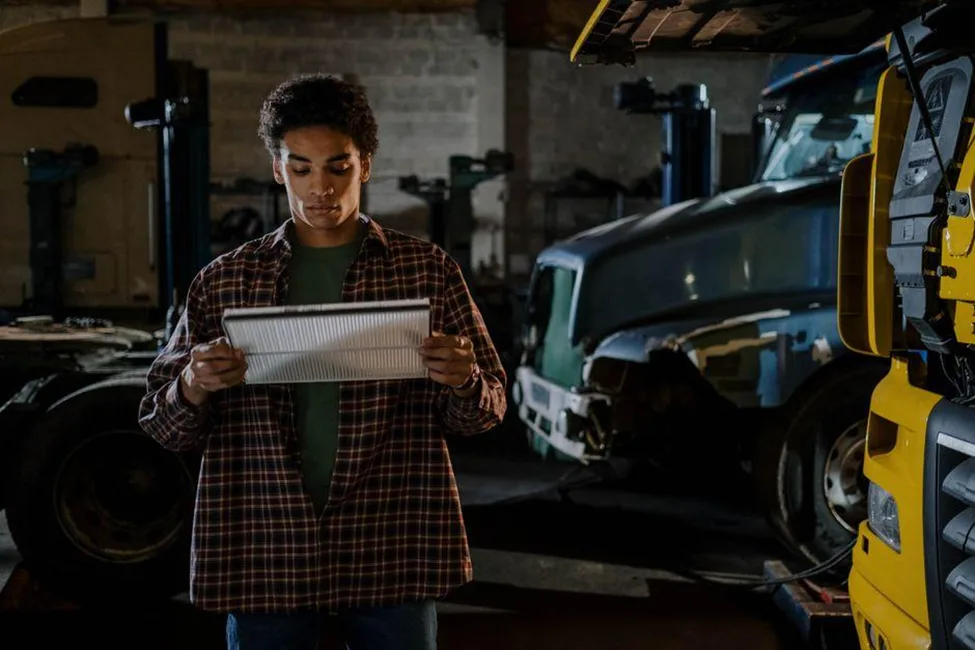
As the temperatures rise and summer approaches, your air conditioning system becomes one of the most critical appliances in your home. A thorough spring tune-up is essential to ensure it operates efficiently and reliably throughout the cooling season. Here are the key tasks involved:
- Clean Condenser Coils: The outdoor unit’s condenser coils can accumulate dirt, leaves, and debris, hindering heat transfer. A professional cleaning ensures they can efficiently release heat, improving performance and energy efficiency.
- Check Refrigerant Levels: Low refrigerant levels can indicate a leak and reduce your AC’s cooling capacity, forcing it to work harder. A technician will check these levels and, if necessary, address any leaks and recharge the system.
- Clear the Condensate Drain Line: The condensate drain removes moisture from your home. If it becomes clogged with algae or debris, it can cause water to back up, leading to leaks, water damage, and even system shutdown. Clearing this line prevents such issues.
- Replace Air Filters: This is a task homeowners can do regularly, but a professional will ensure the correct filter type and size are used. Dirty filters restrict airflow, reduce efficiency, and can impact indoor air quality. Aim to change them every 1-3 months, or more frequently if you have pets or allergies.
- Inspect Electrical Connections: Loose or corroded electrical connections can be a fire hazard and impair system operation. Technicians will inspect and tighten all wiring for safety and efficiency.
- Test Thermostat Programming: Ensure your thermostat is functioning correctly and programmed for optimal energy savings. A professional can verify its accuracy and suggest programming tips for maximum comfort and efficiency.
These steps collectively prepare your AC system for the demands of summer, helping you stay cool without breaking the bank.
Fall and Winter Heating and Plumbing Preparation
As the leaves change and temperatures drop, attention shifts to heating systems and protecting plumbing from the cold. Fall and winter preparation is crucial for both comfort and preventing costly damage.
For your heating system, a professional tune-up typically includes:
- Heat Exchanger Inspection: This component separates combustion gases from the air you breathe. Cracks can lead to dangerous carbon monoxide leaks. A professional will meticulously inspect it for any signs of damage.
- Combustion Safety Test: This test ensures your furnace is burning fuel safely and efficiently, minimizing the risk of carbon monoxide production.
- Ignition System Check: Verifying that the igniter or pilot light is working correctly is essential for reliable furnace startup.
- Blower Motor and Fan Inspection: Ensuring these components are clean and operating smoothly helps maintain proper airflow and efficiency.
On the plumbing side, preparing for colder weather is vital to prevent frozen and burst pipes:
- Pipe Insulation: Insulating exposed pipes in unheated areas like basements, crawl spaces, and attics can significantly reduce the risk of freezing.
- Disconnect Outdoor Spigots: Disconnect garden hoses from outdoor faucets before the first freeze. If your outdoor spigots aren’t “frost-free,” consider turning off the water supply to them from inside your home and draining the lines.
- Water Heater Flushing: Sediment buildup in your water heater can reduce its efficiency and lifespan. Annually flushing your water heater removes these deposits, ensuring it operates effectively and prolongs its life. For more detailed guidance, resources like “Why Flushing Your Water Heater Matters” offer valuable insights.
- Drain Maintenance: Fall and winter often mean more cooking and therefore more potential for grease and food particles to enter drains. Proactive plumbing kitchen drain maintenance can prevent clogs that are harder to deal with in colder weather. This includes avoiding pouring grease down the drain and using drain screens.
By addressing these heating and plumbing tasks before winter sets in, you can enjoy a warm, worry-free home and avoid emergency situations caused by cold weather.
Professional vs. DIY Maintenance Tasks
When it comes to maintaining your home’s complex systems, it’s important to understand the line between tasks homeowners can safely perform and those that require the expertise of a trained professional. While some basic upkeep can be handled with a DIY approach, there are significant DIY limits that should be respected to ensure safety, preserve equipment, and maintain manufacturer warranties.
Attempting complex repairs or inspections without the proper knowledge or specialized tools can lead to serious safety risks, including electrical shocks, gas leaks, or water damage. Furthermore, many HVAC and plumbing systems have intricate components that, if mishandled, can cause more harm than good, potentially voiding your warranty and leading to expensive professional repairs down the line. Professional technicians possess the training, certifications, and specific tools required to diagnose and fix issues correctly, ensuring your systems operate safely and efficiently. They also understand the nuances of warranty preservation, knowing exactly what services are required to keep your equipment protected by the manufacturer.
When to Schedule Professional Plumbing and HVAC Maintenance
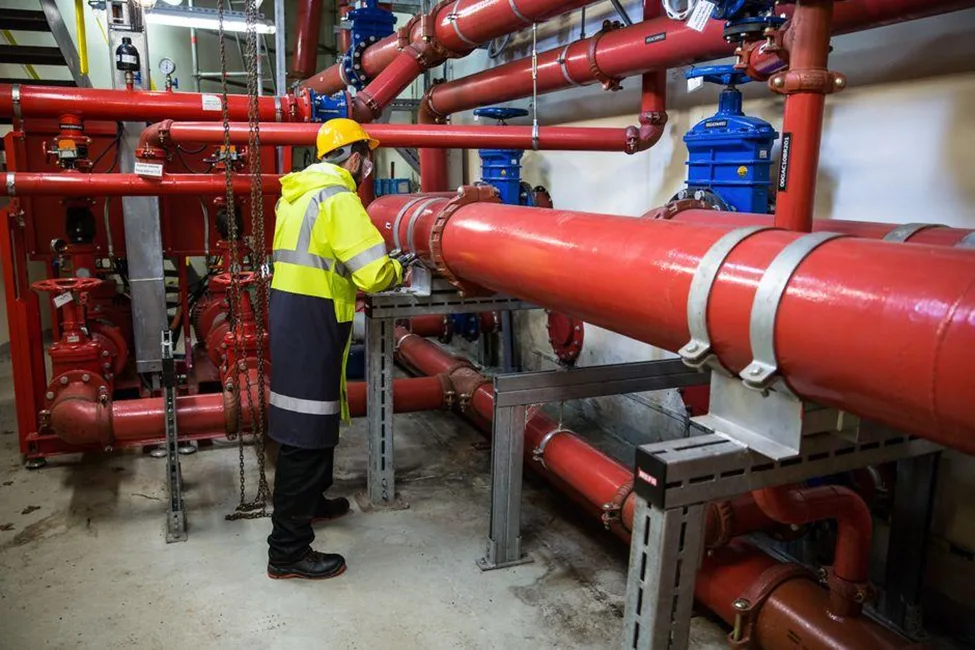
Certain maintenance tasks are best left to the experts. These are typically complex, involve specialized equipment, or carry inherent safety risks. Scheduling professional services for these items ensures thoroughness, safety, and compliance with manufacturer guidelines.
For HVAC systems, professional maintenance often includes:
- Electrical Connections Inspection: Technicians will check, tighten, and test all electrical connections within your HVAC unit to prevent fire hazards and ensure consistent power flow.
- Combustion Analysis: This critical test, especially for gas furnaces, measures the efficiency of the combustion process and detects dangerous carbon monoxide emissions. It requires specialized equipment and expertise.
- Refrigerant Level Adjustment: Only a certified HVAC technician can accurately measure and adjust refrigerant levels, which are crucial for AC performance and energy efficiency.
- Thorough Component Inspection: This includes checking the compressor, fan motors, coils, and other vital parts for wear and tear, lubrication needs, and proper operation.
For plumbing systems, professional maintenance often involves:
- Water Pressure Testing: High water pressure can damage pipes and appliances, while low pressure can indicate underlying issues. A plumber can accurately test and adjust your home’s water pressure.
- Sewer Line Inspection: Using specialized video cameras, plumbers can inspect your sewer lines for blockages, cracks, or tree root intrusion, preventing major backups.
- Leak Detection: While you can spot obvious leaks, professionals have tools to detect hidden leaks behind walls or under floors, preventing extensive water damage.
- Water Heater Inspection and Flush: Beyond a simple flush, a professional will inspect the anode rod, heating elements, and pressure relief valve for proper function and safety.
- Fixture and Appliance Checks: A comprehensive plumbing inspection includes checking all faucets, toilets, and water-using appliances for leaks, drips, and proper operation.
- Backflow Prevention Testing: If your home has a backflow prevention device, it needs annual testing by a certified plumber to ensure it’s protecting your drinking water from contamination.
These detailed inspections and adjustments provide professional diagnostics that can uncover potential problems long before they become emergencies, saving you stress and significant repair costs.
Simple Maintenance Tasks Homeowners Can Do
While professional maintenance is indispensable, there are many simple tasks homeowners can perform regularly to keep their plumbing and HVAC systems in good working order. These DIY maintenance tasks are typically low-risk, require minimal tools, and can significantly contribute to your home’s overall efficiency and longevity.
Here’s a list of monthly homeowner maintenance tasks you can easily incorporate into your routine:
- Filter Replacement: Regularly changing your HVAC air filters is perhaps the easiest and most impactful DIY task. Dirty filters restrict airflow, reduce efficiency, and degrade indoor air quality. Check them monthly and replace them every 1-3 months, or more frequently if you have pets or allergies.
- Clearing Debris: Keep the area around your outdoor AC unit clear of leaves, grass clippings, and other debris. This ensures proper airflow and prevents the unit from overheating.
- Simple Drain Cleaning: For slow drains, try pouring a mixture of baking soda and vinegar, followed by hot water, to clear minor clogs. Avoid harsh chemical drain cleaners, as they can damage pipes over time.
- Checking for Leaks: Periodically inspect visible pipes under sinks, around toilets, and near appliances for any signs of drips or moisture. Catching small leaks early can prevent water damage and mold growth.
- Monitoring Utility Bills: Keep an eye on your energy and water bills. A sudden, unexplained spike could be an early indicator of an inefficient HVAC system or a hidden plumbing leak.
- Test Smoke and Carbon Monoxide Detectors: While not directly HVAC or plumbing, these detectors are crucial for safety, especially with gas-fired appliances. Test them monthly and replace batteries annually.
- Clean Garbage Disposal: Run cold water and a few ice cubes through your garbage disposal, followed by citrus peels, to clean the blades and remove odors.
- Inspect Toilet for Leaks: Add a few drops of food coloring to your toilet tank. If the color appears in the bowl without flushing after 15-20 minutes, you have a silent leak that’s wasting water.
By consistently performing these simple checks, you can help maintain your systems, catch minor issues before they escalate, and contribute to a more efficient and comfortable home environment.
Frequently Asked Questions
Homeowners often have common concerns about the best practices for maintaining their plumbing and HVAC systems. Understanding how often to schedule services, recognizing warning signs, and evaluating the benefits of service agreements are crucial for making informed decisions.
How often should I schedule plumbing and HVAC maintenance?
The general recommendation for HVAC systems is bi-annual visits, typically a tune-up in the spring for your air conditioning unit and another in the fall for your heating system. This ensures both systems are prepared for their peak operational seasons. For plumbing, annual inspections are highly recommended. A yearly check-up can identify minor issues like leaks, corrosion, or sediment buildup in water heaters before they become major problems. Therefore, aim for two HVAC checks and one comprehensive plumbing inspection each year to maintain optimal system health.
What are the signs that my systems need immediate repair?
Being aware of the warning signs that indicate a need for immediate repair can save you from extensive damage and discomfort. For HVAC systems, look out for:
- Strange noises: Grinding, squealing, banging, or rattling sounds from your furnace or AC unit.
- Weak airflow: Air coming from vents that is less powerful than usual.
- Unusual odors: Burning smells from your furnace, or a musty odor from your AC.
- Lack of heating or cooling: The system runs but doesn’t produce the desired temperature.
- Sudden bill spikes: An unexplained increase in your energy bills without a change in usage.
For plumbing systems, warning signs include:
- Persistent drips or visible water leaks: Even small leaks can waste significant water and cause damage.
- Slow drains or frequent clogs: Indicates a blockage that could lead to a backup.
- Low water pressure: Could signal pipe issues or a problem with your water supply.
- Discolored water: Rust or sediment in your water supply.
- Sudden drop in water heater performance: Water not getting hot enough or running out quickly.
- Gurgling sounds from drains or toilets: May indicate a vent or sewer line issue.
If you notice any of these signs, it’s best to contact a professional immediately to prevent further damage or safety risks.
Are home maintenance plans and service agreements worth it?
Many homeowners wonder if investing in service agreements or maintenance plans is truly beneficial. The answer is generally yes, and here’s why:
- Priority Scheduling: Plan members often receive priority service, meaning if you have an emergency, your call will be handled before non-members, especially during peak seasons when technicians are in high demand.
- Repair Discounts: Most plans offer discounts on parts and labor for any repairs that arise outside of routine maintenance. This can lead to significant savings if a repair is needed.
- Extended Equipment Lifespan: Regular, professional tune-ups keep your systems running efficiently, reducing wear and tear and ultimately extending their operational life.
- Improved Efficiency and Lower Utility Bills: Well-maintained systems consume less energy, translating to noticeable savings on your monthly utility costs.
- Peace of Mind: Knowing that your systems are regularly inspected and cared for provides invaluable peace of mind, reducing the stress of unexpected breakdowns.
- Warranty Protection: Many manufacturers require proof of annual professional maintenance to keep your equipment warranty valid. Maintenance plans ensure you meet these requirements.
- Fewer Breakdowns: The proactive nature of these plans means minor issues are caught and addressed before they can escalate into major, costly failures.
While the upfront cost might be a consideration, the long-term benefits in terms of savings, convenience, and reliability often make maintenance plans a worthwhile investment for a comfortable and problem-free home.
Conclusion
Maintaining your plumbing and HVAC systems is not merely a chore; it’s an intelligent investment in your home’s comfort, efficiency, and longevity. As we’ve explored, adopting a strategy of proactive care offers a multitude of benefits, from reducing your monthly utility bills to significantly extending the lifespan of your expensive equipment. By preventing costly emergency repairs and ensuring your systems operate safely, you gain invaluable long-term savings and peace of mind.
Regular maintenance also plays a crucial role in preserving your home value. A well-maintained home with efficient, reliable systems is more attractive to potential buyers, should you ever decide to sell. More importantly, it contributes to a healthier living environment by supporting good indoor air quality and preventing water-related issues.
While there are many simple tasks homeowners can perform, recognizing when to call in the experts for professional diagnostics and specialized services is key. Building professional partnerships with trusted service providers ensures that complex inspections, repairs, and seasonal tune-ups are handled safely and effectively.
Consistent plumbing and HVAC maintenance is about safeguarding your home’s infrastructure and enhancing your daily life. By taking these essential steps, you are actively preserving your comfort and ensuring that your home remains a happy, efficient, and problem-free sanctuary for years to come.
To learn more about comprehensive plumbing services, including preventive care, emergency repairs, and water heater maintenance, or to schedule a service, explore our offerings. We are dedicated to providing expert solutions for all your home’s essential systems.