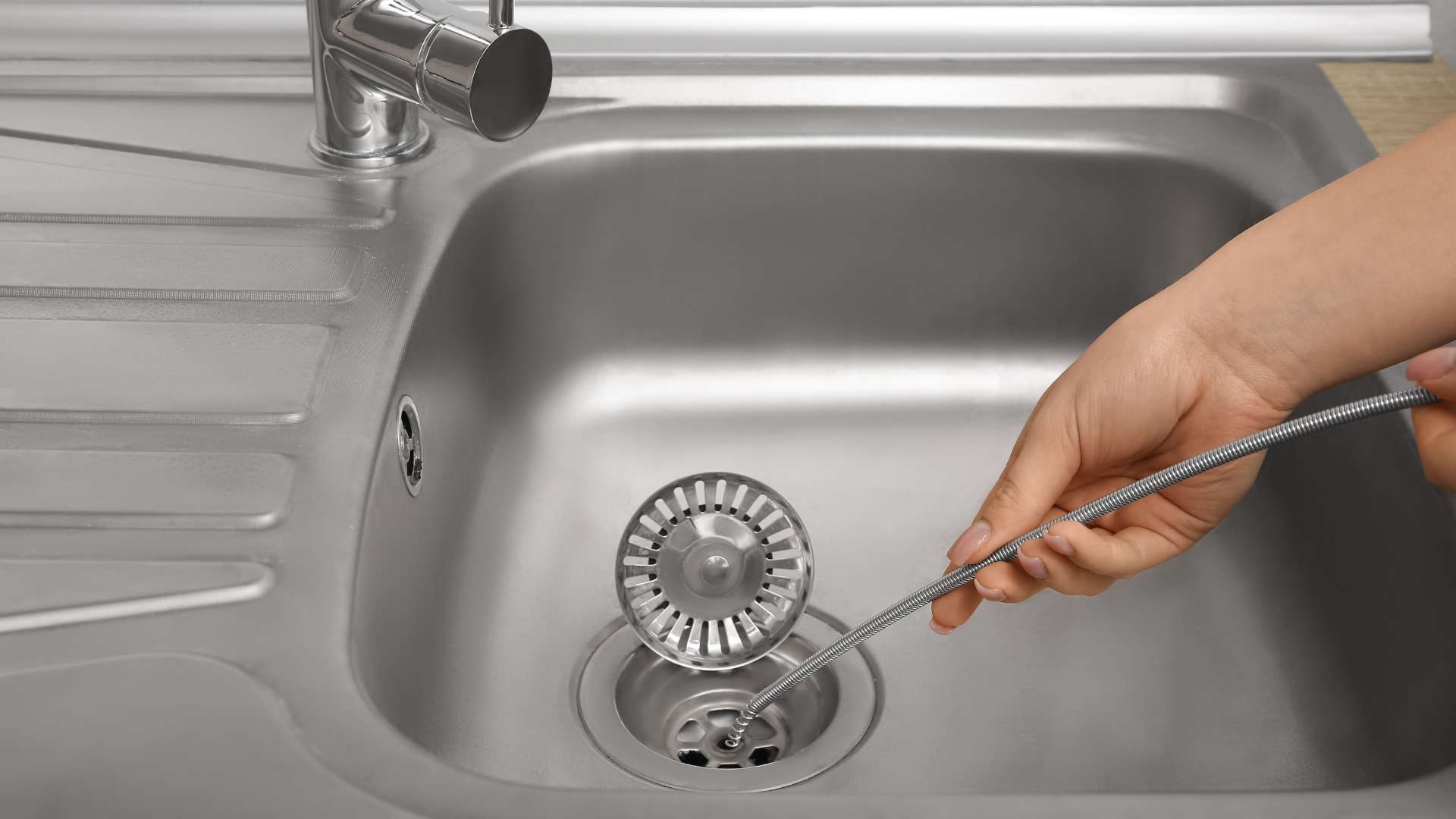
Three plumbers in four years, same upstairs sink, same slow gurgle every eight months. That’s not bad luck. That’s a diagnosis problem.
Most people treat every clog as an emergency and every fix as a reset button. You plunge, it clears, you move on. Then it comes back, and you call whoever answers first. The cycle repeats because nobody ever asked the one question that matters: where is the water actually stopping?
If you’ve already resigned yourself to calling drain cleaning services in hilo every time the kitchen sink sulks, you’re paying to treat a symptom. Here’s how to figure out what kind of clog you have before anyone shows up with a machine, and why the answer changes everything from the price to the tool they should bring.
Two clogs, two totally different problems
Here’s the distinction that gets skipped. A fixture clog lives in the trap or the short run of pipe right behind the drain. A main line clog sits in the big pipe that carries everything out of the house. They look identical from the sink. They behave nothing alike.
A fixture clog is usually soap scum, hair, grease, or a wad of something that shouldn’t have gone down. One drain is slow. Everything else in the house runs fine.
A main line clog shows up as a group problem. The toilet bubbles when you run the washing machine. The shower backs up when someone flushes. Water rises in more than one place at once. That’s your cue that the blockage is downstream of the whole house, not inside one room.
I’d argue this single test saves people more money than any gadget sold at a hardware store. One drain acting up? Start small. Multiple drains misbehaving? Stop plunging and call someone, because you’re one flush away from a mess you don’t want to mop.
What makes Hawaii clogs weirder than mainland ones
Plenty of Big Island homes aren’t on a county sewer line at all. They run to a cesspool or a septic system, and that fact reframes what a backup means. On a sewer connection, a slow drain is a nuisance. On a cesspool, a slow drain can be a signal that the whole system is loaded up and needs attention. Same symptom, completely different stakes.
That’s why a good crew asks where your line goes before they pick a tool. It’s also why the wrong approach can make things worse. Blasting a line without knowing what it connects to is how people turn a routine clog into a weekend of trouble.
Island homes also tend to collect more of the stuff that causes blockages. Older plumbing, mature landscaping with roots creeping toward pipes, and heavy year round water use all stack up. Add a house full of people and a washing machine cycling on a Saturday morning and you’ve got the classic setup for a main line backup.
How to clear a simple clog yourself (the short version)
- Boiling water first. A kettle of hot water down the drain clears light grease and soap film better than most people expect. Give it a minute to work before you reach for anything else.
- Plunge properly. Seal the overflow opening with a wet rag, then work the plunger with short, firm strokes. Half hearted jabbing does nothing.
- Pull the stopper and clean it. Most bathroom clogs are hair wrapped around the pop up assembly. Two minutes with a bent wire hanger and you’re done.
- Try a drain snake, not a coat hanger. A cheap hand auger reaches past the trap without scratching the pipe walls.
- Skip the chemical drain cleaner. They’re rough on older pipes, they don’t clear solids, and they’re genuinely unpleasant for a plumber who has to work on the line afterward.
That’s your whole first line of defense, and honestly it handles the majority of single fixture clogs. If you’ve tried all five and water still sits there, that’s information. Something is wrong further in.
When to stop DIY and call someone
Here’s the practical section. Use this table to decide, and be honest with yourself about which column your situation falls into.
| Situation | Likely cause | What to do |
|---|---|---|
| One sink or tub drains slowly, everything else is fine | Fixture clog in the trap or nearby pipe | Try the DIY steps above |
| Toilet bubbles when other fixtures drain | Main line blockage | Call a professional, don’t keep flushing |
| Water backs up in more than one drain | Main line or clogged vent | Stop using water on that side, call |
| Same drain clogs every few months | Recurring buildup, roots, or a failing pipe | Request a camera inspection, not just a clearing |
| Sewage smell without a backup | Dry trap or vent issue | Worth a diagnostic visit |
The bottom row matters more than people think. Odor without a flood usually means a dry trap or a vent problem, and a lot of folks just open a window and move on for months. Look, a vent issue can affect how every drain in the house behaves. It deserves a look.
Why the cheapest clearing isn’t the cheapest fix
A drain clearing is a service, not a cure. If a crew clears a blockage and never tells you whether the pipe itself is compromised, you’ll see them again. That’s the pattern I keep watching in older homes: a recurring clog that everyone treats as routine while a joint slowly fails underneath.
Professional water treatment and reliable wastewater handling aren’t separate luxuries. According to the Environmental Protection Agency, safe wastewater management relies on infrastructure that works, and that logic applies right down to the pipe in your yard. Neglecting a pipe is a choice with a bill attached.
So when you hire, ask two questions. What do you think is causing this, and how would you confirm it? A crew that can’t answer the second one is guessing.
What a good inspection actually looks like
A camera inspection runs a small lighted camera through the line and shows you what’s inside: roots, breaks, a belly where the pipe sags, or a genuine buildup that a cleaning will fix. You watch the screen with them. That’s the moment a recurring clog becomes a solvable problem instead of a monthly subscription.
It’s also worth knowing how housing conditions shape what’s reasonable to expect. The Department of Housing and Urban Development tracks how housing affordability pressures conventional repair budgets, and many households end up deferring maintenance. Deferred maintenance almost always shows up in plumbing first, because nobody sees the pipe until it sounds an alarm.
The small habit that prevents most of this
What you put down a drain decides how often you see a plumber. Fats and oils should go in a jar, not the sink, and never hot water they’ll cool and congeal further down. A strainer in the shower catches the hair before it becomes a snake job. Flush only what the American Dental Association would call sensible, which means waste and paper, nothing else. No wipes, no paper towels, no “flushable” products that aren’t.
And keep a small log. Date, which drain, what you did, what happened. That record is what turns “it keeps backing up” into a specific pattern a technician can act on. It’s also the difference between a clearing and a real repair. Good plumbing is mostly about noticing what the house is telling you before it has to shout. What’s the one drain in your house you’ve been quietly ignoring for a year?