You have a beautiful dining table, matching chairs, and perhaps even a dedicated room for family meals. Yet, instead of bringing everyone together, the table gradually becomes a collection point for mail, shopping bags, school supplies, and miscellaneous household items.
Dinner happens in front of the television, breakfast takes place at the kitchen counter, and the dining room remains largely unused.
This situation is surprisingly common. Having a designated dining area doesn’t automatically mean people will want to spend time there. A space can be visually attractive without feeling comfortable, convenient, or welcoming.
The problem often involves how the room supports everyday activities. When a dining area feels overly formal, physically uncomfortable, or disconnected from family routines, it naturally becomes less appealing.
Creating a more inviting space requires looking beyond decorative arrangements and considering what actually encourages people to gather.
When a Room Looks Too Perfect to Actually Live In
Some dining rooms seem designed primarily for special occasions rather than everyday living.
Elaborate table settings, delicate decorative accessories, and expensive furnishings can create an atmosphere where family members feel reluctant to disturb anything. Instead of encouraging relaxation, the room communicates that everything must remain perfectly arranged.
Uncomfortable seating presents another challenge. Chairs that look elegant but lack adequate support may discourage people from staying after a meal.
Limited circulation space can also make the dining area inconvenient. When chairs cannot be pulled out comfortably or people must squeeze between furniture and walls, the room becomes frustrating to use.
Lighting, temperature, and acoustics influence the experience as well. Harsh overhead illumination, hard surfaces, and a lack of soft furnishings can make conversations feel less intimate.
Ultimately, decorative perfection cannot compensate for a room that doesn’t accommodate the practical needs of its occupants.
Six Ways to Make Your Dining Space the Heart of the Home
A dining area doesn’t need a complete redesign to become more welcoming. These six adjustments can help transform an overlooked room into a comfortable gathering place.
1. Choose Chairs People Actually Want to Sit In
Comfortable seating is one of the most important features of a frequently used dining area.
Consider chairs with supportive backrests, appropriate seat heights, and comfortable proportions. Upholstered seats or removable cushions can improve comfort without compromising the room‘s appearance.
Make sure the chairs fit beneath the table and allow enough space for people to sit and move naturally.
Rather than selecting furniture exclusively for its visual appeal, prioritize pieces that encourage family members to remain seated comfortably during meals and conversations.
2. Make the Table Useful Beyond Breakfast and Dinner
A dining table can support many activities beyond traditional meals.
Homework, creative projects, puzzles, and board games provide opportunities for family members to gather throughout the day.
Choose practical surfaces that tolerate regular use, and consider washable placemats or protective table coverings for activities that might cause damage.
A versatile dining area becomes more valuable because it accommodates everyday routines rather than waiting for formal gatherings.
3. Give the Space a Personality of Its Own
Dining areas often lack character because homeowners focus on matching furniture rather than creating an inviting atmosphere.
Introduce meaningful artwork, family photographs, or decorative objects that reflect personal interests.
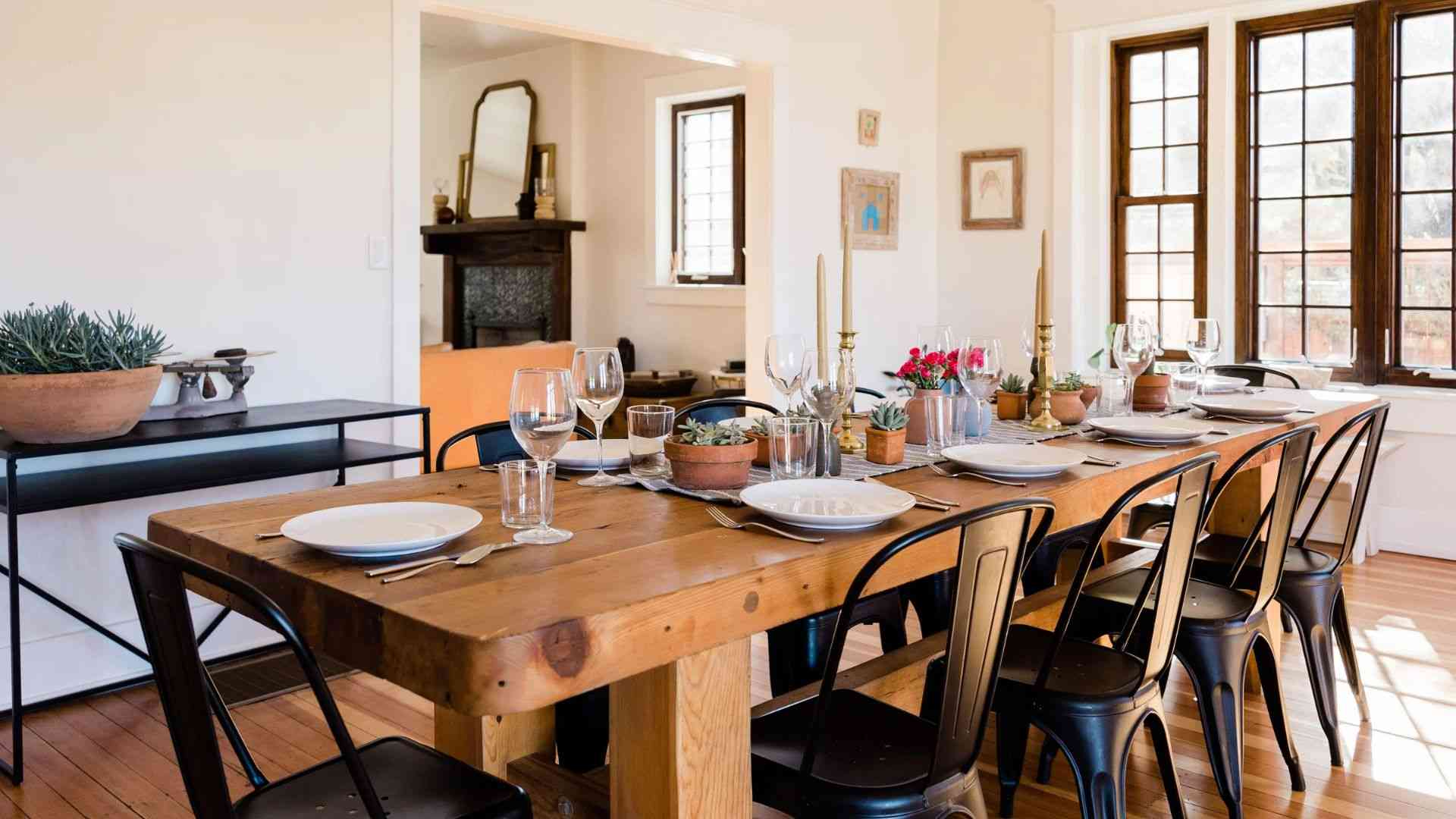
A vintage sideboard can add warmth to a contemporary dining room, while textured ceramics or a simple floral arrangement provide understated visual interest.
The goal is to create a space that feels connected to the household’s identity without becoming overcrowded.
A few carefully selected details can make the room feel more personal and less like a furniture showroom.
4. Create an Atmosphere That Makes People Want to Stay
The atmosphere of a dining room influences how naturally people gather and how long they feel comfortable remaining there.
Soft textiles, pleasant colors, comfortable furniture, and balanced lighting all contribute to a welcoming environment.
Consider adding an area rug where practical, fabric seat cushions, or curtains that soften daylight and improve the room’s acoustics.
Lighting deserves particular attention because it establishes the mood during evening meals.
A thoughtfully positioned fixture above the table can create a visual center for the dining area. For example, Mid-Century Brass Lighting can help define the dining zone while introducing a distinctive decorative detail.
Warm, adjustable illumination is particularly useful because it accommodates both practical activities and relaxed conversations.
The most inviting dining spaces balance functionality with a sense of warmth and intimacy.
5. Keep Everyday Essentials Within Easy Reach
A dining area becomes easier to use when frequently needed items have convenient storage locations.
A compact sideboard, nearby cabinet, or organized drawer can accommodate placemats, napkins, serving accessories, and other dining necessities.
This arrangement reduces the effort required to prepare the table and makes cleaning up more manageable.
Useful organization strategies include:
- Store everyday tableware near the dining area.
- Keep placemats and napkins in accessible drawers.
- Use a dedicated basket for school supplies or creative materials.
- Provide nearby storage for board games and puzzles.
- Establish a separate location for mail, keys, and household paperwork.
When the table is easy to clear and prepare, family members are more likely to use it regularly.
6. Make Room for Conversations, Not Just Meals
An inviting dining area should encourage interaction rather than simply provide places to eat.
Furniture arrangement plays an important role. Position chairs so people can see and hear one another comfortably, and avoid oversized centerpieces that obstruct eye contact.
Consider the room’s circulation paths and leave sufficient space around the table for people to move without disturbing others.
Round tables can encourage conversation in some layouts, while rectangular tables may suit larger families or longer rooms.
The objective is to create an environment where people naturally feel comfortable talking, laughing, and spending time together.
The Best Family Moments Rarely Happen on Special Occasions
Some of the most meaningful family interactions occur during ordinary activities rather than carefully planned celebrations.
A conversation over breakfast, a spontaneous board game, or an evening spent helping children with homework can strengthen relationships through shared experiences.
A versatile dining space supports these everyday connections by providing a central location where different activities can happen naturally.
Children may work on school projects while parents prepare dinner nearby. Family members might gather around the table to plan a weekend trip, complete a puzzle, or enjoy a casual afternoon snack.
These activities make the dining area familiar and approachable.
Importantly, multifunctional use doesn’t have to create permanent clutter. Accessible storage and simple cleanup routines allow the table to transition between activities while remaining ready for meals.
When a room accommodates real family life, it becomes more than a formally designated space. It becomes part of the household’s daily rhythm.
Give People a Reason to Pull Up a Chair Again
Even a beautifully arranged dining room may remain unused without habits that encourage people to gather.
Comfortable furniture and thoughtful design create the right conditions, but family traditions give the space a meaningful purpose.
Regular activities don’t need to be elaborate or time-consuming. A relaxed weekend breakfast, a weekly board game evening, or an occasional family dinner without phones can help establish positive associations with the dining table.
Consistency matters more than formality. When gathering becomes an enjoyable routine rather than an obligation, family members are more likely to participate willingly.
It also helps to involve everyone in choosing activities. Children might enjoy selecting a game, while adults may appreciate an opportunity for uninterrupted conversation after a busy day.
The dining area should remain flexible enough to accommodate changing schedules, family interests, and everyday responsibilities.
Rather than preserving the room for imaginary perfect occasions, make it available for ordinary moments that actually happen.
A successful dining room isn’t defined by expensive furniture, coordinated accessories, or how impressive it looks in photographs. Its real value comes from the conversations, shared activities, and everyday experiences that bring people back to the table.