The landscape of prime residential property is undergoing a profound transformation. Over the past few years, the preferences of affluent buyers have shifted dramatically. Ultra-high-net-worth individuals are no longer satisfied with static, traditional holiday homes that sit empty for most of the year. Instead, they are actively seeking out resort-style estates that offer a seamless blend of natural beauty, architectural sophistication, and full-service lifestyle management. This migration towards coastal luxury is redefining market standards across the globe, with Southeast Asia quickly emerging as a primary growth engine for upscale, nature-integrated properties.
The Rise of Tropical Modernism and Managed Estates
A major driving force behind this shift is the growing appeal of Tropical Modernism. A 2025 industry trend report revealed that nearly 54 percent of luxury property specialists now identify this aesthetic as the most sought-after architectural style among their most affluent clients. Tropical Modernism prioritises climate-responsive design through passive cross-ventilation, expansive roof overhangs, and the heavy integration of biophilic materials such as authentic local stone and solid teakwood. It is an approach that resonates deeply with buyers seeking personal sanctuaries that feel organically connected to their lush, tropical surroundings.
Thailand currently leads the Asian market in this sector, capturing an 18 percent share of the region’s historic $30.7 billion active pipeline of branded residences. In particular, the demand for high-end coastal properties backed by professional hospitality-grade management is surging. Investors and lifestyle buyers exploring Phuket luxury villas often find these properties highly appealing due to their robust gross rental yields, which currently range from 5 to 8 percent annually. The local market experienced a 20 percent increase in transactions during 2025, alongside a highly competitive 76 percent cumulative sales rate for properties priced above $2.6 million. As of 2026, the island holds 3,465 branded residence units, officially making it the largest resort branded residences market in all of Asia by unit count.
What Drives Premium Property Valuations?
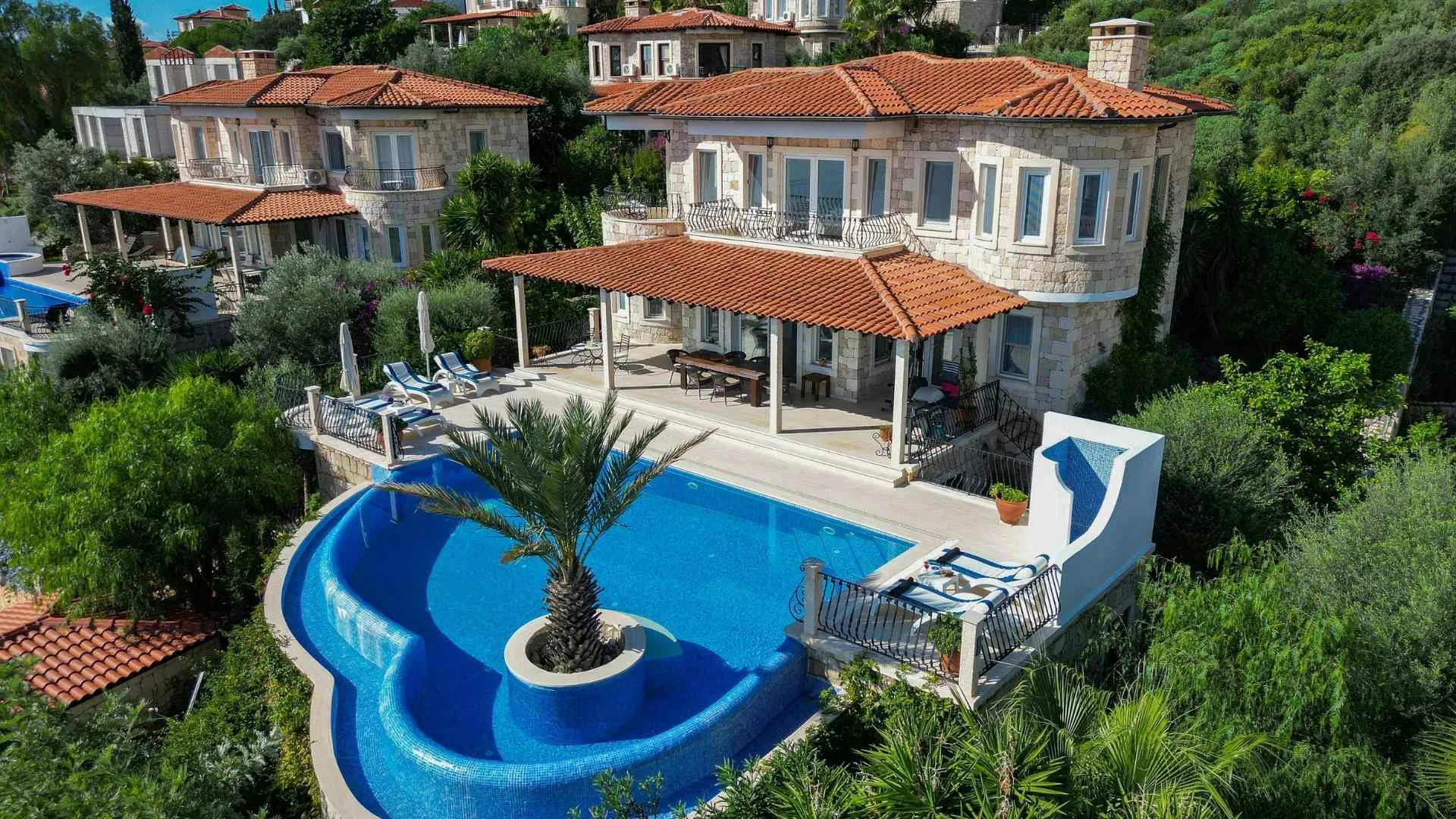
The criteria for luxury have evolved significantly beyond mere square footage and prestigious postcodes. Today, seamless indoor-outdoor living is paramount. Buyers are increasingly looking for properties that blur the boundaries between interior comfort and exterior landscapes. Just as functional outdoor spaces command higher prices in prime markets across the world, tropical estates that feature bespoke exterior designs, private infinity pools, and expansive entertaining terraces are setting entirely new benchmarks for global valuation.
This focus on integrated, turnkey living is having a tangible impact on global market performance. According to Knight Frank’s latest Prime International Residential Index, global luxury residential prices grew by 3.2 percent in 2025. This growth is heavily influenced by ultra-high-net-worth demand for highly serviced residences where buyers are willing to pay a premium for top-tier service, privacy, and high-quality amenities. This boutique branded residence premium reflects a broader desire for properties that require minimal personal upkeep while delivering maximum lifestyle value. The average price premium for branded luxury residences across the Asia Pacific market even climbed to 23 percent recently, reflecting sustained buyer confidence.
Key Features Defining the Modern Coastal Estate
As the Asia Pacific region prepares for a forecasted 180 percent increase in branded residences by 2031, the blueprint for the ultimate coastal estate is becoming much clearer. Over 65 percent of this upcoming supply is strictly resort-based, underscoring a massive shift toward coastal lifestyle assets. Ultra-high-net-worth individuals are aggressively targeting these co-located properties because they offer the dual benefit of a private retreat and hassle-free, income-generating rental programmes managed by the host brand.
To understand what sets these premium properties apart, it is helpful to look at the specific features driving buyer interest today:
- Climate-Responsive Architecture: Homes designed to harness natural light and coastal breezes reduce the need for artificial cooling. This creates a comfortable living environment that appeals heavily to eco-conscious luxury buyers.
- Lifestyle Brand Integration: Beyond traditional hotel operators, non-hospitality lifestyle entities, including high-end fashion houses, design firms, and automotive marques, are entering the coastal property market. They are developing unique, design-led residences to attract highly brand-conscious buyers.
- Turnkey Management: Fully serviced estates allow owners to arrive at a home that is perfectly maintained, fully stocked, and ready for immediate use. Dedicated local teams handle all preventative maintenance, landscaping, and security throughout the year.
- Bespoke Outdoor Amenities: Private wellness facilities, chef-grade outdoor kitchens, and seamless transition zones leading directly to the beach are no longer optional extras but baseline expectations for premium buyers.
The global real estate market is witnessing a permanent shift in how affluent buyers view coastal living. The modern luxury home is no longer just a physical structure. It has evolved into a comprehensive, fully managed lifestyle asset. As developers continue to innovate with stunning architectural designs and premium hospitality services, resort-style coastal properties will undoubtedly remain at the absolute pinnacle of international real estate investment.
📍 Location
Address: Mall Road, Lahore
Nearby: XYZ Market (500m)
City Center se Distance: 2 km
Get Directions