Furniture can survive some bumps and scratches, but not mirrors or a canvas painting that you have had hanging on your wall for the last decade, or a piece of ceramic pottery that you bought while traveling somewhere special. You can tell which ones are worth extra effort because if they are damaged, there is no getting around a second chance.
Mirrors Should Be Wrapped Like Art
Begin by packing the actual mirror. Place cardboard corner guards on all four sides to make sure the frame does not get hit if the mirror moves inside the box or scrapes against anything else. Then cover the entire surface of the mirror with packing paper, followed by another layer of bubble wrap – this time with the bubbles facing the mirror. Tape an X over the mirror with painter’s tape.
Mirror boxes, the tall, narrow kind built specifically for flat glass items, are worth buying. Improvising with whatever’s lying around usually ends up costing more in broken glass than the box would’ve cost upfront. Transport mirrors standing on edge, never flat. Lay one flat in a stack of other items, and it sits under constant pressure from everything on top, which is exactly how the glass gives out.
Framed Art Needs Different Treatment Depending on What’s Inside the Frame
Glass-covered pieces get the same corner-protector-and-paper treatment as mirrors. Skip bubble wrap directly against the glass here too, since the texture can leave an imprint if it sits pressed against the surface for a long trip.
Canvas is a different problem entirely. Bubble wrap can stick to paint, especially if a piece hasn’t fully cured or the truck gets warm during transit. Cover canvas with a soft cloth or glassine paper first, then a layer of cardboard cut to size, and only add bubble wrap on the outside of that. Never let plastic touch the paint directly.
Sculptures, Vases, and Anything Oddly Shaped
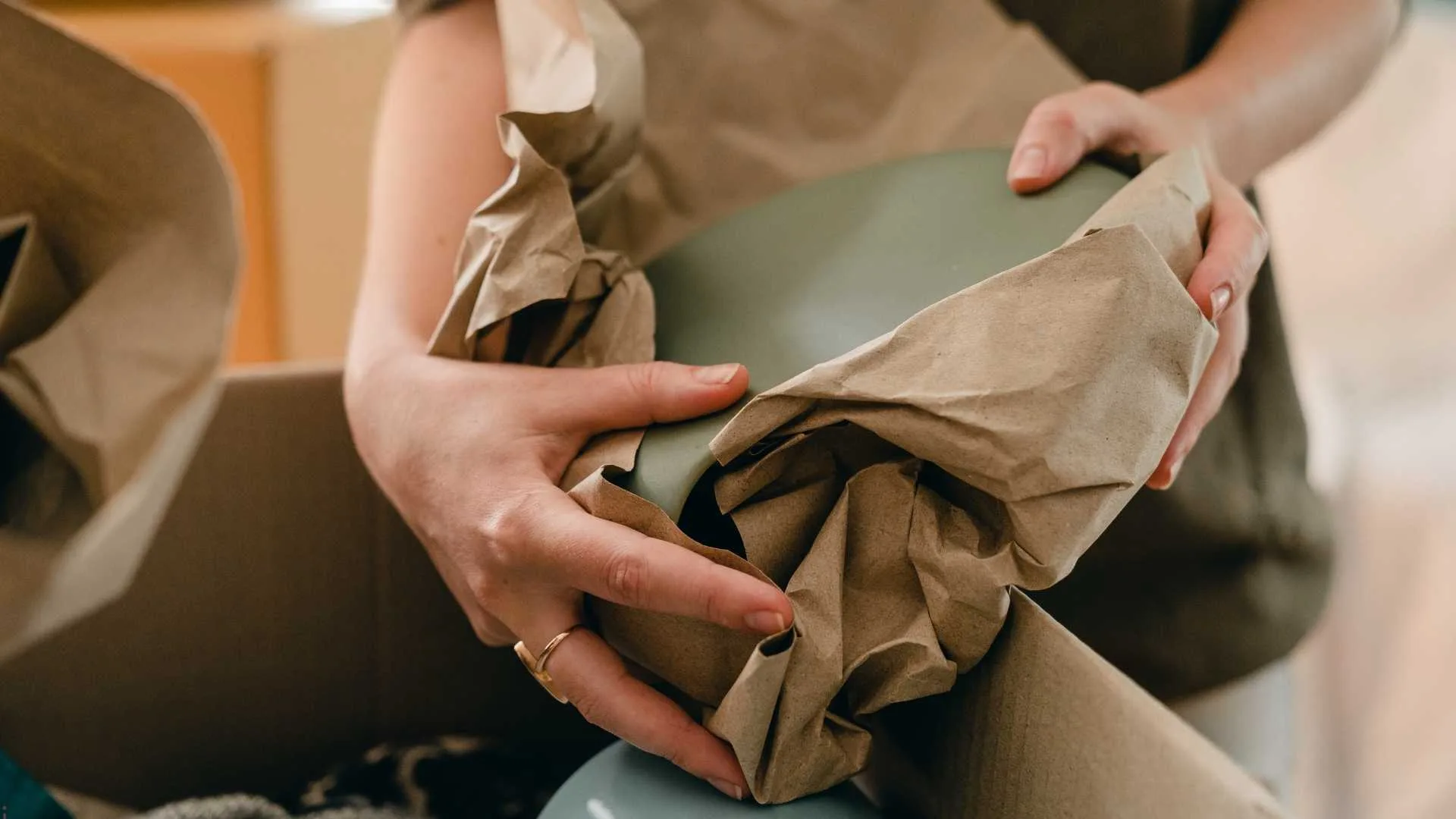
Round or irregular objects don’t sit neatly in a box the way flat items do, which makes them easy to under-protect. Start by wrapping the piece itself in paper, then fill any hollow spots- the inside of a vase, the gaps around a sculpture’s base, with crumpled paper so nothing has room to shift. Pack each piece into its own box if it’s valuable or oddly balanced, cushioned on all sides with paper or foam, so it can’t roll or tip during loading.
Label these boxes clearly and mark which side faces up. A vase packed upright and then set on its side in the truck is a problem nobody notices until it’s too late.
Weather in Chicago Plays its Part as Well
Wooden framing and paintings done on canvas are not fans of quick weather changes, and Chicago provides such an opportunity year-round. The art may bend slightly or become loose at the joints from being in a cold or hot truck in January or August, respectively. When you are relocating expensive or antique items, it is always better to make that additional stop and drive in a climate-controlled vehicle with your possessions.
Why Does This Type of Relocation Need Professionals
Decorative items, mirrors, and artwork belong to the category of relocation that requires professionals the most. It is simply impossible to re-create such things again in case of a problem with their transportation, so only experienced workers know how to arrange such items in a way so they will not be placed horizontally below other items and how to pack them properly. If you’d rather not spend your moving day wondering whether that mirror survived the ride, working with movers like the ones at https://move4umovers.com/ takes that risk off your hands.
A Little Extra Padding Goes a Long Way
None of this takes much extra time. A few more minutes wrapping a frame, a bit more paper stuffed into a vase, standing a mirror upright instead of laying it flat. It’s a small effort compared to what it costs to replace something that can’t be replaced. Take the extra step here. It’s the one category of your move where rushing rarely pays off.