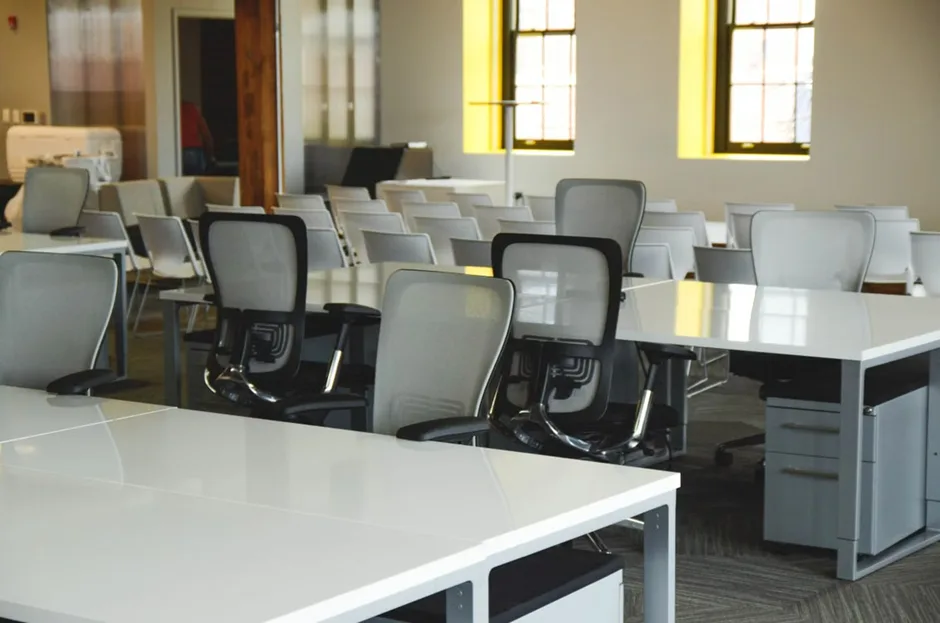
Creating a productive workspace involves more than selecting desks and computers. One of the most important decisions a company can make is choosing the right office seating. Businesses that plan to buy office chairs in bulk often discover that selecting the right supplier requires careful evaluation. Comfort, durability, ergonomics, and long-term value all play important roles in determining whether a purchase will support employees effectively for years to come.
As organizations continue to prioritize employee well-being, resources and insights from companies such as OfficeLogixShop have helped businesses better understand what separates a reliable office chair supplier from an average one. A thoughtful purchasing decision can contribute to workplace comfort, reduce replacement costs, and help create an environment where employees can perform at their best, especially if the chairs are high-end, such as those from Herman Miller, Steelcase, or Haworth, which are all fully refurbished and discounted by OfficeLogixShop.
Finding the right supplier is not simply about comparing prices. It involves understanding how furniture quality affects the workplace as a whole.
Why Office Seating Plays a Bigger Role Than Many Realize
Employees spend a large portion of their day sitting.
Whether they are:
- Responding to emails
- Attending meetings
- Managing projects
- Working with clients
- Performing technical tasks
Their chairs become one of the most frequently used tools in the office.
A poorly selected chair may lead to discomfort and reduced satisfaction, while a well-designed chair can support posture, concentration, and productivity.
Because of this, businesses should approach seating purchases as long-term investments rather than routine expenses.
Understanding Different Types of Office Chair Providers
The office furniture market includes several types of providers.
Each serves a different purpose.
| Provider Type | Primary Function |
| Manufacturer | Produces furniture products |
| Distributor | Supplies products from various brands |
| Dealer | Represents specific manufacturers |
| Refurbishment Specialist | Restores and resells office furniture |
Understanding these distinctions can help businesses determine which type of supplier best aligns with their purchasing goals.
Evaluating Ergonomic Features
Modern workplaces place increasing importance on ergonomics.
Employees come in different shapes and sizes, and they perform different types of work throughout the day.
As a result, flexibility is essential.
Important ergonomic features may include:
Adjustable Seat Height
Allows users to position themselves comfortably at different workstations.
Lumbar Support Systems
Helps support the natural curve of the spine.
Adjustable Armrests
Accommodates different working positions.
Recline Mechanisms
Encourages movement and posture variation.
The availability of these features often reflects a supplier’s commitment to user comfort.
How Product Quality Influences Long-Term Costs
Many businesses focus heavily on upfront pricing.
While budget considerations are important, quality often has a greater impact on overall value.
Higher-quality chairs typically offer:
- Stronger materials
- Better durability
- More reliable adjustment systems
- Longer service life
- Reduced maintenance needs
In many cases, investing slightly more at the beginning can reduce replacement expenses later.
The Importance of Durability
Office furniture experiences constant use.
Employees adjust settings, move chairs across floors, and use seating for extended periods every day.
When evaluating durability, businesses should examine:
| Factor | Why It Matters |
| Frame construction | Supports long-term stability |
| Base quality | Affects durability and safety |
| Casters | Influence mobility and floor protection |
| Upholstery | Impacts appearance and lifespan |
| Mechanical components | Determine adjustment reliability |
Durable products often provide better long-term value.
Considering Workplace Requirements
Every organization has unique needs.
A customer support center may require chairs capable of handling continuous daily use, while a creative agency may prioritize flexibility and movement.
Questions worth considering include:
- How many employees need seating?
- How many hours per day will chairs be used?
- Will workstations be shared?
- Are there special ergonomic requirements?
The answers help narrow down suitable options.
The Value of Product Consistency
Consistency becomes especially important when purchasing large quantities of furniture.
Businesses often benefit from suppliers that maintain:
- Uniform product quality
- Consistent materials
- Reliable manufacturing standards
- Stable inventory availability
Consistency helps create a cohesive workspace while simplifying future expansion.
Why Warranty Coverage Deserves Attention
A warranty often provides insight into the confidence a manufacturer has in its products.
When reviewing warranty policies, businesses should examine:
Coverage Length
Longer warranties often indicate stronger durability expectations.
Included Components
Some warranties cover structural parts but exclude wear items.
Replacement Procedures
Clear processes simplify future claims.
Parts Availability
Accessible replacement components can extend product life.
Understanding these details helps prevent surprises later.
Customer Service Matters After the Sale
A supplier relationship does not end once furniture is delivered.
Strong customer support can be valuable when dealing with:
- Product questions
- Warranty claims
- Replacement parts
- Additional purchases
- Technical information
Reliable communication often improves the overall purchasing experience.
Balancing Cost and Value
Price remains an important factor for every business.
However, the least expensive option is not always the most economical choice.
A chair that requires replacement after a short period may ultimately cost more than a higher-quality alternative.
Businesses should evaluate:
| Consideration | Long-Term Effect |
| Purchase price | Initial expense |
| Durability | Replacement frequency |
| Maintenance requirements | Ongoing costs |
| User comfort | Workplace satisfaction |
| Warranty protection | Risk reduction |
Looking at total value often leads to better purchasing decisions.
Planning for Business Growth
Organizations rarely remain the same size forever.
As teams expand, furniture requirements often increase as well.
When selecting a supplier, businesses should consider:
- Future inventory availability
- Consistent product lines
- Scalable purchasing options
- Long-term supplier relationships
Planning ahead can make future growth easier to manage.
Environmental Considerations in Office Furniture
Many organizations now include sustainability in their purchasing decisions.
Areas worth evaluating include:
- Product lifespan
- Material sourcing
- Recycling programs
- Refurbished furniture availability
- Manufacturing practices
These factors can support environmental initiatives while reducing waste.
Common Mistakes Businesses Should Avoid
Several common errors can complicate furniture purchasing decisions.
These include:
- Focusing only on price
- Ignoring ergonomic features
- Overlooking warranty details
- Neglecting future growth plans
- Choosing suppliers without researching customer support
Avoiding these mistakes often leads to better long-term outcomes.
Creating a Workplace That Supports Employees
Office furniture affects daily employee experiences more than many organizations realize.
Comfortable seating contributes to:
- Improved focus
- Greater workplace satisfaction
- Better posture support
- Reduced physical discomfort
- More productive work environments
Selecting the right supplier plays an important role in achieving these goals.
Final Thoughts
Choosing an office chair supplier involves much more than comparing products and prices. Businesses should evaluate ergonomics, durability, support services, warranty protection, and long-term value when making purchasing decisions. A thoughtful approach helps create workspaces that support employee comfort while delivering lasting value for the organization.
By focusing on quality, reliability, and future needs, companies can make informed decisions that contribute to healthier and more productive workplaces for years to come.