Sustainability continues to shape the future of architecture, with 2026 bringing innovative design approaches that prioritize energy efficiency, environmental responsibility, and long-term functionality. From passive building strategies and renewable materials to smart technologies and resilient construction, architects are creating spaces that reduce environmental impact while improving comfort and performance. These trends reflect a growing demand for buildings that balance aesthetics, practicality, and sustainability across residential and commercial projects.
As these design principles gain momentum, architects in Ardmore, PA, are helping homeowners and businesses incorporate sustainable solutions tailored to local needs and building requirements. Whether planning a new construction project or renovating an existing property, working with experienced professionals can ensure environmentally conscious design choices that enhance efficiency, durability, and lasting value. Understanding the latest architectural trends can help property owners make informed decisions that benefit both their investment and the environment.
Adaptive Reuse: Breathing New Life into Existing Structures
Adaptive reuse transforms outdated or neglected buildings into vibrant, functional spaces. By reimagining the purpose of existing structures, architects reduce the environmental costs of demolition and new construction. This strategy greatly reduces embodied carbon, helps preserve cultural heritage, and delivers modern amenities with minimal resource consumption. Notable cases, like Detroit’s rejuvenated historic districts, provide practical examples of adaptive reuse’s impact on city environments and local economies.
Regenerative Design: Beyond Sustainability
While sustainability seeks to minimize damage, regenerative design takes a proactive stance by restoring natural systems and fostering biodiversity. This philosophy is put into practice through elements such as green roofs, permaculture-inspired landscaping, and rainwater-harvesting technologies. In doing so, projects enhance soil health, provide wildlife habitats, and support resilient communities. Regenerative design reflects a commitment not just to “doing less harm,” but to actively improving conditions for the planet and its inhabitants.
Biophilic Design: Connecting with Nature
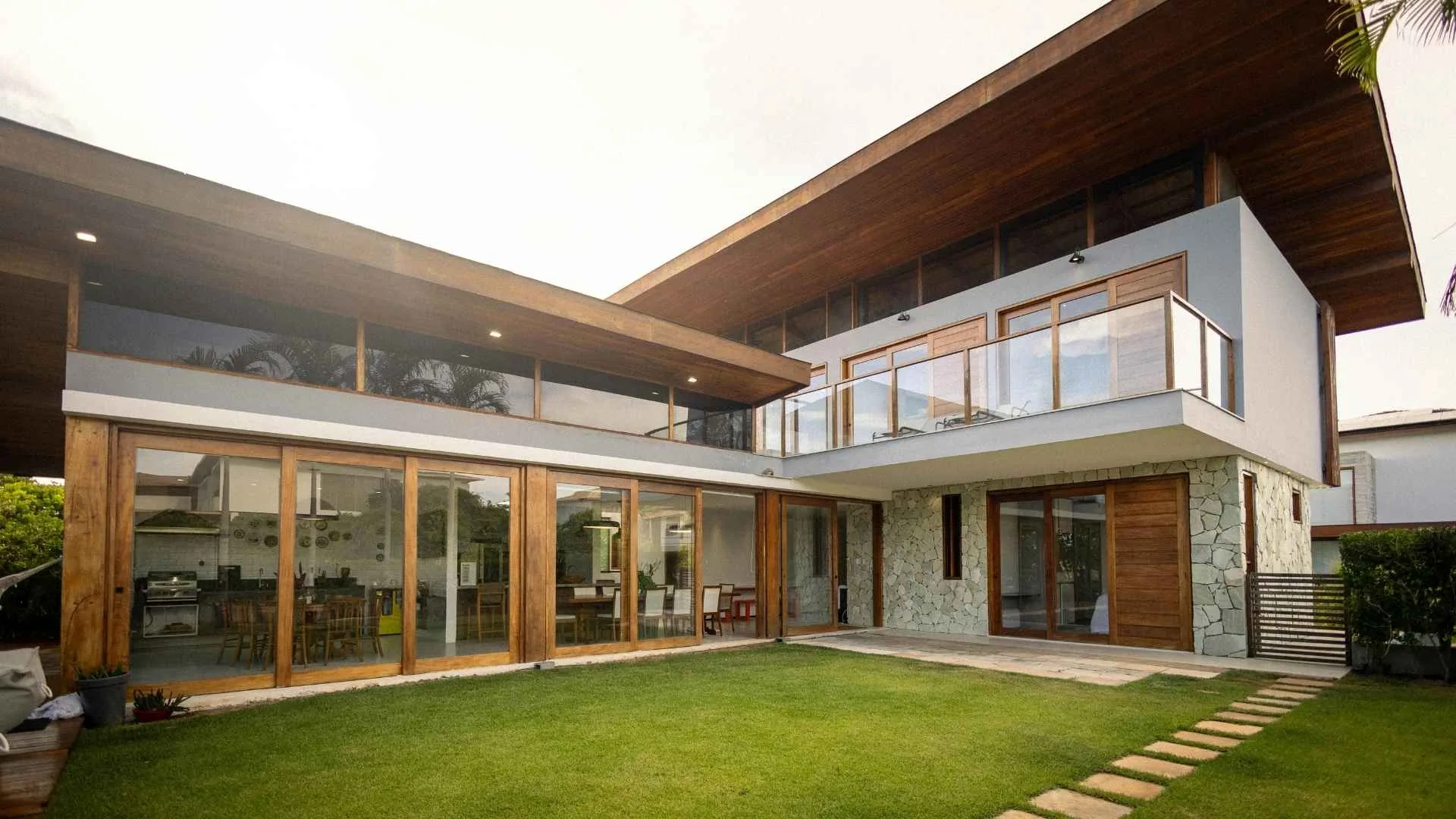
Biophilic design acknowledges the profound benefits of reconnecting humans with nature. It incorporates daylight, organic materials, living walls, and interior gardens to enhance indoor environmental quality. This design approach has demonstrated reductions in stress and improvements in cognitive function among building occupants, making it highly valued in workplaces, homes, and educational facilities.
Net-Zero Energy Buildings: Achieving Energy Independence
Net-zero energy buildings are designed to offset their total energy consumption through onsite renewable systems. Innovations in insulation, glazing, rooftop solar, and geothermal heating make it increasingly feasible for buildings to generate as much energy as they consume. These projects not only lower greenhouse gas emissions but also offer significant operational savings, helping property owners mitigate rising energy costs and future-proof their investments.
Healthy Materials: Prioritizing Well-being
Material selection is crucial to both indoor environmental quality and occupant health. Modern sustainable architecture emphasizes materials that are non-toxic, rapidly renewable, and locally sourced. Products like low-VOC finishes, recycled steel, and reclaimed wood are now common choices. This focus supports healthier air, improved comfort, and a substantial reduction in the life-cycle impact of building materials. As awareness grows around the health implications of conventional building products, designers are prioritizing transparency and wellness in material sourcing and construction practices.
Climate-Responsive Urbanism: Designing for Resilience
Urban areas are particularly vulnerable to the effects of climate change. Climate-responsive design strategies address these risks through flood mitigation, integrated green spaces, and heat island reduction. Features such as permeable paving, bioswales for drainage, and strategically placed vegetation help cities adapt to new climate realities. By planning cities and neighborhoods that can withstand and recover from extreme weather, architects ensure the safety and livability of urban centers for all residents.
Performance Modeling: Data-Driven Design Decisions
Performance modeling leverages advanced simulation software to analyze and refine building design before construction. This process evaluates factors like thermal comfort, daylight autonomy, and energy performance, enabling design teams to meet performance targets and regulatory standards with precision. Data-driven decisions lead to buildings that are more environmentally responsible and cost-effective throughout their lifespans.
Community-Centered Design: Fostering Social Sustainability
Sustainability extends beyond ecological impact to include social equity and engagement. Community-centered design solicits input from future users throughout a project, ensuring the final result aligns with their cultural, social, and practical needs. This participatory approach fosters a sense of ownership and pride in new spaces and helps bridge gaps between architectural intent and real-world use. By supporting inclusion and resilience, community-centered design makes sustainable architecture truly people-centric.
Summary
The architectural design landscape of 2026 is more dynamic and impactful than ever before. Sustainability is no longer a trend, but a baseline principle that guides every aspect of the built environment. As these trends continue to evolve, architects are paving the way for a healthier, greener, and more socially balanced future.