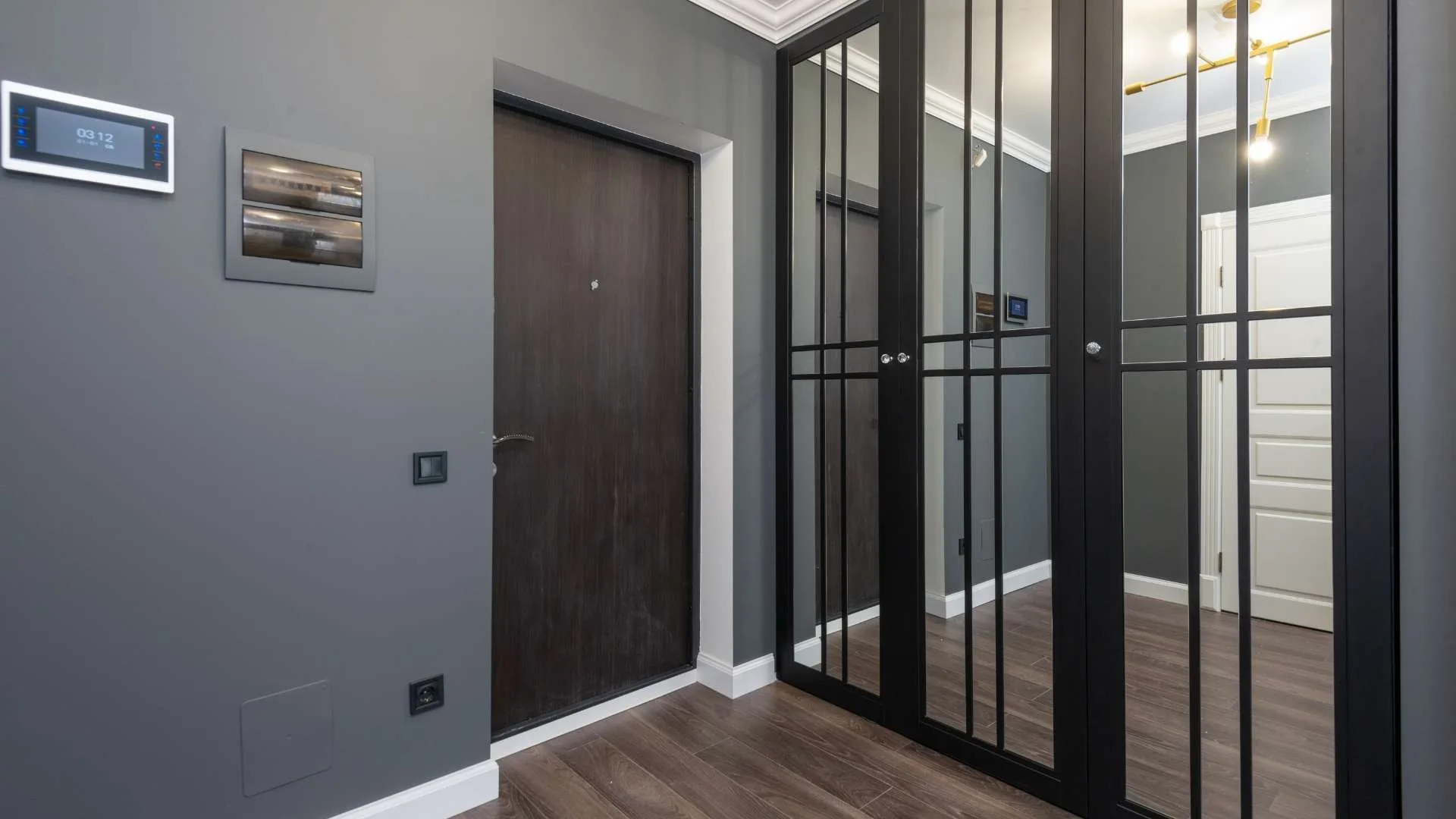
Choosing the right cabinet doors for a commercial project involves more than just aesthetics. You need materials that hold up under daily stress, look professional over time, and fit the design language of the space. Aluminum framed cabinet doors have become a top choice across offices, retail spaces, hospitality environments, and commercial kitchens for exactly those reasons. This guide breaks down why aluminum frames work so well in commercial settings, the key door types available, and how to select the best option for your specific project.
Why Aluminum Framed Cabinet Doors Excel in Commercial Settings
Commercial spaces demand more from their fixtures than residential ones do. Cabinets in offices, hospitality venues, and retail environments face constant use, frequent cleaning, and a need to maintain a polished appearance year after year. Aluminum framed cabinet doors meet all of those demands without compromise.
Aluminum is naturally resistant to rust, moisture, and the kind of wear that breaks down wood or MDF over time. In high-humidity environments like commercial kitchens or restrooms, this resistance makes a significant difference in the long-term durability of your cabinetry. You won’t deal with warping, swelling, or surface degradation the way you might with traditional materials.
Beyond durability, aluminum framed cabinet doors offer a clean, modern aesthetic that translates well across a wide range of commercial design styles. The slim, structured profiles complement both minimalist and industrial interiors. They also support a variety of infill options, including frosted glass, clear glass, aluminum mesh, or solid panels, which gives you real flexibility in the look and function of each cabinet.
From a practical standpoint, aluminum is lightweight relative to its strength. That quality reduces stress on hinges and cabinet boxes, which extends the overall lifespan of your installations. For large-scale commercial projects where you’re outfitting dozens or hundreds of units, that kind of structural efficiency adds up considerably.
Key Types of Aluminum Framed Cabinet Doors to Know
Not all aluminum framed cabinet doors are built the same way. The frame profile you choose directly affects how the finished cabinet looks, how it performs in the space, and whether it suits the functional needs of the project. Here are the main types worth knowing.
Narrow Frame Doors: Sleek Profiles for Modern Interiors
Narrow frame doors feature thin aluminum profiles that keep the visual focus on the infill material rather than the frame itself. In commercial settings where a modern, open, or minimalist design is the goal, these doors deliver a refined look without adding visual weight to the space.
They work particularly well in office environments, contemporary retail displays, and hospitality settings where aesthetics play a large role in the client experience. A narrow frame with a clear or frosted glass infill, for example, can make a reception area feel both organized and visually open at the same time.
Even though the slim profile, these frames are structurally sound. Aluminum’s inherent strength means the door stays rigid and functions smoothly even with reduced frame width. If your project calls for a clean, high-end finish, narrow frame doors are a strong starting point.
Wide Frame Doors: Bold Structure for High-Traffic Environments
Wide frame doors take the opposite approach. The broader aluminum profile creates a more substantial, structured look that suits commercial environments where durability and presence both matter.
In high-traffic areas like cafeterias, storage rooms, server closets, or industrial workspaces, the extra frame width provides additional protection for the infill panel. It also gives the door a more solid visual character, which can reinforce a sense of order and durability in practical environments.
Wide frame aluminum doors also hold up well against frequent impact. The heavier profile absorbs minor knocks and bumps better than slim alternatives, which makes them a smart choice in spaces where cabinets see intense daily use. For large-scale commercial builds that prioritize longevity, the wide frame option is worth serious consideration.
Solid and Slim Frame Doors: Specialized Options for Unique Layouts
Solid aluminum panel doors eliminate the infill material entirely. The door face is composed of a solid aluminum sheet or a reinforced solid panel within the frame. These are ideal in settings where security, opacity, or a more industrial look is required, such as back-of-house areas in hotels, storage facilities, or technical workspaces.
Slim frame doors sit between the narrow and wide categories. They offer a slightly more substantial profile than narrow frames while maintaining a streamlined appearance. This makes them a versatile option across different commercial contexts, especially in projects where you need visual consistency across multiple room types with varying functional demands.
Both options allow for custom finishes, including anodized or powder-coated surfaces, so you can match or contrast with the surrounding design scheme. Having that level of adaptability matters on large commercial projects where continuity across different spaces is part of the design brief.
How to Choose the Right Aluminum Cabinet Door for Your Project
With several frame types and infill options available, selecting the best aluminum cabinet door for a commercial project comes down to a few key factors.
- Start with the environment. Consider the level of traffic, moisture exposure, and the type of use the cabinets will see daily. High-moisture areas call for fully sealed frames with moisture-resistant infill materials. High-traffic zones benefit from wide frames and reinforced infill panels.
- Consider the design intent. The cabinet door contributes significantly to the overall look of a commercial interior. If the space is designed around clean lines and a contemporary feel, narrow or slim frame doors with glass infill will support that direction. For industrial or utilitarian environments, wide frame or solid panel doors are better aligned with the aesthetic.
- Think about visibility and access. In retail or display contexts, transparent or semi-transparent infill lets clients or staff see contents at a glance. In storage or back-of-house settings, solid panels offer privacy and a more contained appearance.
- Factor in finish and color. Aluminum frames accept powder coating and anodized finishes well, so you can coordinate them with existing hardware, flooring, or wall colors. Consistency in finish across a large installation makes the overall space look intentional and professionally executed.
- Account for scale. Large commercial projects often involve sourcing hundreds of doors. Before committing to a specific frame profile, confirm that your supplier can deliver consistent quality and meet your project’s timeline. Variation in frame dimensions or finish quality across a large order can create visual inconsistencies that are difficult to correct after installation.
Conclusion
Aluminum framed cabinet doors bring together durability, design flexibility, and long-term value in a way that few other materials can match for commercial applications. Whether your project involves a sleek modern office or a demanding industrial environment, there is a frame type and infill combination suited to what you need. Take the time to evaluate your space, use patterns, and design goals before you specify, and you’ll end up with cabinetry that performs well and looks great for years to come.