A furnace is the heart of your home’s heating system, working tirelessly to keep you warm during colder months. However, like any hardworking appliance, it requires regular attention to perform optimally and safely. Neglecting your furnace can lead to a cascade of problems, impacting everything from your indoor air quality to your monthly utility bills. Regular cleaning is not just a recommendation; it’s a critical aspect of home maintenance that ensures heating efficiency, extends the system’s lifespan, and, most importantly, safeguards your family from potential hazards like carbon monoxide.
What is Furnace Cleaning?
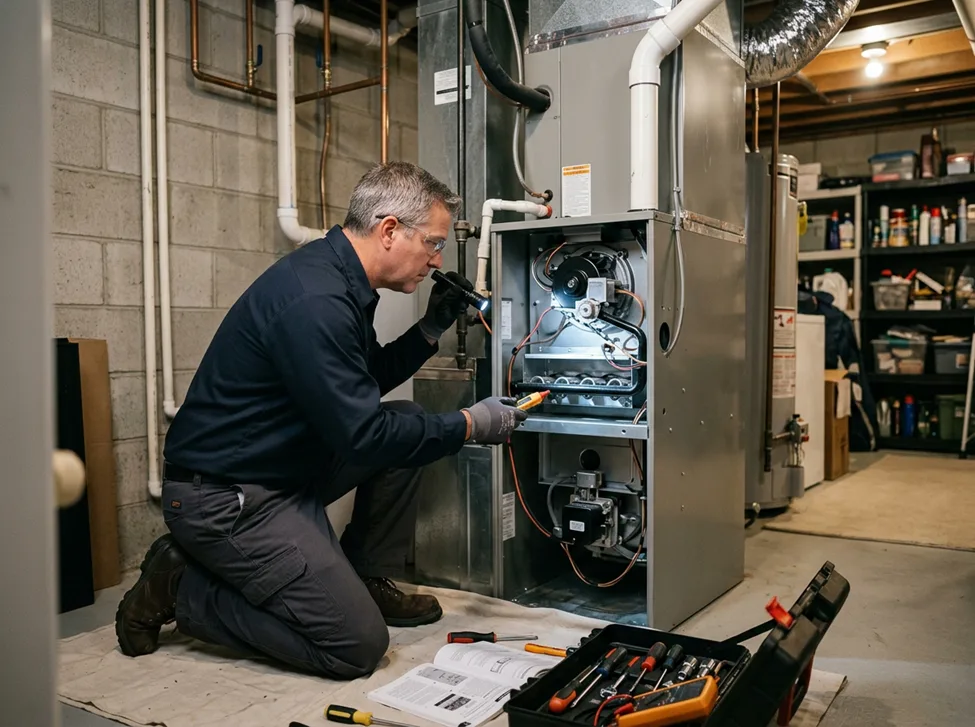
Furnace cleaning is a vital maintenance task that involves the thorough removal of accumulated dust, soot, and debris from the internal components of your heating system. This process goes beyond simply changing an air filter. It targets critical elements such as the blower motor, which circulates air throughout your home, the burners where combustion occurs, and the heat exchanger, which transfers heat to the air. Over time, these components can become caked with combustion debris, pet dander, and household dust, impeding their function. Professional cleaning ensures the efficient removal of this buildup, restoring optimal system airflow and operation.
Why is Furnace Cleaning Important for Your Home?
The benefits of a professionally cleaned furnace extend far beyond just warmth. They touch upon several key aspects of home living:
- Improved Indoor Air Quality: A dirty furnace can recirculate dust, allergens, pet dander, and other airborne particles throughout your home. Cleaning significantly reduces these contaminants, leading to noticeably cleaner, healthier air, which is especially beneficial for individuals with allergies or respiratory sensitivities.
- Enhanced Energy Efficiency: When components like the blower and heat exchanger are covered in grime, the furnace has to work much harder to produce and distribute heat. This increased effort translates directly into higher energy consumption and inflated utility bills. A clean furnace operates more efficiently, potentially reducing your heating costs by improving efficiency.
- Extended System Lifespan: Continuous strain on dirty components accelerates wear and tear. Regular cleaning alleviates this stress, preventing premature breakdowns and extending the overall lifespan of your furnace. This means fewer costly repairs and a longer period before needing a full system replacement.
- Carbon Monoxide Safety: A clogged or dirty heat exchanger can lead to cracks, allowing dangerous carbon monoxide (CO) gas to leak into your home. Professional cleaning includes inspecting this critical component, significantly reducing the risk of CO poisoning.
- Fire Prevention: Accumulations of dust and debris, particularly around the burners, can pose a fire hazard. Removing this combustible material is a crucial step in ensuring your home’s safety.
- Consistent Heating Performance: A clean furnace delivers more even and consistent heat throughout your home, eliminating cold spots and ensuring comfortable temperatures in every room.
Warning Signs Your Heating System Needs Immediate Attention
Your furnace often provides subtle, and sometimes not-so-subtle, clues when it’s struggling due to a lack of cleaning. Recognizing these warning signs early can prevent minor issues from escalating into major, costly repairs or even safety hazards. Pay close attention to these indicators to determine if your heating system is overdue for professional attention.
Physical Indicators of Dust and Debris Buildup
Some of the most obvious signs that your furnace needs cleaning are visual or directly related to indoor air quality:
- Visible Dust and Soot: If you notice excessive dust accumulating on furniture shortly after cleaning, or if there’s visible soot around your supply vents, it’s a strong indicator that your furnace and ductwork are dirty.
- Allergy Flare-ups: An increase in allergy symptoms among household members, such as sneezing, coughing, or watery eyes, can be linked to poor indoor air quality caused by a dirty furnace recirculating allergens.
- Clogged Air Filters: While a dirty filter is a normal part of operation and indicates it’s doing its job, if your filter becomes excessively clogged very quickly, it suggests a significant amount of debris is entering the system, often originating from within the furnace itself.
Operational Red Flags and Performance Drops
Beyond visible signs, your furnace’s performance can signal a need for cleaning:
- High Energy Bills: If your heating costs are unexpectedly rising despite similar usage patterns, a dirty, inefficient furnace is often the culprit, as it works harder to maintain desired temperatures.
- Uneven Heating: Cold spots in certain rooms, or a noticeable difference in temperature between areas, can indicate restricted airflow due to internal furnace blockages or dirty components.
- Unusual Noises: Rattling, squealing, banging, or humming sounds can point to issues like a dirty blower motor, loose components, or a struggling fan.
- Frequent Cycling (Short Cycling): If your furnace turns on and off more frequently than usual, it might be overheating due a restricted airflow or a dirty flame sensor, leading to shorter operational cycles.
- Persistent Burning Smells: While a slight burning dust smell at the beginning of the heating season is normal, a persistent or strong burning odor, or any other unusual smells (like rotten eggs, which indicates a gas leak), requires immediate attention.
- Yellow or Flickering Pilot Light: For older furnaces with pilot lights, a healthy flame should be blue. A yellow, orange, or flickering flame indicates incomplete combustion, which can produce carbon monoxide and requires professional inspection immediately.
- Weak Airflow: If the air coming from your vents feels weaker than usual, it could be due to a clogged blower or dirty coils, hindering proper air distribution.
The Professional 8-Step Furnace Cleaning Process
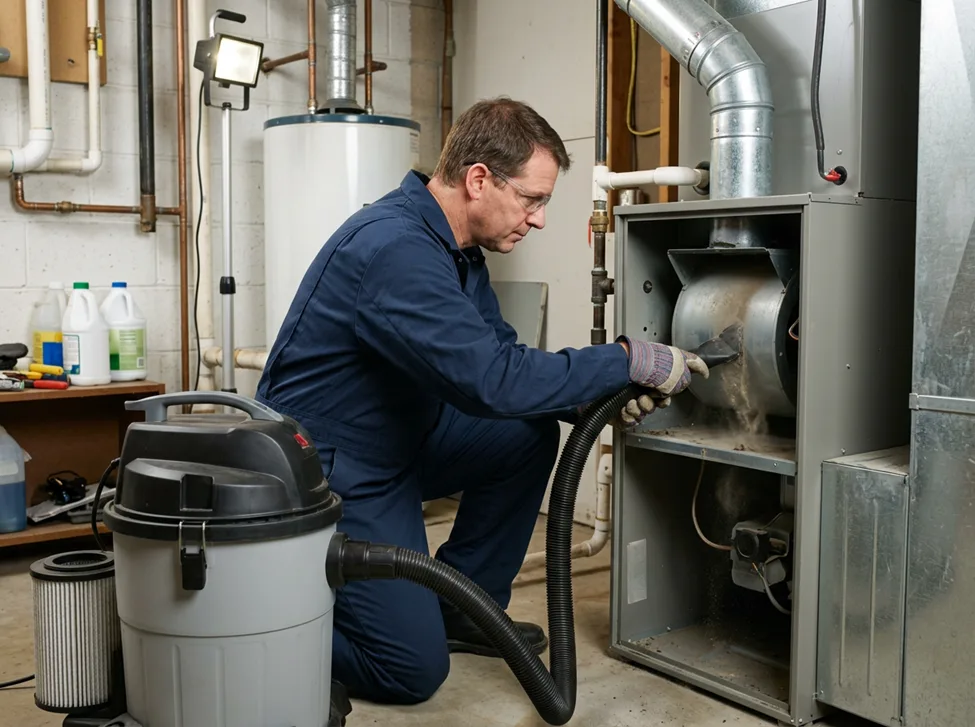
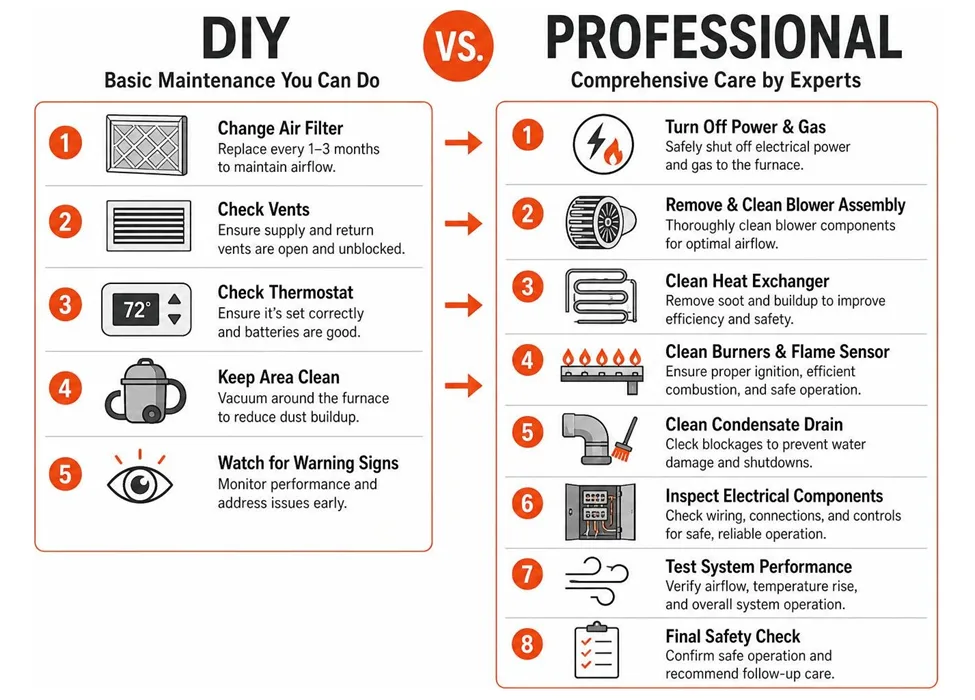
While homeowners can perform basic maintenance like filter changes, a comprehensive furnace cleaning is best left to certified professionals. These experts possess the specialized tools, knowledge, and safety protocols to thoroughly clean and inspect your system. The process typically involves an in-depth, multi-step approach designed to optimize performance, enhance safety, and extend the life of your heating unit.
1. Turn off Power and Gas to the Furnace
Safety is paramount. Before any work begins, the technician will completely shut off the electrical power to the furnace at the circuit breaker and turn off the gas supply using the dedicated shutoff valve near the unit. This prevents accidental startup and eliminates the risk of electrical shock or gas leaks during the cleaning process.
2. Remove and Clean the Blower Assembly
The blower assembly is responsible for circulating heated air throughout your home. Over time, the blower wheel and motor housing can accumulate a significant amount of dust, pet hair, and debris, which restricts airflow and forces the motor to work harder. The technician will carefully remove the blower, meticulously clean the blower wheel blades, and vacuum any dust accumulation from the housing. This step is crucial for restoring optimal system airflow and efficiency.
3. Clean the Furnace Flame Sensor
The flame sensor is a small, critical component that detects the presence of a flame in the burner. If it becomes coated with carbon buildup or oxidation, it can incorrectly signal that there is no flame, causing the furnace to short cycle or fail to ignite. The technician will carefully remove the flame sensor and clean it, often using fine-grit sandpaper (e.g., 220-grit) to gently remove any gritty buildup, ensuring reliable flame detection and consistent system startup.
4. Lubricate the Fan Motor
Many older furnace fan motors have oil ports that require periodic lubrication. The technician will apply specialized electric motor oil to these ports to reduce friction and wear on the bearings. Proper lubrication ensures smooth, quiet operation and prolongs the motor’s lifespan. Not all modern motors require lubrication, and using the wrong type of oil can cause damage.
5. Clean the Furnace Coils
While often associated with air conditioning, the evaporator coils (if present in your system, especially in systems with central AC) can also collect dust and debris, impacting both heating and cooling efficiency. The technician will carefully clean these coils, often using a rinseless coil cleaner and a soft-bristle brush, to ensure maximum heat transfer and optimal system performance.
6. Replace the Air Filter
Although often a homeowner’s task, a professional cleaning includes replacing the air filter with a new, appropriately sized one. The technician can advise on the best MERV rating for your home’s needs, balancing filtration quality with airflow. A clean, high-quality pleated filter is essential for protecting the furnace from dust and maintaining healthy indoor air quality. We recommend checking and replacing your air filter every 30-90 days, depending on usage and household conditions (e.g., pets, allergies).
7. Inspect the Heat Exchanger and Burners
This is a critical safety step. The technician will thoroughly inspect the heat exchanger for any signs of cracks or damage. Cracks in the heat exchanger can allow dangerous carbon monoxide to escape into your home’s air supply. They will also inspect the burners for proper alignment and clean any debris that might impede efficient combustion, ensuring a proper blue flame.
8. Activate the Burners and Verify Safety
Once cleaning is complete, the technician will restore power and gas, carefully activate the burners, and perform a series of tests. This includes verifying that the pilot light (if applicable) and burners ignite correctly, observing the flame color (should be blue), checking the draft diverter, and conducting gas leak testing. They will also ensure all safety controls are functioning properly, providing peace of mind that your furnace is operating safely and efficiently.
Professional Service Costs, Timelines, and Frequency
Understanding the practical aspects of professional furnace cleaning—how often it’s needed, how long it takes, and what it costs—helps homeowners budget and plan for essential maintenance.
How Often Should a Furnace Be Cleaned?
Industry experts, including the National Air Duct Cleaners Association (NADCA), recommend that furnaces be cleaned at least once a year. For the safest and most thorough results, homeowners should invest in a NADCA certified furnace cleaning to ensure all industry standards are met. Ideally, this annual maintenance should be scheduled before the heating season begins, typically in late summer or early fall (August or September in July 2026). This proactive approach ensures your system is in peak condition when you need it most, preventing unexpected breakdowns during cold weather. Homes with pets, individuals with allergies, or those in high-dust environments may benefit from more frequent attention, potentially a mid-year check-up.
How Long Does a Professional Furnace Cleaning Take?
A standard professional furnace cleaning typically takes between 1 to 2 hours to complete. This duration allows the technician to thoroughly inspect, clean, and test all critical components without rushing. However, the exact time can vary depending on several factors:
- System Condition: A heavily neglected or very dirty furnace might require more time for extensive cleaning.
- Furnace Type and Age: Some older or more complex systems may take longer to service.
- Accessibility: If the furnace is in a cramped or difficult-to-access location, it could extend the service duration.
- Additional Services: If the cleaning is part of a broader HVAC tune-up or combined with duct cleaning, the overall appointment time will be longer. For homes with multiple furnaces, each unit will add to the total service time.
Average Cost Breakdown for Homeowners
The cost of professional furnace cleaning can vary based on location, the extent of the service, and the type of furnace. As of July 2026, professional furnace cleaning typically costs between $70 and $400, with most homeowners paying $100 to $300 per service.
Here’s a general breakdown of factors influencing costs:
- Standard Cleaning Rates: Basic cleaning services usually fall within the $100-$300 range.
- Extensive Service Packages: If your furnace requires deep cleaning due to severe neglect, or if you opt for a comprehensive HVAC tune-up that includes other components like humidifier cleaning or AC coil cleaning, costs can rise to $200-$400 or more.
- Furnace Type: Oil furnaces can sometimes be more expensive to clean ($100-$1,000) than gas ($60-$175) or electric ($60-$150) furnaces due to the nature of their fuel and potential for heavier soot buildup.
- Labor Rates: Hourly labor rates for HVAC technicians typically range from $50-$150 per hour.
- Seasonal Discounts and Utility Rebates: Scheduling your cleaning during off-peak seasons (spring or summer) might offer potential discounts. Some utility companies also offer rebates, often $20-$50, for annual furnace maintenance, encouraging energy efficiency.
- Repair Savings: While an upfront cost, regular cleaning is a preventative measure that can significantly reduce the likelihood of costly emergency repairs, which can average $350-$600.
Frequently Asked Questions About Furnace Cleaning
Homeowners often have specific questions regarding furnace cleaning. Here, we address some of the most common inquiries to provide clarity and guidance.
Can I Clean My Furnace Myself?
You can perform basic furnace maintenance tasks yourself, such as regularly replacing the air filter, dusting external surfaces, and ensuring the area around the furnace is clear of obstructions. However, critical tasks like cleaning the flame sensor, inspecting the heat exchanger, lubricating the fan motor, or cleaning the burners and coils require specialized knowledge, tools, and safety precautions. Attempting these deeper cleaning tasks without proper training can pose safety risks (e.g., gas leaks, electrical shock, carbon monoxide exposure), damage sensitive components, and potentially void your furnace’s warranty. For thorough and safe cleaning, especially for internal components, it is always recommended to hire a certified HVAC professional.
What Happens If You Don’t Clean Your Furnace?
Neglecting furnace cleaning has several detrimental consequences:
- Reduced Efficiency and Higher Bills: Dust and debris accumulate, restricting airflow and forcing the furnace to work harder, leading to reduced energy efficiency (up to 10%) and significantly higher energy bills (potentially $100-$200 in wasted energy per season).
- Increased Wear and Tear: The added strain on components causes them to wear out faster, leading to more frequent breakdowns and a shortened system lifespan (often 8-12 years instead of the expected 15-20 years).
- Safety Hazards: A dirty furnace increases the risk of serious safety issues, including carbon monoxide leaks from a cracked heat exchanger, or even fire hazards from combustible debris around the burners.
- Poor Indoor Air Quality: A clogged system recirculates allergens, dust, and pollutants, diminishing the air quality in your home and potentially exacerbating respiratory issues.
- System Failure: A neglected furnace is more prone to complete system failure, often at the most inconvenient time, requiring costly emergency repairs or premature replacement.
Will Furnace Cleaning Make My Heating System Run Quieter?
Yes, absolutely. A significant amount of furnace noise, such as rattling, squealing, or humming, often stems from dirt and debris. Cleaning can help reduce operational noise in several ways:
- Blower Noise Reduction: A dirty blower wheel can become unbalanced and caked with grime, causing rattling or vibrating sounds. Cleaning and balancing the blower can significantly quiet its operation.
- Component Lubrication: If the fan motor has oil ports and is properly lubricated during cleaning, it reduces friction and eliminates squealing or grinding noises from dry bearings.
- Clear Airflow: Restricted airflow due to dirty filters or coils can make the furnace strain, leading to louder operation. Clearing these blockages allows the system to run more smoothly and quietly.
- Tightening Loose Parts: During a professional cleaning, technicians often identify and tighten any loose panels or components that might be contributing to rattling sounds.
By addressing these issues, a professional furnace cleaning can make your heating system run noticeably quieter and more smoothly.
Conclusion
As we’ve explored, regular Furnace Cleaning is far more than a simple chore; it’s an essential investment in the safety, comfort, and efficiency of your home. From improving indoor air quality and extending your system’s lifespan to preventing dangerous carbon monoxide leaks and lowering your energy bills, the benefits are undeniable.
By understanding the warning signs of a dirty furnace, the meticulous steps involved in a professional cleaning, and the recommended frequency, homeowners are empowered to make informed decisions about their heating system maintenance. While basic tasks can be handled by homeowners, the comprehensive nature of a professional cleaning, including critical safety checks and component-specific maintenance, underscores the value of expert service.
Don’t wait for your furnace to break down or for your energy bills to skyrocket. Prioritize preventative maintenance and ensure your heating system is clean, efficient, and reliable for years to come. Schedule your annual professional furnace cleaning today, ideally before the heating season arrives, to prepare your home for winter with confidence and peace of mind.