At the heart of any successful home service, especially in critical areas like heating and cooling, lies unwavering customer satisfaction. It’s the foundation upon which trust is built and sustained, particularly when dealing with the urgency of a furnace emergency. Our collective goal is to ensure homeowners in Bend, OR, feel secure, informed, and comfortable, regardless of the weather outside.
Defining HVAC Customer Satisfaction in Modern Home Services
For us, customer satisfaction in HVAC services extends far beyond merely fixing a broken unit. It encompasses the entire experience, from the initial emergency call to the final repair and beyond. It means delivering service quality that not only restores heat but also provides homeowners with peace of mind. This involves reliable heating solutions, transparent processes, and clear communication at every step. When a furnace fails, particularly in cold weather, the comfort and safety of a family are at stake. Therefore, our commitment is to address these needs with professionalism, efficiency, and a genuine understanding of the homeowner’s situation. It’s about ensuring that when we leave, your home is not just warm, but you also feel confident in the longevity and safety of your heating system.
Why Local Expertise Matters for Central Oregon Homeowners
Bend, Oregon, presents its own unique set of challenges when it comes to home heating. The region experiences significant seasonal temperature shifts, with cold winters that demand robust and reliable heating systems. Local HVAC companies possess an invaluable understanding of the Bend climate, including specific regional weather patterns and their impact on different heating systems. This local expertise means technicians are familiar with common issues prevalent in the area, the types of home designs found in Central Oregon, and the most effective solutions for optimal performance in these conditions. Choosing a local service provider ensures that your technician not only arrives quickly but also has a deep, practical knowledge of how to best serve the community’s specific heating needs, fostering a community-focused service approach that prioritizes local homeowners.
Recognizing When Your Heating System Needs Urgent Attention
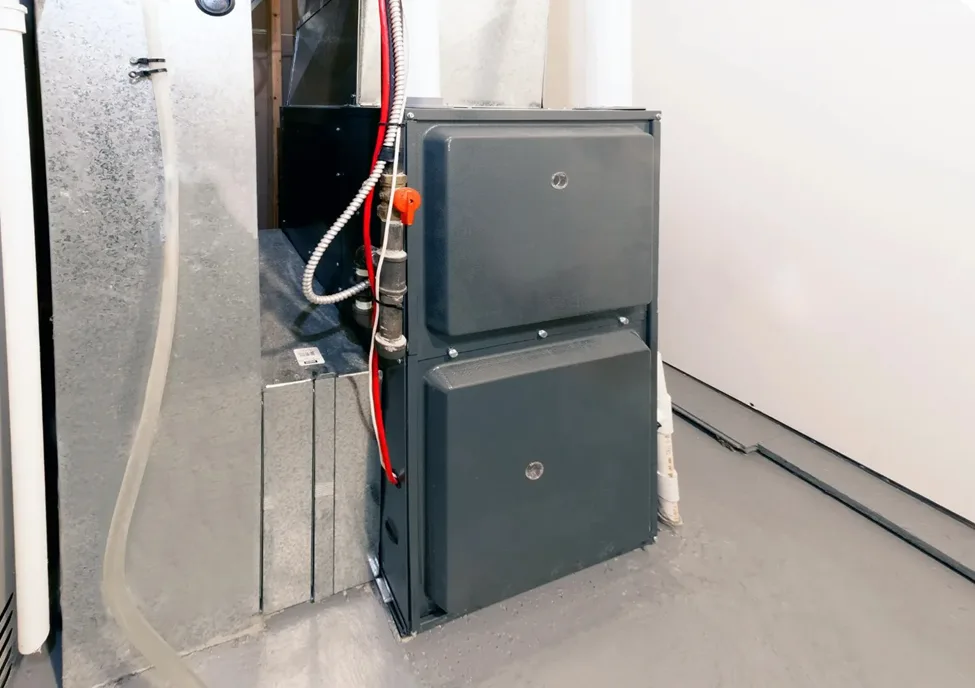
Knowing when your furnace requires immediate professional attention can prevent minor issues from escalating into costly repairs or dangerous situations. During Bend’s colder months, a malfunctioning furnace is more than an inconvenience; it’s a safety concern. Being able to identify critical signs of failure allows you to act swiftly, ensuring your family’s comfort and safety.
Critical Signs of Furnace Malfunction
Several indicators signal that your furnace might be in distress and require emergency repair. A primary concern is a complete lack of heat or a furnace that simply won’t turn on. Beyond that, unusual noises such as banging, clanking, squealing, or grinding sounds emanating from the unit are red flags, often indicating mechanical issues like a failing blower motor or loose components. Inconsistent or uneven heating throughout your home, where some rooms are warm while others remain cold, suggests a problem with heat distribution or the furnace’s ability to maintain a consistent temperature. Frequent cycling, where the furnace turns on and off too often, can point to a clogged filter, a faulty thermostat, or an improperly sized unit. Furthermore, a sudden and unexplained spike in your energy bills without a corresponding increase in usage can indicate that your furnace is working harder and less efficiently than it should be. Lastly, any strange odors, such as a burning smell (which could be dust burning off, but also electrical issues) or, more critically, a sulfur or rotten egg smell (indicating a gas leak), demand immediate attention. Poor indoor air quality, characterized by excessive dust or dryness, can also be a symptom of a struggling furnace or inadequate filtration.
The Role of Modern Ignitors in System Reliability
Modern furnaces have largely moved away from pilot lights, relying instead on electronic ignition systems. While more efficient and safer, these ignitors are still components that can wear out or malfunction. A common cause for a furnace failing to ignite or blowing cold air is a faulty ignitor. When the ignitor fails, the furnace cannot start the combustion process to produce heat. Diagnosing and replacing a faulty ignitor requires specialized knowledge and tools, making it a task best left to professional technicians. Understanding these critical components and their function contributes significantly to overall Bend HVAC customer satisfaction by ensuring prompt and accurate repairs that restore heat efficiently.
Immediate Steps to Take During a Winter Heating Failure
If your furnace suddenly fails during cold weather, there are several immediate steps you can take while waiting for professional help. First, check your thermostat settings to ensure it’s set to “heat” and at a temperature above your current room temperature. Next, inspect your furnace’s air filter; a clogged filter can restrict airflow and cause the system to overheat or shut down. Replace it if it’s dirty. Verify the furnace’s power supply by checking your home’s breaker panel for any tripped breakers. If you smell gas or hear loud, unusual noises, turn off the furnace immediately at the unit and at the breaker, then evacuate your home and call emergency services. To retain heat, close off unused rooms, use extra blankets, and seal any obvious drafts around windows and doors. These actions can help manage the situation and ensure safety until a technician arrives.
What to Expect During a Professional Service Call
When you call for emergency furnace repair, you’re not just calling for a fix; you’re calling for expertise, efficiency, and peace of mind. Knowing what to expect during a professional service call can help alleviate stress and ensure a smooth resolution to your heating emergency.
Comprehensive Diagnostics and Safety Inspections
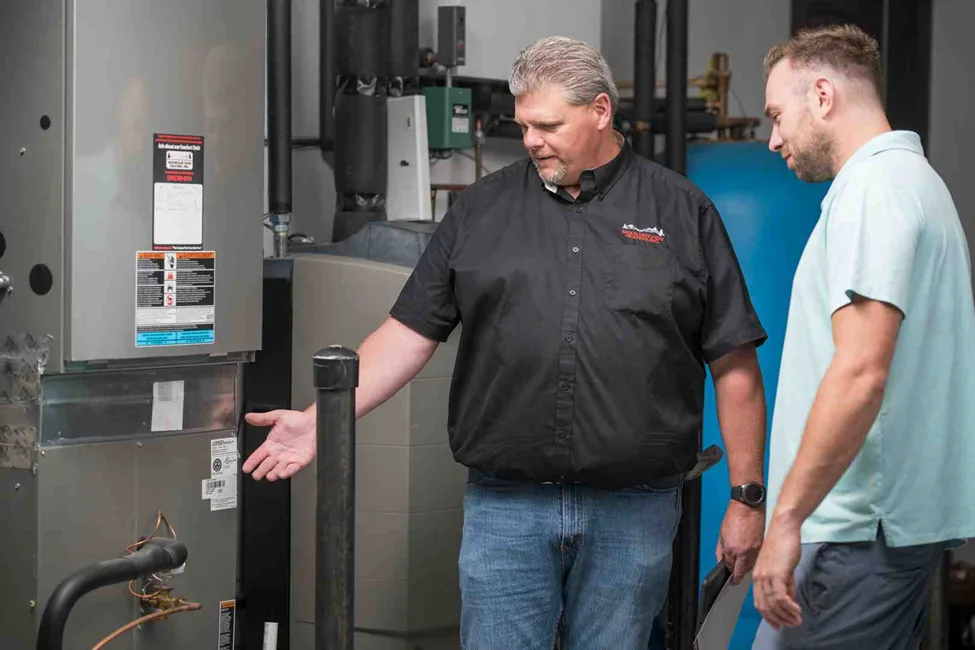
Upon arrival, a professional HVAC technician will typically begin with a comprehensive diagnostic assessment of your furnace. This involves more than just identifying the immediate problem; it includes a thorough inspection of the entire system to uncover any underlying issues that could lead to future breakdowns. This process often includes checking the heat exchanger for cracks, inspecting the electrical connections for wear or damage, and analyzing airflow throughout the system. Critically, safety inspections are paramount, especially for gas furnaces. Technicians will perform carbon monoxide testing to ensure there are no dangerous leaks and verify that the combustion process is operating safely. They will also inspect the ductwork for leaks or blockages that could be impacting efficiency and air distribution. This meticulous approach ensures that once the repair is complete, your system is not only functional but also operating safely and efficiently.
The Importance of NATE-Certified Technicians
Choosing an HVAC company that employs NATE-certified technicians is a significant advantage. NATE (North American Technician Excellence) certification is a rigorous, industry-recognized standard that demonstrates a technician’s comprehensive knowledge and expertise in heating, ventilation, air conditioning, and refrigeration. These certifications are not easily earned and require ongoing education, ensuring technicians are up-to-date with the latest technologies and best practices. When a NATE-certified technician services your furnace, you can expect a higher level of diagnostic accuracy, leading to more effective and lasting repairs. Their expertise means they can quickly identify the root cause of complex issues, recommend appropriate solutions, and install quality parts correctly, ultimately contributing to your system’s longevity and reliable performance. This commitment to professional excellence translates directly into superior service and greater confidence in your home’s heating system.
Proactive Maintenance for Long-Term Comfort and Efficiency
While emergency repairs address immediate crises, proactive maintenance is the cornerstone of long-term comfort, efficiency, and system reliability. Regular attention to your furnace can significantly extend its lifespan, reduce energy costs, and prevent unexpected breakdowns, especially during Bend’s coldest periods.
Simple Homeowner Maintenance Tasks
Homeowners can play a crucial role in maintaining their furnace’s health with a few simple, routine tasks. The most important is regularly changing your air filter. We recommend checking it monthly and replacing it every 30 to 90 days, or more frequently if you have pets or allergies. A clean filter ensures proper airflow, which is vital for both system efficiency and indoor air quality. Another easy task is keeping all vents and registers clear of obstructions like furniture, rugs, or drapes to allow for unrestricted heat distribution. Monitoring your thermostat settings and ensuring they are appropriate for the season can also prevent unnecessary strain on your system. For outdoor units, such as those found in heat pump systems, ensure they are clear of debris, snow, and ice to maintain proper airflow. These small efforts can make a big difference in your furnace’s performance and help you avoid many common issues.
The Value of Annual Professional Tune-Ups
Beyond homeowner tasks, annual professional tune-ups are indispensable for maximizing your furnace’s efficiency and lifespan. During a tune-up, a certified technician performs a thorough system cleaning, removing dust and grime that can accumulate on components and hinder performance. They will also lubricate moving parts to reduce friction and wear, check for any signs of wear and tear on critical components, and make necessary adjustments. This preventative approach allows technicians to detect potential issues early, such as a weakening blower motor or a minor gas leak, before they escalate into major, costly repairs. An annual tune-up ensures your furnace operates at peak efficiency, which translates into lower energy bills and a more comfortable home throughout the heating season. It’s an investment that pays dividends in reliability, safety, and peace of mind.
Frequently Asked Questions About HVAC Customer Satisfaction
We often hear similar questions from homeowners concerned about their heating systems. Here are some of the most common inquiries regarding emergency furnace repair and maintenance in Bend, OR:
How quickly can a technician resolve a heating emergency in Bend?
Many HVAC companies in Bend, OR, pride themselves on offering same-day or 24-hour service, especially during severe cold weather. While response times can vary based on local demand and the specific company, the goal is always to restore heat safely and quickly. Minor repairs can often be completed within a few hours, while more extensive issues might take longer, sometimes requiring a follow-up visit if specialized parts are needed.
What is included in a standard residential heating inspection?
A standard heating inspection typically involves a comprehensive check of all major furnace components. This includes inspecting the heat exchanger, checking the ignitor or pilot light, assessing the blower motor, examining electrical connections, testing safety controls, and verifying thermostat accuracy. Technicians also often check the air filter, inspect ductwork for leaks, and perform carbon monoxide testing for gas furnaces. The goal is to ensure the system is running efficiently and safely.
How does regular maintenance improve indoor air quality?
Regular furnace maintenance significantly improves indoor air quality by ensuring that your system’s filtration is effective and that no harmful byproducts are being released. This includes routinely changing air filters to trap dust, allergens, and other airborne particles. During professional tune-ups, technicians clean components that can accumulate dust and mold, such as the blower assembly and evaporator coils (in heat pumps). For gas furnaces, maintenance ensures proper combustion, preventing the release of dangerous carbon monoxide into your home. Clean systems circulate cleaner air, reducing respiratory irritants and creating a healthier living environment.
Conclusion
Ensuring your home remains warm and safe, especially during Bend’s chilly winters, is a top priority. While the need for 24-hour furnace repair can be stressful, understanding the signs of a malfunction, knowing what to expect from professional service, and committing to proactive maintenance can significantly ease the burden. Our aim is to empower homeowners with the knowledge to make informed decisions, emphasizing that prioritizing quality service and consistent care for your heating system leads to lasting comfort and peace of mind. By choosing reliable, expert HVAC professionals and staying vigilant with your furnace’s health, you invest in the long-term satisfaction and safety of your home.