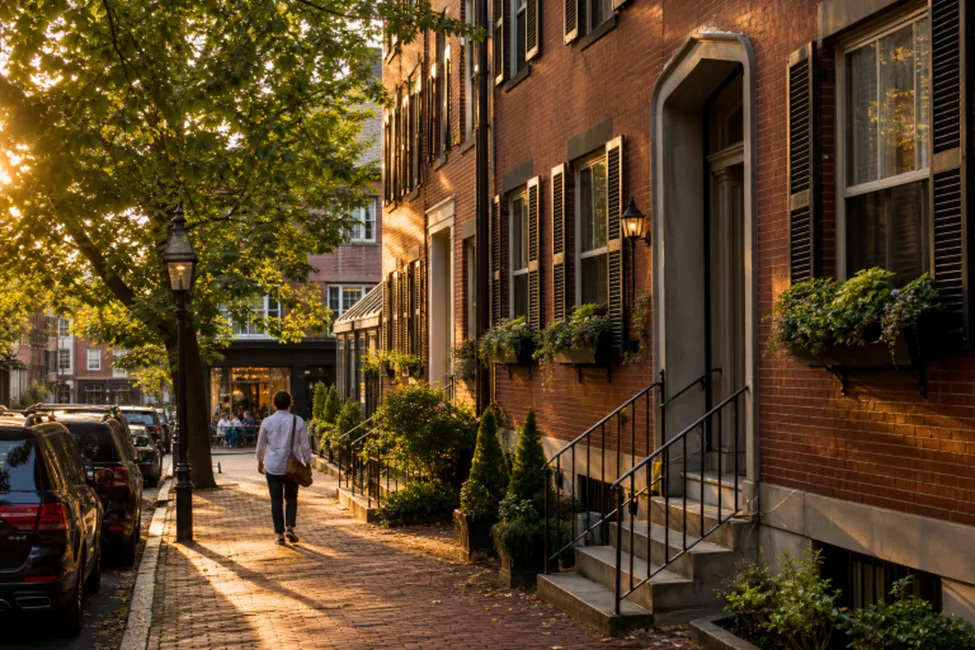
A well-designed home can be a poor long-term choice if the neighborhood does not work for the life you actually lead. In Boston, a few blocks can change a commute, parking routine, street noise, access to green space, and even how easily you can run an ordinary errand. Before making an offer, evaluate the setting with the same care you give the kitchen, layout, and finishes.
Buyers seeking a local perspective on condominiums, single-family homes, new construction, and high-end properties can explore the best Boston luxury real estate agent from Ricardo Rodriguez & Associates. The Boston-based team’s website includes property, community, buyer, and market resources spanning Boston and the broader New England region, making it a useful starting point for buyers who need neighborhood-level context alongside property research.
Why the Neighborhood Often Matters More Than the House
A house can be renovated. A daily route, surrounding traffic patterns, a station walk, or a lack of nearby services is much harder to change. Location affects how much time you spend commuting, how often you drive, whether guests can visit easily, and how appealing the property may be to a future buyer.
Instead of judging an area solely through listing photos or a quick online search, picture a normal Tuesday. Where will you buy groceries? How will you get to work? Where will the dog walk happen in bad weather? Can you reach a pharmacy, gym, park, school, or dinner reservation without turning every task into a trip across town?
Start With a Daily-Life Checklist
Write down the activities that shape your week, then label each one as a “must have,” “helpful,” or “optional.” This keeps the search focused when several attractive neighborhoods compete for your attention.
- Work, school, and family-visit commutes.
- Access to grocery stores, medical care, childcare, and pet care.
- Parks, restaurants, libraries, gyms, and cultural spaces.
- Parking needs and highway access.
- Convenient subway, bus, commuter rail, ferry, or bike routes.
Compare Neighborhoods by Lifestyle Fit
Boston is not one uniform market. Back Bay, Beacon Hill, Charlestown, Dorchester, Jamaica Plain, Roslindale, South Boston, West Roxbury, and Brighton each offer distinct rhythms, and even within a single neighborhood, conditions can vary considerably from block to block.
- Urban and walkable: Prioritize everyday retail, transit access, restaurants, sidewalks, and activity level.
- Family-focused: Consider parks, school routes, street crossings, bedroom count, storage, and space for changing needs.
- Quieter and more residential: Compare lot sizes, parking, local services, and the trade-off between calm surroundings and commute time.
- Waterfront or historic: Look closely at maintenance expectations, weather exposure, insurance, preservation requirements, and visitor traffic.
Test the Commute in Real Conditions
Map estimates are only a starting point. A route that appears easy at midday may feel very different during school drop-off, evening rush hour, a major event, construction, or winter weather. Test the trip from the property at the times you expect to travel.
- Make the usual morning commute.
- Repeat it during the evening rush.
- Try a backup route or transit option.
- Walk from the home to the nearest stop or station.
- Ask whether snow, rain, darkness, or limited parking would change the routine.
Walk the Block at Three Different Times
Visit in the morning, after work, and after dark. If possible, add a weekend visit. Each trip can reveal something the showing did not: delivery traffic, restaurant noise, rail activity, parking turnover, school congestion, lighting, or the actual level of pedestrian activity.
Pay attention to sidewalks, crosswalks, streetlights, building entrances, and the distance to places you will use often. A lively block may feel energizing to one buyer and exhausting to another. The goal is not to find a universally perfect street, but to find one that suits your tolerance for activity, quiet, and convenience.
Look Beyond the Current View
Research what may change near the home. Planned housing, road work, retail development, park improvements, transit projects, and zoning changes can affect access, noise, views, and future demand. Construction can be disruptive, but it can also bring practical improvements such as safer crossings, new open space, or better connections.
In areas near Boston Harbor, ask additional questions about drainage, flood exposure, insurance, and resilience work. Also, review whether a historic district, easement, or local rule could affect renovations, additions, exterior materials, or parking arrangements.
Measure Value With More Than Price Per Square Foot
The lower list price is not always the lower-cost choice. Compare the complete monthly and long-term picture, including:
- Property taxes, homeowners’ insurance, and potential flood-related costs.
- Condominium fees, assessments, parking fees, and reserve funding.
- Heating, cooling, utilities, and expected maintenance.
- Commute expenses, childcare logistics, and frequent ride-share or parking costs.
- Likely repairs, renovation needs, and the condition of major systems.
Check Physical and Legal Details
Neighborhood due diligence should not replace property due diligence. Review the roof, foundation, windows, heating system, plumbing, electrical service, drainage, and any signs of water damage. Ask about permits, past renovations, lead paint, condo documents, parking rights, easements, and disclosures.
Before signing binding documents, buyers should understand the inspection process and seek appropriate legal guidance. Massachusetts offers a useful overview of the homebuying process in Massachusetts, including steps buyers should consider before closing.
Use Local Expertise Without Giving Up Personal Judgment
A knowledgeable professional can explain block-by-block pricing, renovation patterns, condo market differences, buyer demand, and likely resale considerations that may not appear in a listing. Still, no one else can decide whether a neighborhood fits your routines. Use expert input to verify facts and understand trade-offs, then make the decision based on your priorities.
A Simple Neighborhood Scoring Method
When comparing several areas, avoid relying on memory alone. Give each neighborhood a score from one to five for commute, daily convenience, noise, outdoor access, property condition, and future projects. Weigh the categories that matter most to you, then write one clear advantage and one concern for every finalist. Revisit your top two choices before submitting an offer.
Final Offer-Ready Checklist
- The commute has been tested at realistic times.
- The block has been visited during the day and at night.
- Noise, parking, sidewalks, and pedestrian activity have been reviewed.
- Planned projects and neighborhood changes are understood.
- Taxes, insurance, fees, utilities, and repairs fit the budget.
- Property records, disclosures, inspection needs, and legal considerations have been reviewed.
- The neighborhood still supports your life five years from now.
Conclusion
Choosing the right Boston home means looking beyond the property itself. By evaluating the neighborhood, understanding long-term costs, researching future changes, and completing thorough due diligence, buyers can make informed decisions that support their lifestyle, protect their investment, and provide confidence well beyond the closing date.