Your bathroom gets used every single day, which makes it one of the easiest rooms to overlook and one of the most frustrating when it stops working well. A remodel can fix layout problems, improve storage, and make mornings less chaotic. If you’re planning updates, it helps to think beyond paint colors and tile trends. The smartest bathroom remodels balance style, budget, durability, and the way you actually live.
Start With What Bothers You Most
Before you pick finishes, look at the real problems. Maybe your shower feels cramped, your vanity has zero storage, or the lighting makes you look like you’re starring in a low-budget horror movie. A solid remodel starts with function.
Write down what annoys you every week. Be specific.
– Not enough counter space
– Poor ventilation
– Outdated tub you never use
– Slippery flooring
– Hard-to-clean grout lines
– No room for towels or toiletries
This list keeps you focused when design decisions start multiplying. It also helps you separate wants from needs. Heated floors are nice. A leak-free shower and proper lighting matter more.
When you know your pain points, you make decisions faster and waste less money on features that look good in photos but don’t improve your daily routine.
Think About Layout Before Style
A beautiful bathroom still feels wrong if the layout is awkward. Good flow matters more than many people expect. You should be able to move through the room without bumping into doors, knees, or corners.
Ask yourself practical questions.
– Does the door hit the vanity?
– Is there enough clearance around the toilet?
– Can two people use the space comfortably?
– Would a walk-in shower work better than a tub?
– Is the storage where you actually need it?
Sometimes the best update is not a dramatic expansion. It may be replacing a bulky vanity, changing the shower shape, or choosing a sliding glass door.
If you’re working with a local remodeling company such as Bath Planet Local, it helps to discuss how the space functions in real life, not just how you want it to look on reveal day. A smart layout gives you long-term value every morning after that.
Set a Budget That Can Handle Reality
Bathroom remodel budgets have a habit of growing teeth. Demolition reveals water damage. Old plumbing needs updating. The tile you liked online suddenly costs way more in person. Planning for that upfront saves you from budget panic later.
Break your budget into categories:
– Demolition and disposal
– Plumbing and electrical work
– Fixtures and hardware
– Tile and flooring
– Vanity and storage
– Labor
– Permit costs
– Contingency fund
Try to keep a buffer of at least 10 to 20 percent for surprises. Bathrooms pack a lot of systems into a small footprint, so hidden issues are common.
If you’re comparing contractors or remodel services, look beyond the lowest number. A cheap quote can leave out prep work, waterproofing, or cleanup. That bargain may end up being a financial jump scare. Clear estimates usually tell you far more than flashy promises.
Choose Materials That Can Survive Daily Use
Bathrooms deal with steam, splashes, heat, cleaning products, and constant traffic. That means your materials need to work hard. Looks matter, but performance matters more once real life enters the room with wet feet and hair products.
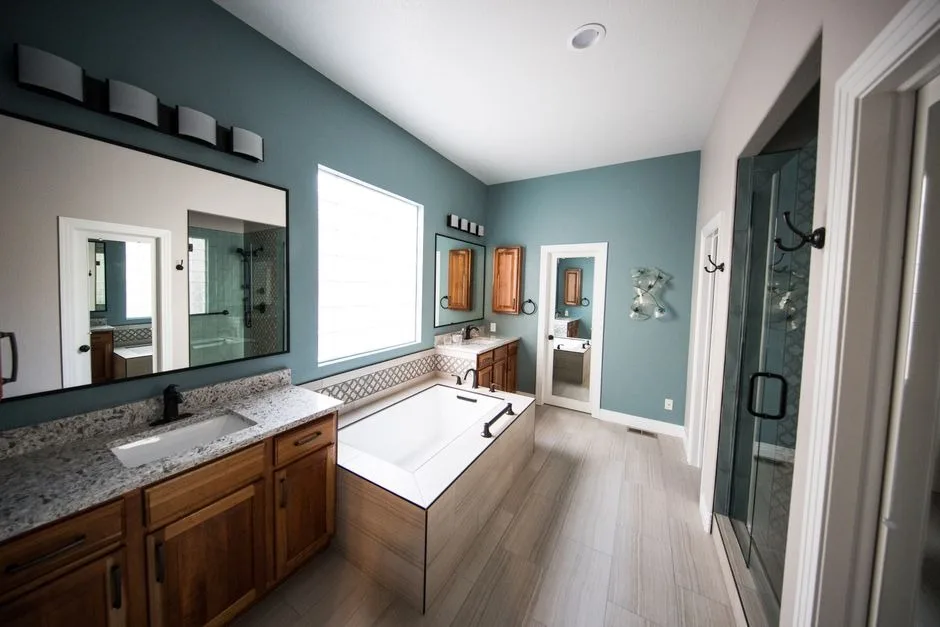
Porcelain tile is popular for a reason. It’s durable, water-resistant, and easier to maintain than some natural stone options. Quartz countertops also make sense for many bathrooms because they resist stains and don’t need much upkeep.
For walls and showers, think about maintenance as much as appearance. Tiny mosaic tiles may look amazing, but they come with lots of grout lines. More grout usually means more scrubbing.
Keep these factors in mind:
– Slip resistance for flooring
– Moisture resistance
– Ease of cleaning
– Durability over time
– Repair or replacement cost
A material that saves you thirty minutes of cleaning every week earns its place. Pretty surfaces are great. Pretty surfaces that don’t become maintenance drama are better.
Don’t Underestimate Lighting and Ventilation
Many bathroom problems come down to two invisible issues: bad lighting and weak ventilation. If you ignore either one, even an expensive remodel can feel unfinished.
Layered lighting works best. You need overhead light for general visibility, task lighting around the mirror for shaving or makeup, and maybe accent lighting if you want a softer look at night. One ceiling fixture in the middle rarely does the job well.
Ventilation matters just as much. A quality exhaust fan helps control moisture, odors, and mold risk. That’s especially important in bathrooms with limited windows or heavy daily use.
A few details make a huge difference:
– Install mirror lighting at face level when possible
– Use bulbs with flattering, natural-looking color temperature
– Put lights on separate switches
– Choose an exhaust fan sized for the room
– Consider humidity-sensing fan options
Good lighting helps you see. Good ventilation helps your bathroom age gracefully. Both pull more weight than trendy decor ever will.
Plan Storage Like Someone Actually Lives There
Storage often gets treated like an afterthought, then everyone wonders why the counters stay cluttered. A bathroom remodel gives you a chance to build in order instead of fighting chaos later.
Think about what needs a home.
– Everyday toiletries
– Cleaning supplies
– Extra toilet paper
– Towels
– Hair tools
– Medicine or first-aid items
Drawers usually work better than deep cabinets because you can reach what’s inside without crouching and digging. Vertical storage also helps in smaller bathrooms. Recessed shelving, tall cabinets, and vanity organizers can give you more function without eating up floor space.
If multiple people share the bathroom, split storage zones when possible. Even a simple drawer assignment can prevent the classic morning search for a missing toothbrush charger or hairbrush.
The best storage feels invisible because it supports your routine without demanding attention. That kind of convenience adds up quickly.
Work With Pros Who Understand Bathroom-Specific Problems
Not every contractor handles bathrooms with the same level of skill. This room has plumbing, electrical work, waterproofing, ventilation, and tight-space installation challenges packed into one compact area. It rewards experience and punishes shortcuts.
When you vet professionals, ask direct questions.
– How do you handle waterproofing in shower areas?
– What’s included in demolition and cleanup?
– Will permits be needed?
– What timeline should you realistically expect?
– How are change orders handled?
– What products or systems do they install most often?
Look for clear communication and detailed estimates. Reviews can help, but they’re only one piece of the puzzle. You also want proof that the company understands bathroom performance, not just bathroom aesthetics.
A reliable team can help you avoid common mistakes like poor drainage slope, weak ventilation, awkward fixture placement, or materials that wear out too fast. Those issues are expensive to correct once the room is finished.
Focus on Value, Not Just Trends
Trends can be fun, but your bathroom needs staying power. A remodel should still feel practical and attractive years from now, not just while a certain color palette dominates social media.
That doesn’t mean playing it safe with every choice. It means being strategic. Use timeless features for permanent elements like tile, layout, and major fixtures. Add trend-driven personality through mirrors, hardware, paint, or accessories that are easier to change.
Think about value in a few ways:
– Daily comfort
– Cleaning and maintenance time
– Durability
– Accessibility for future needs
– Appeal if you ever sell your home
If you plan carefully, your remodel can improve both function and resale potential. More importantly, it can make a heavily used part of your home feel easier to live with every day.
A great bathroom doesn’t need to be enormous or flashy. It needs to work, hold up, and make your routine smoother. That’s the kind of upgrade you’ll keep appreciating long after the dust settles.