
Connecticut weather can shift quickly from soaking rain and coastal winds to heavy snow, ice, and freeze-thaw conditions. For homeowners, storm preparation is less about trying to make a house indestructible and more about finding minor weaknesses before they allow water, wind, or debris to cause larger damage. A seasonal exterior routine gives homeowners time to plan repairs rather than react to emergencies. For help evaluating visible roofing, siding, gutter, and trim concerns, Epic Exteriors can be a useful local starting point for Connecticut property owners. Timely attention to loose materials, drainage problems, and deteriorating seals can help protect the parts of a home that work together to shed water. Connecticut’s hurricane season runs from June 1 through November 30, but exterior maintenance matters year-round. State guidance encourages residents to clear rain gutters, trim vegetation, secure outdoor items, and follow official directions when a storm threatens. Those basic steps are especially relevant in neighborhoods with mature trees, exposed hilltop lots, or homes close to Long Island Sound. Winter brings a different set of concerns. Repeated melting and refreezing can stress roof edges, gutters, caulked joints, and drainage paths. A home that handles ordinary rainfall poorly may be more vulnerable when snowmelt and ice add moisture around the roofline and foundation.
Start With a Safe Ground-Level Inspection
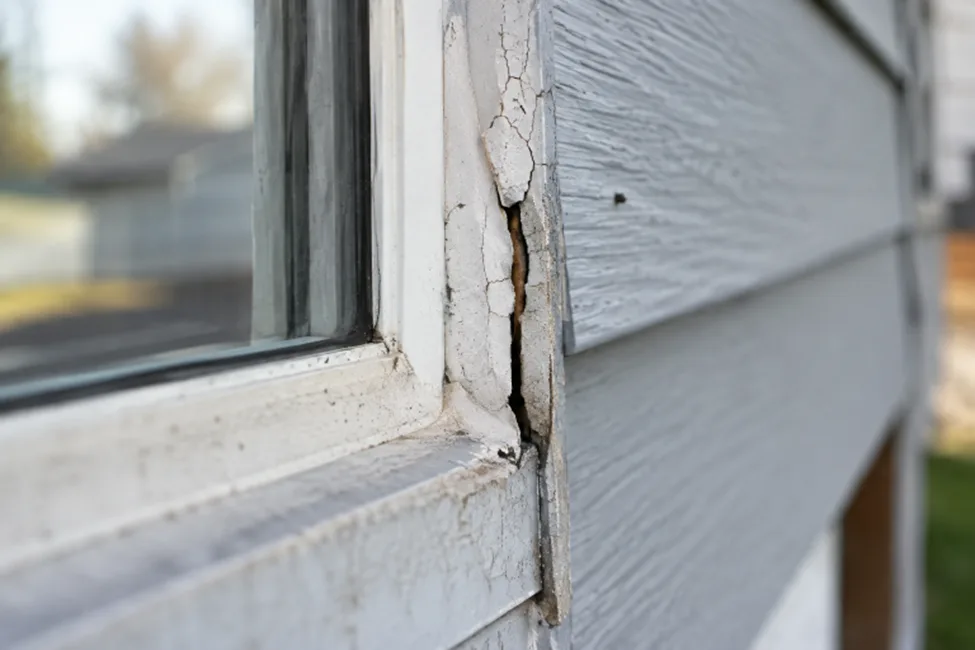
Begin by walking slowly around the property on a dry day. Do not climb onto a roof or use an unstable ladder to investigate a concern. From the ground, look for missing, curled, cracked, or lifted shingles; loose flashing near chimneys, vents, and skylights; sagging gutters; and downspouts pulling away from the wall. Also, inspect siding, corner trim, soffits, windows, and doors. Open seams, cracked caulk, warped boards, loose panels, damaged screens, and gaps around frames deserve attention. Look upward for branches touching the roof or hanging over it. Inside, water stains on ceilings, damp attic insulation, peeling paint, musty odors, or visible daylight can signal that water has found a path through the exterior.
Prepare the Roof Before Severe Weather
The roof is the home’s first line of defense against rain and wind-driven moisture. Even a small opening near a roof edge, valley, vent, chimney, or skylight can allow water beneath the roof covering. Check these areas from safe viewing points and schedule a professional inspection if the roof is aging, hard to see, or showing visible damage. Address repair needs before a forecasted storm whenever possible. Emergency repairs performed during high winds, lightning, icy conditions, or heavy rain can create serious risks. If a leak is suspected, inspect the attic from a stable surface and look for damp insulation, stains, or wet wood. Avoid stepping on ceiling areas that appear swollen or water-damaged.
Clean and Test Gutters and Downspouts
Gutters are not simply a finishing detail. When they overflow, water can wet fascia boards, saturate soil near the foundation, erode landscaping, and contribute to moisture issues in lower levels. Before a period of heavy rain, remove leaves, pine needles, and visible roof debris from accessible sections.
Simple Gutter Preparation Steps
- Clear debris from gutters only when the work can be done safely.
- Flush downspouts with water to confirm they are not blocked.
- Make sure downspouts discharge several feet away from the foundation.
- Check for loose hangers, separated joints, corrosion, and leaking seams.
- Inspect splash blocks and make sure water has a clear path away from the house.
The Connecticut Insurance Department advises residents to review coverage, photograph their property, clear gutters and downspouts, and secure objects that could blow away before severe weather. Its guidance also notes that standard homeowners policies do not typically cover flood damage, so policyholders should review exclusions, limits, and deductibles with their insurer before they need to file a claim.
Check Siding, Trim, and Exterior Walls
Siding and trim help direct water away from wall assemblies, windows, and doors. Loose panels, missing fasteners, damaged corner posts, cracked caulk, and separated trim can create entry points for wind-driven rain. Pay close attention to areas around hose bibs, dryer vents, utility lines, exterior lights, and other wall penetrations. Small gaps can worsen after repeated wetting and freezing. Replacing failed caulk, reattaching loose trim, or arranging repairs for damaged siding before storm season can help prevent more extensive water-related repairs later.
Protect Windows, Doors, and Skylights
Check window and door glass, locks, weatherstripping, screens, exterior trim, and visible sealant. Replace damaged weatherstripping and address gaps that allow drafts or water intrusion. Skylights need special attention because their flashing and surrounding roof materials must remain intact to shed water properly. Before strong winds arrive, close and lock windows and doors, then move patio furniture, planters, tools, decorations, and bins away from glass. Do not rely on tape applied to window glass as a substitute for sound windows, proper protection, or official emergency instructions.
Reduce Risks Around Trees and Outdoor Items
Walk the yard and look for dead limbs, split branches, leaning trunks, and vegetation overhanging the roof. A qualified tree professional should assess large, high, or hazardous limbs, especially those near power lines or the house. Bring lightweight outdoor items indoors, secure what cannot be moved, and store ladders where wind cannot lift or tip them.
Document the Home Before a Storm
- Take wide photographs of every side of the home.
- Photograph the roof, gutters, siding, windows, doors, fences, and detached structures from safe locations.
- Save receipts, contracts, and warranties for recent repairs or improvements.
- Create a basic inventory of important belongings and high-value items.
- Keep digital copies in secure cloud storage or another location outside the home.
What to Do After the Storm
Wait until conditions are safe and follow instructions from local officials. Stay away from downed power lines, damaged trees, standing water, and unstable structures. Inspect the attic and upper floors for signs of leaks, take photographs before cleanup when practical, and contact the insurer promptly if damage may result in a claim. Use temporary measures only if they can be completed safely. Roof damage, electrical concerns, major water intrusion, structural movement, and large tree removal are jobs for qualified professionals. Homeowners can usually handle lower-risk tasks such as moving outdoor items, replacing simple weatherstripping, clearing accessible debris, and documenting visible conditions.
Common Questions About Storm Preparation
How Often Should a Home Exterior Be Checked?
A seasonal review is a practical baseline, along with another inspection after major wind, hail, snow, ice, or prolonged rain. Older homes and properties near mature trees may benefit from closer monitoring.
Can a Clogged Gutter Damage the Foundation?
Overflowing gutter water can collect beside the foundation, erode nearby soil, and increase moisture exposure around lower-level walls. Keeping runoff directed away from the home is an important part of exterior maintenance.
What Is a Common Early Sign of a Roof Leak?
Ceiling stains, damp attic insulation, peeling paint, musty odors, and water marks are common warning signs. A small interior stain may indicate a problem elsewhere on the roof, so a professional assessment may be needed.
Build a Simple Storm-Ready Routine
Connecticut homeowners do not need an elaborate plan to improve storm readiness. Inspect the exterior regularly, keep drainage paths clear, secure loose objects, document the property, review insurance details, and repair small defects before the next storm arrives. Consistent maintenance can reduce preventable damage and provide greater confidence when the weather turns severe.
Conclusion
Connecticut homeowners can reduce storm-related risks by treating exterior maintenance as a year-round routine rather than something to handle only when severe weather is approaching. Checking the roof, gutters, siding, windows, doors, drainage, and surrounding trees can help identify small problems before they become larger sources of water or wind damage. Keeping gutters clear, directing runoff away from the foundation, securing outdoor items, and documenting the property’s condition are simple steps that can make storm preparation easier. At the same time, homeowners should recognize when professional help is needed for roofing, structural damage, electrical hazards, or dangerous trees. By combining regular inspections with timely repairs and proper preparation, homeowners can better prepare their Connecticut properties for changing weather throughout the year.