Imagine your heating system failing on the coldest night of the year, or your air conditioning giving out during a scorching summer day. These aren’t just uncomfortable situations; they can quickly become serious problems for your home and family. When your HVAC system unexpectedly breaks down, knowing when to call for immediate help is crucial.
We understand the stress and urgency that comes with a sudden heating or cooling malfunction. That’s why we’ve created this extensive guide. We will help you understand what truly qualifies as an HVAC emergency. We will also cover what you should do while waiting for help.
This article will prepare you for unexpected HVAC issues. It will teach you how to choose a reliable provider. We will also discuss financing options and what to expect during a service call. Our goal is to equip you with the knowledge to act quickly and restore comfort to your home. When you need help, knowing where to find reliable 24/7 emergency HVAC services can make all the difference.
Not every HVAC issue warrants an emergency call. A minor drip or a slightly noisy fan might wait for standard business hours. However, some malfunctions pose immediate threats to your safety, health, or property. Recognizing these critical signs is the first step in protecting your home and family.
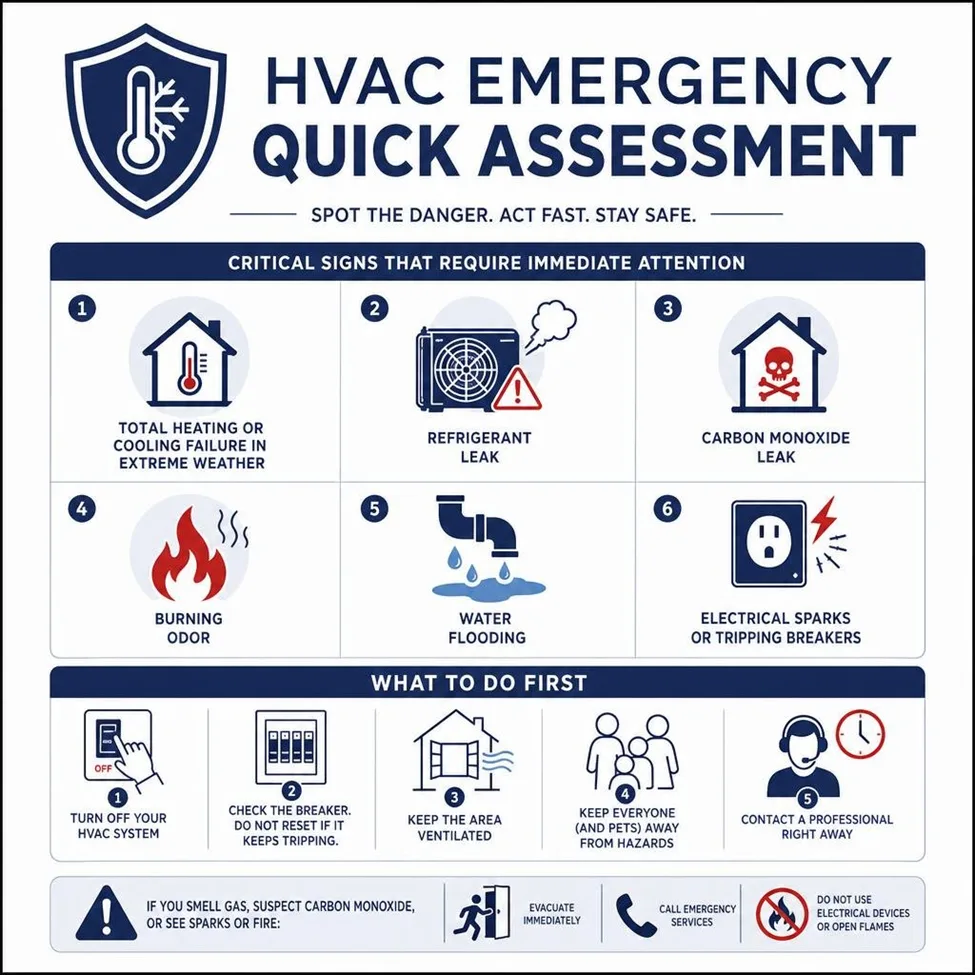
Here is a list of severe HVAC failure indicators that typically qualify as an emergency:
- Total Heating or Cooling Failure in Extreme Weather: If your system completely stops working during a heatwave or a severe cold snap.
- Refrigerant Leak: Indicated by a hissing sound, ice buildup on the outdoor unit, or a sudden drop in cooling efficiency. Refrigerant can be toxic and harmful to the environment.
- Carbon Monoxide Leak: A silent killer, carbon monoxide is odorless and colorless. Signs might include flu-like symptoms (headache, nausea, dizziness) in occupants, or an activated carbon monoxide detector. This is an immediate life-threatening emergency.
- Burning Odor: A distinct smell of burning plastic, rubber, or electrical components originating from your HVAC unit. This often signals an electrical malfunction that could lead to a fire.
- Water Flooding: Significant water pooling around your indoor unit, furnace, or outdoor AC unit. This can cause extensive property damage, mold growth, and electrical hazards.
- Electrical Sparks or Tripping Breakers: Visible sparks, buzzing sounds from the electrical panel, or frequent tripping of the circuit breaker connected to your HVAC system. These are clear indicators of an electrical fault.
Total Heating or Cooling Failure in Extreme Weather
When your HVAC system completely shuts down during periods of extreme weather, it immediately becomes a critical situation. Imagine a furnace failing at midnight in January 2026 when temperatures are well below freezing. This isn’t just uncomfortable; it can lead to frozen pipes, which can burst and cause extensive water damage. More importantly, prolonged exposure to sub-zero cold can pose severe health risks, especially for vulnerable residents such as infants, the elderly, or individuals with pre-existing health conditions. The indoor climate can rapidly become unsafe.
Conversely, an air conditioner breakdown on a humid July 2026 afternoon during a heatwave can also be life-threatening. High temperatures combined with high humidity can lead to heatstroke and other heat-related illnesses. For those with respiratory issues or other medical conditions, a non-functional AC system can quickly escalate into a medical emergency. Extreme weather events place immense mechanical strain on heating and cooling systems, and when they fail under these conditions, immediate professional intervention is essential to restore a safe indoor environment.
Electrical Hazards, Water Leaks, and Odors
Beyond temperature control, certain HVAC malfunctions present direct safety hazards that demand immediate attention.
- Electrical Hazards: If you notice electrical sparking, hear buzzing sounds from your unit or electrical panel, or if the circuit breaker connected to your HVAC system frequently trips, these are red flags. These issues indicate an electrical short circuit or overload, which can quickly lead to an electrical fire. Attempting to reset a continuously tripping breaker without addressing the underlying electrical fault is dangerous and should be avoided.
- Water Leaks and Flooding: While a small drip might be manageable, significant water pooling around your indoor unit (furnace, air handler) or outdoor AC unit is an emergency. This could be due to a clogged condensate drain line, a cracked drain pan, or a refrigerant leak causing excessive ice melt. Unchecked water leaks can cause structural damage to your home, promote hazardous mold growth, and create slip-and-fall risks. If the leak is near electrical components, it also poses a serious electrocution risk.
- Unusual Odors: A burning smell, like melting plastic or burning electrical wires, emanating from your HVAC vents or unit is a strong indicator of an electrical problem or overheating components. This could signal a potential fire hazard. If you detect a strong, sulfur-like smell (like rotten eggs), especially if you have a gas furnace, it could indicate a natural gas leak. Natural gas is highly flammable and explosive, and a leak requires immediate evacuation and a call to your gas provider and emergency services. If you have a carbon monoxide detector and it goes off, or if you experience symptoms like headache, nausea, or dizziness, it could be a carbon monoxide leak from your furnace. Carbon monoxide is deadly and requires immediate action.
What to Do While Waiting for a Technician
When faced with an HVAC emergency, your immediate actions can significantly impact safety and potentially minimize further damage. While waiting for professional help, it’s crucial to follow a few safe, actionable steps.
Safe Steps Before Technician Arrival
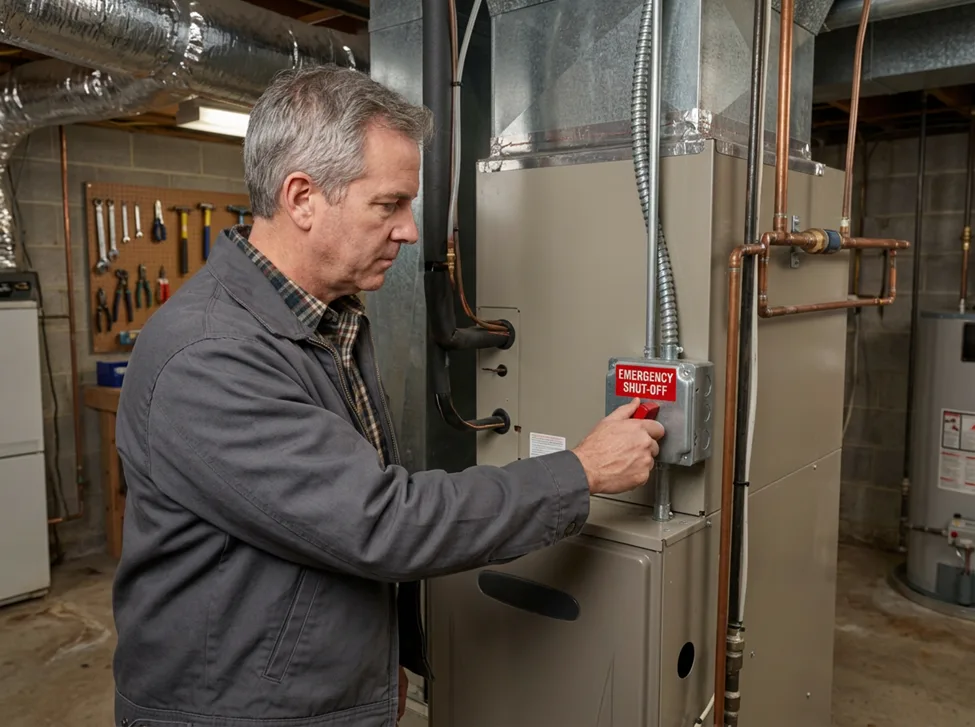
Once you’ve identified an emergency situation, taking the following precautions can help ensure safety for everyone in the home and prepare for the technician’s arrival:
- Shut Off Power to the Unit: For any electrical issues, burning smells, or significant water leaks, immediately turn off the power to your HVAC system at both the thermostat and the main electrical breaker. Locate the dedicated circuit breaker for your furnace or air conditioner in your home’s electrical panel and switch it to the “off” position. This prevents further electrical damage or fire risk.
- Turn Off Gas Supply (if applicable): If you suspect a gas leak (e.g., rotten egg smell), locate the main gas shut-off valve for your furnace or home and turn it off. This is usually a lever or knob near the gas meter or the furnace itself. If you’re unsure, evacuate your home immediately and call your gas utility company from a safe distance.
- Turn Off Your Thermostat: Set your thermostat to “off” to prevent the system from attempting to cycle on, which could exacerbate the problem.
- Increase Ventilation (for odors/gas leaks): If there are unusual odors, especially a gas smell, open windows and doors to ventilate your home. For suspected carbon monoxide, evacuate the premises immediately.
- Clear the Area Around the Unit: Ensure there’s a clear path for the technician to access the indoor and outdoor units. Remove any clutter, furniture, or obstacles that might impede their work.
- Gather Information: Note down any unusual sounds, smells, or visual cues you observed before the breakdown. Having the model and serial number of your unit handy can also be helpful.
Your safety is paramount. Do not attempt complex DIY repairs or tamper with electrical or gas lines beyond the basic shut-off procedures.
What to Expect During Emergency HVAC Repair Services
When you contact a reputable company for emergency HVAC repair services, you can generally expect a structured and efficient process designed to restore your comfort as quickly as possible.
- Live Dispatch and Rapid Response: Most reliable emergency services offer 24/7 live dispatch. This means you’ll speak to a real person who can assess your situation and initiate a service call immediately. Companies like Logan Mechanical understand the urgency and aim for rapid response times, often dispatching technicians within an hour for critical emergencies. Their goal is to get a skilled professional to your home swiftly.
- Technician Arrival and Initial Assessment: A licensed and insured technician will arrive at your home, typically in a clearly branded vehicle. They will begin with a thorough diagnostic inspection of your HVAC system to pinpoint the root cause of the problem. They’ll use specialized tools and their expertise to identify the issue, whether it’s a component failure, electrical fault, or refrigerant leak.
- Transparent Explanation and Upfront Estimate: After diagnosing the problem, the technician should provide a clear, easy-to-understand explanation of what went wrong. They will then present an upfront, flat-rate estimate for the repair. Reputable companies pride themselves on transparent pricing, ensuring there are no hidden fees or surprise charges, even for after-hours calls. You should feel comfortable asking questions and understanding the proposed solution before any work begins.
- Immediate Repair and Testing: Once you approve the estimate, the technician will proceed with the repair. Emergency service vehicles are typically well-stocked with common parts, increasing the likelihood of a first-visit resolution. After the repair is completed, the technician will rigorously test the system to ensure it’s functioning correctly and safely. They should also perform a final check to ensure all components are operating optimally.
- Follow-Up and Recommendations: The technician may offer advice on how to prevent future emergencies and discuss options for preventative maintenance. They might also provide information on warranties for the parts and labor involved in the repair. For reliable 24/7 emergency HVAC services that prioritize customer satisfaction, this comprehensive approach ensures peace of mind.
Understanding Repair Costs and Service Plans
One of the primary concerns homeowners have when facing an emergency HVAC repair is the cost. It’s a common misconception that emergency services always come with exorbitant fees. While some companies might charge a premium for after-hours calls, many reputable providers are moving towards more transparent and predictable pricing models.
Evaluating Costs and Memberships for Emergency HVAC Repair Services
Historically, emergency HVAC services were often associated with higher costs due to overtime labor rates. However, in August 2026, many leading companies offer flat-rate pricing models, meaning the cost of the repair remains the same whether you call at noon or 2 AM. This eliminates surprise hourly surcharges and provides homeowners with clarity before work begins. Always confirm a company’s pricing policy upfront.
To mitigate unexpected repair costs and ensure priority service, many HVAC companies offer membership or loyalty programs. These plans, often called “Comfort Clubs” or “Service Shield” programs, typically include:
- Priority Dispatch: Members often receive priority scheduling for emergency calls, ensuring a faster response time during peak demand periods (like heatwaves or cold snaps).
- Discounted Parts and Labor: Many programs offer a percentage discount (e.g., 10-20%) on all repairs, including emergency services.
- Preventative Maintenance: Most memberships include annual tune-ups for your heating and cooling systems. These proactive checks can help identify potential issues before they become emergencies, extending the lifespan of your unit and improving efficiency.
- No Overtime Charges: Some programs waive overtime fees for members, providing significant savings for after-hours emergencies.
- Guarantees and Warranties: Members might benefit from extended warranties on repairs or installations.
While there’s an upfront cost for these memberships, the long-term savings from discounts, priority service, and preventative maintenance can often outweigh the initial investment, making them a worthwhile consideration for homeowners. When evaluating a provider, inquire about their membership options and how they can benefit you during an emergency.
How to Choose a Reliable Emergency Provider
Selecting the right emergency HVAC repair company is crucial for ensuring effective, safe, and trustworthy service. Not all providers are created equal, and in a stressful emergency situation, you need a company you can depend on.
Here’s a comparison of qualifications to look for when choosing an emergency HVAC service provider versus what you might expect from a standard repair:
Qualification Aspect Standard Repair Provider Emergency Repair Provider Availability Typically business hours, possibly limited weekend hours. 24/7, 365 days a year, including holidays and weekends. Response Time Scheduled appointments, often next day or within a few days. Rapid dispatch, often within 1-2 hours for emergencies. Technician Licensing Licensed and certified technicians. Licensed, insured, and highly trained for urgent issues. Vehicle Stocking May need to order parts, leading to multiple visits. Fully stocked service vehicles for first-visit resolution. Service Area Specific local areas. Clearly defined, often broader, local service areas. Labor Warranty Standard warranty, typically 30-90 days. Comprehensive warranty, often 1-2 years on parts and labor. Pricing Transparency Detailed estimates, hourly rates common. Upfront, flat-rate pricing with no hidden overtime fees. Reputation & Reviews Good reviews, established local presence. Excellent reviews, long-standing trust in the community. Customer Service Standard booking and inquiry process. Live dispatch, empathetic and urgent response. When making your choice, prioritize companies that emphasize:
- 24/7 Availability: A true emergency service means they are available around the clock, every day of the year.
- Licensed and Insured Technicians: Verify that technicians are properly licensed, certified, and insured. This protects you from liability and ensures they meet industry standards. Some top-tier companies boast a large staff of licensed technicians (e.g., 13 licensed technicians) to ensure quick dispatch even during peak demand.
- Strong Local Reputation: Look for companies with a long history of trusted service in your community. Online reviews (Google, Yelp, etc.) and local awards (like “Best of the Bay”) can provide valuable insights into their reliability and customer satisfaction.
- Transparent Pricing: Insist on upfront, flat-rate pricing before any work begins. Avoid companies that are vague about costs or pressure you into immediate repairs without a clear estimate.
- Comprehensive Warranties: A reputable company will stand behind its work. Look for providers that offer robust parts and labor warranties on their repairs (e.g., a 1-year or 2-year guarantee).
- Fully Stocked Vehicles: This indicates preparedness. Technicians arriving with well-stocked trucks are more likely to resolve your issue on the first visit, saving you time and further discomfort.
- Clear Communication: The company should communicate clearly about arrival times, repair processes, and any potential delays.
By thoroughly vetting potential emergency HVAC providers against these criteria, you can ensure you’re choosing a reliable partner when you need them most.
Frequently Asked Questions About Emergency HVAC Repairs
Facing an HVAC emergency can bring up a lot of questions. Here, we address some of the most common inquiries homeowners have about emergency repair services.
How quickly can a technician arrive for an emergency call?
The speed of a technician’s arrival for an emergency call is a critical factor for homeowners, especially during extreme weather. While specific times can vary based on your location, the time of day, and current demand, reputable emergency HVAC companies strive for rapid response. Many aim for an average emergency response time of under 60 minutes to local homes. Some guarantee same-day service for all emergency calls.
Factors influencing arrival time include:
- Distance: How far your home is from the service company’s dispatch center.
- Technician Availability: The number of licensed technicians on staff and their current workload. Companies with larger teams (e.g., 13 licensed technicians) often have better dispatch capabilities.
- Peak Demand: During severe heatwaves or cold snaps, the volume of emergency calls can surge, potentially extending response times slightly. However, priority is still given to urgent situations.
- Membership Status: As discussed, customers enrolled in membership programs often receive priority dispatch.
When you call, the dispatcher should be able to provide you with an estimated arrival window.
What types of equipment are covered during emergency repairs?
Emergency HVAC repair services typically cover a wide range of heating and cooling systems commonly found in residential properties. This includes, but is not limited to:
- Central Air Conditioning (AC) Units: These are the most common cooling systems.
- Heat Pumps: Systems that provide both heating and cooling.
- Ductless Mini-Splits: Individual zone control systems, popular in additions or smaller spaces.
- Gas Furnaces: A prevalent heating system, especially in colder climates.
- Electric Furnaces: Another common heating system.
- Hot Water Boilers and Radiant Heat Systems: Often found in older homes or specific heating configurations.
- Modulating Equipment: Advanced HVAC systems with variable capacity.
Regardless of the brand or specific type of system, a competent emergency HVAC technician should be trained and equipped to diagnose and repair most major residential heating and cooling equipment. When contacting a service provider, it’s always a good idea to mention the type of system you have, as this can help them dispatch the most appropriately skilled technician and ensure they bring the right parts.
What financing options are available for urgent repairs?
Unexpected HVAC emergencies can lead to significant repair costs, which can be a financial strain. Fortunately, many reputable HVAC companies understand this and offer various financing options to help homeowners manage these expenses. These options can make immediate, necessary repairs more accessible:
- In-House Payment Plans: Some companies offer their own short-term payment plans, allowing you to pay for the repair over a few weeks or months directly to them.
- Third-Party Financing: Many providers partner with third-party lenders to offer specialized financing plans. These often come with competitive interest rates, and sometimes even 0% APR for an introductory period, depending on your credit. The approval process is usually quick, allowing you to get the repair done without delay.
- Credit Cards: Standard credit cards are always an option, though interest rates can be higher.
- Home Equity Lines of Credit (HELOC) or Personal Loans: For very large repairs or replacements, homeowners might consider these options from their bank or credit union, though these typically take longer to secure.
It’s advisable to inquire about financing options early in the process, especially if the repair cost is substantial. Reputable companies will be transparent about available options and help you navigate the application process, ensuring that financial constraints don’t prevent you from restoring comfort and safety to your home. Some companies, for example, offer financing for jobs exceeding $1,000.
Conclusion
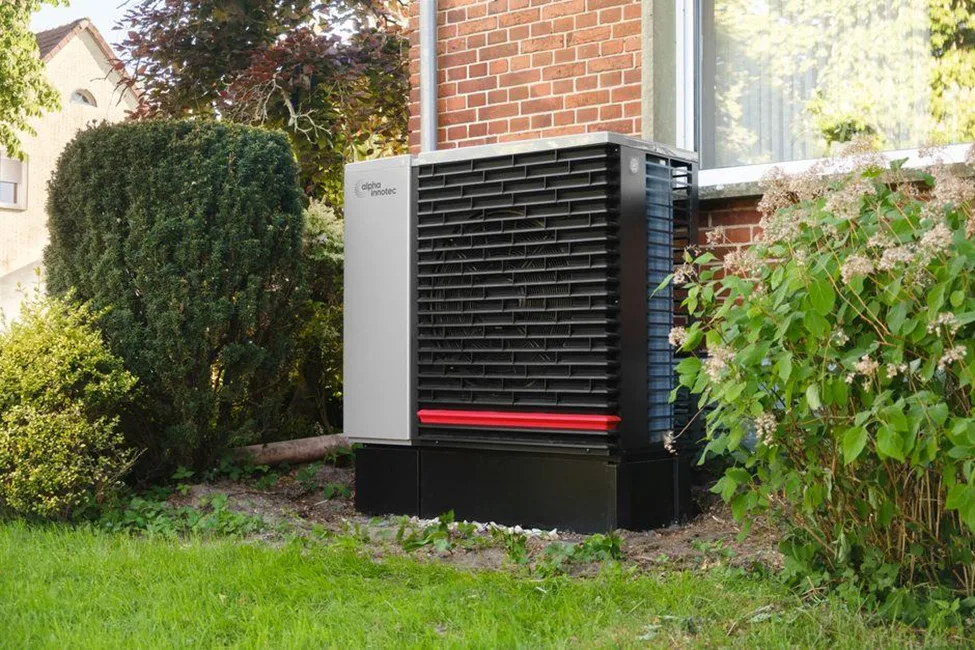
When your HVAC system falters, especially during extreme weather, it’s more than just an inconvenience—it can be a serious threat to your comfort, health, and home. Knowing what constitutes an emergency and how to react can make all the difference. We’ve explored the critical signs that demand immediate attention, from total system failure in harsh temperatures to dangerous electrical issues, water leaks, and burning odors.
While waiting for professional help, prioritizing safety by shutting off power or gas, and ventilating your home are crucial steps. When selecting an emergency provider, look for 24/7 availability, licensed and insured technicians, transparent pricing, and strong local reputations. Don’t hesitate to inquire about membership programs and financing options, as these can provide both peace of mind and financial flexibility.
Proactive care through annual tune-ups remains the best defense against unexpected breakdowns. However, when an emergency strikes, being informed and prepared allows you to act swiftly and confidently, ensuring your home’s climate control is restored quickly and efficiently.