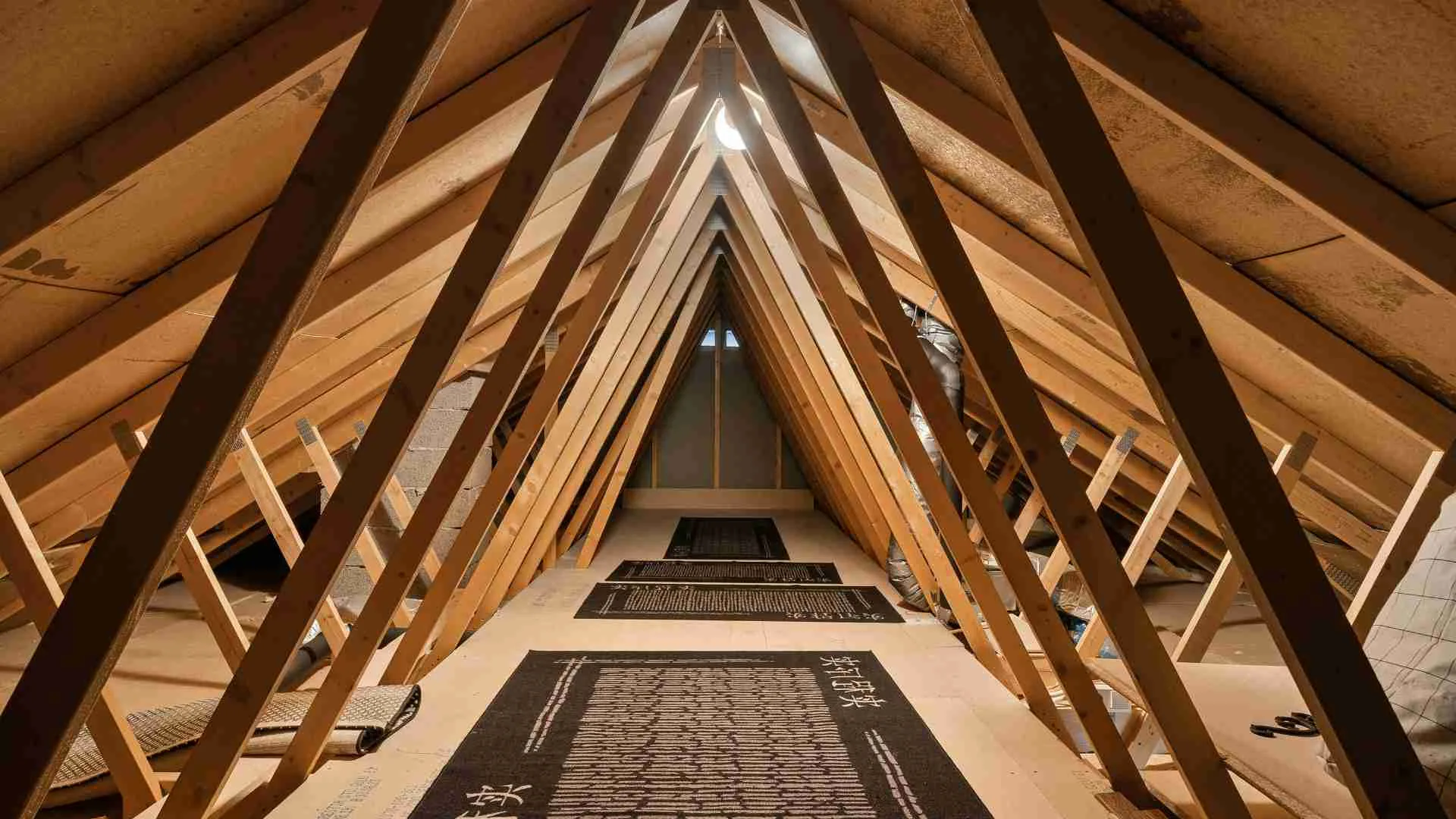
Most sellers obsess over curb appeal and kitchen countertops. Meanwhile, the single home improvement with the highest documented return on investment sits above their heads, doing nothing, because nobody told them it mattered. That upgrade is insulation, and if you’re planning to sell in a competitive market, skipping it is leaving real money on the table.
This isn’t a niche tip for energy nerds. It’s a straightforward financial decision backed by solid data and buyer psychology, and it’s especially relevant for anyone selling in fast-growing markets like the Texas Hill Country.
The Upgrade Buyers Are Already Pricing In
Buyers have changed. The ones touring your home in 2025 and 2026 aren’t just looking at square footage and paint colors. They’re calculating monthly costs. Higher mortgage rates have pushed affordability to its limits in many regions, which means utility bills have become a genuine part of the buy-or-pass calculus.
According to the U.S. EPA’s ENERGY STAR program, 9 out of 10 homes in the United States are under-insulated. That’s a staggering number. It also means most buyers have lived in an under-insulated home before and know exactly what that looks like on an electric bill in July. When your listing can demonstrate that this house is different, you’re not just selling comfort. You’re selling lower monthly costs, and that’s a tangible financial argument that holds up in any market.
Heating and cooling efficiency consistently ranks as the top green feature buyers look for, above solar panels and energy-efficient appliances. Insulation is the quietest, least glamorous way to deliver it, but it’s the most effective one.
The ROI Is Genuinely Hard to Beat
Home improvement projects rarely pay back what they cost at resale. Kitchen remodels, bathroom renovations, swimming pools, fancy landscaping, all of them return less than the homeowner spent. Remodeling is almost always an act of love, not finance.
Insulation breaks that rule. Research from RMI (Rocky Mountain Institute), citing the Remodeling Cost vs. Value Report, found that attic insulation was the only remodeling project nationally with a greater-than-100-percent cost-to-value ratio. Every other project in a 30-project analysis returned less than a dollar for every dollar spent. Attic insulation returned more.
That’s not a fringe statistic from an insulation manufacturer’s blog. It’s drawn from a report that surveys 100 U.S. markets and is widely used by real estate professionals. You might spend $1,500 on a professional upgrade and see that full amount reflected in your home’s appraised or negotiated value, plus the added appeal it creates with buyers who factor in future utility savings.
“The return on investment from recouped value at the time of sale is only one way in which energy upgrades like attic insulation can create winning propositions for homeowners. Homeowners can also enjoy savings from decreased utility bills… and get further value from the joy and pride they get from living in a high performance, healthy, and comfortable home.” — RMI analysts, Rocky Mountain Institute.
The point is worth absorbing. Even before you sell, you’re living in a more comfortable, cheaper-to-run home. Then when you sell, you get the investment back at a rate most upgrades can’t match. That’s a rare double-win in home improvement.
What This Looks Like in a Fast-Growing Market
Picture two nearly identical homes listed in the same neighborhood. Both are 1,800 square feet. Both have updated kitchens. Both good school districts. One has proper insulation, documented with a recent professional assessment. The other was built in 2005 and has never had an insulation upgrade. In a slow market, a buyer might not care. But here’s the thing: we’re not in a slow market everywhere.
The San Antonio-New Braunfels area was named one of the top 10 housing hot spots for 2025 by the National Association of Realtors, with New Braunfels itself doubling in population from 57,000 in 2010 to an estimated 117,000 by 2024. That kind of growth means a steady stream of buyers relocating from larger cities, many of them comparing this area’s costs against where they came from.
Those buyers are sophisticated. A transplant from Austin or San Antonio who just survived years of high utility bills will spot a home with proper insulation on a showing and mentally reduce their monthly budget projection. That mental shift moves them toward an offer faster, and often at a higher number.
For sellers in this corridor, the insulation conversation is a real one. Connecting with a qualified insulation contractor in New Braunfels before listing gives you something most competing sellers don’t have: documented, professionally installed energy efficiency you can actually show to buyers.
The Three-Question Insulation Test
Before calling anyone or spending a dollar, run your home through this quick framework. I call it the Three-Question Insulation Test. It’s not a technical inspection. It’s a seller’s gut check that tells you whether an upgrade conversation is worth having.
- How old is the house? Homes built before 2000 were almost universally under-insulated by today’s standards. If your home predates that cutoff, the baseline assumption should be that an upgrade is worthwhile until proven otherwise.
- What were your last three summer utility bills? In a Texas Hill Country climate, sky-high cooling costs in June, July, and August are a red flag. Proper insulation should meaningfully reduce that load. If your bills feel disproportionate to your square footage, the attic is likely where the problem lives.
- Has anyone looked in your attic in the last five years? Most homeowners answer no. Attic insulation can degrade, shift, or be disturbed by pest activity or HVAC maintenance without anyone noticing. If you don’t know what’s up there, a professional assessment takes about an hour and costs nothing from most contractors.
If two out of three of those answers flag a problem, you almost certainly have an upgrade opportunity that pays for itself before closing.
How to Present It to Buyers
Doing the upgrade is step one. Marketing it effectively is step two, and most sellers skip that part entirely.
Get documentation. Ask your contractor for a written summary of what was installed, where, and the R-value achieved. Keep the invoice. If you had a professional energy assessment done before and after, include those numbers in your listing documents or disclosure package.
Your agent can work the energy efficiency angle into the listing description. Phrases like “professionally upgraded attic insulation” and “documented utility savings” give buyers something concrete to react to. Abstract claims like “well maintained” are forgettable. Specific, provable upgrades are not. Some sellers even pull together three months of utility bills to include in their showing packet. In a market where buyers are calculating total cost of ownership, that kind of transparency is genuinely persuasive.
One More Reason to Act Before You List
Timing matters more than most sellers expect. An insulation upgrade takes a day or two to complete, but the value it adds starts compounding the moment you schedule it. You get to enjoy a more comfortable home during the listing period. You get to use the upgrade in your marketing. And you get to negotiate from a position of strength when buyers ask about energy costs.
Waiting until after an offer lands puts you on defense. An upgrade completed before listing puts you on offense, which is exactly where sellers want to be when a qualified buyer walks through the door.
Quick Reference: Insulation Upgrade Checklist for Home Sellers
| Step | Action | Why It Matters |
| 1 | Schedule a free professional assessment | Identify gaps before buyers do during inspection |
| 2 | Ask about attic air sealing alongside insulation | Air sealing compounds the energy savings significantly |
| 3 | Get written documentation of all work completed | Buyers and appraisers respond to verifiable evidence |
| 4 | Pull three months of utility bills post-upgrade | Concrete numbers are more persuasive than claims |
| 5 | Share documentation in listing and showing packets | Differentiates your home from comparable listings |
The upgrade most sellers overlook is the one that pays back the most. If you’re preparing to list, insulation deserves a spot at the top of your pre-sale to-do list, not an afterthought buried beneath fresh paint and staging furniture.