Modern home design has evolved far beyond sketches on paper and simple mood boards. Today, digital tools are reshaping the way homeowners, designers, and builders approach the entire process. From early planning to final execution, technology allows for greater precision, creativity, and confidence in decision-making. As a result, designing a home is no longer just about imagination—it is about experiencing ideas before they become reality.
The rise of digital visualization in home design
3D modeling services have become a cornerstone of modern home design, enabling professionals to create detailed, realistic representations of spaces before construction or renovation begins. These tools allow designers to build accurate digital models that reflect dimensions, materials, lighting, and layout with impressive clarity.
This shift has significantly improved how ideas are communicated. Instead of trying to interpret floor plans or abstract drawings, homeowners can see exactly how their future space will look. The integration of 3d modelling services into the design process makes it easier to explore options, refine concepts, and achieve results that align closely with expectations.
Better planning and smarter decisions
One of the most important advantages of digital tools is the ability to plan with precision. Homeowners can experiment with different layouts, furniture arrangements, and finishes without committing to physical changes. This reduces uncertainty and allows for more informed decisions.
For instance, changing the position of a wall or testing various color schemes can be done in minutes within a digital environment. Designers often rely on 3d modelling services to present multiple scenarios, helping clients compare options side by side. This level of flexibility ensures that every detail is carefully considered before any work begins.
Enhancing creativity and personalization
Digital tools have opened up new possibilities for creativity in home design. Instead of being limited by traditional methods, designers can now explore bold ideas and unique combinations with ease. Homeowners also benefit from this freedom, as they can actively participate in shaping their spaces.
By incorporating 3d modelling services into the workflow, designers can quickly adapt to changing preferences and experiment with different styles. Whether it is a modern minimalist interior or a cozy traditional setting, digital models enable detailed visualization and refinement of each concept. This leads to more personalized and satisfying outcomes.
Improving communication with professionals
Clear communication between homeowners and professionals is essential for a successful project. However, misunderstandings can arise when ideas are not clearly visualized. Digital tools help eliminate this issue by providing a shared visual reference.
When contractors, designers, and clients all work from the same digital model, it becomes easier to align expectations. In the middle of discussions, 3D modeling services can clarify complex design elements and ensure everyone understands the intended result. This reduces errors, minimizes revisions, and creates a smoother workflow overall.
Saving time and reducing costs
Efficiency is another major benefit of digital transformation in home design. By identifying potential issues early in the process, homeowners can avoid costly mistakes during construction or renovation. Problems related to space planning, materials, or functionality can be resolved before any physical work begins.
Using 3d modelling services also speeds up the approval process. Since clients can clearly see the final design, they are more likely to make quick decisions and require fewer changes. This not only saves time but also helps keep the project within budget.
Transforming the home renovation experience
Home renovation projects can often feel overwhelming, especially when it is difficult to imagine the final result. Digital tools make this process more manageable and enjoyable by providing clear visual guidance at every stage.
With realistic models and simulations, homeowners can explore how different elements will come together in their space. From lighting effects to material textures, every detail can be previewed in advance. This level of insight reduces stress and increases confidence, making the renovation journey more rewarding.
The future of digital home design
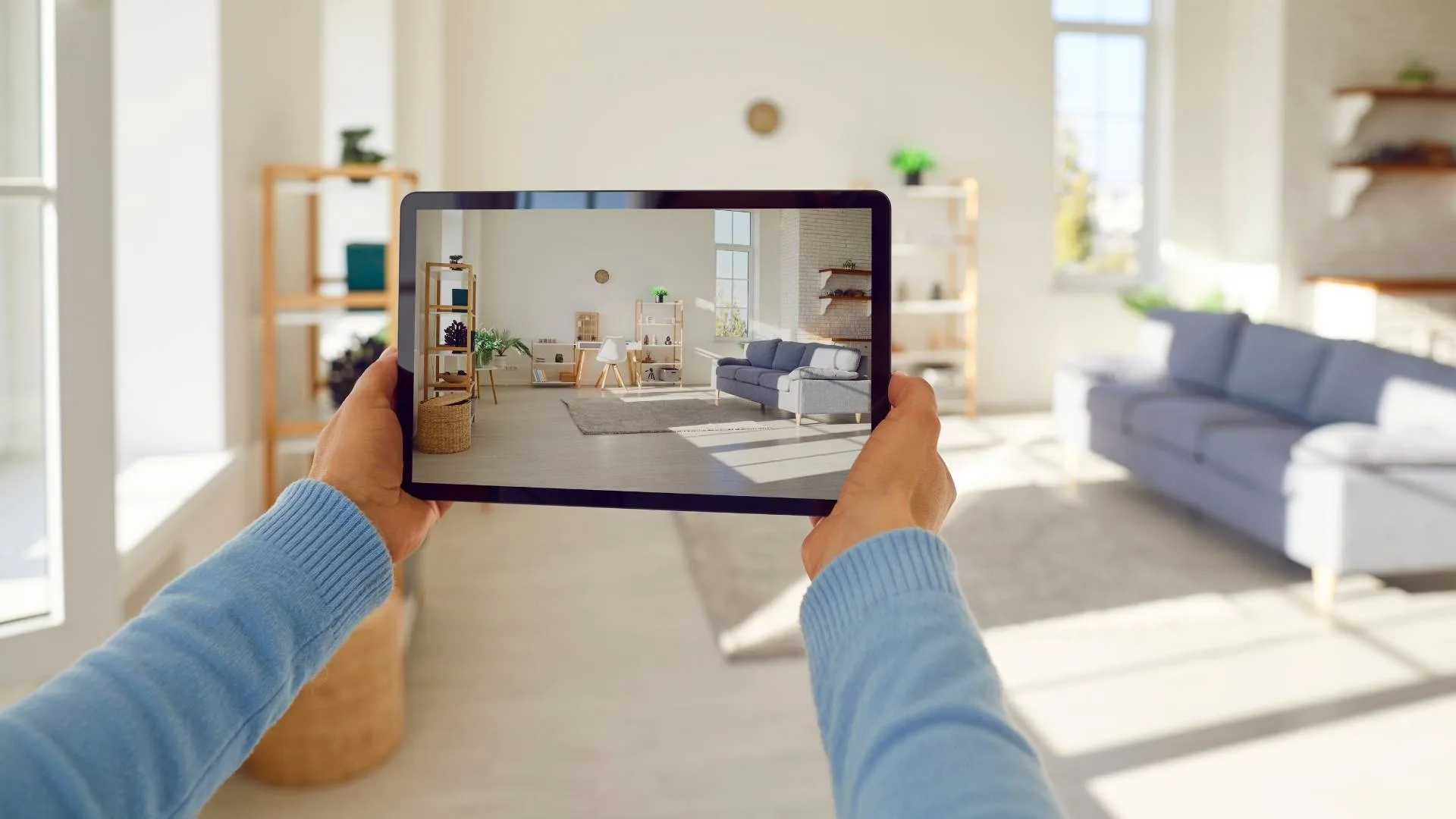
As technology continues to advance, digital tools will play an even greater role in shaping home design. Innovations such as virtual and augmented reality are already changing how people interact with their spaces.
In the future, homeowners may be able to walk through their homes in a fully immersive digital environment before construction even begins. Combined with the ongoing development of 3d modelling services, these technologies will further enhance the design process and open up new possibilities for creativity and efficiency.
Conclusion
Digital tools are transforming modern home design in ways that were unimaginable just a decade ago. They provide greater clarity, improve communication, and empower homeowners to make better decisions. By integrating advanced solutions such as 3D modeling services into the design process, both professionals and clients can achieve more accurate, creative, and satisfying results.
As these technologies continue to evolve, they will redefine how homes are designed, planned, and experienced, making the journey from concept to completion smoother and more inspiring than ever before.