As the crisp air of winter settles across regions like Milwaukee, Illinois, or Western Washington, we understand the annual concern of keeping homes warm and energy bills manageable. Brutal temperatures demand more than just heat; they require heating systems that are both highly efficient and incredibly reliable. This is precisely why high-efficiency furnaces are becoming a cornerstone for comfortable, cost-effective living in cold climates. Optimizing these advanced systems and ensuring their peak performance, particularly when the mercury drops, truly highlights the invaluable role of local HVAC and plumbing experts.
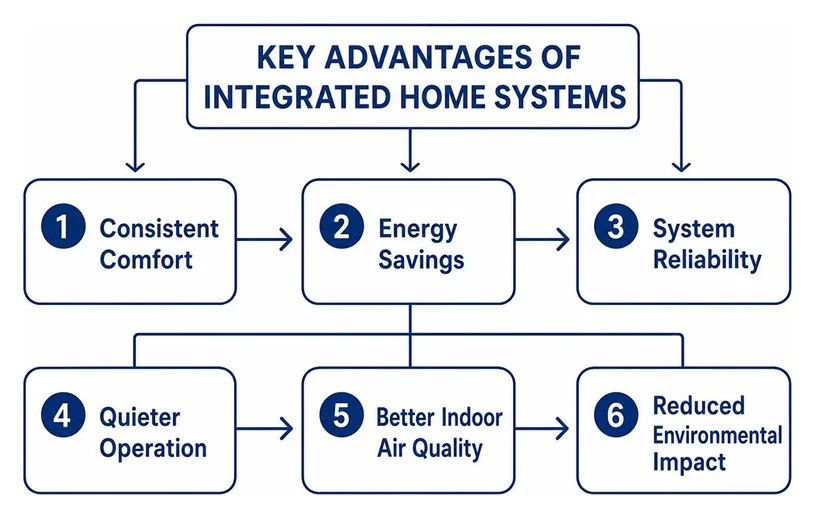
In this extensive guide, we will explore the significant advantages high-efficiency furnaces offer for enduring harsh winters. We’ll dive into how these systems differ from standard models, how their efficiency is measured, and the tangible benefits they bring – from substantial energy savings and enhanced comfort to quieter operation and a reduced environmental footprint. We will also discuss why partnering with local professionals for your expert HVAC and plumbing services is crucial for proper installation, maintenance, and maximizing your long-term investment.
When winter’s grip tightens, particularly in areas known for their severe cold, the demands on a home’s heating system escalate dramatically. The primary goal shifts from simply warming a space to maintaining a consistent, comfortable indoor environment against relentless outdoor temperatures. This increased heating load means that inefficient systems not only struggle to keep up but also incur exorbitant operational costs. For homeowners in these challenging climates, an efficient heating solution isn’t a luxury—it’s a necessity.
Beyond just warmth, cold weather introduces a host of other concerns. Freezing temperatures pose a significant threat to a home’s plumbing, with burst pipes causing extensive damage and costly repairs. Maintaining pipe integrity through consistent indoor temperatures is paramount. High-efficiency furnaces play a crucial role here by providing more consistent and reliable thermal comfort throughout the entire home, reducing cold spots that can jeopardize plumbing in less-used areas. This consistent heat distribution directly contributes to better fuel efficiency, ensuring that every dollar spent on heating translates into effective warmth, rather than escaping through inefficiencies. The reliability of these systems under extreme stress is a “game-changer,” as one source noted, ensuring mechanical survival and consistent performance when it matters most. To truly understand the full scope of how these systems benefit homes in harsh conditions, exploring resources from providers of expert HVAC and plumbing services can offer deeper insights into their practical applications.
Choosing Local HVAC and Plumbing Professionals for High-Efficiency Systems
The decision to upgrade to a high-efficiency furnace is a significant investment, and its success hinges largely on professional installation and ongoing support. Local HVAC and plumbing professionals bring invaluable regional expertise, understanding the specific challenges posed by local climate conditions and building codes. They are adept at navigating the nuances of advanced heating technologies, from understanding Annual Fuel Utilization Efficiency (AFUE) ratings to correctly installing intricate condensing technology with secondary heat exchangers.
Proper system sizing is critical; an undersized furnace will struggle to heat the home, while an oversized one will cycle too frequently, wasting energy and accelerating wear. Local experts ensure that your new high-efficiency unit is perfectly matched to your home’s unique heating load, taking into account insulation levels, window efficiency, and ductwork integrity. They also ensure strict adherence to local building codes and safety regulations, guaranteeing a safe and compliant installation. Their intimate knowledge of the area means they can recommend solutions tailored to regional needs, ensuring your high-efficiency system delivers optimal performance and comfort for years to come.
Understanding AFUE Ratings and Long-Term Energy Savings
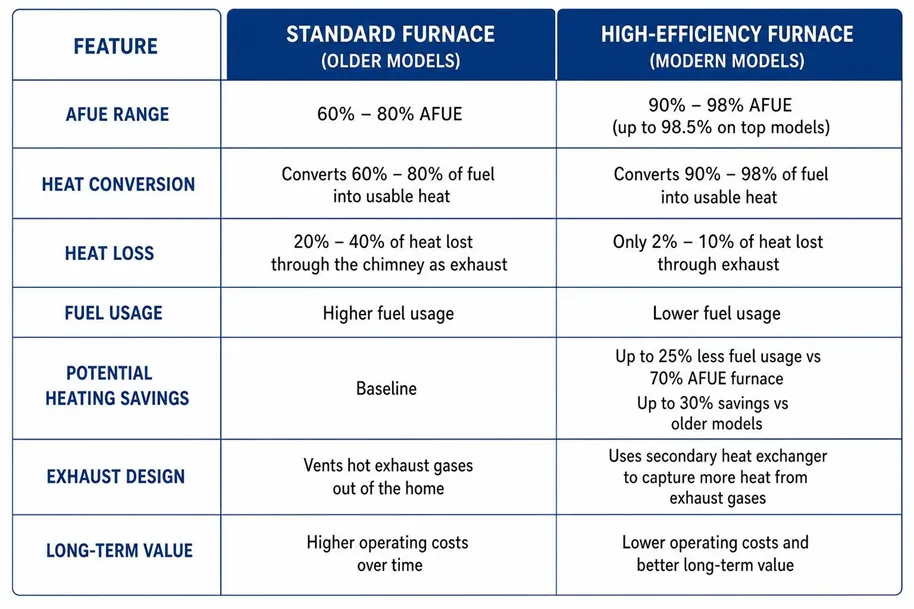
Furnace efficiency is primarily measured by its Annual Fuel Utilization Efficiency (AFUE) rating, which indicates the percentage of fuel converted into usable heat for your home over a year. A higher AFUE rating signifies greater efficiency and, consequently, lower operational costs. Standard older furnaces typically operate at 60-80% AFUE, meaning 20-40% of the heat generated is lost through the chimney as exhaust. In contrast, high-efficiency furnaces boast AFUE ratings between 90-98%, with top models reaching as high as 98.5%. This means that for every dollar spent on heating fuel, a 97% AFUE furnace returns 97 cents of heat, providing significantly more warmth than an 80% AFUE model.
The impact on long-term energy savings is substantial. Upgrading from a 70% AFUE furnace to a 95% AFUE model can cut fuel usage by as much as 25%. Homeowners have reported savings of up to 30% on heating costs when switching from older models. For instance, moving from an 80% AFUE furnace to a 96% AFUE model translates to saving 16 cents on every dollar spent on heating fuel. While the initial investment for a high-efficiency unit is higher, the reduced operational costs often lead to a favorable payback period, especially in cold climates where heating systems run for extended periods. This makes understanding these energy metrics crucial for any homeowner considering an upgrade.
Here’s a simplified comparison to illustrate the difference:
Technical Advantages of Modern High-Efficiency Heating Systems
Modern high-efficiency furnaces are engineering marvels, incorporating advanced technologies that dramatically improve performance, comfort, and efficiency compared to their predecessors. At the heart of their superior efficiency is the secondary heat exchanger. Unlike standard furnaces that vent exhaust gases directly, high-efficiency models capture additional heat from these gases before they exit the home. This process cools the exhaust to the point where water vapor condenses, releasing latent heat that is then used to warm your home. This condensing technology is what allows these furnaces to achieve AFUE ratings of 90% and above.
Beyond the heat exchanger, several other features contribute to their advanced performance:
- Variable-Speed Blowers: These motors can adjust their speed to deliver a precise amount of air, rather than simply running at full blast. This leads to more consistent temperatures throughout the home, eliminating hot and cold spots, and significantly reducing operational noise.
- Modulating Gas Valves: Instead of simply turning on and off, modulating gas valves can adjust the flame output to match the heating demand. This allows the furnace to run almost continuously at a lower capacity, providing a more even heat and greater comfort, while consuming less fuel.
- Sound Dampening Technology: High-efficiency furnaces are designed with quieter operation in mind. Advanced motor designs and insulated cabinets mean they run much more quietly than older models, contributing to a more peaceful home environment.
These technical advancements collectively ensure that high-efficiency furnaces not only provide superior warmth but do so with greater precision, comfort, and quietness.
Smart Integration and Multi-Stage Performance
The capabilities of high-efficiency furnaces are further amplified through smart integration and multi-stage performance features, which are particularly beneficial in managing the fluctuating demands of cold winters.
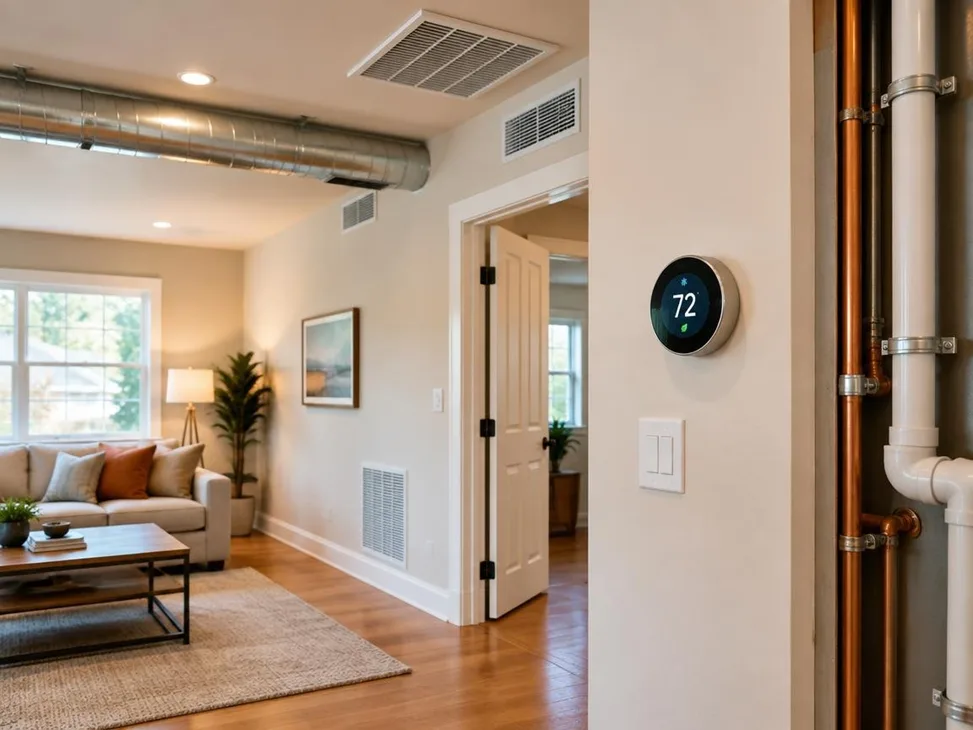
- Smart Thermostat Compatibility: High-efficiency furnaces are designed to seamlessly integrate with smart thermostats. These intelligent devices learn household schedules and preferences, optimize heating cycles, and allow for remote control, ensuring that energy is only consumed when and where it’s needed. This partnership can further enhance energy savings by tailoring the furnace’s operation to your lifestyle.
- Multi-Stage Heating: Many high-efficiency models feature two-stage or modulating gas valves. Two-stage furnaces have a high and low setting, allowing them to operate at a lower capacity most of the time, which is more efficient and provides more consistent heat. Modulating furnaces take this a step further, continuously adjusting their heat output in small increments to precisely match the heating demand. This prevents the large temperature swings often associated with single-stage furnaces.
- Airflow Balancing and Zone Control: Coupled with variable-speed blowers, these systems can facilitate better airflow balancing throughout the home. This means heat is distributed more evenly, reducing cold spots and improving overall indoor air quality by continuously circulating and filtering air. For homes with specific heating needs in different areas, zone control systems can be integrated, allowing different parts of the house to be heated independently, maximizing comfort and minimizing wasted energy.
These features contribute to superior temperature consistency, making your home a sanctuary even during the coldest days, while also optimizing energy use.
Environmental Impact and Financial Incentives
Beyond personal comfort and savings, upgrading to a high-efficiency furnace carries significant environmental benefits and can open doors to various financial incentives.
From an environmental perspective, these furnaces contribute to substantial carbon reduction. By converting a higher percentage of fuel into usable heat, they consume less natural gas or propane, directly leading to a decrease in greenhouse gas emissions. This fuel conservation aligns with broader efforts to combat climate change and reduce our collective carbon footprint. For homeowners who prioritize eco-friendliness, a high-efficiency furnace is an ideal choice, as it significantly lowers the environmental impact of heating their home.
Financially, the appeal is equally strong. Many governmental bodies, utility companies, and energy efficiency programs offer incentives for homeowners who upgrade to high-efficiency heating systems. These can include:
- Energy Credits: Federal tax credits may be available for installing certain ENERGY STAR® certified high-efficiency furnaces. These credits can reduce the overall cost of the upgrade.
- Utility Rebates: Local utility companies often provide rebates as an incentive to reduce energy consumption within their service areas. These rebates can vary widely but can significantly offset the initial purchase and installation costs.
- State and Local Programs: Some states and municipalities offer their own programs, grants, or low-interest loans to encourage energy-efficient home improvements.
These operational savings, combined with potential rebates and credits, make the long-term investment in a high-efficiency furnace even more attractive, accelerating the payback period and providing ongoing financial relief. It’s always advisable to research current programs available in your specific region as of September 2026.
Essential Maintenance and Lifespan Optimization
Investing in a high-efficiency furnace is a long-term commitment, and ensuring its longevity and optimal performance hinges on consistent, professional maintenance. With proper care, these advanced systems can have a lifespan of 20 years or more, significantly outlasting many standard models.
Routine maintenance is not just about fixing problems; it’s about preventing them. An annual inspection by a qualified HVAC technician is crucial. During these visits, professionals perform a series of vital checks:
- Filter Replacement: Regularly replacing air filters is paramount for maintaining good airflow and preventing strain on the system. Clogged filters reduce efficiency and can lead to costly breakdowns.
- Condensate Drainage System Check: High-efficiency furnaces produce condensate (water) as part of their operation. Technicians ensure the condensate drain line is clear and free of blockages, preventing potential water damage or system shutdowns.
- Combustion Analysis: This involves checking the furnace’s combustion process to ensure it’s burning fuel cleanly and efficiently, which is vital for safety and performance.
- Component Inspection: Technicians will inspect all moving parts, electrical connections, and safety controls to identify and address any wear or potential issues before they escalate.
These proactive measures not only extend the equipment’s longevity but also ensure it continues to operate at its peak efficiency, maximizing your energy savings and comfort throughout its impressive 20-year lifespan.
Integrating Local HVAC and Plumbing Care for Year-Round Protection
The benefits of a high-efficiency furnace are undeniably significant, but a truly resilient and comfortable home, especially in cold climates, requires a holistic approach to its mechanical systems. Integrating comprehensive local HVAC and plumbing care ensures year-round protection and peak performance across your entire home infrastructure.
Consider the interconnectedness: a well-maintained furnace provides consistent heat, which in turn protects your plumbing from freezing. However, the plumbing system itself requires attention. Boiler maintenance, if applicable, and water heater checks are essential for reliable hot water supply. Local professionals can offer cross-system diagnostics, identifying potential issues that might affect both heating and plumbing, such as pressure imbalances or corrosion.
Preventative measures, like ensuring proper pipe insulation in vulnerable areas, are also part of this integrated care. In the event of an unexpected breakdown, having established a relationship with local experts guarantees prompt emergency readiness. They understand the urgency of restoring heat or repairing a burst pipe in the depths of winter. By entrusting your home’s vital systems to a single, trusted local provider, you ensure that all components work in harmony, maximizing efficiency, comfort, and peace of mind.
Frequently Asked Questions About Home System Upgrades
Deciding whether to upgrade your home’s heating system can bring up many questions. Here, we address some of the most common inquiries homeowners have about high-efficiency furnaces and their benefits.
How much can a high-efficiency furnace reduce winter heating bills?
The potential for fuel reduction is significant. Homeowners can expect to see savings of up to 30% on their heating costs when switching from an older, standard-efficiency furnace to a high-efficiency model. The exact savings depend on several factors, including your current furnace’s baseline efficiency (AFUE rating), the severity of your winters, your thermostat settings, and local utility costs. For example, upgrading from a 70% AFUE unit to a 95% AFUE unit can cut fuel usage by as much as 25%. These substantial savings are a primary driver for many homeowners considering an upgrade.
What is the typical lifespan of modern high-efficiency HVAC equipment?
With proper maintenance, high-efficiency furnaces are designed for impressive equipment longevity. They can typically last 20 years or more. This extended lifespan is a key advantage, offering a long-term return on investment. Regular maintenance schedules, including annual inspections and prompt attention to any component wear, are crucial for achieving and even exceeding this expected lifespan. Factors like installation quality, usage patterns, and environmental conditions can also influence how long the unit performs optimally.
When is it worth replacing an older standard furnace?
The decision to replace an older standard furnace often comes down to a combination of factors. If your current furnace has an AFUE rating below 80% (common for units 15-20 years old), it’s likely wasting a significant portion of the fuel it consumes. Rising repair costs for an aging unit can quickly outweigh the cost of a new, more efficient model. Additionally, if you experience persistent comfort issues like uneven heating or cold spots, a high-efficiency furnace with features like variable-speed blowers and multi-stage heating can provide a much better solution. Considering the long-term ROI, the energy savings from a new high-efficiency unit can often offset its initial cost within a reasonable timeframe, making the upgrade a smart financial decision, especially if you plan to stay in your home for several years.
Conclusion
As we navigate the increasingly unpredictable and often severe cold winters, the importance of a reliable, efficient heating system cannot be overstated. High-efficiency furnaces stand out as a superior solution, offering a compelling blend of advanced technology, substantial energy savings, and enhanced home comfort. From their impressive AFUE ratings and innovative secondary heat exchangers to variable-speed blowers and smart thermostat compatibility, these systems are engineered to perform optimally in the harshest conditions.
Beyond the immediate benefits, choosing a high-efficiency furnace contributes to a reduced environmental footprint and can unlock valuable financial incentives. However, the true potential of these systems is realized through professional installation and ongoing maintenance. Partnering with local HVAC and plumbing experts ensures that your investment is maximized, guaranteeing system reliability, optimal energy savings, and lasting comfort for decades to come. In September 2026, as homeowners continue to seek ways to make their homes more resilient and cost-effective, upgrading to a high-efficiency furnace, supported by trusted local professionals, remains one of the smartest decisions you can make for a warm and worry-free winter.