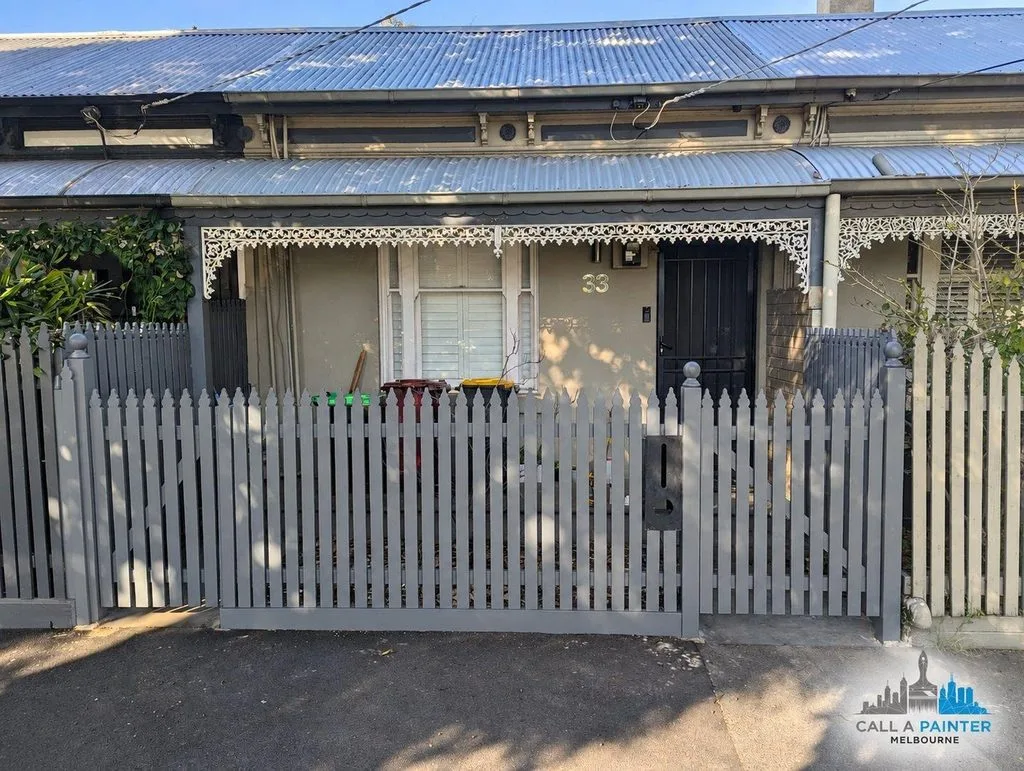
A Victorian terrace can look straightforward from the footpath. There is a front wall, a door, a fence and perhaps a narrow verandah. Look more closely and the painting work becomes a series of separate decisions. Decorative metalwork meets timber. New repairs sit beside old coatings. A shaded entrance may behave differently from an exposed parapet above it.
When an exterior repaint forms part of an older-home renovation, start by finding out what the facade needs. A repaired window, a new section of timber and an existing painted wall may each need a different approach. Recording those differences before choosing colours helps the owner coordinate repairs and gives the painter a clearer brief.
Read the facade before choosing a palette
Start with photographs taken from across the street and at closer range. The distant view shows the relationship between the house, adjoining properties and the fence. Close views record edges, junctions and areas that deserve investigation. Keep these images as a reference while the scope develops.
Make a simple list of the surfaces already painted. Separate the main wall from the door, window frames, verandah posts, decorative elements, gutters and fence. They may require different preparation and coating systems. A single line in a quote describing the whole facade can leave considerable room for misunderstanding.
Also note the surfaces that are currently unpainted. Original brickwork, stone and other exposed materials deserve their own assessment. Painting them for visual consistency is a significant decision. Their presence can guide the colour scheme without becoming another item to coat.
Check the property controls early
An older appearance alone does not establish a property’s heritage status. Check the address through the relevant council and planning information before settling on external changes. Ask specifically about the proposed work, including changes to colours, previously unpainted surfaces and decorative features.
Victoria’s guidance on local heritage protection explains the role of heritage overlays. The controls applying to an individual address need to be checked separately. Where advice or approval is required, build that step into the schedule before ordering paint or arranging access.
Save the written response with the project documents. A contractor can then quote against the same agreed scope rather than pricing a scheme that may later change. In a terrace row, it is also sensible to discuss practical access and protection with adjoining owners before work begins.
Separate building repairs from painting preparation
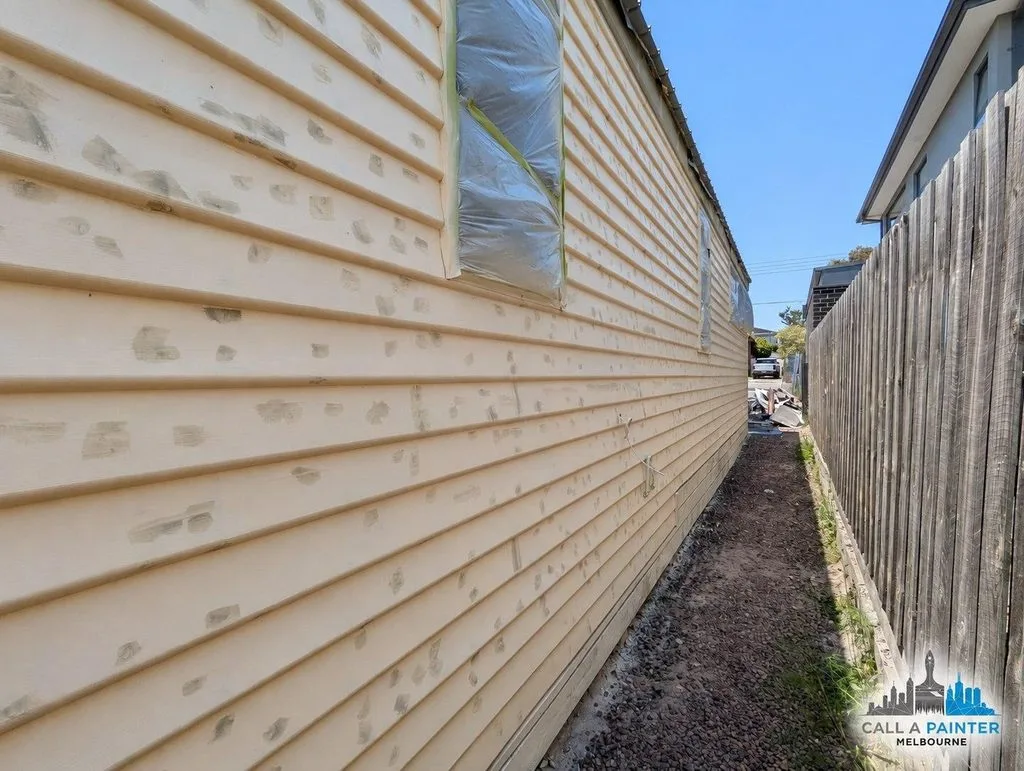
A patch of lifting paint is a reason to investigate, not enough information to identify the cause. Look at its position. Is it below a gutter, beside a window, near ground level or scattered across a broad wall? Record what you can see and ask the relevant trades to assess it.
Water entry, damaged timber and movement may require work outside a normal painting allowance. A fresh coat cannot substitute for those repairs. Ask who will investigate the underlying issue, who will carry out the repair and how the painter will know the surface is ready.
This separation makes quotes easier to compare. One contractor may include minor filling while another has allowed for replacement timber or specialist repairs. Those are different jobs, even if both proposals end with the same colour. Identify uncertain areas before accepting an apparently complete price.
Treat older coatings with care
Do not start sanding unknown old coatings simply to see what is underneath. Older buildings may contain hazardous materials, and a modern topcoat does not establish the safety of earlier layers. Arrange appropriate assessment before disturbance. WorkSafe Victoria’s lead paint removal alert is a useful starting reference for discussing the work with a suitably experienced contractor.
Once the surface and any hazards have been assessed, ask for a preparation plan by material. It should explain how unstable coatings will be addressed, how sound areas will be prepared and which primers are specified. There is no useful universal instruction to strip every surface or prime everything identically.
On detailed work, ask how edges and profiles will be preserved. Heavy layers can soften a moulding’s appearance, while indiscriminate removal can damage the material below. The desired result and the practical limits of the existing surface should be discussed together.
Use colour to explain the architecture
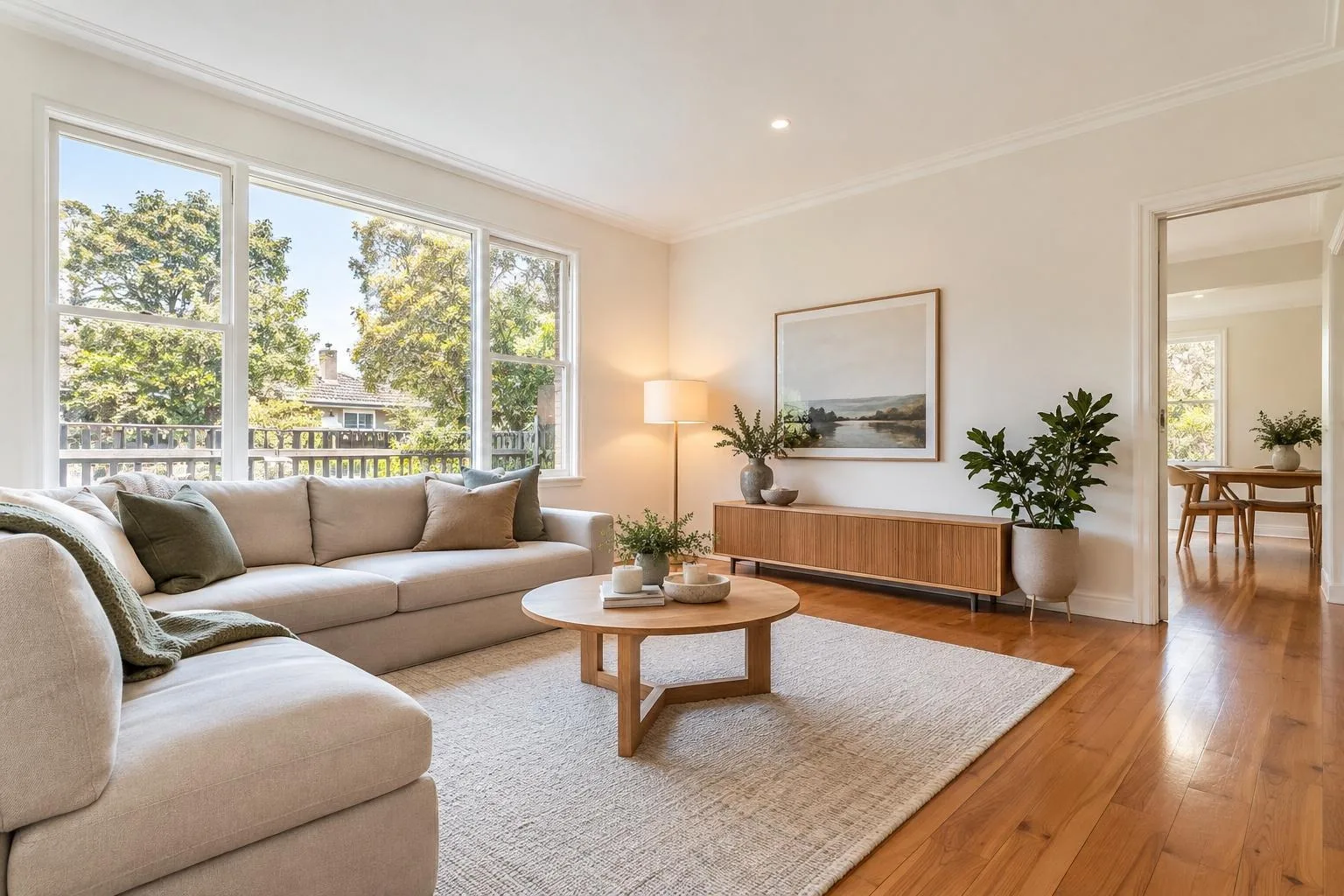
A restrained palette can make the different parts of a small frontage easier to read. Begin with the main wall colour and consider how the window frames, door and fence relate to it. Decide which feature should receive attention when someone approaches the house.
That feature might be the entrance rather than every decorative element. Giving each small detail its own contrasting colour can create more visual activity than the frontage needs. Try a main colour, a supporting trim colour and one deliberate accent as a starting arrangement, then adjust it to the building.
Test the proposed colours on suitable sample boards and view them beside the materials that will remain. Move the samples between the exposed frontage and the shaded verandah. Keep roof colours, paving, neighbouring walls and garden planting in the view. A colour chosen against a white shop display has not yet been tested against the house.
Include the narrow and awkward areas
The visible front elevation is only part of the job. Side passages, the backs of fence rails, window returns and the edges around downpipes may need attention too. Walk the route the painters will use and identify where equipment and materials can be brought in.
Discuss access separately from the painting itself. Equipment should be selected by the contractor for the actual task and site conditions. If working space involves a neighbour’s property or public land, establish the necessary arrangements before the start date. Do not assume an access problem will be solved on the morning of delivery.
For a Carlton property, an enquiry to Call A Painter Melbourne can begin with this practical information: the surfaces involved, photographs of the difficult areas and any heritage advice already received. A useful inspection brief gives the contractor more to work with than a preferred colour and an overall house size.
Agree what a finished job includes
Before work starts, write down the colour names, product details and sheen levels against each surface. List the repairs included in the price and how additional findings will be handled. Ask how the work will be staged if the entrance must remain usable throughout the project.
The handover deserves a place in the plan as well. Arrange a walk-through, confirm that any agreed touch-ups are recorded and obtain the coating details for future maintenance. Ask when painted doors and windows can resume normal use, following the selected products’ instructions. When comparing exterior repainting services, include that handover process alongside the preparation and application work.
An exterior repaint is an opportunity to understand an older house more closely. When the brief respects its materials, details and practical constraints, the colour scheme has a sound basis. The finished frontage can feel considered without losing the character that made the terrace worth caring for in the first place.