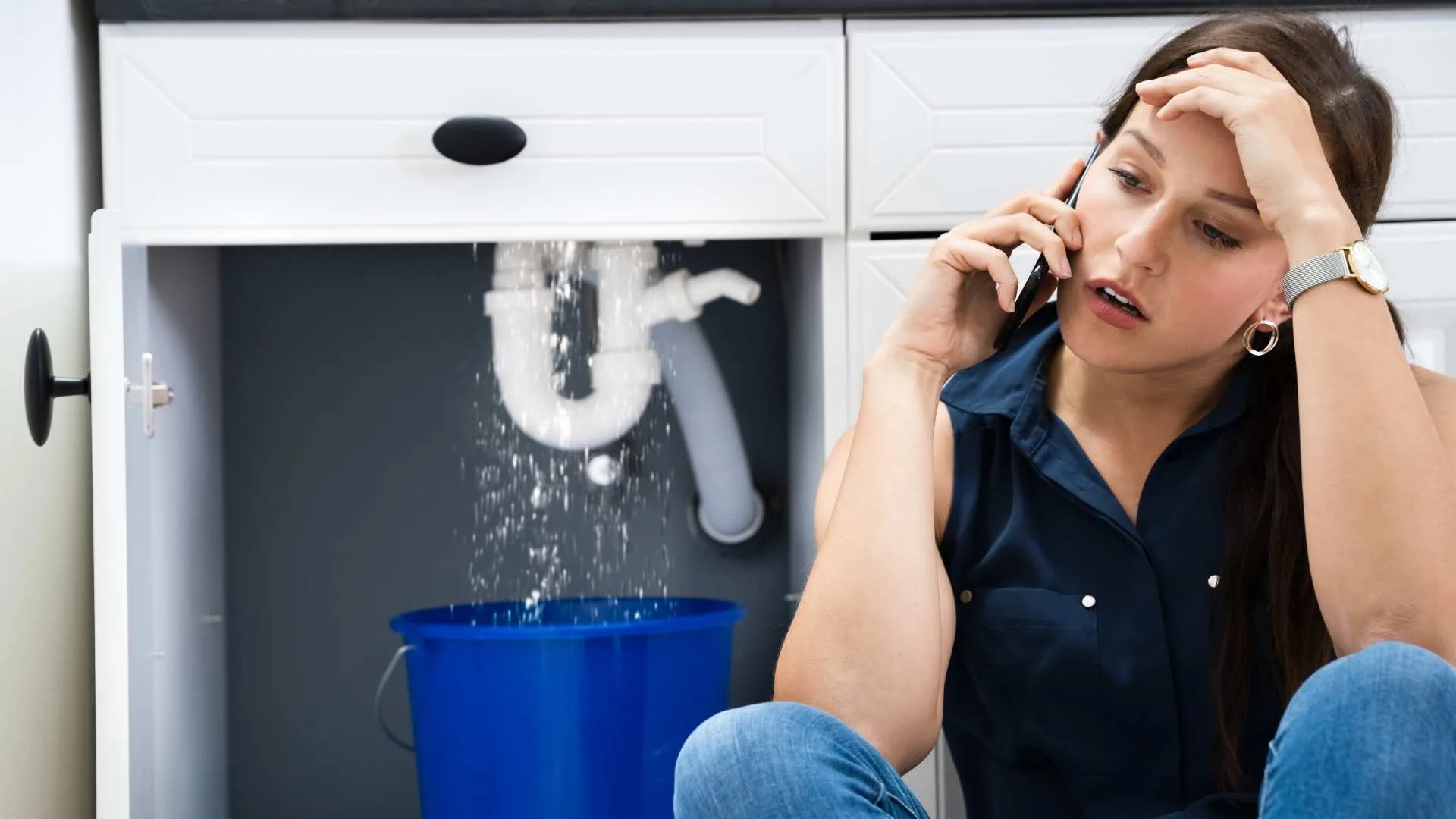
Water damage in a hospital, clinic, assisted living center, or other healthcare facility requires a different level of coordination than a typical building leak. Patient care may continue while restoration is underway, sensitive equipment can be nearby, and moisture may move into walls, ceilings, flooring, and other concealed spaces. A structured response helps limit disruption and prevents a localized incident from becoming a larger property problem.
Contain the Source and the Affected Area
The first step is to identify and stop the source of the water whenever it is safe to do so. Burst pipes, roof leaks, sprinkler failures, plumbing backups, and damaged supply lines can all release significant amounts of water in a short period.
Once the source is controlled, access to the affected area should be limited. Temporary barriers, closed doors, redirected traffic, and clear communication with facility staff help keep patients and visitors away from active restoration work. In healthcare environments, the response should also be coordinated with the facility’s infection-control and safety procedures.
Remove Water and Locate Hidden Moisture
Standing water should be extracted as quickly as possible. However, a surface that looks dry does not necessarily mean the building assembly is dry. Water can migrate under flooring, behind baseboards, into drywall, insulation, cabinetry, and ceiling systems.
Professional restoration teams use moisture-detection tools to identify affected materials and define the drying area. This is especially important in large facilities where water may travel beyond the room where the leak first appeared.
Dry the Structure Under Controlled Conditions
After extraction, structural drying typically involves commercial air movers, dehumidification, and ongoing moisture monitoring. Equipment placement should be planned so that emergency routes, patient movement, and essential facility operations remain as functional as possible.
Materials are evaluated during the process. Some nonporous surfaces can often be cleaned and dried, while saturated porous materials may need to be removed. The water source, exposure time, material type, and contamination risk all influence that decision.
Companies such as Quality Restoration provide commercial water damage services that include water removal, moisture control, drying, cleanup, and recovery support for business properties.
Verify Conditions Before Reopening
Recovery should not end simply because visible water is gone. Before an affected space returns to normal use, moisture levels should be verified and damaged materials addressed. Documentation of readings, photographs, removed materials, equipment use, and completed work can support facility records and insurance claims.
Healthcare organizations can also reduce future disruption by maintaining an emergency water-response plan. Knowing shutoff locations, emergency contacts, vulnerable building areas, and internal notification procedures can save valuable time when a leak occurs. A prepared facility is better positioned to protect its operations, limit secondary damage, and return affected areas to service safely.