I bought a dozen yellow roses for my best friend’s housewarming once. Her face dropped for about half a second before she caught it. Turns out, in her family, yellow roses mean new beginnings. She thought I was hinting that she should sell the place. Lesson learned: roses carry a language, and if you’re bringing them into your home as decor, that language matters more than most people realize.
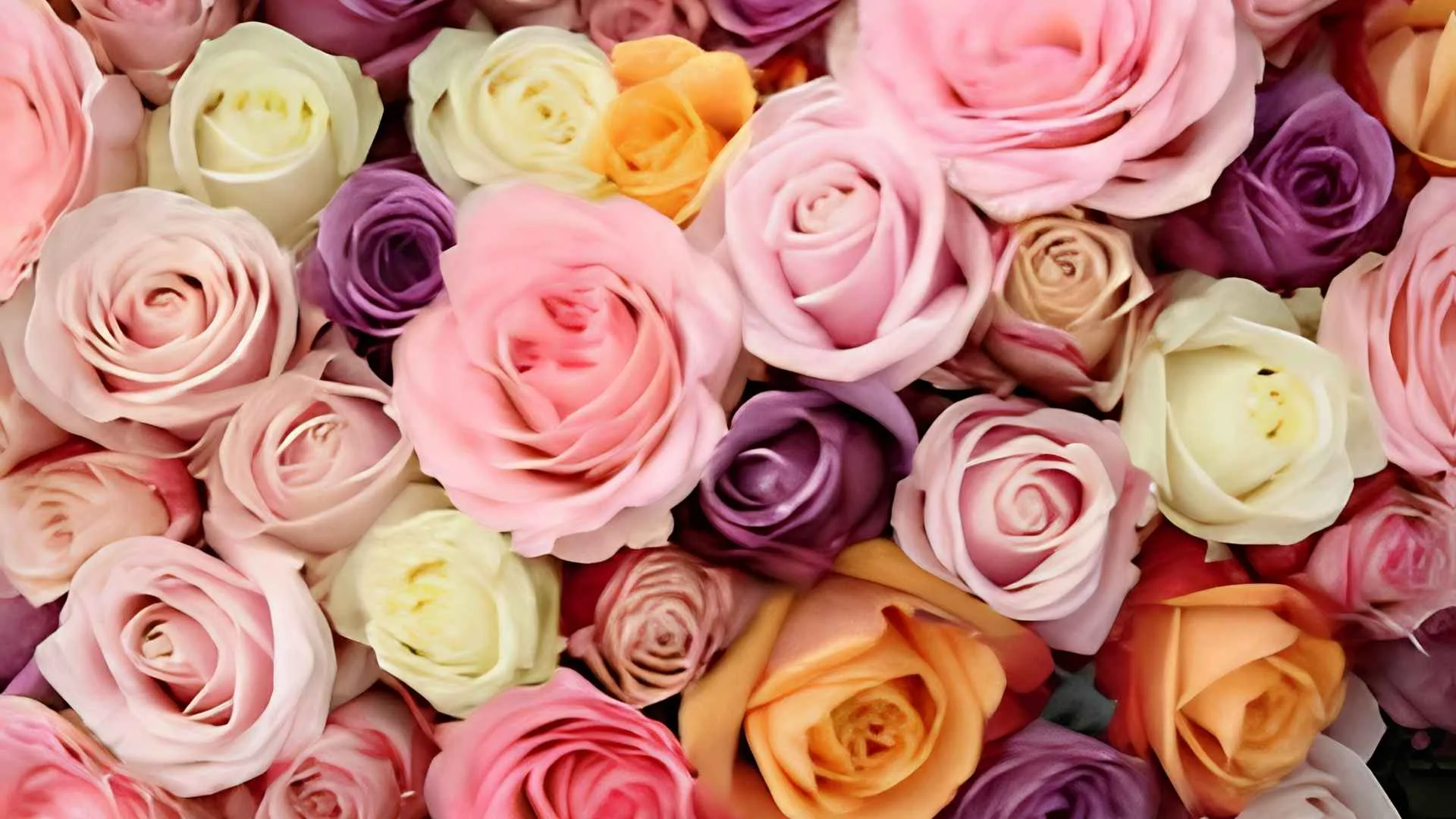
The good news is you don’t need a florist’s codebook to get it right. There are eight shades worth knowing about, and each one sends a different message. Some are romantic, some are celebratory, and a few are surprisingly practical for styling a room. Here’s what each one means and where it actually looks good in a house. Once you know what each color says, choosing a rose flower for a bouquet, a table, or a windowsill becomes a lot less guesswork.
What Do the Classic Red Roses Actually Mean?
Red is the one everyone knows, and for good reason. It’s the universal signal for deep romantic love. The shade itself does the work: a crimson rose reads as passion, devotion, and commitment all at once.
For home decor, red roses are a bit of a statement piece. I’d skip them on a kitchen windowsill and save them for a bedroom dresser or an entry table where the color can land with intention. A single stem in a slim glass vase beats a dense bouquet here, because red gets loud fast.
If you’re ordering any of these for a specific occasion, matching the shade to the message takes about thirty seconds and saves you an awkward conversation. You can browse a full rose flower selection to compare shades side by side before you commit.
Pink: The Shade That Says Thank You Without Saying Anything
Pink roses sit in the sweet spot between friendship and affection. Lighter pinks lean toward admiration and gratitude. Deeper pinks drift into romance. That flexibility makes pink the safest choice when you’re not sure how a gesture will land.
As decor, pink is forgiving. A cluster of pale pink roses in a ceramic pitcher softens a bathroom counter or a bedside table without dominating the room. Pair them with linen and matte surfaces and they feel intentional rather than fussy.
One thing I’ve noticed after years of styling flowers at home: pink roses last visually longer than red ones. Even as they fade, the color stays gentle. Red starts looking tired a day earlier.
White Roses and What They Represent
White roses carry purity, remembrance, and fresh starts. They appear at weddings, at memorials, and at housewarmings, which tells you how wide their range is.
This is the shade I’d recommend for anyone decorating a space they plan to keep for years. White roses read clean against almost any wall color, and they photograph well. If you’re building a home decor look that needs to survive multiple seasons without feeling dated, white is your anchor.
They also pair beautifully with greenery. A few white roses mixed with eucalyptus in a low bowl is the single easiest arrangement to get right, even if you’ve never arranged flowers before.
The Story Behind Coral and Orange Roses
Coral and orange roses mean enthusiasm, desire, and creative energy. They’re the extroverts of the rose world.
Use them in spaces where you want energy: a home office, a craft room, a hallway that feels a little too quiet. Orange draws the eye and shifts the mood of a room faster than any other rose shade. That’s a feature, not a bug, as long as you place it deliberately.
According to the Royal Horticultural Society, roses have been cultivated for ornamental purposes for thousands of years, and color variation has been one of the main reasons growers kept breeding them. Coral and orange types are among the more recent additions to that palette.
Yellow Roses: Friendship, Not Romance
Yellow means friendship, joy, and new beginnings. It’s the shade you give a coworker, a neighbor, or a friend who just got through something hard.
In decor, yellow roses are the cheeriest thing you can put on a table. They work in kitchens, sunrooms, and breakfast nooks, and they look particularly good against wood tones. My honest take: yellow is the most underrated rose shade for home styling, mostly because people associate it with florist bouquets and forget it works as a standalone vase arrangement.
Lavender and Purple: Enchantment With a Practical Side
Lavender and purple roses mean enchantment, mystery, and love at first sight. They’re uncommon enough that people notice them, which makes them a strong conversation piece.
The practical angle here is contrast. Purple roses against a gray wall or a neutral sofa look deliberate in a way that other shades don’t.
If you’re styling a living room that leans minimalist, one lavender arrangement is enough to break up the sameness without cluttering it.
Roses have been grown for display for so long that their color language predates most of the decor trends we style around today, which is part of why they still work in modern rooms.
Peach and Apricot: Gratitude and Sincerity
Peach roses mean sincerity, gratitude, and modesty. They’re softer than coral and warmer than pink, and they work in nearly every room.
This is my pick for a dining table. Peach roses blur into candlelight in a way that brighter shades can’t, so an evening dinner feels warmer without any extra effort. Pair them with cream linens and you’re done.
Burgundy and Black Magic Roses for a Moody Look
Burgundy, deep plum, and the nearly black rose varieties mean mystery, unconscious beauty, and enduring love. They’re dramatic and they photograph beautifully.
Moody roses are having a moment in home decor, especially in fall and winter styling. A burgundy arrangement on a dark wood console or beside a stack of books reads sophisticated rather than gloomy. Just keep the vase simple and let the color do the talking.
A Quick Guide to Choosing the Right Shade for Your Space
Here’s a simple way to match a rose shade to a room without overthinking it:
- Bedroom: red for romance, peach for calm, pale pink for softness.
- Kitchen or breakfast nook: yellow, coral, or orange for energy.
- Living room: white or lavender for a clean, neutral anchor.
- Dining table: peach or burgundy, depending on the season.
- Entryway or hallway: orange or coral to lift a dim, quiet space.
- Fall and winter styling: burgundy, plum, and deep red.
One more tip that took me too long to learn: change the water every other day and trim the stems at an angle. The color meaning stays the same, but the arrangement looks better for twice as long.
The Library of Congress holds extensive botanical and garden archives that document how long these associations have been part of Western culture, if you ever want to trace where the symbolism started.
Where the Rose Color Language Came From
Most of what we know about rose symbolism traveled through Victorian flower dictionaries, which assigned specific meanings to specific blooms so people could send messages without writing them down. Roses carried some of the heaviest weight in that system because they were expensive and rare for most households.
The Smithsonian Magazine has covered how flower symbolism spread through nineteenth century gift giving, and it’s worth a read if you like knowing why a tradition stuck around. My take: the meanings survived because they’re genuinely useful. A shade tells someone how you feel faster than a card does.
Pick the Shade Before You Pick the Vase
Rose color isn’t decoration trivia. It’s a small, cheap way to make a room say something specific, whether that’s calm, energy, or affection. Choose the shade for the message you want, then choose the vase to fit the room.
Which shade fits the room you’re staring at right now? Start there, and the rest of the arrangement gets easier.