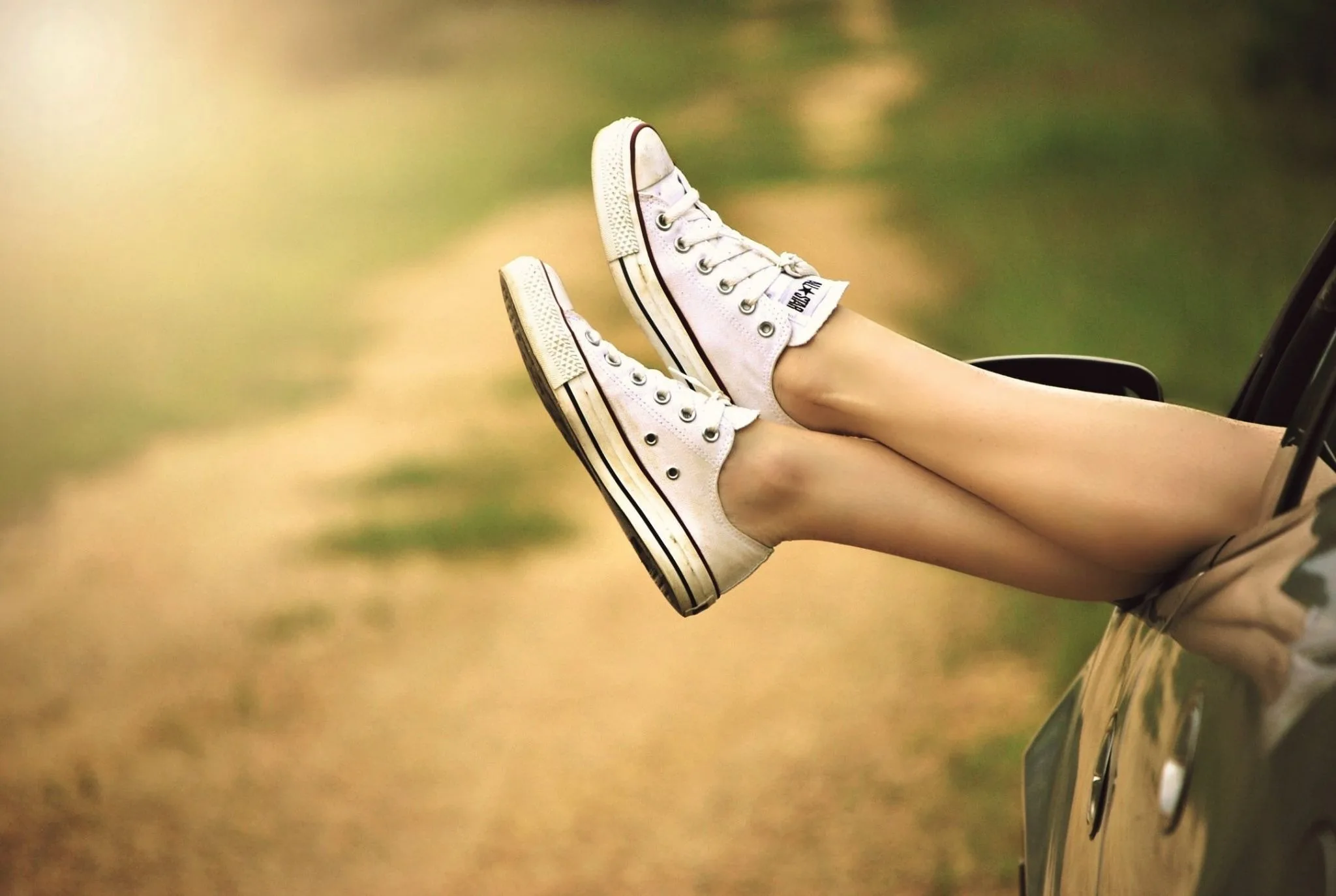
A good pair of sneakers earns its place quietly. They are the shoes reached for on a day filled with errands, a long walk, a commute that involves more stairs than expected, or a weekend when plans stretch well beyond the coffee shop.
That versatility is the point. Sneakers can bridge the gap between comfort and everyday style, working with jeans, casual dresses, relaxed tailoring and travel clothes. A pair that fits well can make it easier to choose walking over driving or stay comfortable through a day spent on the move.
This is not an argument for owning the most expensive pair, or for expecting one shoe to suit every activity. It is a case for having at least one dependable pair that feels right on the feet, suits the wearer’s routine and can be worn often.
The case for a reliable everyday pair
Many wardrobes include shoes chosen for a particular occasion: formal events, work dress codes or changing weather. Sneakers fill a different role. They can be worn repeatedly, adjusted with laces and socks, and styled in ways that feel casual without looking unfinished.
A versatile pair might be simple and neutral, easy to combine with different outfits. Another woman may prefer a brighter colour or a chunkier silhouette that becomes a focal point. Either way, the most useful option is the one that fits into real routines, not just the one that looks good in a product photo.
Comfort can also make everyday movement more appealing. Walking is a practical way to add activity to the day, whether that means taking a short stroll at lunch or walking part of the commute. The U.S. Centers for Disease Control and Prevention notes that brisk walking counts toward the recommended amount of weekly moderate-intensity activity for adults. A pair of comfortable walking shoes can make those everyday walks easier to build into a routine, though footwear alone does not create a fitness habit.
The right sneaker also offers more choice than a flat, rigid shoe when the day involves a lot of walking. A shoe should move naturally with the foot and feel secure without pinching. The CDC’s basic guidance for walking shoes points to a good fit and enough space for the foot to spread with each step, details that are easy to overlook when shopping primarily by appearance.
A guide to choosing shoes for foot pain from Harvard Health likewise emphasizes fit from the beginning. That advice applies beyond people already experiencing discomfort: a shoe that rubs, slips at the heel or presses the toes is unlikely to become a favourite through wishful thinking.
Women comparing everyday options can browse Brand House Direct women’s sneakers as one starting point for different styles. The important step comes after spotting a promising design: check its fit, consider how it will be used, and make sure the shape feels comfortable on the foot.
Style matters, but so does the fit
Sneakers have moved well beyond the gym. A clean, low-profile pair can soften a tailored outfit; a retro-inspired design can add character to jeans; and a modern running-style sneaker can bring a sporty edge to a simple dress. The range makes it easier to choose shoes that reflect personal style while still being practical.
The best everyday pair is not necessarily a technical running shoe. Running shoes are designed for the demands of running, while casual sneakers may be better suited to shorter walks and general wear. If the goal is regular running, a shoe made for that activity may be more appropriate; for commuting or errands, comfort and fit may be the deciding factors.
A few checks can help when trying sneakers on:
- Try them on with the socks that are likely to be worn with them.
- Walk around and notice whether the heel feels secure.
- Check that the toes have room and are not pressed against the front.
- Pay attention to pressure, rubbing or slipping before leaving the shop.
It can also help to try shoes later in the day, when feet may be more swollen than they are in the morning. Sizes vary between brands and styles, so the number on the box is only a guide. The Australian Podiatry Association’s advice on shopping for correctly fitting shoes explains why fit matters and recommends consulting a podiatrist if there are concerns about how shoes sit on the foot.
Care can help a favourite pair last longer. Letting sneakers air out between wears, cleaning them according to the manufacturer’s instructions and avoiding unnecessary wear in harsh conditions can keep them fresher. When the tread is worn, the upper is damaged or the shoe no longer feels comfortable, it may be time to replace them.
A reliable pair of sneakers will not solve every wardrobe dilemma or suit every occasion. But it can make a busy day more comfortable, support more spontaneous plans and give everyday outfits a relaxed finish. The best pair is the one that gets worn because it fits, feels good and works with the life its owner actually leads.