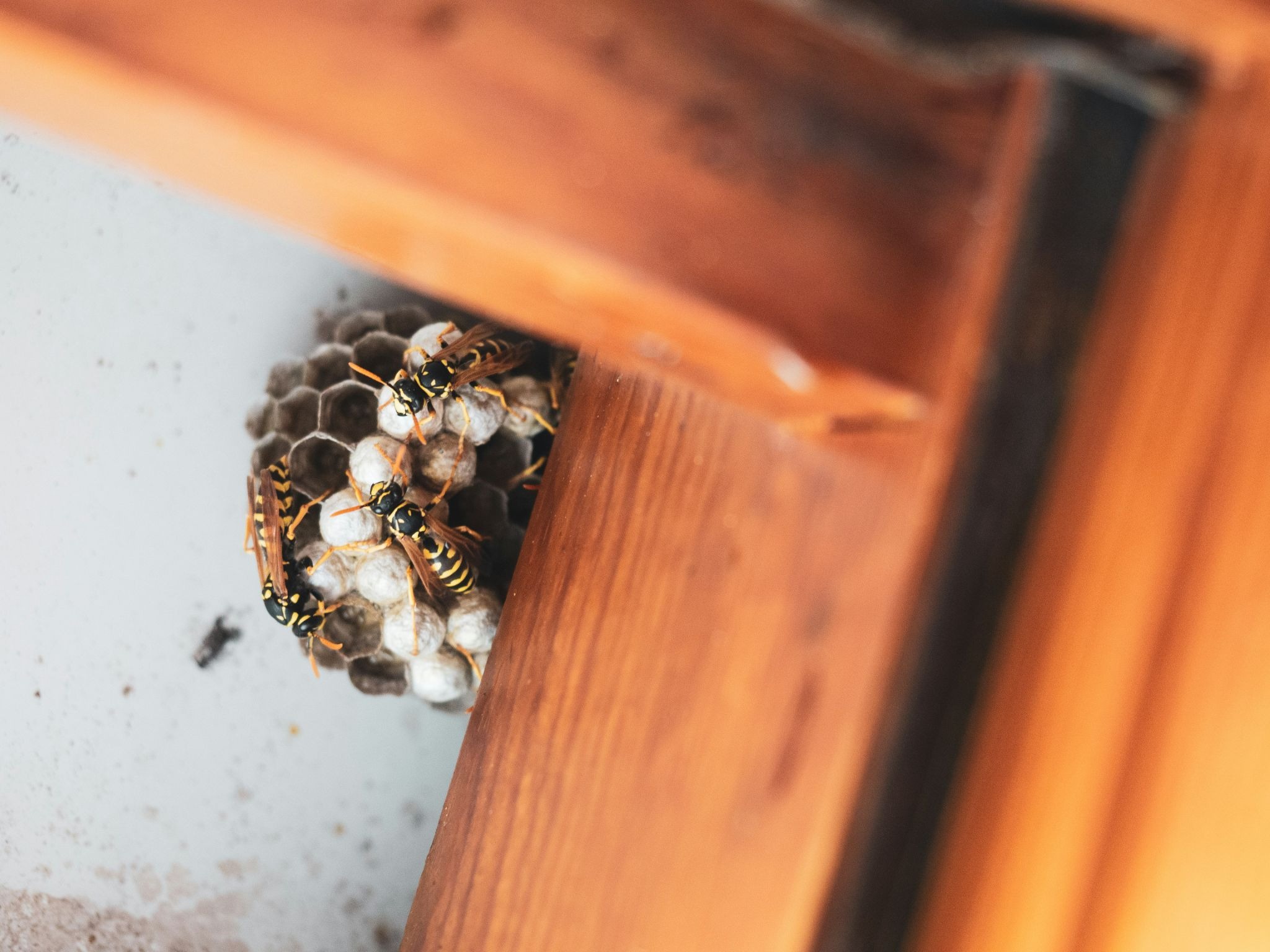
Mice don’t wait for a hard freeze. One cold snap is enough to send them, along with spiders and roaches, hunting for a warmer address. The technicians at CitiPest Control in Frisco see the same pattern every fall: most problems start at the edges of a house, in small gaps that haven’t had a second look since spring. The good news is that catching those gaps early is often enough to keep pests outside.
Putting in a little seasonal pest prevention now saves you from a much bigger fight in January. This checklist runs in walking order, roofline first and woodpile last.
Why Fall Is a Critical Time for Pest Prevention
Pests aren’t singling you out. As it becomes colder, the source of their food and water that is found outside runs out, and the nice warm home with just a little bit of bread under the toaster seems like the better option. Mice can squeeze through openings that are around the size of a dime; therefore, once they enter the house and reproduce, it will be much more challenging to get rid of them as opposed to preventing them during October. That’s really all seasonal pest prevention is: shutting the door before anyone gets through it.
Inspect the Exterior of Your Home
Choose an arid day and go around the house using a flashlight. If you want to examine the exterior of your house for pests, there are two main objectives that you need to be looking for: entry and shelter. Start from the ground level at the foundation and work your way up to the roof level. Here’s what usually shows up:
- Thin cracks in the foundation, or siding that’s started to separate from the wall
- Ripped window screens and weatherstripping that’s dried out and brittle
- Door sweeps with a strip of daylight showing underneath
- Loose shingles, damaged fascia, or wood that gives when you press it
- Openings around vents and chimneys, and where gas, cable, or AC lines come into the house
Snap a photo of anything suspicious so you can find it again when it’s time to fix it.
Seal Common Entry Points
Then, we have sealing, where the type of material used becomes more important than what most people would ever imagine. For hairline cracks near window frames and trim, caulk is the right choice. If the crack is larger, fill it up with steel wool or copper mesh, then cover it up with sealant. Mice can chew through any foam or plastic. Metal is the only solution.
The walls, on the other hand, should be done slowly and methodically. There are plenty of pipes, dryer vents, cables, and AC lines that pass through walls, leaving behind an opening for any type of pest to use. Check each one. While you’re at it, replace sagging door sweeps, patch torn screens, and see whether the garage door touches the floor along its whole length. Boring? Yes. But one afternoon of it closes off a surprising amount.
Clean Gutters, Drains, and Yard Debris
Gutters come first. The clogged gutter collects rainwater, and the standing water provides a conducive environment for mosquitoes and roaches as the water slowly gets absorbed in the surrounding wooden surface. All leaves and debris must be cleaned, and all downspouts must be free from the base. Water that pools against a wall causes trouble of its own.
With the ladder still out, turn to the yard. Any branch that comes into contact with the roof will act as a bridge for the pests, and thus you have to trim it down. Remove all leaves that may have fallen near the house. Where there is any part of the ground that gets wet and remains moist, figure out the reason why before the next rainfall. Lastly, re-check the outside of the house for pests.
Check Attics, Basements, and Crawl Spaces
Head inside and begin with the areas you almost never open. Attics, basements, and crawl spaces are dark, still, and quiet, which suits mice and roaches fine. Many of the pest entry points in the house end up in these spaces, so don’t rush the look.
Be sure to have a flashlight with you. Animal waste, bite marks in wires, frayed insulation, nesting material, and bad smell indicate that there has been some activity. The presence of damp spots is also a sign, because pests go where there is moisture. Not keen on squeezing through a crawl space? Found something that looks recent? Call a professional. Technicians spend much of their working day in places like these and notice small signs most homeowners would miss.
Store Food and Firewood Properly
Food is the simplest task on this checklist. Move the cereal, flour, and animal feed out of their packaging into air-tight boxes, wipe the counter-top of every scrap and cover the outdoor bins. Pests have little to work with in a pantry that’s closed up properly.
Firewood gets overlooked more than it should. Stacked against the house, it becomes a shelter for ants, termites, and rodents. Keep the logs off the ground and well clear of the walls, and carry in only what you’ll burn soon. Look each piece over before it comes inside, because insects can hitch a ride on a log without anyone noticing.
In conclusion
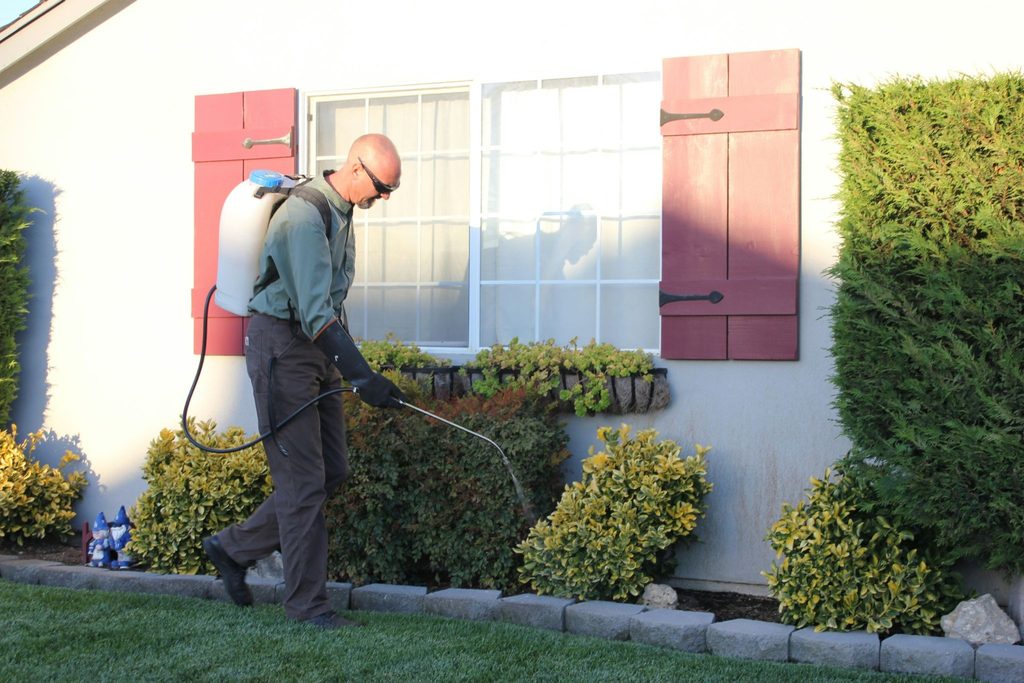
Staying ahead of fall pests doesn’t mean giving up a whole weekend. Go around the perimeter of the house and seal any hole you find.
Clean the gutters, examine the attic and the cellar, and consider how food and wood are stored. Once that’s done, your home is a far less inviting place for anything planning to wait out the winter.
We’d like to hear from you. Have you found an unusual entry point or tried a fall routine that worked? Share your tips or questions.