Most homeowners evaluate their living environments based on what they experience directly each day. Comfortable room temperatures, clean indoor air, manageable utility bills, natural lighting, and quiet interiors all shape how a home feels over time. Because these experiences are so immediate, renovation projects often prioritize visible improvements like flooring, kitchens, furniture, paint colors, and decorative upgrades.
Yet many of the systems that most strongly influence daily comfort are almost completely hidden from view. Roofing assemblies, attic ventilation, insulation coordination, drainage systems, moisture barriers, and airflow pathways all affect how efficiently a home functions behind the scenes. These systems quietly regulate heat movement, humidity levels, moisture control, and energy performance every day without most homeowners ever noticing.
As weather conditions become more demanding and energy efficiency grows increasingly important, these hidden exterior systems are beginning to play a much larger role in modern residential living.
Roofing Performance Shapes Indoor Temperatures
Roofing systems affect far more than weather protection alone. They also influence how heat enters, exits, and circulates throughout the home.
During warmer months, roofing materials absorb significant amounts of solar heat throughout the day. Without proper ventilation and insulation coordination, that heat can become trapped inside attic spaces and gradually radiate downward into living areas. Homeowners often experience this through hot upper floors, uneven room temperatures, or HVAC systems that seem to run continuously during peak summer conditions.
In colder seasons, roofing systems help regulate how effectively warm air remains inside the structure. Poor insulation coordination or unnoticed air leaks around roof penetrations may increase heat loss while allowing moisture accumulation to develop inside hidden structural cavities.
This is why modern roofing systems increasingly focus on energy performance alongside durability. Roofing design now frequently incorporates ventilation balancing, reflective materials, moisture barriers, and insulation integration intended to improve long-term indoor comfort rather than functioning only as a protective exterior shell.
Attic Ventilation Quietly Controls Comfort
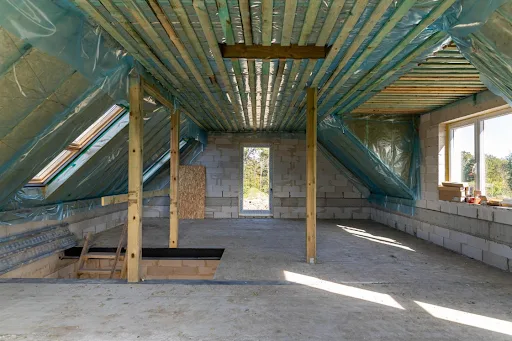
Attic ventilation remains one of the most overlooked contributors to everyday living conditions. Because attic spaces are rarely visible during normal daily life, many ventilation problems remain unnoticed for years.
Poor attic airflow can create excessive heat buildup, trapped humidity, condensation, and moisture accumulation beneath the roofing structure. Over time, these conditions may weaken insulation performance, increase cooling costs, and place additional strain on roofing materials themselves.
In many homes, attic spaces become dramatically hotter than homeowners realize during extended warm-weather periods, especially when ventilation pathways are restricted or roofing materials retain excessive heat. That trapped heat often radiates downward into living areas, creating uneven indoor temperatures and forcing HVAC systems to work harder throughout the day. Roofing systems designed with balanced intake and exhaust ventilation, reflective surface materials, and properly sealed roof penetrations can significantly improve thermal stability inside the home. Companies like Altair Austin Roofing Company increasingly work on roofing assemblies where ventilation performance, attic airflow behavior, and moisture regulation are treated as part of overall residential comfort rather than isolated exterior maintenance concerns.
This shift reflects a broader understanding that roof performance directly affects how a home feels internally on a daily basis.
Moisture Management Influences Air Quality
Hidden moisture problems also have a major influence on indoor living conditions. Small vulnerabilities around roofing systems, flashing, drainage channels, or exterior sealing may gradually allow water intrusion into insulation layers, wall cavities, or attic spaces long before visible leaks appear indoors.
Persistent moisture exposure often contributes to musty odors, elevated indoor humidity, mold growth, and poor air quality throughout the home. In many cases, homeowners notice symptoms like condensation, allergy irritation, or uneven humidity without immediately realizing the problem may originate from exterior structural conditions.
Modern residential maintenance increasingly focuses on preventing moisture accumulation before it spreads into larger structural or environmental issues. Roof drainage coordination, ventilation balancing, flashing integrity, and exterior sealing now work together as interconnected parts of long-term moisture control strategies.
This approach has become especially important in regions experiencing stronger storms, prolonged humidity, or rapid seasonal weather changes.
Drainage Systems Affect More Than Water Flow
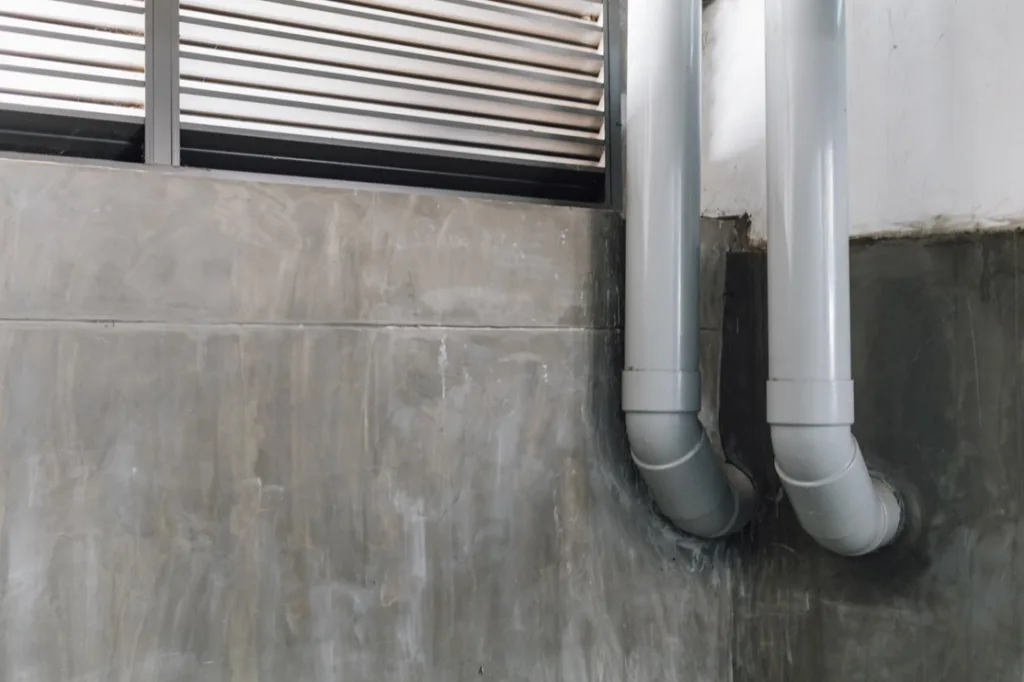
Many homeowners think about drainage systems only during heavy rainstorms, yet roof runoff management affects residential performance year-round.
Improper drainage may gradually saturate soil near the home’s perimeter, weaken foundations, damage landscaping, and increase crawlspace humidity over time. Water repeatedly collecting near exterior walls can also affect insulation performance, indoor air quality, and flooring stability inside the structure itself.
Homes with large rooflines, multi-level layouts, or older gutter systems often experience hidden runoff inefficiencies that remain unnoticed until visible damage eventually develops. Overflowing gutters, poorly angled downspouts, and restricted water flow can slowly create moisture conditions that affect both structural durability and indoor comfort simultaneously.
Because of this, drainage planning is increasingly viewed as part of broader whole-home performance rather than simply exterior water control.
Exterior Systems Influence Energy Costs
Energy efficiency has become one of the clearest examples of how hidden exterior systems affect everyday living conditions. Roofing assemblies, attic airflow, insulation quality, and moisture protection all influence how hard heating and cooling systems must work throughout the year.
Even relatively small airflow imbalances can significantly increase energy consumption over time. Heat trapped inside attic spaces often forces air conditioning systems to operate longer during summer months, while moisture-damaged insulation may reduce thermal efficiency during colder seasons.
Homeowners increasingly recognize that energy-saving improvements are not limited to appliances or smart-home technology. Exterior infrastructure often has a much larger effect on long-term utility costs than many interior upgrades alone.
According to The U.S. Department of Energy, attic ventilation, insulation performance, and roofing efficiency all play major roles in reducing residential energy demands and improving indoor environmental stability.
As utility costs continue rising, homeowners are paying closer attention to how exterior systems influence overall household efficiency.
Climate Conditions Are Increasing Structural Stress
Climate variability has also intensified the importance of hidden exterior systems. Stronger storms, prolonged heat exposure, heavier rainfall, and fluctuating humidity levels place increasing pressure on residential structures throughout the year.
Many homeowners first notice climate-related strain indirectly through rising cooling costs, uneven indoor temperatures, recurring condensation, or persistent maintenance issues rather than immediate structural failure.
This has encouraged more preventative inspections focused on ventilation performance, roof integrity, drainage efficiency, and moisture management before serious problems emerge. Rather than waiting for visible leaks or major damage, homeowners increasingly treat preventative exterior maintenance as part of protecting long-term indoor comfort itself.
Everyday Comfort Depends on Invisible Infrastructure
The growing attention surrounding hidden exterior systems reflects a larger shift in how homeowners think about residential living overall. Comfort is no longer viewed only through the lens of interior design or decorative aesthetics.
Roofing assemblies, attic ventilation, moisture control, insulation coordination, and drainage systems all contribute directly to how effectively a home performs every single day. These systems shape indoor temperatures, energy efficiency, air quality, structural stability, and long-term maintenance requirements in ways that most homeowners rarely see directly.
As homes become more performance-focused and environmental conditions continue evolving, hidden exterior infrastructure will likely play an even greater role in shaping modern residential comfort for years to come.