Have you ever noticed how small home problems seem to show up all at once, usually at the worst possible time? A leaky faucet becomes a stained ceiling, a cracked shingle turns into a full repair bill. Keeping a home in top condition is not just about looks. It affects comfort, safety, and even your finances. In places like Lacey, WA, where seasonal rain and moisture can quietly wear down structures, staying on top of maintenance matters more than ever as costs rise and homes take on a bigger role in daily life.
Why Home Maintenance Matters More Than Ever?
The past few years have changed how people think about their homes. Remote work, rising housing prices, and unpredictable weather have pushed many to see their house as both a refuge and an investment. When you spend more time in one place, every small flaw becomes more noticeable.
At the same time, repair costs have climbed due to inflation and labor shortages. Ignoring minor issues today often leads to larger, more expensive problems tomorrow. Regular upkeep helps you stay ahead, saving money and stress in the long run while keeping your living space safe and functional.
Small Fixes Prevent Big Headaches
Most major home problems begin as small, easy-to-fix issues. A loose shingle, a clogged gutter, or a tiny crack in the wall can seem harmless at first. Over time, though, these minor flaws can lead to water damage, mold, or structural problems.
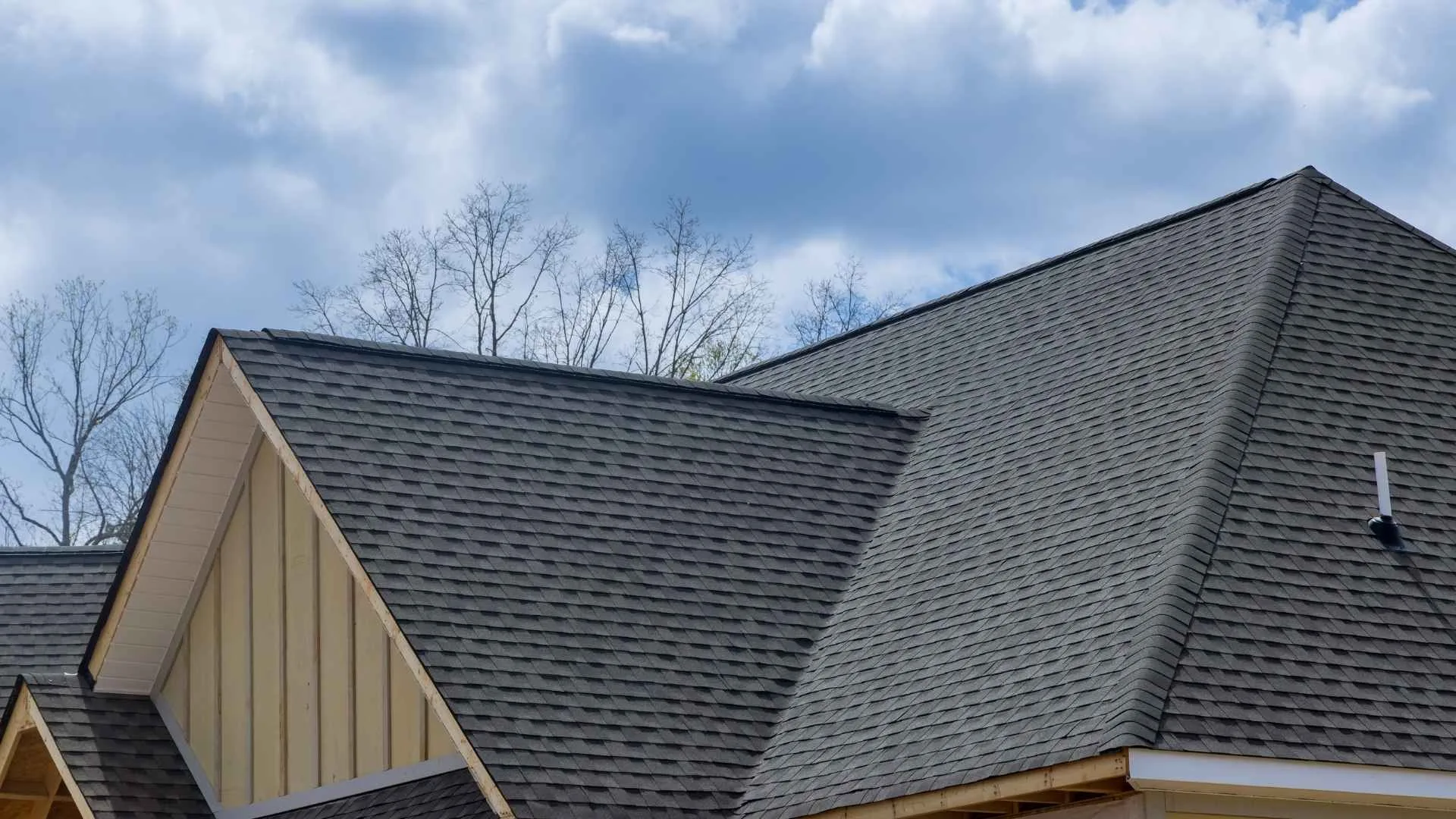
Homeowners who stay proactive tend to avoid emergency repairs. For example, someone who regularly inspects their roof may only need minor patchwork instead of a full replacement. Many people turn to professionals like a trusted Lacey roof replacement company when they notice early warning signs. Acting early keeps repair costs manageable and prevents disruptions to daily life, which is something every homeowner can appreciate.
The Financial Benefits of Staying Ahead
Keeping your home in good shape is not just about avoiding disasters. It also protects your property value. In a competitive housing market, buyers pay close attention to maintenance details. A well-kept home often sells faster and at a higher price.
Regular maintenance also reduces utility costs. Sealing windows, insulating attics, and fixing leaks improve energy efficiency. With energy prices fluctuating across the country, these small improvements can lead to noticeable savings. Think of maintenance as an investment that pays off both now and later.
Safety Should Never Be an Afterthought
Neglected homes can quickly become unsafe. Faulty wiring, loose railings, or hidden mold can pose serious risks to your family. These hazards often develop quietly, making regular inspections essential.
Taking a few simple steps can make a big difference. Test smoke detectors monthly, check for water leaks under sinks, and ensure that walkways and stairs are stable. Safety is not something to leave to chance, especially when most issues are easy to address early.
The Role of Technology in Modern Maintenance
Technology has made home maintenance easier than ever. Smart devices can detect leaks, monitor energy use, and even alert you when something needs attention. These tools help homeowners catch problems before they grow.
Apps and online platforms also make it simple to schedule inspections and repairs. Instead of waiting for something to break, you can set reminders for routine tasks like HVAC servicing or gutter cleaning. In a world where convenience matters, these tools help you stay organized without much effort.
Climate Change and Its Impact on Homes
Extreme weather events are becoming more common across the United States. Heavy storms, heat waves, and sudden cold snaps can all take a toll on your home. Roofs, siding, and foundations face more stress than they did a decade ago.
Preparing for these changes means staying proactive. Reinforcing vulnerable areas, cleaning drainage systems, and using durable materials can help your home withstand harsh conditions. Ignoring these factors can lead to costly damage, especially as weather patterns continue to shift.
Seasonal Maintenance Keeps You Prepared
Each season brings its own set of challenges, and staying ahead of them can prevent costly surprises. In the fall, clearing leaves from gutters helps avoid water damage when winter snow melts. During spring, checking for cracks or leaks ensures your home recovers from colder months without hidden issues.
Summer is a good time to inspect outdoor areas like decks and siding, while winter calls for monitoring insulation and heating systems. Following a seasonal routine keeps your home ready year-round. It also spreads out maintenance tasks, making them easier to manage instead of overwhelming you all at once.
The Emotional Value of a Well-Kept Home
A well-maintained home does more than protect your wallet. It also improves your quality of life. Walking into a clean, functional space can reduce stress and make daily routines smoother.
There is also a sense of pride that comes with taking care of your home. Whether it is a fresh coat of paint or a repaired fence, these improvements create a more pleasant environment. In a time when many people feel overwhelmed by outside pressures, having a stable and comfortable home can make a real difference.
Routine Inspections Build Long-Term Confidence
Taking time to inspect your home on a regular basis helps you stay in control rather than reacting to problems after they grow. Walking through your home every few weeks and checking key areas like ceilings, floors, and appliances can reveal early warning signs that are easy to miss in daily life.
Look for discoloration, unusual smells, or small cracks that could point to larger issues. Even listening for strange noises from heating or plumbing systems can be useful. These simple habits create a clear picture of your home’s condition, helping you make informed decisions and avoid unexpected repairs that disrupt your routine.
Practical Tips for Staying on Track
Keeping your home in top condition does not require a massive effort. Start with a simple checklist. Inspect your roof and gutters twice a year, service your heating and cooling systems regularly, and keep an eye on plumbing for leaks.
Break tasks into manageable steps. Instead of tackling everything at once, focus on one area each month. This approach makes maintenance less overwhelming and more consistent. Over time, these small efforts add up, helping you avoid major repairs and maintain a home that works for you rather than against you.