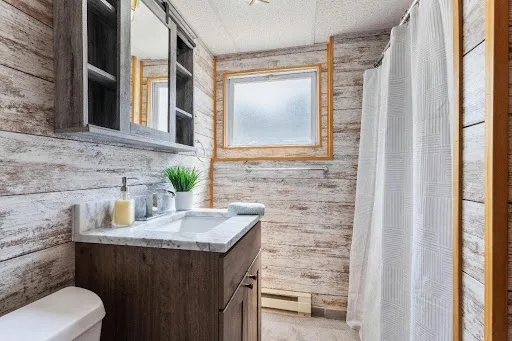
You notice it most on rushed mornings, when the mirror fogs up too fast, and the light hits every stain you forgot to scrub. The bathroom starts to feel smaller than it really is, and somehow older too, even if the rest of the house looks fine.
Most people sit with that feeling for a long time before doing anything about it. It happens in homes where everything else was updated, but this one space stayed stuck. It is not always about budget. It is usually about not knowing where to begin, or what might go wrong once things start opening up behind the walls.
Start With What Actually Bothers You
Before any tile samples or paint colors come into the picture, it helps to slow down and look at how the space is used. Not how it should look in a magazine, but how it behaves during a normal day. The faucet that splashes too far out, the cabinet that never fully closes, the awkward gap between the toilet and the wall. These are small things, but they build up.
A lot of homeowners jump straight into design choices, and it shows later. The layout stays the same, the problems stay the same, only now they are wrapped in newer materials. It feels like progress at first, but then the same frustrations return. That part tends to be overlooked.
Planning The Work Before a Bathroom Remodel
There is a stage before any bathroom remodel project begins where decisions are made quietly, often at the kitchen table or on a phone screen late at night. This stage matters more than people expect. It is where the scope gets set, even if it feels informal. What gets replaced, what stays, and what is quietly ignored.
In many cases, the difference between a smooth project and a stressful one comes down to how clear that early thinking was. A proper plan does not need to be complicated, but it does need to be honest about time, budget, and the condition of the existing space.
Layout Matters More Than Finishes
People tend to focus on surfaces because they are visible. Tiles, vanities, lighting fixtures. They are easy to compare and easy to change. But the layout underneath all that is what decides whether the space works or not. If the sink is too close to the door, or the shower door blocks movement, no amount of design will fix that later. It gets locked in once plumbing lines and walls are set. Changing it after the fact is possible, but rarely simple.
Sometimes even shifting a fixture by a few inches makes a difference. It sounds minor, but those inches affect how a person moves through the room. Over time, that movement becomes a habit, and habit is hard to ignore.
Hidden Problems Tend to Stay Hidden Until They Do Not
Older bathrooms carry surprises. Water damage behind tiles, weak subflooring, and outdated pipes that were never meant to last this long. These issues are not always visible at the start, and that can throw off both timeline and budget.
It helps to expect some level of discovery once work begins. Not every project runs into major problems, but most run into something. Planning a small buffer, both financially and mentally, makes those moments easier to handle.
Materials Should Match How the Space Is Used
A family bathroom is not the same as a guest bathroom, even if they are the same size. One gets used constantly, sometimes roughly, while the other sits quiet most of the week. The materials should reflect that difference. For high-use spaces, durability matters more than appearance. Surfaces that resist water and stains, fixtures that can handle repeated use without loosening or leaking. These choices do not always look exciting on paper, but they hold up better over time.
On the other hand, a less-used bathroom allows for more flexibility. Slightly more delicate finishes can work there because they are not under the same pressure. It is a small distinction, but it changes how long the results last.
Storage Is Often Underestimated
Most bathrooms run out of storage before anything else. It starts with a few extra items on the counter, then a basket in the corner, and eventually, clutter becomes part of the room. Built-in storage helps, but only if it is planned early. Adding it later is harder, especially in smaller layouts. Even a recessed shelf in the shower or a slightly deeper vanity can make a difference. There is also the question of access. Storage that is hard to reach tends to be ignored, which defeats the purpose. It should feel natural to use, not like something added as an afterthought.
Lighting Changes How Everything Looks
Lighting is one of those things that people notice only when it is wrong. Too harsh, and it feels clinical. Too dim, and it becomes frustrating during daily routines. Layered lighting usually works best. A main light for general use, softer lighting for evenings, and focused lighting around mirrors. It does not need to be complicated, but it does need some thought. Natural light, if available, should be used well. Even a small window changes the mood of the space. Coverings can be adjusted for privacy without blocking light completely, though that balance can take some trial and error.
The Timeline is Rarely as Short as Expected
There is often an assumption that bathroom work will be quick. It is a smaller space, after all. But the number of trades involved adds up. Plumbing, electrical, tiling, finishing. Each step depends on the one before it. Delays happen. Materials arrive late, or a hidden issue slows things down. It is frustrating, but common. Keeping expectations flexible helps avoid unnecessary stress. It also helps to plan for how the household will function during that time. If there is only one bathroom, the disruption is not small. Temporary arrangements may be needed, and those should be considered early.
Individually, each decision seems manageable. Taking a bit more time up front usually pays off. It does not mean overthinking every detail, but it does mean staying aware of how each piece fits into the whole. In the end, a bathroom makeover is not just about changing how the room looks. It is about adjusting how it works in daily life. That part is quieter, less visible, but it tends to matter more once everything settles back into routine.


