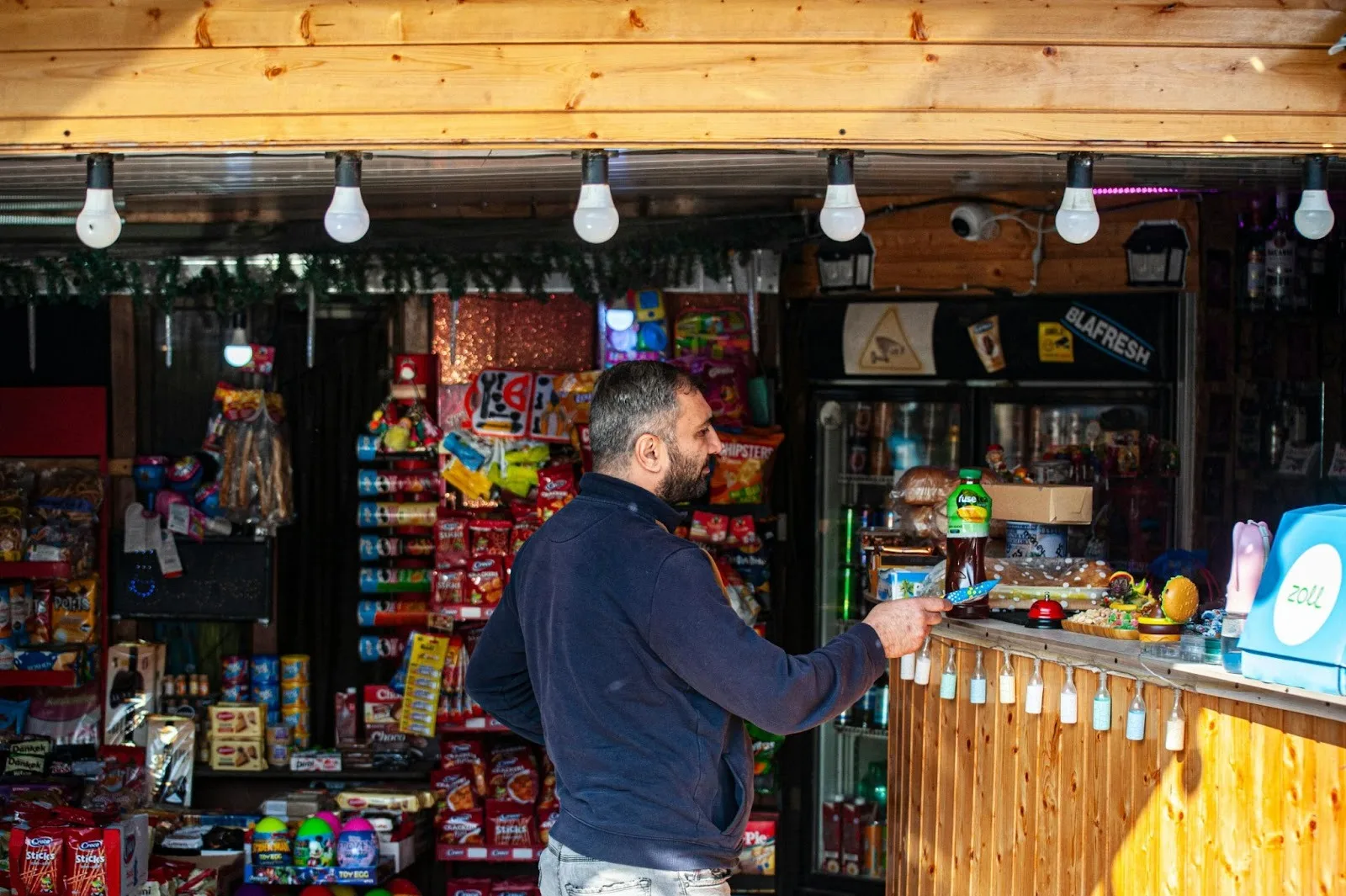
Imagine walking into a store in a country where you don’t speak the language. No one greets you in a tongue you understand, and the signs on the walls mean nothing to you. Yet somehow, you find what you need, pay for it, and leave feeling comfortable. That’s not luck; that’s intentional design. Retail Without Language that work globally are built around a simple idea: people should not need language to shop. As more brands push into international markets, the question of how to design spaces that speak to everyone is more relevant than ever. This blog breaks down how that actually works in practice.
Spaces Speak Before People Do
A store communicates the moment a customer steps through the door. Before any product is touched or a staff member approached, the layout, Designing Spaces, lighting, and flow have already made an impression. This first layer of communication happens entirely without words.
Wide, open entrances signal welcome. A clear sightline to the back of a store reduces anxiety and encourages movement. Product placement at eye level draws attention without instruction. These are spatial cues that work across cultural backgrounds because they tap into how human beings naturally read their environment.
Retail consultant Erin Morris has long argued that the most effective global store designs treat the physical environment as the primary communication tool, not signage or staff scripts, but the space itself. When the layout is logical, and the journey through a store feels natural, shoppers from any background figure it out quickly. That intuitive flow is not accidental; it’s engineered.
Floor Plans That Guide Without Instructions
Store layout is where global Retail Without Language either wins or fails. A poorly planned floor plan forces customers to ask for help or give up entirely. A well-designed one moves people through a space as if they already know the way.
Grid layouts create predictability. Customers learn the system fast and can revisit sections without confusion. This works well for grocery and big-box retail, where efficiency matters. Freeflow layouts, more common in fashion and lifestyle retail, create a browsing experience where exploration is the point. Both styles guide behavior through structure, not text.
The decompression zone just inside the entrance is one of the most studied elements in retail design. It sets expectations. A spacious, calm entry signals a considered and premium experience. A bright, dense entry signals value and energy. These readings are consistent across cultures because they reflect the pace and mood the store is inviting you into.
Placing checkout at a natural endpoint, fitting rooms near the back of clothing sections, and service desks at visible junctions are all part of thoughtful design services that reduce the shopper’s cognitive load. When things are where logic suggests they should be, nobody needs a map.
Symbols and Visuals That Cross Borders
Pictograms are one of the most reliable tools in global Retail Without Language. Simple icons representing actions, product categories, or directions communicate clearly to shoppers regardless of their native language. Airports have used this logic for decades, and retail is increasingly borrowing from it.
IKEA is the most quoted example of symbol-led design done well. Their in-store navigation and product assembly instructions rely almost entirely on images. A first-time IKEA shopper from anywhere in the world can follow the experience without reading a single word.
Color requires more careful thought. Red carries luck and prosperity in Chinese culture, urgency and caution in others. White reads as clean and minimal in Western markets, as associated with grief in parts of East Asia. Designers working on international stores tend to anchor their palettes in neutral tones, warm whites, natural greys, and earthy beiges that carry fewer strong cultural associations and allow the product to lead.
Material selection also sends signals. Natural wood, stone, and linen read as grounded and premium across most markets. High-gloss and chrome lean modern and urban. When materials are chosen intentionally, they communicate a brand’s personality without a tagline.
Sound, Scent, and Touch in Global Retail
What a store sounds, smells, and feels like shapes the customer experience just as much as what it looks like. These sensory dimensions often carry less cultural baggage than color or symbol, making them valuable tools for global design.
Music tempo influences pace. Slower, quieter music encourages lingering. Faster, louder tracks push movement and urgency. Most global flagship stores opt for instrumental ambient sound, avoiding lyrics entirely. Lyrical content in any specific language immediately signals who the store was designed for and who it wasn’t.
Scent branding is used by some of the most successful global retail chains. Clean, neutral scents, fresh air, light wood, mild citrus work across markets because they don’t tie strongly to a specific cultural memory or association. Heavy florals or specific food scents can trigger very different reactions depending on where in the world your customer grew up.
Touch matters too. Textured surfaces at product display points invite handling. Smooth, cool counters at checkout feel efficient and transactional. These tactile signals prime the right behavior at the right moment in the journey, all without a single written cue.
Staff Presence and Non-Verbal Design
Even the Best-Designing Spaces has moments where a customer needs human support. How staff are positioned and how service areas are designed affect whether that interaction feels accessible or intimidating.
In many cultures, being approached by staff feels helpful. In others, it feels like pressure. Designing service stations at natural pause points rather than at entrances or midfloor gives customers control over when and whether they seek assistance. That shift in positioning changes the entire dynamic.
Clear staff uniforms, visible service counters, and well-marked queue systems reduce friction for international shoppers who may not know the local retail norms. These are design decisions, not just operational ones, and they make a meaningful difference for someone shopping in an unfamiliar environment.
Testing Before You Build
Global Retail Without Language should never be assumed; it should be tested. Brands expanding into new markets increasingly use diverse user research panels to evaluate store concepts before committing to a full build. What works intuitively for one demographic can be completely opaque to another.
Eye-tracking studies reveal where shoppers look first and where they hesitate. Customer journey mapping identifies friction points in the navigation flow. In-store observation sessions, where real shoppers are watched moving through prototype spaces, surface assumptions that desk research never would.
The cost of testing is a fraction of the cost of redesigning a live store. A retail space that works for a global audience from day one performs better, retains customers longer, and communicates something powerful: you were thought about before you arrived.
Q1 What does “retail without language” mean?
Answer: “Retail without language” refers to designing retail spaces in a way that customers can navigate and shop without needing to understand the local language.It emphasizes using layout, symbols, and sensory experiences to guide shoppers naturally through the store.
Q2 How does store layout affect the shopping experience?
Answer: Store layout is crucial because a well-planned floor plan can help customers find their way easily and intuitively.If the layout is logical and flows well, shoppers can navigate the space without asking for help, making their experience smoother and more enjoyable.
Q3 Why are symbols and visuals important in global retail design?
Answer: Symbols and visuals, like pictograms, are essential because they communicate ideas and directions clearly to customers, regardless of language.This makes navigation easier and more accessible for international shoppers who may not speak the local language.
Q4 How can brands test their retail designs before launching?
Answer: Brands can test their Retail Without Language by using diverse user research panels and conducting eye-tracking studies, customer journey mapping, and in-store observations.This helps identify potential issues and ensures that the store is effective for a global audience before it opens.