Water damage in homes and businesses often comes from sources people never think about. One of those sneaky culprits is Backflow Testing, a problem that quietly builds up until it causes real damage. Most property owners have no idea backflow is even happening until something goes seriously wrong. Getting your backflow system tested regularly is one of those small steps that saves you from a very large headache later.
What Backflow Even Is and Why It Matters
Backflow happens when water flows in the wrong direction through your plumbing. Instead of clean water moving from the supply line into your home, contaminated water gets pushed or pulled back into the main water supply. This can happen due to a sudden drop in water pressure, a water main break, or heavy water usage nearby.
The danger here is real. When backflow occurs, chemicals, fertilizers, bacteria, or other harmful substances can mix into your drinking water without you even knowing. You turn on the tap thinking you’re getting clean water, and you’re actually getting something that can make your family sick.
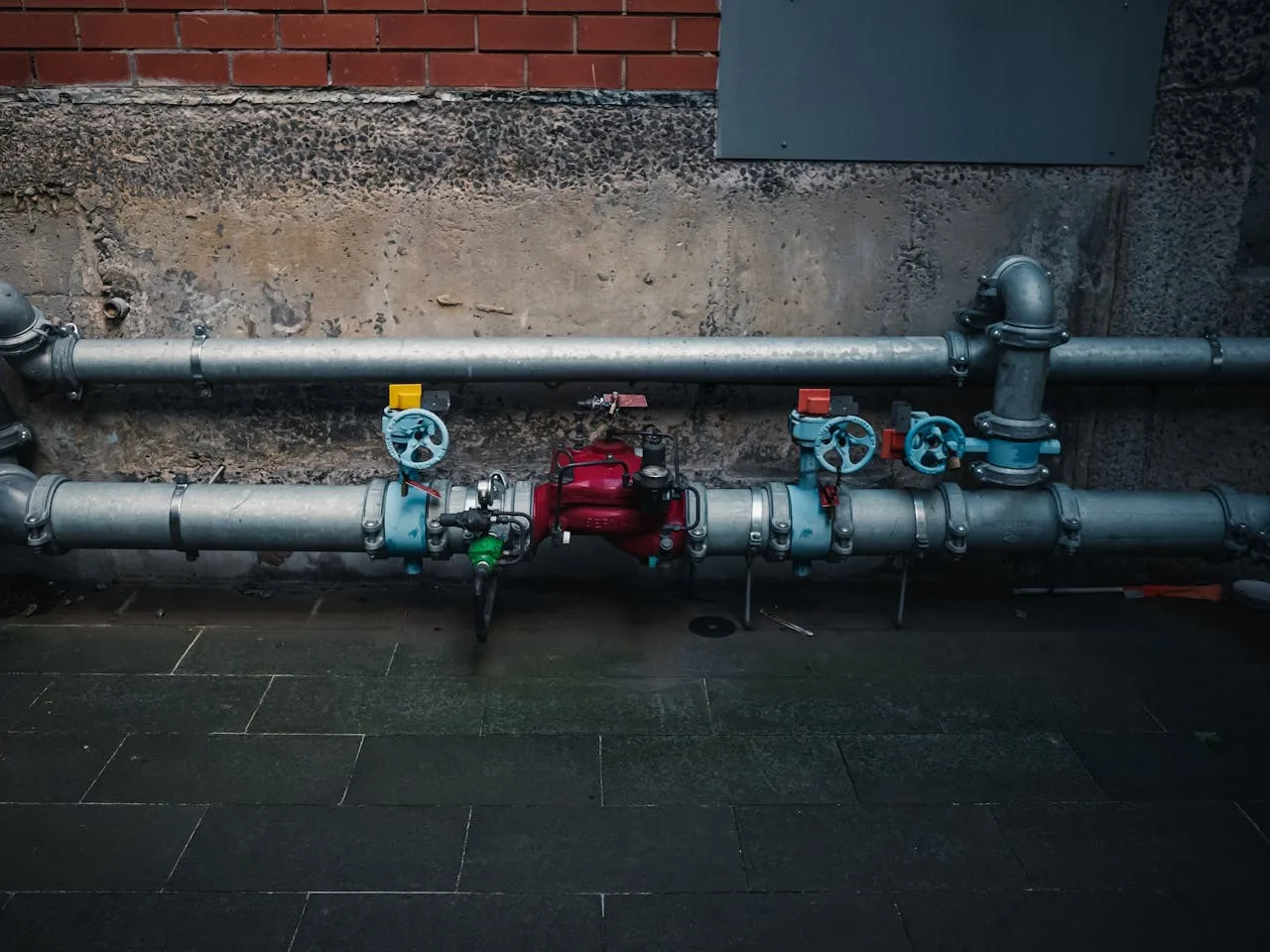
Backflow preventers are devices installed in your plumbing system to stop this from happening. They act as a one-way gate; water goes in, nothing comes back out. Simple idea, but these devices wear out over time and need to be checked.
How Regular Testing Catches Problems Early
This is where San Diego Backflow Testing professionals come in. A certified tester will inspect your backflow preventer, run pressure tests, and check whether the device is working the way it should. What they’re looking for are small signs of wear, valve failure, or seal degradation that most homeowners would never notice on their own.
Catching these issues early is what prevents the costly damage. A backflow preventer that’s starting to fail won’t always fail dramatically. Sometimes it just stops working as well as it should, letting small amounts of contaminated water slip through over time. That slow leak into your supply line can lead to corrosion, pipe damage, and eventually major repairs.
Testing gives you a clear picture of where your system stands. If something is off, you fix it now for a few hundred dollars instead of dealing with pipe replacements, water damage restoration, or health-related costs later.
Property Damage That Comes from Ignoring Backflow
When backflow goes unchecked for a long time, the damage isn’t always just about contaminated water. Backflow problems can lead to pressure imbalances in your plumbing system, which stress pipes, joints, and connections throughout your property.
Over time, that added stress causes leaks. Leaks inside walls or under slabs are among the most expensive repairs a property owner can face. You’re not just paying for the plumbing fix; you’re paying for drywall, flooring, mold remediation, and sometimes even structural repairs, depending on how bad things got.
What Happens During a Backflow Test
A backflow test is not a long or complicated process. A licensed technician comes out, shuts off the downstream water briefly, and uses a test kit to measure pressure differentials across the device. Whether you have a simple home design or a more complex commercial setup, the whole thing usually takes less than an hour for a standard residential or light commercial system.
After the test, you receive a report showing whether your device passed or failed. If it passed, you’re good to go until the next scheduled test. If it failed, the technician will tell you exactly what needs to be repaired or replaced. In most cities, the test results are also submitted to the local water authority, keeping you in compliance with local codes.
Compliance matters more than people realize. Many municipalities require annual backflow testing, and skipping it can result in fines or even water service interruptions. Staying on top of it is just good practice.
How Often You Should Get It Done
For most residential properties, once a year is the standard recommendation. Commercial properties, irrigation systems, and buildings with fire suppression systems often require more frequent testing because those systems experience higher usage and more pressure variation.
If your property has recently gone through any major plumbing work, had a nearby water main break, or experienced unusual water pressure changes, it’s smart to schedule a test outside of your normal cycle. Any of those events can affect how your backflow preventer is performing.
Keeping Long-Term Costs Low
Routine backflow testing fits into the same category as changing your HVAC filters or getting your roof inspected. It’s maintenance that costs very little compared to what it prevents. The average backflow test runs anywhere from $50 to $150, depending on your location and system type. Compare that to even a minor water damage repair, which can easily run into the thousands.
Property owners who make backflow testing a regular part of their maintenance schedule simply don’t run into the nasty surprises that others do. It’s not glamorous, and it’s not something that needs a lot of your time. You schedule it, a professional handles it, and your water system stays protected for another year.