Creating an environment that truly supports the rhythm and demands of daily life is at the core of great home design. When every detail, from layout to lighting, is carefully planned, a home shifts from a simple structure to a sanctuary tailored to its inhabitants. For those considering new homes Kirkland, now is the perfect time to explore how intentional choices can dramatically change your quality of life.
Too often, people underestimate the powerful connection between their well-being and the spaces they live in. From the ease of movement between rooms to the warmth personal touches provide, thoughtful design makes a tangible difference. It is about creating rooms that not only look beautiful but also work hard to meet the evolving needs of your household.
Modern home design places equal emphasis on comfort, adaptability, and harmony. Consider the profound benefits of homes that make excellent use of natural light, or those where every material has been chosen to balance coziness with durability. Every intentional detail supports a lifestyle where convenience and beauty coexist.
In an age of remote work, growing families, and shifting routines, adaptable spaces set the stage for seamless transitions throughout life’s different phases. Whether you are refreshing a beloved family home or developing a new space from scratch, integrating smart design principles ensures that your home will stand the test of time, both in style and function.
Functional Layouts for Seamless Movement
The core of home comfort lies in a layout that anticipates and enhances how people move through it. An intuitive flow not only reduces day-to-day frustration but also supports household tasks. Strategically arranging rooms, such as placing the laundry near sleeping areas or connecting the kitchen with both indoor and outdoor dining spaces, contributes to a naturally organized lifestyle. This focus on spatial planning is vital for families and individuals alike, minimizing unnecessary steps and obstacles throughout the day.
Harnessing Natural Light for Well-Being
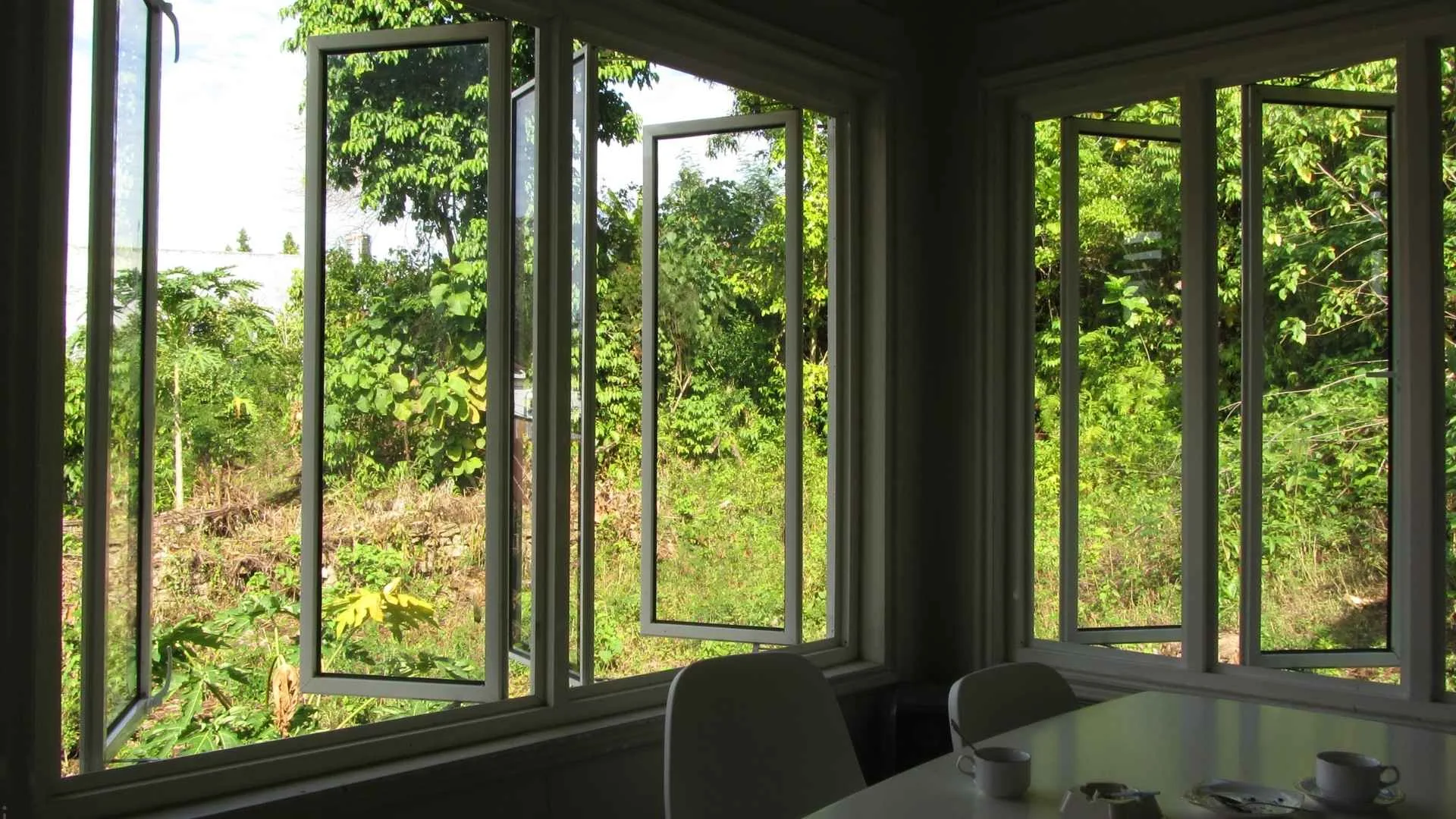
Natural light does more than simply brighten a space. Studies have shown its ability to boost mood, improve productivity, and support better sleep routines. Thoughtful placement of skylights, large windows, and glass doors can invite more sunlight into a space, transforming the most ordinary space into a welcoming retreat. Additionally, features like open-concept living areas and reflective surfaces help light reach even the farthest corners.
Flexible Spaces for Evolving Needs
Life is dynamic, and the best home design responds accordingly. Versatile spaces, such as home offices that can double as guest bedrooms or playrooms with hidden storage, help families meet changing needs without major renovations. Movable partitions, collapsible furniture, and modular built-ins offer easy adaptation. This approach not only future-proofs the home but also maximizes square footage in both smaller and larger properties by doubling up on purpose and practicality.
Incorporating Personal Touches
Homes come alive with elements that reflect a family’s unique story. Display shelves for cherished travel souvenirs, a wall of family photos, or handmade art can transform impersonal expanses into inviting, memorable spaces. These details celebrate individuality and invite connection between visitors and residents, forming an emotional foundation that makes a house truly feel like home. As noted by Livingetc, personalization is fundamental in creating spaces that feel both intentional and timeless.
Selecting Materials for Comfort and Durability
Lasting comfort in a home also depends on selecting the right materials for each environment. In high-traffic areas, surfaces like hardwood floors or natural stone offer resilience and timeless appeal, while plush textiles in living and bedroom spaces add softness and warmth. Consider materials that handle daily use gracefully and are easy to maintain, particularly for households with children or pets. Sustainable material choices can also improve indoor air quality and reduce environmental impact, ensuring comfort for future generations.
Integrating Technology for Convenience
Today’s smart home features give homeowners newfound control over nearly every aspect of the living space. Automated controls for lighting, temperature, and security systems allow daily routines to be executed with a single touch or voice command. It is important, though, to keep technology organized and seamlessly integrated to preserve the home’s style and function. Purposeful tech adoption streamlines tasks such as grocery ordering, energy management, and entertainment without introducing clutter or complexity.
Connecting Indoor and Outdoor Spaces
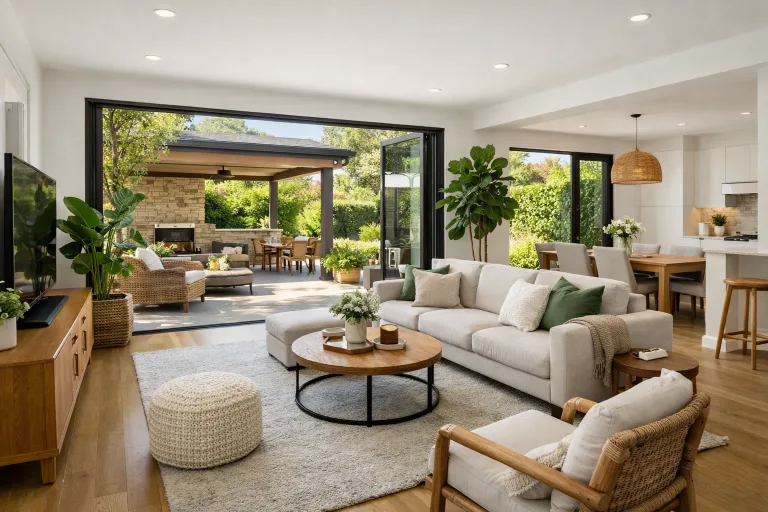
Blurring the lines between inside and outside not only extends the usable square footage but also draws the restorative benefits of nature closer. Large sliding or folding glass doors, covered patios, and landscaped gardens are among the features that foster year-round connection with the outdoors. These transitions provide perfect settings for both relaxation and entertaining, while inviting more natural airflow and light throughout the home.
Conclusion
Intentional home design is as much about enhancing everyday comfort and function as it is about expressing personal style. By prioritizing intuitive layouts, natural light, flexible spaces, meaningful touches, enduring materials, smart technology integration, and outdoor connectivity, homeowners can create an environment that enriches daily life on every level. These considerations are key for anyone seeking a home that not only looks beautiful but also supports and uplifts all who live within its walls.