Most renovation budgets follow a familiar outline. Demolition, framing, electrical, plumbing, drywall, flooring, cabinets, paint and a contingency line for surprises. Security cameras rarely appear on that list, and they usually get added after the painters leave, when the walls are closed and every cable has to be fished through finished surfaces. Planning a surveillance camera installation service into the project budget from the start costs less, looks cleaner and avoids patching fresh drywall a month after the reveal. Whether you are redoing a kitchen, finishing a basement, or building an addition, now is the time to decide where cameras go and how they will be wired.
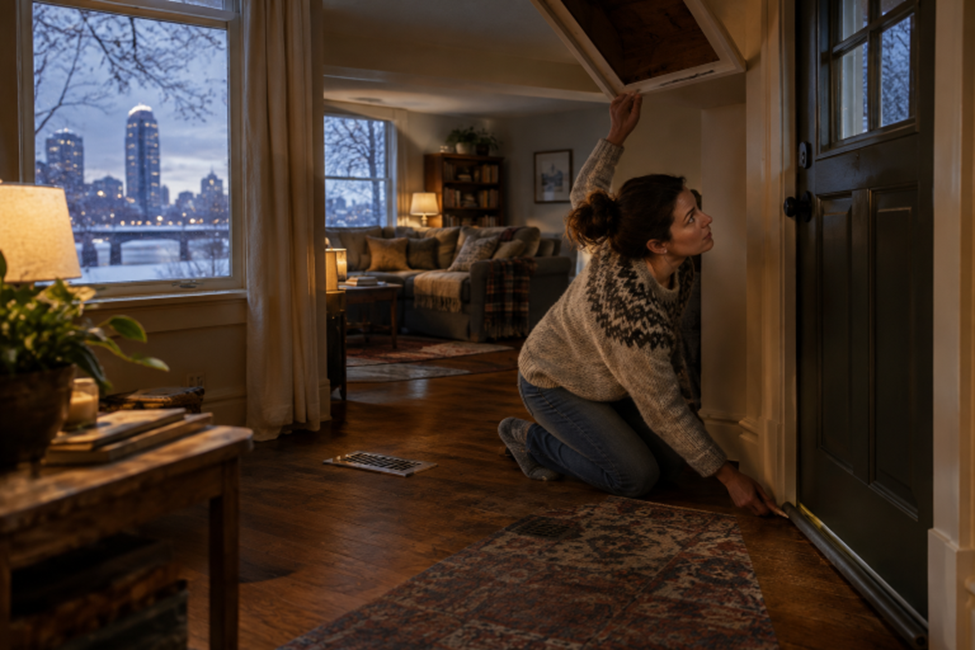
A common sight in newly remodeled homes: a beautifully finished entryway with a camera stuck to the siding and a visible cable snaking down the trim, because nobody thought about it during design. A few hours of planning prevents that.
Why Timing Changes the Cost
The cost of a camera system splits into two parts: the equipment and the labor to get power and data to each camera. Equipment prices stay about the same no matter when you buy. Labor varies widely depending on whether the walls are open.
During a renovation, a low-voltage technician can run network cable through open framing in minutes per location. After drywall, the same run may require cutting access holes, drilling through top plates from the attic, or routing cable along the exterior. Per-location costs for running a network cable typically range from $100 to $250 when walls are open and can climb well above that once finishes are in place, especially in two-story homes or rooms with vaulted ceilings.
Most wired security cameras today use Power over Ethernet, which sends power and video over a single Cat6 cable. That makes prewiring simple. One cable per camera location, run back to a central spot where the recorder and network switch will live, covers almost every modern system.
Where Cameras Fit in the Renovation Schedule
Low-voltage work happens during the electrical rough-in stage, after framing and before insulation and drywall. If your contractor does not include it, a security installer can schedule a short visit during that window. The table below shows how camera work lines up with typical renovation stages.
| Renovation stage | Camera-related task | Why it matters |
| Design and planning | Choose camera locations and recorder location | Locations drive cable routes and outlet placement |
| Framing complete | Mark camera points on studs, soffits and eaves | Ensures solid backing for mounts |
| Electrical and low-voltage rough-in | Run Cat6 cable to each camera point and to the recorder spot | Cheapest moment to wire, no finished surfaces to repair |
| Insulation and drywall | Protect and label cable ends | Prevents cables getting buried or cut |
| Paint and trim | Install mounting boxes that match exterior colors | Keeps cameras flush and tidy |
| Final finishes | Mount cameras, connect recorder, tune views | System goes live with the rest of the house |
If the project only touches the interior, think about the exterior anyway. Running a cable from a newly opened wall up into the attic gives the installer a clean path to the eaves later, even if the cameras go up next year.
What to Include in the Budget
Camera systems vary widely in scope, so it helps to break the cost into clear line items before collecting quotes. Each one below appears in most professional proposals:
- Site survey and camera placement plan
- Cable runs to each camera location and to the recorder
- Mounting boxes or junction boxes for a flush, finished look
- Cameras sized to each view, from wide-angle to longer lens for driveways
- Network video recorder with enough storage for your retention period
- Power over Ethernet switch, unless the recorder has built-in ports
- Surge protection and a small battery backup for the recorder and router
- Setup of the phone app, user accounts and motion zones
- Labor warranty and the cost of a future service visit
For a typical four- to six-camera wired system, professional installation with equipment often lands somewhere between $1,500 and $3,500, depending on camera quality, storage and how many cameras sit on a second story. Prewiring during a renovation usually trims the labor portion noticeably, and it gives you the option to install the cameras yourself later if the project budget gets tight.
Ongoing costs belong in the plan too. A local recorder requires no subscription, but its hard drive usually needs replacing after several years of continuous recording. Cloud-based cameras often charge a monthly plan for stored clips, typically $5 to $20 per month for a household, and professional monitoring adds more. Writing those numbers next to the upfront quote shows the real five-year cost of each option.
Design Details That Make Cameras Disappear
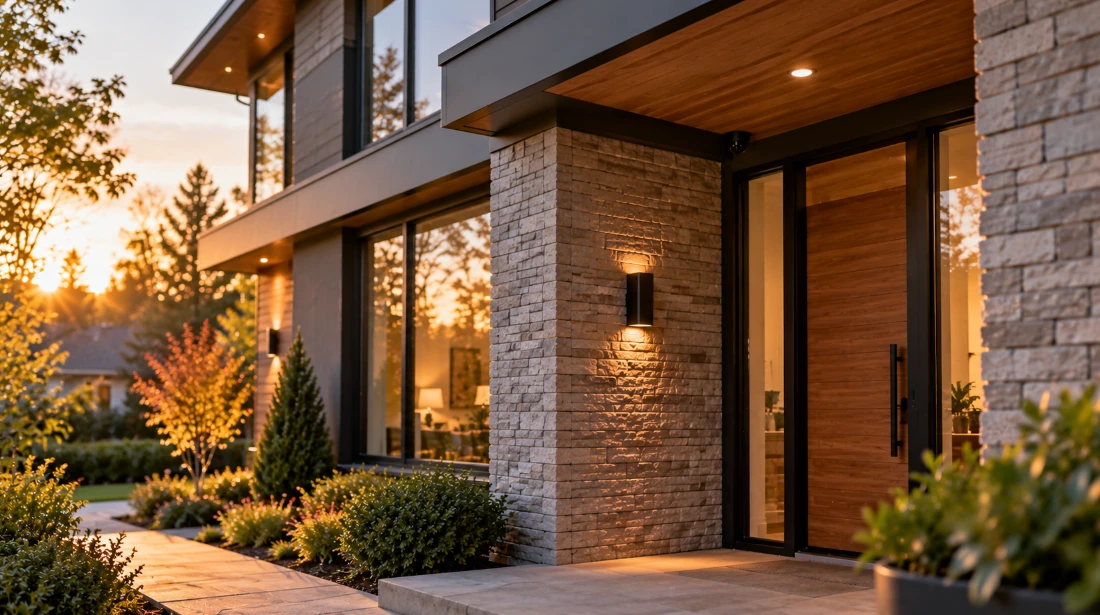
Interior designers spend weeks choosing hardware finishes and light fixtures, and then a white plastic camera lands on a dark bronze exterior. A little coordination avoids that.
Placing cameras under eaves and soffits keeps them out of direct rain and sun and makes them less visible from the street. Many manufacturers sell cameras in black and white, and some mounting boxes can be painted to match siding or trim. Turret and small dome cameras tend to blend into architectural lines better than long bullet cameras, while bullet cameras make sense where a visible deterrent is part of the goal.
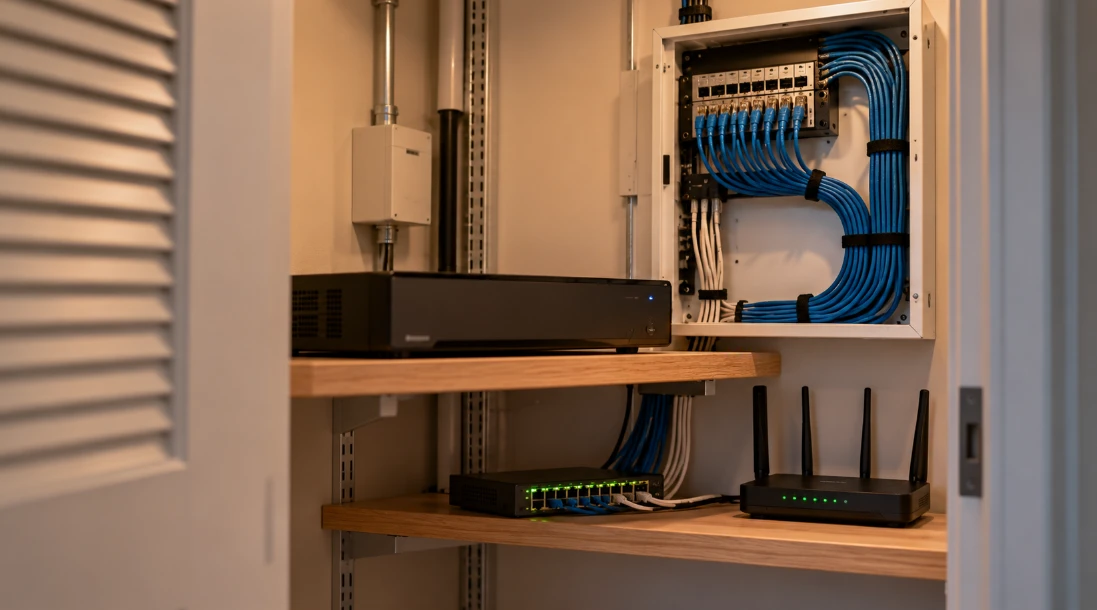
Inside the home, think about where the recorder will live. A ventilated closet, a utility room or a cabinet with airflow works well. Hiding a recorder in a sealed media cabinet traps heat and shortens the hard drive’s life. Planning a shallow network panel in a closet during the renovation gives the recorder, the switch and the internet router one tidy home.
Lighting design and cameras should be planned together. Motion-activated exterior lights can wash out a camera’s night image if they point straight into the lens, while soft, steady lighting near entries improves color video at night. A quick conversation between your electrician and camera installer can settle this before fixtures are ordered.
Wired, Wireless or Both
Not every camera needs a cable. Wireless and battery cameras make sense for detached sheds, garden gates or temporary coverage during construction, when tools and materials sit in a driveway or an open garage. You can install them in minutes and move them as the project progresses.
For permanent coverage of entries, driveways and the back of the house, wired cameras remain the more reliable choice. They do not depend on Wi-Fi strength, they never need charging and they can record continuously to a local recorder inside the house. Many homeowners end up with both: wired cameras planned into the renovation and one or two wireless units filling the gaps.
Leave Room for Future Upgrades
What I like most about prewiring is how much flexibility it buys for very little money. While walls are open, an installer can run one or two spare cables to likely future spots, such as a detached garage, a back gate or a second-floor deck. Unused cables cost almost nothing to leave in place, and they turn a future camera into a one-hour job.
Video doorbells deserve their own planning. Wired models from major brands typically need a doorbell transformer rated for 16 to 24 volts, and many older homes have a weaker transformer. Replacing it during an electrical rough-in is far easier than tracking it down in a finished basement later.
A short length of flexible conduit from the network closet to the attic gives the next homeowner, or a future you, a clean path for new cables without opening a single wall.
Folding Cameras Into the Contingency Line
Every renovation budget includes a contingency, often 10 to 20 percent of the project cost, for surprises behind the walls. If the project finishes under budget, part of that cushion can cover the camera installation without a separate financing decision. If it doesn’t, prewiring alone still protects the option, since the cables cost little and you can add the cameras later.
Ask your general contractor whether low-voltage work is in their scope, and if not, invite a camera installer to the planning meeting. When the drywall goes up with labeled cables waiting behind it, the finished house gets cameras that look like they were part of the design from the beginning, which, by then, they were.