Most homeowners don’t think much about energy consumption until the utility bill starts climbing. The frustrating part is that rising costs aren’t always caused by using more energy. Often, they’re the result of household systems gradually becoming less efficient over time. An air conditioner that runs longer than it used to. A refrigerator that’s working harder to stay cold. Drafty windows that let conditioned air escape.
None of those things seem significant on their own. Together, they can quietly add hundreds or even thousands of dollars to annual household expenses.
The good news is that lowering energy consumption doesn’t always require major renovations. In many cases, it starts with paying closer attention to the systems that use the most energy.
Stop Treating Maintenance as an Afterthought
A surprising number of homeowners wait until something breaks before addressing it.
That approach may feel like it’s saving money, but it often creates the opposite result.
Home systems rarely fail without warning. More often, performance gradually declines. Air filters become clogged. Motors work harder. Components wear down. Appliances run longer than necessary just to achieve the same result.
This is especially true for refrigerators, freezers, and cooling equipment. A unit with dirty coils or damaged door seals may still function, but it’s using more energy every day to do the same job.
The same principle applies to HVAC systems, water heaters, and other essential household equipment. Regular maintenance isn’t just about preventing breakdowns. It’s about keeping everything running efficiently.
Pay Attention to What Runs Every Day
When people look for ways to lower utility bills, they often focus on obvious changes.
Lights get replaced. Thermostats get adjusted.
Meanwhile, appliances and systems that run constantly receive very little attention.
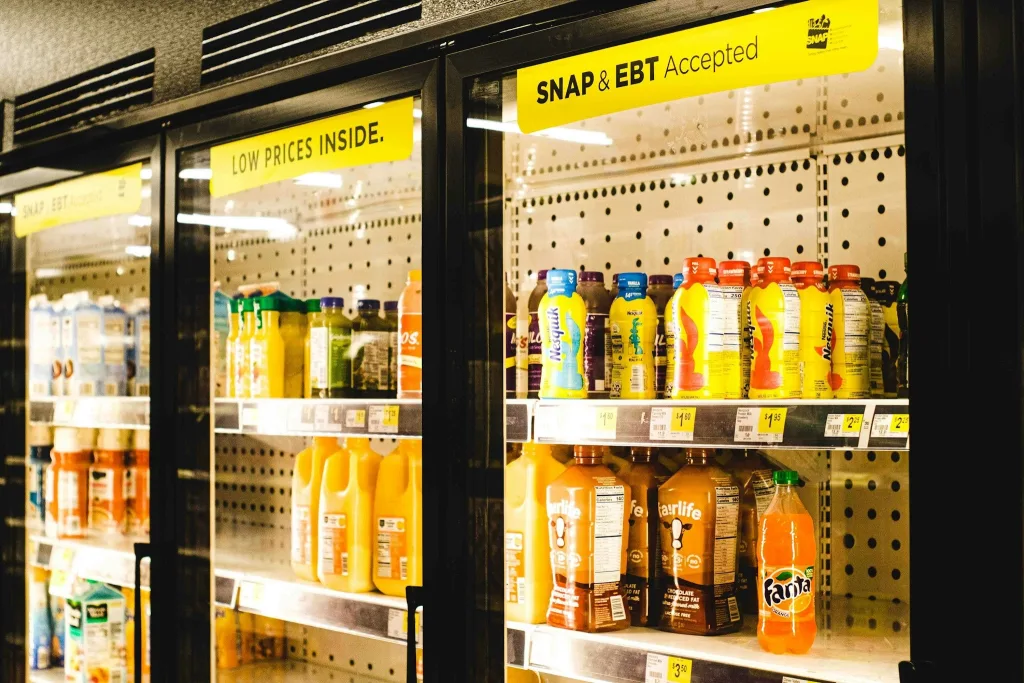
That’s why refrigeration equipment deserves a closer look. Whether it’s a kitchen refrigerator, garage freezer, or even a residential walk-in cooler, these systems operate around the clock.
Even small efficiency improvements can have a noticeable impact over the course of a year.
Many homeowners are surprised by how much energy savings come from properly maintained walk-in coolers, refrigerators, and freezers, especially when older equipment is involved.
Look for Small Problems Before They Become Expensive Ones
One of the most common causes of higher energy bills isn’t a major equipment failure.
It’s a small issue that nobody notices.
A door that doesn’t seal properly. Worn weatherstripping. An aging thermostat. Air leaks around windows and doors.
These aren’t the kinds of problems that immediately grab your attention. Instead, they slowly increase energy usage month after month.
The challenge is that many homeowners simply assume higher utility bills are caused by rising energy prices rather than declining efficiency.
Regular inspections can help identify these issues before they become larger repair expenses.
Don’t Assume Older Equipment Is Saving Money
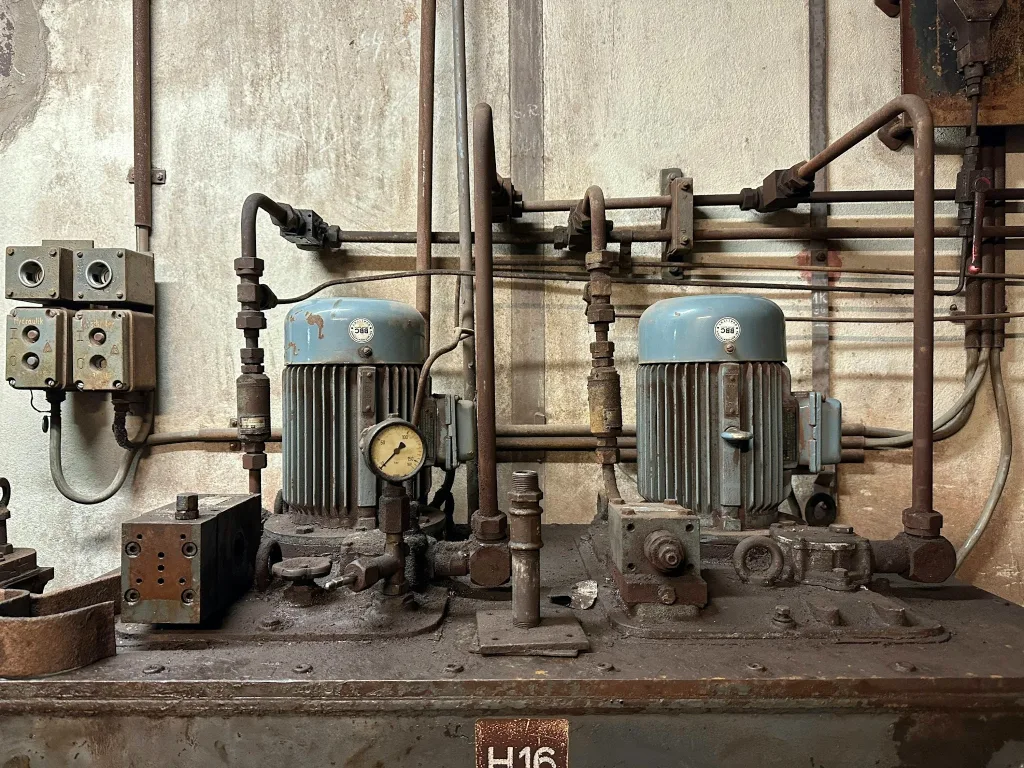
Many homeowners take pride in getting as much life as possible out of appliances and household systems.
There’s nothing wrong with that. Replacing equipment too early can be wasteful.
The problem comes when older systems become significantly less efficient than modern alternatives.
An aging air conditioner, refrigerator, or walk-in cooler may still be operating, but it could be consuming far more energy than a newer model designed with efficiency in mind.
That doesn’t mean every older appliance should be replaced immediately. It simply means the decision should be based on operating costs rather than age alone.
Homeowners should also remember that valuable items already sitting around the house may provide financial flexibility when larger expenses arise. Some people choose to sell unused valuables, while others explore options such as a pawn shop when short-term access to cash is needed for emergency repairs or equipment replacement.
Make Energy Efficiency Part of Everyday Habits
The homeowners who consistently keep energy costs under control usually aren’t doing anything dramatic.
They’ve simply developed good habits.
Air filters get changed regularly. Maintenance issues are addressed early. Lights are turned off when not needed. Appliances are used efficiently. Heating and cooling systems receive routine attention.
Over time, those habits add up.
Lower energy consumption is rarely the result of one major upgrade. More often, it’s the result of dozens of small decisions that improve efficiency little by little.
And as utility costs continue to rise, those small improvements can make a much bigger difference than most homeowners realize.
Final Thoughts
Reducing household energy consumption doesn’t have to involve expensive upgrades or major home renovations.
In many cases, the biggest savings come from maintaining equipment properly, addressing small problems early, and paying attention to the systems that use the most energy every day.
By making energy efficiency part of regular home maintenance, homeowners can lower utility costs, extend the life of their equipment, and avoid many of the expenses that come from neglected systems.