Maintaining a comfortable indoor environment year-round is essential for homeowners, especially in climates with extreme temperatures. Today’s advancements in heating and cooling solutions have made it easier than ever to achieve ideal home comfort while minimizing energy costs. For those looking for reliable performance and longevity, understanding the high-efficiency AC lifespan DFW area is increasingly important. Modern HVAC systems are now designed with both efficiency and user-friendliness in mind.
Whether your priority is lowering your utility bill or reducing your carbon footprint, choosing and maintaining the right system can make a substantial difference. Recent technological developments have also expanded households’ options, with various systems now capable of adapting to different climates and home layouts. Alongside heating and cooling systems, robust electrical components are crucial for safe and effective operation. For those seeking reliable upgrades or repairs, exploring dedicated electrical systems solutions can further optimize and secure your home environment.
Understanding Modern HVAC Systems
Heating, Ventilation, and Air Conditioning (HVAC) systems have evolved remarkably over the past decade. Instead of using excess energy to overcompensate for weather, today’s equipment integrates digital controls, smart thermostats, and variable-speed motors. These components, heat pumps, furnaces, air conditioners, and ventilation systems, work in tandem to provide consistent comfort while balancing energy use and air quality. Many new systems now offer zoned temperature control and integrated air purification features, enabling a tailored approach for every household. Homeowners can also remotely monitor and manage their energy usage, adjusting settings on the go via smartphone apps or connected home systems.
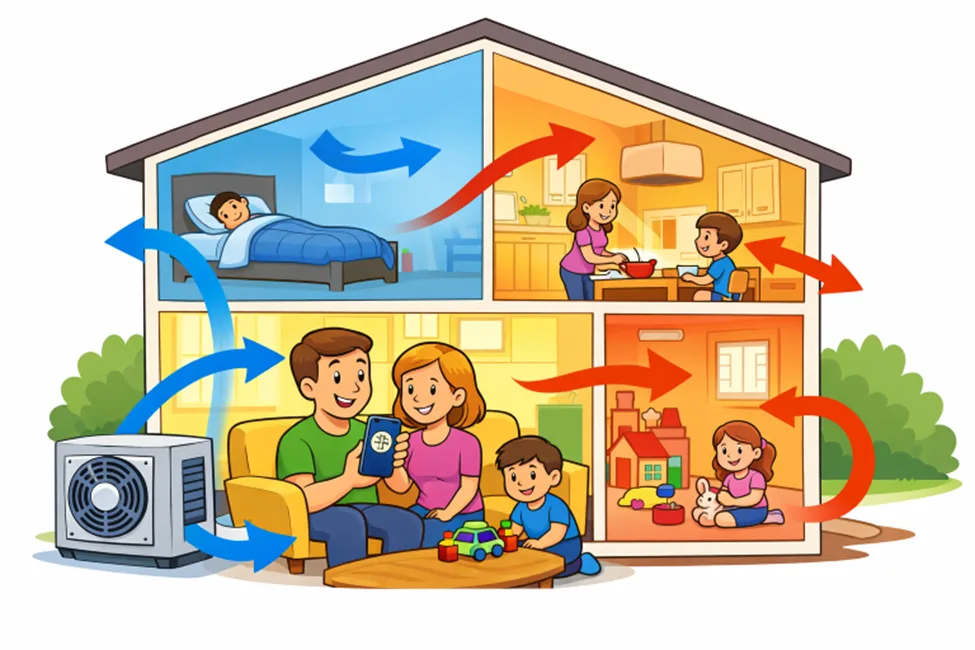
In addition to these features, many modern HVAC systems include learning algorithms that adapt to your schedule and preferences over time. This means that as these systems “learn” your lifestyle, they can optimize heating and cooling output for even greater efficiency and comfort. Integrating occupancy sensors helps prevent energy waste by automatically adjusting settings when rooms are vacant. Further, modern systems often include communication-enabled thermostats that send alerts when performance issues are detected, making troubleshooting and scheduling repairs more efficient.
Some thermostats even use geofencing to determine when you’re approaching home or leaving, adjusting temperatures seamlessly for comfort and energy savings. The potential for smart home integration continues to grow, with compatibility expanding to include devices such as voice assistants and advanced indoor air quality monitoring tools.
Benefits of Energy-Efficient Systems
Switching to an energy-efficient HVAC system delivers numerous advantages:
- Cost Savings: Lower energy use translates into smaller utility bills, making efficient systems an investment that pays off over time. According to the U.S. Department of Energy, homeowners can save up to 20-40 percent on utilities by upgrading to an efficient system.
- Environmental Impact: Reduced consumption means fewer greenhouse gas emissions, contributing to a more sustainable future. New refrigerants are also less harmful than their predecessors, further minimizing environmental impact.
- Enhanced Comfort: Modern HVAC systems leverage advanced technology to maintain consistent temperatures and better humidity control, creating a healthier, more pleasant indoor environment.
Improved filtration options also result in better air quality, reducing allergens, pollutants, and dust, which is especially beneficial for families with members who have respiratory issues. Many energy-efficient systems also include advanced dehumidification features that are particularly helpful in humid climates, maintaining indoor air quality and reducing the potential for mold growth. Additionally, with smart systems, you can track and analyze your home’s energy usage, making it easier to adopt personalized strategies to cut costs further.
Furthermore, maintenance needs for energy-efficient systems are often less frequent thanks to durable, high-performance components. Integrated alerts and monitoring make it easier to know when to service the system, ensuring that small problems are addressed promptly. Over the long term, choosing an efficient system can also increase your home’s resale value, an extra incentive for eco-conscious or cost-savvy buyers.
Latest Innovations in Heating and Cooling
Innovative solutions are transforming the heating and cooling landscape:
- Smart Heat Pumps: Companies like Quilt are setting new standards with intelligent heat pump technology featuring room-by-room control and sophisticated sensors. These systems are designed for seamless integration into a variety of home decor while significantly reducing energy consumption.
- Cold Climate Heat Pumps: Heat pumps developed by Trane Technologies have excelled in the U.S. Department of Energy’s cold climate challenge, demonstrating 15-20 percent average energy bill savings during field trials.
These solutions are built to deliver reliable comfort even in harsh winter conditions. Other advancements include integration with smart home platforms and predictive maintenance powered by artificial intelligence. These features minimize downtime, prevent costly repairs, and enhance overall user experience. For more insights into how these systems can impact your home’s energy use, visit The New York Times’ Heat Pump Buying Guide. The introduction of dual-fuel systems is another notable innovation. These systems combine an electric heat pump with a gas furnace, automatically switching between the two sources based on temperature and energy rates.
This not only guarantees comfort during extreme cold but also takes advantage of the most economical energy option at any time. Emerging technologies are paving the way for environmentally friendly refrigerants and quieter, more discreet system designs. Advanced compressors and inverter-driven motors allow systems to maintain desired temperatures with less cycling and noise, reducing wear and extending equipment lifespan. Homeowners also benefit from wireless diagnostics and cloud-based management portals, which make controlling even complex multizone systems intuitive and straightforward.
Choosing the Right System for Your Home
Finding the best HVAC solution means considering several factors unique to your home:
- Climate: Select a system specifically designed for your region’s typical weather. Cold-climate models may be suitable for northern areas, while areas with hot summers may prioritize high-efficiency cooling.
- Home Size and Layout: The square footage and overall layout will influence the required HVAC system capacity and zoning options.
- Energy Efficiency Ratings: Look for models with high SEER (Seasonal Energy Efficiency Ratio) ratings and ENERGY STAR certification for maximum savings and performance.
It is also wise to consult a reputable contractor to assess your needs and recommend the most suitable solutions. Home energy audits can provide a detailed understanding of your home’s insulation, windows, and energy flow, enabling better choices overall. When selecting a system, consider not only initial costs but also long-term maintenance and repair accessibility. Some newer models come with extended warranties, offering years of protection and peace of mind.
Homeowners may also want to review noise levels, available smart features, and compatibility with existing ductwork or radiant heat systems. Additional considerations include ensuring that your electrical system can support the new HVAC requirements. Retrofitting smart or variable-speed equipment may necessitate panel upgrades or dedicated circuits, a step best evaluated by professional electricians. It’s also helpful to ask about filter types, warranty coverage, and service support to safeguard your investment.
Maintenance Tips for Optimal Performance
Maintaining your system is essential for ensuring its long-term efficiency and reliability:
- Filter Replacement: Change air filters every 1-3 months to support airflow and healthy indoor air quality.
- Annual Inspections: Schedule professional tune-ups each year. Regular inspections help catch small problems before they escalate and keep your warranty valid.
- Clean Ducts and Vents: Periodically clean ducts and vents to remove dust and debris, ensuring unobstructed airflow and system health.
Following a simple maintenance schedule can extend the lifespan of your equipment and help avoid sudden breakdowns. For comprehensive maintenance guidance, consult resources such as Energy Saver from the U.S. Department of Energy. In addition, monitoring refrigerant levels and checking thermostat calibration regularly are essential steps. Modern thermostats may occasionally lose calibration accuracy, so reviewing your system’s actual performance versus desired settings ensures you’re getting the most from your unit.
Addressing minor issues as soon as they arise ensures uninterrupted performance throughout the season. Regularly cleaning the exterior condenser unit, trimming nearby shrubs, and ensuring clear drainage lines can further improve system performance. It’s also important to inspect insulation around pipes and ducts to minimize energy loss, particularly in attics or crawl spaces, where inefficiency can rapidly escalate utility costs. With a few proactive steps each season, you can safeguard your home’s comfort and system longevity.
Government Incentives and Rebates
Government programs can help offset the initial investment in advanced HVAC technologies. For example, New York State’s $17.5 million investment in clean heating and cooling provides funding and incentives for both pilot projects and widespread adoption. These programs are often available at both the federal and state levels, enabling homeowners to access rebates, tax credits, or loan programs. Taking advantage of these opportunities can significantly lower your upfront installation costs while ensuring continued energy savings throughout your system’s lifespan. Homeowners should check local, state, and federal resources to stay up to date on current offerings.
Many utility companies also offer incentives for upgrading to efficient systems, including cash rebates, low-interest financing, and free energy audits. Documenting your installation and energy savings can also benefit you when applying for future rebates or selling your home, as energy-efficient upgrades often add real estate value. Additionally, staying informed about evolving legislation, such as tax credits in the Inflation Reduction Act or local green building policies, can reveal further ways to reduce upgrade costs. Certification from programs like ENERGY STAR or LEED can boost eligibility for additional rewards, making comprehensive energy overhauls even more compelling for discerning homeowners.
Conclusion
Embracing modern, energy-efficient heating and cooling technologies allows homeowners to enjoy not only greater comfort and cleaner indoor air but also cost savings and a reduced environmental footprint. Staying informed about the latest innovations, efficiency standards, and ongoing maintenance best practices ensures that home systems deliver reliable performance year after year. Homeowners benefit from peace of mind, knowing their investments are optimized. With changing weather patterns and growing attention on sustainability, adopting the latest HVAC technologies represents a responsible and practical step for the modern homeowner.
By investing in the best solutions available and maintaining them with care, you can look forward to years of dependable, trouble-free heating and cooling, no matter the season. For those starting their journey into home upgrades, reaching out to local HVAC and electrical specialists can provide tailored recommendations and support, ensuring that your choices are well-matched to your unique needs and preferences. The comfort, efficiency, and value added by such investments are clear, making today’s advanced systems an appealing choice for anyone looking to future-proof their home.