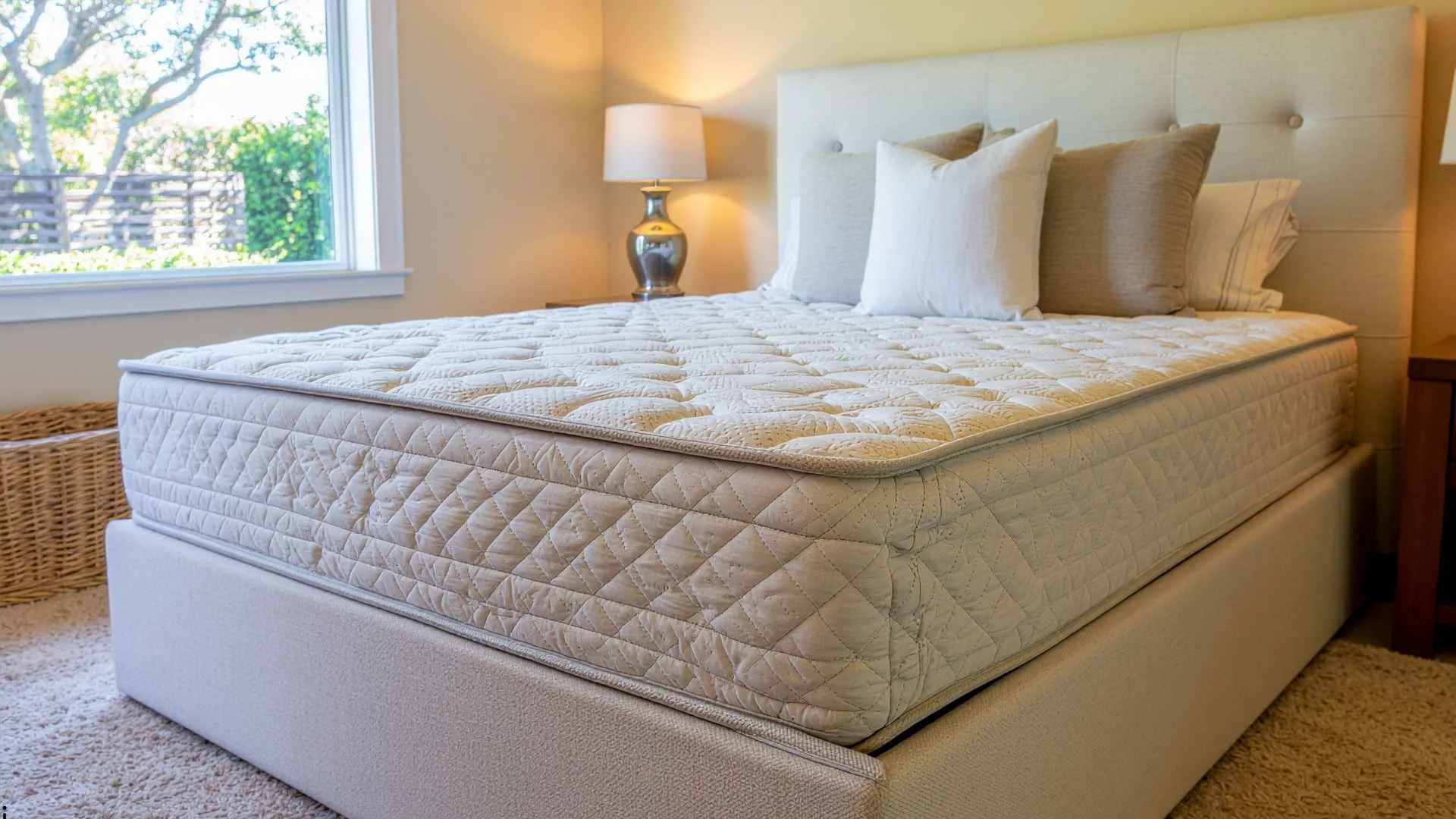
Waking up with a stiff back or sore shoulders can make the entire day feel uncomfortable. In plenty of cases, the problem is not the number of hours spent sleeping but the support provided by the mattress. A sleep surface that fails to keep the spine aligned can create pressure points and leave muscles working through the night.
Choosing a mattress becomes easier with a reliable side sleeper mattress guide that explains which features truly matter. This article explores the mattress characteristics that help reduce spinal pressure and improve overall sleeping comfort.
Pressure Relief Helps Distribute Body Weight Evenly
Pressure relief is one of the most important features for spinal comfort. A mattress should allow heavier areas, such as the shoulders and hips, to sink slightly while supporting the waist and lower back. This balance helps maintain a more natural spinal position. For example, a side sleeper who feels shoulder discomfort every morning may benefit from comfort layers that spread body weight across a wider surface. Less concentrated pressure allows joints and muscles to relax during sleep.
Zoned Support Improves Natural Spinal Alignment
A mattress with zoned support uses different firmness levels across various sections of the bed. Softer zones cushion the shoulders, while firmer zones support the hips and lower back. This design helps keep the spine in a neutral position. People who sleep on one side for most of the night may notice improved comfort with zoned support. Balanced body alignment reduces unnecessary strain that develops when the hips sink deeper than the shoulders.
Mattress Firmness Should Match Your Body Weight
Firmness influences how well a mattress supports the spine. A lightweight sleeper may receive enough support from a medium-soft surface, while someone with a heavier build may need a firmer mattress to maintain proper alignment. Testing several firmness options before purchasing helps identify the right balance. A mattress should cushion pressure points without allowing the body to sink excessively into the comfort layers.
Responsive Comfort Layers Help Maintain Support
Comfort layers affect how the mattress responds when you change sleeping positions. Memory foam contours closely around the body, while latex provides a more responsive feel that makes movement easier. Hybrid mattresses combine foam comfort with coil support for balanced performance. Choosing the right material depends on personal preference and sleeping habits. Someone who changes positions during the night may appreciate a responsive surface that quickly adjusts without creating deep body impressions.
Edge Support Creates a More Stable Sleep Surface
Edge support influences more than getting into and out of bed. Stronger edges provide a consistent sleeping surface across the entire mattress, allowing sleepers to use the full width without feeling like they may roll off. This feature benefits couples who share a mattress because each person has more usable space. Better edge stability also helps maintain spinal alignment when sleeping closer to the sides of the bed.
Motion Isolation Helps Reduce Sleep Interruptions
Movement from one sleeper can disturb another, especially on mattresses with poor motion isolation. Repeated sleep interruptions reduce the amount of uninterrupted rest you receive, even if you remain in bed for enough hours. Research suggests that up to 25% of Americans experience excessive daytime drowsiness, highlighting how disrupted sleep can affect energy levels and daily functioning. A mattress with good motion isolation absorbs movement before it spreads across the surface, helping partners, parents sleeping with children, or pet owners enjoy fewer disturbances and more consistent sleep throughout the night.
Durable Support Layers Protect Long-Term Comfort
A mattress should continue supporting the spine after years of regular use. Durable support layers resist sagging, helping the mattress maintain its original shape and performance for a longer period. A good side sleeper mattress guide recommends looking beyond the initial comfort feel. High-density foams, quality coils, and durable construction help preserve spinal support and reduce the likelihood of developing pressure points as the mattress ages.
Sleep Needs That Can Influence Your Mattress Choice
- For Shoulder and Hip Pressure Relief – Mattresses with contouring comfort layers help cushion major pressure points while keeping the spine in a more neutral position.
- For Hot Sleepers – Cooling covers, breathable foams, and airflow-promoting coil systems help reduce heat buildup for a more comfortable night’s sleep.
- For Couples – Strong motion isolation and reinforced edge support help reduce partner disturbance while making full use of the mattress surface.
- For Budget-Conscious Buyers – Affordable mattresses with durable foams and dependable pressure relief can provide long-term comfort without premium pricing.
- For Eco-Conscious Shoppers – Mattresses made with natural latex, organic fibers, or responsibly sourced materials can provide breathable comfort while appealing to buyers looking for more natural sleep products.
- For Long-Term Value – High-density foams, durable coil systems, generous sleep trials, and strong warranty coverage can help you choose a mattress that remains supportive for years.
Reducing pressure on the spine requires more than choosing the softest mattress available. Pressure relief, zoned support, suitable firmness, durable materials, and quality construction all work together to support healthy alignment throughout the night. Understanding these features helps you select a mattress that promotes greater comfort and allows you to wake feeling more refreshed.