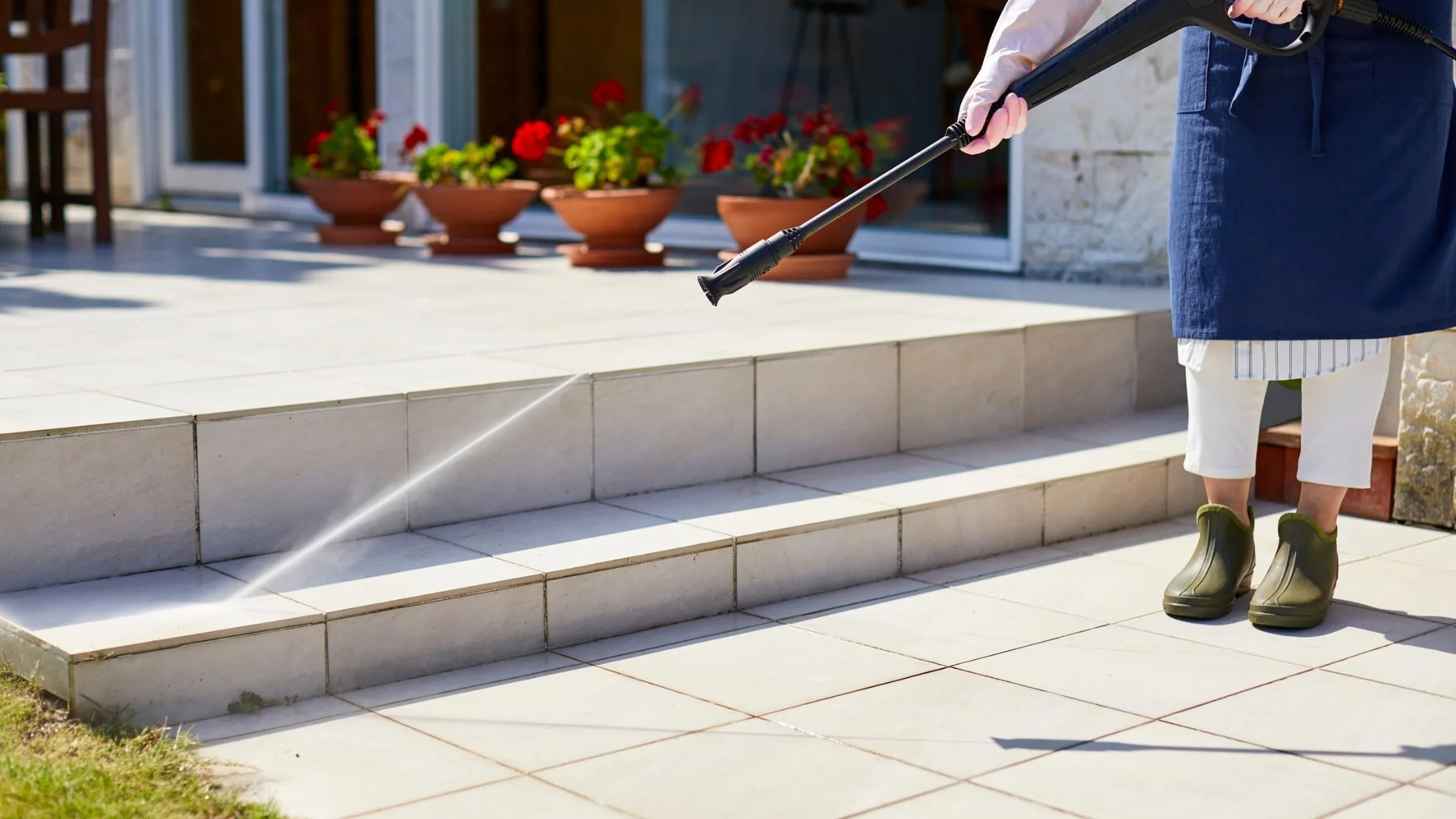
Pressure washing is a method that uses high-pressure water to eliminate dirt, grime, mold, and other contaminants from your home’s exterior surfaces. Whether cleaning siding, driveways, or decks, this technique can restore the vibrancy and cleanliness of your property’s exterior. Its effectiveness makes it a popular choice for homeowners aiming to extend the lifespan of surfaces and boost property value quickly and efficiently. If you want a specialist’s touch, you can rely on local experts in pressure cleaning Port St Lucie to handle even the toughest stains.
Homeowners opt for pressure washing to combat the relentless buildup left by weather exposure, organic growth, and urban pollution. Professional cleaning services utilize commercial-grade machines that make quick work of even stubborn marks and debris, returning surfaces to a nearly new condition without harsh chemicals or backbreaking scrubbing.
Pressure washing isn’t just about instant gratification, removing layers of grime that have dulled your exterior, but it is crucial for long-term property health. Frequent cleaning can uncover potential issues such as rot, chipping paint, or weakened seals, allowing you to catch small maintenance issues before they evolve into expensive repairs. In regions subject to heavy humidity or rainfall, regular washes can fend off the persistent problem of mold growth, reducing the risk of wood rot and staining.
For homeowners concerned about the environmental impact, many modern pressure washers and professional companies use biodegradable detergents and water-saving technology. This approach minimizes harm to your landscaping and local water systems while still delivering a sparkling clean.
Benefits of Regular Pressure Washing
Making pressure washing a regular part of your property maintenance offers a host of valuable benefits:
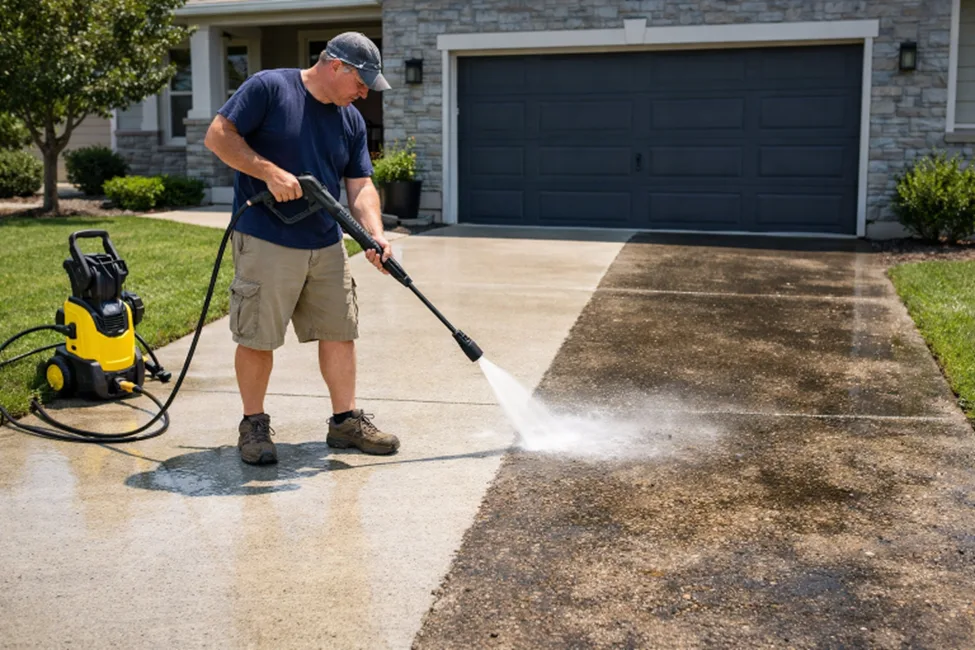
- Enhanced Curb Appeal: Fresh, clean exteriors make your home more inviting. According to real estate professionals, simple improvements like power washing driveways and paths can dramatically improve first impressions, contributing to a higher property valuation.
- Preventative Maintenance: Regular washing removes mold, mildew, and algae, preventing them from degrading paint, wood, and other materials over time.
- Health Benefits: Removing pollutants, pollen, and spores from outdoor surfaces helps maintain a healthier environment for everyone in your household.
Regularly scheduled maintenance saves money in the long run by averting costly repairs and prolonging the life of essential surfaces and finishes.
Pressure washing also contributes to community standards. A well-kept home not only boosts the confidence of its owners but also increases neighborhood pride, encouraging others to keep their properties in equally good condition. This collective effort can translate to improved property values and a cleaner, safer environment for everyone.
For families with allergies, annual or bi-annual pressure washing can be an effective way to wash away dust mites, pollen, and mold spores that might otherwise be tracked indoors. This can especially benefit younger children or older adults who may be more sensitive to outdoor allergens and air quality.
Surfaces Suitable for Pressure Washing
Not all surfaces can safely withstand the power of a pressure washer; choosing correctly prevents unnecessary damage:
- Siding: Vinyl siding and fiber cement boards are generally safe for pressure washing, while materials like aluminum need extra caution to prevent denting and should be treated with the lowest setting and broadest spray tip. Consumer Reports advises always testing a small area first.
- Driveways and Walkways: Concrete, brick, and stone are ideal candidates, responding well to high-pressure jets that lift grime, moss, and stains.
- Decks and Patios: Wood and composite materials clean up nicely, but require lower pressures and a careful approach to avoid stripping away finishes or causing etching.
It’s important to note that older and more fragile surfaces, such as aged brick or weathered wood, may need treatment with specialized low-pressure settings and extremely gentle cleansers. Fencing, outdoor furniture, and even swimming pool surrounds can typically be cleaned with the right combination of pressure and technique, but always consult user manuals or a local expert if unsure.
Safety Precautions
Operating a pressure washer involves more than simply pulling the trigger. Following a few essential safety precautions will protect both users and your property:
- Always wear protective goggles, gloves, and closed-toe shoes to shield against flying debris.
- Keep the spray nozzle at least six feet from electrical outlets, fixtures, and power lines to prevent electric shock or fire.
- Match your machine’s nozzle and pressure settings to the surface type. Excess pressure can cause lasting damage.
When handling any outdoor cleaning project, be mindful of your surroundings. Keep pets and small children at a safe distance, as the high-pressure spray can cause accidental injury. If using chemical cleaners, follow label instructions carefully. Some solutions can harm plants or discolor certain surfaces.
Remember to check the forecast before starting your project; working in calm, dry weather reduces slips and ensures detergents don’t wash away before they get to work.
Step-by-Step Guide to Pressure Washing Your Home
- Preparation: Clear the area of obstacles and fragile items. Cover delicate plants and garden features with plastic sheeting to safeguard them from spray and detergent.
- Choose the Right Equipment: Use a pressure washer designed for residential use with adjustable settings and a range of nozzles suited for varying materials.
- Apply Detergent: Select a cleaning solution meant for pressure washers and apply it starting at the bottom of walls, moving upwards to prevent streaking and ensure even coverage.
- Rinse Thoroughly: Begin rinsing from the top down. Maintain a consistent distance and sweeping motion to avoid leaving uneven patches or water marks.
- Allow to Dry: Once you finish, let surfaces air dry completely before putting away protective coverings or returning furniture and décor to their rightful places.
For best results, take your time and avoid rushing the process. If you encounter especially tough stains, let the cleaning solution sit for several minutes before rinsing. For surfaces prone to collecting grass, leaves, or mud, periodic sweeping or rinsing in between deep washes can extend the clean look of your property.
When to Hire Professionals
For larger jobs or delicate materials, professional help is often worthwhile. Pros carry insurance, come equipped with industrial machinery, and know how to safely clean a variety of surfaces. Professional services are especially recommended for multi-story homes or situations where the removal of persistent stains, heavy moss, or mildew requires specialized treatment.
Experts can also help you identify any trouble spots, such as pre-existing cracks or weak seals, that could be further damaged by high-pressure water. Relying on a reputable service ensures the best results without risking your property or safety.
Conclusion
Pressure washing is an essential practice for maintaining the exterior of your home. By understanding the techniques and precautions involved, you can dramatically improve your curb appeal, safeguard your property, and create a cleaner, healthier home environment.
Whether you tackle the job yourself or hire experienced professionals, a consistent pressure washing schedule can make all the difference in protecting your largest investment for years to come.