You don’t always need a giant renovation to make your home feel fresh again. Sometimes the biggest difference comes from the outside, where faded surfaces and tired details can quietly drag down the whole look. If your place feels a little blah from the street, a few smart exterior updates can wake it right up. The goal isn’t to make your house look fancy for five minutes. It’s to make it feel cared for, welcoming, and easier to live with for years.
Start with siding
If you want one upgrade that changes your home’s look fast, siding is usually the big one. It covers a huge part of what people see first, so when it starts looking worn, the whole house can feel older than it really is. Cracks, fading, dents, or peeling sections are often signs it’s time to take a closer look.
Working with a professional siding company can make sense when you want an exterior that looks better and holds up better too. Good siding doesn’t just help curb appeal. It also helps protect your walls from rain, wind, and moisture.
Think of siding as your home’s jacket. If the jacket is ripped and tired, everything under it feels less protected. A cleaner, updated exterior can make your house feel newer right away, and it often cuts down on the constant patch-it-again cycle that many homeowners know all too well.
Notice the warning signs
A home usually gives you clues before exterior problems get serious. You just have to know where to look. One of the easiest signs is color that looks dull or uneven, especially on the sunniest side of the house. Warping, bubbling, or loose pieces are bigger red flags.
You might also notice stains that keep coming back, even after cleaning. That can hint at trapped moisture. If parts of your home feel drafty inside, the issue may not only be your windows. Exterior materials that have aged poorly can also play a role.
Some signs are less dramatic but still worth noticing:
- Caulk that keeps cracking
- Paint that peels too often
- Moldy or musty spots outside
- Rising upkeep every season
If you feel like you’re always repainting, repairing, or apologizing for the front of your house, that’s a sign in itself. Your exterior shouldn’t act like a high-maintenance diva.
Pick colors that last
Choosing an exterior color sounds fun until you’re staring at twenty shades of beige that all somehow look different. The trick is to think long term. Trendy can be nice, but you want something you’ll still like after the excitement wears off.
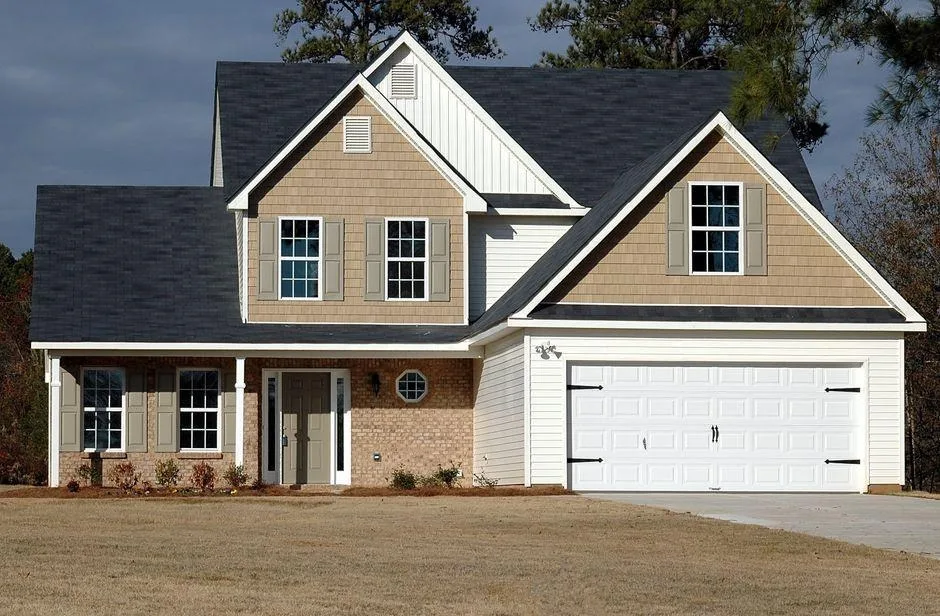
Start with the parts you probably won’t change soon, like your roof, stonework, driveway tone, and major landscaping. Your siding color should work with those features instead of fighting them. A soft warm gray, creamy white, muted green, or deep blue can feel current without being too loud.
You should also consider your neighborhood. That doesn’t mean your house has to blend in like a shy kid at school. It just means the color should feel at home on the block.
A few simple tips help:
- Test colors in daylight
- Check morning and evening tones
- Pair trim carefully
- Avoid ultra-harsh contrasts
The best exterior colors feel calm, clean, and easy to live with. Not every house needs to shout to be noticed.
Mix beauty with function
A pretty exterior is great, but looks alone don’t pay you back for long. The smartest updates improve daily life too. That means choosing materials and features that can handle your local weather, stay easier to clean, and reduce future headaches.
For example, a surface that resists moisture and holds color well can save you from constant touch-ups. That matters more than people think. It’s easy to fall for something that looks lovely in a photo and then turns into a weekend chore machine.
When you compare options, think about how your home actually lives. Do you get heavy rain, lots of sun, or wind that seems personally offended by your porch decor? Those things matter. So does maintenance.
A useful exterior update should help with:
- Protection from weather
- Easier cleaning
- Better comfort indoors
- Longer-lasting appearance
That sweet spot between attractive and practical is where the real value lives. It’s not flashy, but it’s smart, and smart ages well.
Small details matter
Once the larger exterior surfaces look good, little accents can pull everything together. This is where your home gets personality without needing a dramatic makeover. Think of these details as the accessories that make the outfit work.
A new porch light, updated house numbers, or a clean mailbox can make more impact than you’d expect. Planters by the door, fresh trim paint, and a swept walkway all help the place feel intentional. Even your front doormat gets a vote.
Try focusing on a few details that support the main update instead of adding random extras. If your exterior is calm and classic, bold neon decor may feel a bit like sneakers with a tuxedo.
Good finishing touches often include:
- Matching hardware finishes
- Tidy porch seating
- Healthy plants or simple greenery
- Clean edges along paths
You don’t need a magazine-perfect entry. You just want the outside of your home to say, “Yep, people care about this place.”
Plan before you spend
It’s easy to get excited and jump straight into shopping, but a little planning saves money and stress. Start by deciding what bothers you most about your home’s exterior right now. Is it fading, maintenance, style, or all three playing tag together?
Next, separate must-do upgrades from nice-to-have extras. That helps you protect your budget and avoid spending too much on things that won’t matter six months from now. If siding or other exterior materials are truly worn out, deal with that before buying decorative add-ons.
It also helps to ask practical questions before hiring anyone or choosing materials:
- How much upkeep is needed?
- What works in your climate?
- How long should it last?
- What fits your home’s style?
A good exterior update should feel like a relief, not a puzzle with missing pieces. When you plan around your budget, your weather, and your everyday life, your home can look better and work better at the same time.