A successful addition project starts with clear goals, a realistic budget, and timely involvement of professionals. If you are planning an additional project adu woodland hills, consult with local experts and familiarize yourself with zoning regulations to avoid unpleasant and costly surprises. Proper planning allows you to align your design concepts with permitting requirements, site constraints, and financing options, ensuring that construction proceeds smoothly and on schedule.
Pre-Construction Checklist and Site Preparation
Before beginning construction, it is essential to conduct a thorough site assessment and obtain all necessary permits. The following five points constitute a practical pre-construction checklist that every homeowner should consider:
- Check zoning and setback requirements to confirm the permissible type and location of the ADU.
- Conduct a site survey and soil analysis to determine grading, drainage, and foundation requirements.
- Prepare permit-ready drawings, including architectural, structural, and energy efficiency plans.
- Obtain utility estimates for water, sewer, electrical capacity, and gas service connections.
- Set a realistic budget and a contingency fund to cover design, permitting, construction, and landscaping costs.
- Explanation of Construction Phases
Foundation and Construction Work
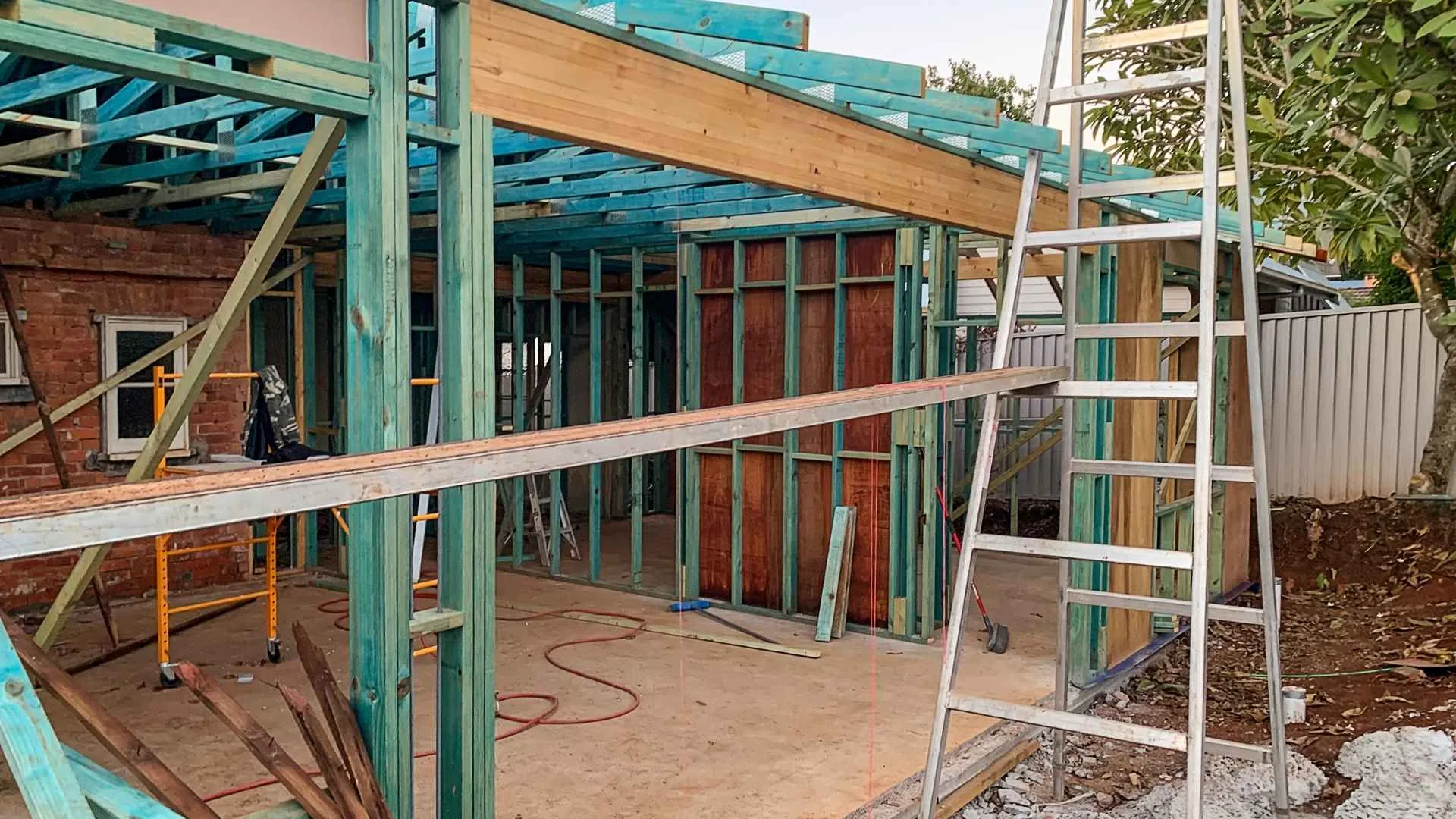
Once permits are approved, foundation work begins. For most ADUs, this involves compacting the site, pouring foundation footings, and constructing a slab or raised foundation. This is followed by the erection of the structural frame, which defines the floor plan and load-bearing paths. Proper coordination between structural engineers and builders prevents rework and ensures compliance with building codes.
Building Envelopes and Mechanical and Electrical Systems
After the building frame is erected, construction workers install the building envelope—the roof, exterior walls, windows, and thermal insulation—and then proceed with the rough installation of mechanical and electrical systems (ventilation, electrical systems, and plumbing). Prioritizing airtightness and high-quality insulation contributes to long-term energy efficiency and resident comfort.
Interior Finishes and Accessibility
Interior work includes the installation of drywall, flooring, cabinets, and plumbing fixtures. Consider incorporating universal design elements—such as wider doorways, step-free entrances, and accessible bathrooms—to enhance the property’s usability and market appeal. Durable, low-maintenance finishes reduce costs throughout the building’s lifecycle.
Inspections and Commissioning
Scheduled inspections verify compliance at key stages: foundation, framing, systems, and final commissioning. A thorough commissioning process includes testing heating, ventilation, and air conditioning systems, plumbing, and electrical equipment to ensure reliable operation before tenants move in or family members begin using the property.
Managing Timelines and Costs
Construction timelines depend on the complexity of the project, the speed at which permits are obtained, and the contractor’s availability. Draw up a clear contract specifying key dates, a payment schedule, and the procedure for making changes to the order. Regular on-site meetings and open communication with the builder will help you monitor the scope of work and keep the project within budget.
Selecting the Right Team
Choose a contractor with experience in construction who can coordinate permitting, subcontractor work, and inspections. Review their portfolio, verify their licenses and insurance, and request client references. An integrated team—comprising an architect, structural engineer, and builder—streamlines decision-making and minimizes delays.
Building an ADU in Woodland Hills is a practical way to increase the value and flexibility of your property, provided you approach the process methodically. Start with a realistic plan, complete a pre-construction checklist, and work with experienced professionals to navigate the permitting and construction process. With careful oversight and a focus on durable, affordable design, your ADU can become a reliable source of income or a comfortable home for family members.