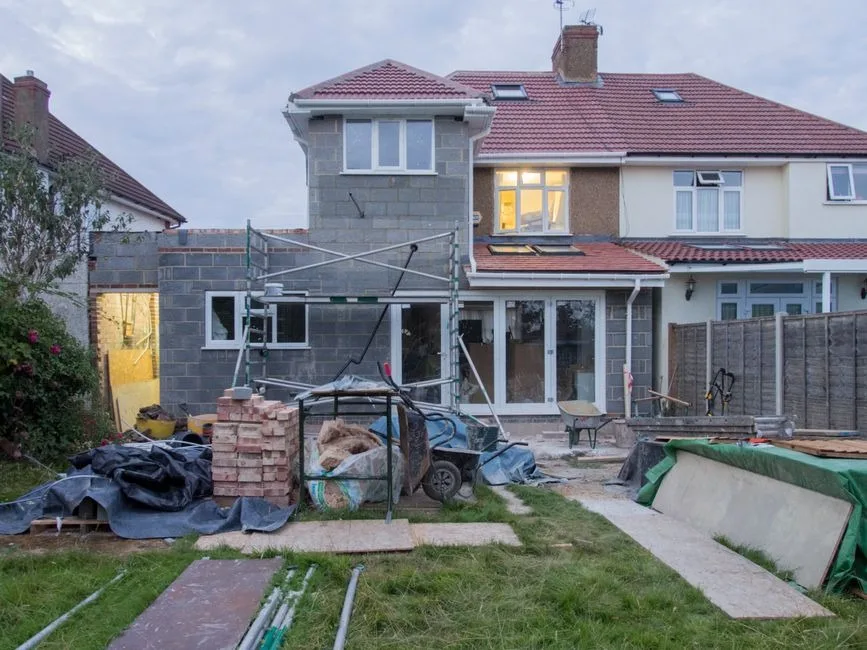
Renovating a coastal home is about more than creating a brighter kitchen or updating a dated bathroom. Salt air, high humidity, wind-driven rain, sand, and intense sunlight can shorten the life of ordinary materials and expose weak points that may not be obvious at first glance. Homeowners planning a major update can Click here to explore renovation services and begin thinking through the practical details that shape a durable project. The strongest coastal renovations balance appearance with long-term performance. A beautiful finish is only valuable if the surrounding walls, windows, roof, flooring, and ventilation systems can handle the climate. Planning gives homeowners more control over costs, material choices, construction timing, and the comfort of the finished space.
Why Coastal Renovation Planning Matters
Coastal conditions can affect almost every part of a home. Humidity may encourage mold and swelling in poorly protected materials. Salt air can accelerate corrosion on metal hardware, fasteners, railings, and exterior equipment. Strong sunlight can fade finishes and increase indoor heat, while high winds and rain test roofing, flashing, windows, doors, and drainage. This does not mean every feature must be commercial-grade or overly expensive. It means each decision should fit the home’s exposure and daily use. For example, an entry floor should look welcoming but also withstand wet feet, tracked-in sand, frequent cleaning, and occasional spills without becoming slippery or difficult to maintain.
Inspect the Home Before Design Begins
Before demolition, paint samples, or cabinet shopping, complete a room-by-room condition review. Look for stained drywall, musty odors, soft flooring, peeling paint, cracked caulk, and signs of leaks around windows, doors, plumbing fixtures, and ceilings.
- Test windows and doors for drafts, failed seals, corrosion, and difficult operation.
- Review the roof, flashing, gutters, soffits, siding, and exterior coatings.
- Check plumbing, electrical panels, ventilation, and air-conditioning performance.
- Ask for records of past repairs, additions, permits, and inspections.
Hidden water damage or outdated systems can quickly change the project scope. Addressing those issues early helps prevent a renovation budget from being spent entirely on visible finishes while more serious problems remain behind walls or under floors.
Set Clear Renovation Goals
A long wish list is easy to create, but a successful renovation begins by ranking what matters most. Choose three primary goals, then use them to guide every later decision.
- Comfort: Better airflow, cooler rooms, improved lighting, or quieter spaces.
- Durability: Surfaces, fixtures, and hardware that need fewer repairs.
- Function: Improved storage, traffic flow, accessibility, and meal preparation.
- Safety: Slip-resistant floors, brighter entries, secure doors, and safer stairs.
- Style: Colors, textures, and layouts that complement the setting.
Choose Materials for Coastal Conditions
Flooring
Porcelain tile, luxury vinyl, and properly sealed stone are common choices for moisture-prone rooms and busy entries. The best option depends on the room, the amount of direct water exposure, cleaning habits, and comfort underfoot. In bathrooms, kitchens, and exterior transitions, select a finish with practical slip resistance rather than focusing only on color or pattern.
Cabinets, Countertops, and Paint
Cabinet construction, edge sealing, and ventilation matter in humid spaces. Countertops such as quartz, porcelain, solid surface, and natural stone each have different maintenance needs, so consider stain resistance, heat tolerance, seams, and sealing requirements. For exterior paint, proper surface preparation is as important as the coating itself. Choose finishes designed for moisture and sun exposure, and repair failed caulk, damaged trim, and soft wood before painting.
Improve Energy Use and Indoor Comfort
Cooling costs and everyday comfort often improve when a renovation includes air sealing, insulation, efficient lighting, fans, window coverings, and well-planned ventilation. Inspect existing windows before deciding that every unit requires replacement. Damaged frames, drafts, moisture intrusion, and failed operation are meaningful warning signs, while some homes may benefit from targeted repairs or storm-window solutions. When comparing replacements, review window efficiency and air-leakage performance alongside frame material, glass options, shading, and installation quality. A window that suits a hot, sunny exposure may need different performance characteristics than one facing cold winds or heavy rain.
Plan for Storm Readiness
Storm preparation is easiest and most cost-effective when it is included in a larger renovation. Review roof condition, attachment points, flashing, drainage paths, exterior openings, and garage doors before work begins. Keep electrical equipment and valuable storage away from areas vulnerable to water intrusion whenever possible. Projects involving exterior walls, windows, doors, roofing, or structural changes are also a good time to consider building retrofit measures for coastal hazards, including opening protection, anchoring, drainage improvements, and elevation strategies where appropriate. Local requirements can vary, so confirm permit and code obligations before changing structural elements or exterior openings.
Build a Practical Renovation Budget
A useful budget includes more than labor and finish materials. Account for design fees, permits, inspections, demolition, hauling, delivery, temporary protection, plumbing and electrical changes, ventilation work, cleanup, and final touch-ups. Set aside a reserve for concealed damage or necessary corrections uncovered during construction. Separate essential work from optional upgrades. When reviewing estimates, compare the full scope, material allowances, exclusions, timeline assumptions, and warranty details rather than choosing solely by the lowest total price.
Sequence the Work in the Right Order
- Inspect the home and set priorities.
- Complete design, measurements, and selections.
- Review the budget, permits, and approvals.
- Protect unaffected areas and begin demolition.
- Complete structural, plumbing, electrical, and ventilation work.
- Address waterproofing, insulation, and wall repairs.
- Install cabinets, flooring, tile, fixtures, paint, and trim.
- Finish inspections, cleaning, and punch-list corrections.
Avoid Common Coastal Remodeling Mistakes
- Choosing materials based only on appearance.
- Skipping moisture and drainage inspections.
- Ignoring ventilation in bathrooms, kitchens, laundry rooms, and storage areas.
- Starting demolition before products are selected and available.
- Leaving windows, doors, and roof details out of the overall plan.
- Using a budget with no reserve for concealed damage.
Common Questions About Coastal Renovations
What should be renovated first?
Moisture, drainage, roofing, structural concerns, electrical issues, and plumbing problems generally deserve attention before cosmetic upgrades.
Which flooring works best near the coast?
Moisture-tolerant materials such as porcelain tile and quality luxury vinyl are practical options, but installation quality, cleaning needs, room use, and slip resistance should guide the final choice.
Should storm-ready improvements be included?
Yes, especially when renovating roofing, windows, doors, exterior walls, drainage, or structural components. Combining related work can reduce disruption and avoid repeating labor later.
Final Thoughts
A successful coastal renovation should be attractive, comfortable, and built to withstand demanding conditions such as humidity, salt air, strong winds, and moisture exposure. Start with a careful inspection of the home’s structure, exterior, drainage, roofing, and existing systems, then focus on the improvements that provide the greatest practical value. Select durable, moisture-resistant materials that can withstand the local environment without sacrificing appearance or comfort. Build a realistic budget that accounts for labor, permits, material costs, potential repairs, and unexpected conditions discovered during construction. Small choices in ventilation, drainage, finishes, hardware, insulation, and installation details can make a meaningful difference in reducing moisture problems, maintenance needs, and premature wear. With thoughtful planning and quality artistry, a coastal renovation can create a space that remains beautiful, functional, and resilient for years to come.