Louisiana homeowners who deal with cockroaches once often find themselves dealing with them again a few weeks or months later. This isn’t bad luck or a one-time fluke. American cockroaches, the large reddish-brown insects sometimes mistaken for palmetto bugs, thrive in the exact conditions that Louisiana’s climate provides year-round. Understanding their biology and habits explains why the problem tends to return rather than resolve on its own.
The Climate Connection That Keeps Them Coming Back
Louisiana’s warm, humid environment is close to ideal for American cockroaches. These insects prefer temperatures in the 70s and 80s and require consistent access to moisture to survive. Unlike some pests that die off in cooler months, American cockroaches in Louisiana rarely face a hard freeze long enough to reduce their populations meaningfully. The state’s long, humid summers combined with mild winters mean these insects can remain active for most, if not all, of the year.
This matters because reproduction rates in cockroaches are directly tied to temperature and humidity. Warmer, wetter conditions shorten the time between egg cases and allow more generations to develop annually. In regions with harsher winters, natural die-off helps keep populations in check. Louisiana doesn’t offer that same seasonal reset, which is one reason infestations here tend to be more persistent than in drier or colder climates.
Why Drains, Plumbing, and Crawl Spaces Matter So Much
American cockroaches are drawn to damp, dark spaces with limited human activity. Drains, plumbing chases, water heater closets, and crawl spaces check every box on their list of preferred habitat. These areas typically stay humid, provide hiding spots, and often connect directly or indirectly to the sewer system, which is itself a major cockroach highway.
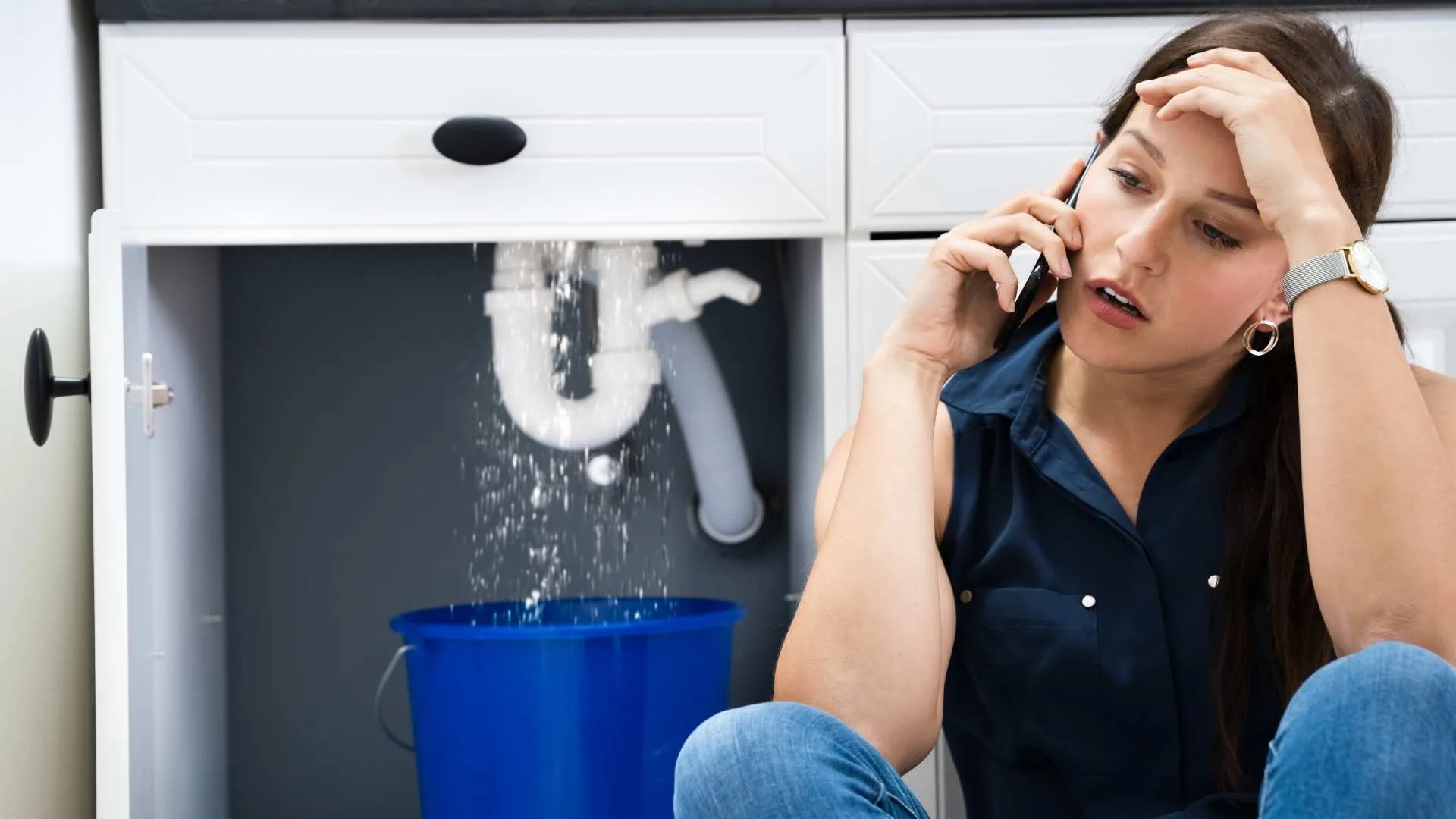
This is a central piece of American cockroaches in Louisiana what to know for anyone trying to understand recurring activity. Sewer systems provide a stable, moisture-rich environment with organic material for these insects to feed on. When a home has cracked pipes, unsealed drain covers, or gaps around plumbing penetrations, cockroaches can travel from the sewer system directly into interior spaces. A homeowner might treat visible activity in a kitchen or bathroom without realizing the source population is living in the plumbing system beneath the house, which is why the same complaints often resurface.
Crawl spaces present a similar issue. Homes built on pier-and-beam foundations, common throughout much of Louisiana, often have crawl spaces with elevated humidity due to soil moisture and limited airflow. These spaces can become a staging ground where cockroaches establish themselves before working their way into wall voids and eventually living areas.
Movement Between Outdoors, Garages, and Interior Spaces
American cockroaches are not confined to a single environment. They move freely between outdoor habitats, structures like garages and sheds, and the interior of a home depending on temperature, moisture availability, and food sources. During periods of heavy rain, flooding, or extreme heat, they often seek shelter indoors. This seasonal shifting is another reason infestations seem to appear suddenly even in homes that were previously clear.
Garages deserve particular attention. They frequently have gaps under doors, floor drains, and stored cardboard or organic material, all of which appeal to cockroaches. A garage can function as a transitional zone, allowing insects to move from outdoor mulch beds or woodpiles into a structure that has direct access to the home’s interior through doors or wall penetrations.
Exterior debris compounds this movement pattern. Leaf litter, mulch, woodpiles, and organic yard waste near a foundation offer both shelter and food. When these materials sit against exterior walls, they create a bridge between outdoor cockroach populations and the home itself. This is a key part of what American cockroaches in Louisiana know, since the insects rarely originate purely indoors. Most interior sightings represent an extension of an established outdoor or below-ground population rather than an isolated indoor colony.
Practical Steps That Reduce Recurring Activity
While no single action eliminates American cockroach activity entirely, several practical measures reduce the conditions that allow populations to persist and re-enter a home.
- Reduce standing moisture by fixing leaking pipes, addressing condensation on air conditioning units, and ensuring gutters direct water away from the foundation.
- Maintain drains by using drain covers, cleaning built-up organic matter periodically, and addressing slow drains that hold standing water.
- Seal exterior openings around utility lines, foundation cracks, weep holes, and gaps beneath doors where insects commonly enter.
- Remove organic debris such as leaf piles, mulch beds touching the foundation, and stacked firewood away from exterior walls.
- Improve crawl space ventilation or install a vapor barrier to reduce humidity levels beneath the home.
These steps address root causes rather than just visible symptoms. Since American cockroaches respond directly to moisture and shelter availability, reducing both factors makes a home considerably less hospitable, even if it doesn’t guarantee complete exclusion.
Recognizing Early Signs Before Activity Escalates
Homeowners often notice American cockroaches only after populations have grown substantial enough to produce visible daytime activity, which is unusual for a primarily nocturnal insect. Earlier warning signs include a musty odor in enclosed spaces, dark fecal specks near baseboards or drains, and shed exoskeletons in humid areas like bathrooms or utility closets. Egg cases, which are dark brown and capsule-shaped, are another reliable indicator when found in cabinets, behind appliances, or near plumbing fixtures.
Catching these signs early allows for more targeted moisture and exclusion efforts before an infestation becomes established indoors.
Final Analysis
American cockroaches remain a recurring issue in Louisiana homes largely because the state’s climate, housing styles, and infrastructure align closely with what these insects need to survive and reproduce. Warm temperatures, high humidity, extensive sewer connectivity, and vulnerable entry points all play a role. Addressing moisture control, sealing vulnerabilities, and reducing exterior debris won’t change Louisiana’s climate, but it significantly limits the conditions that allow these insects to move freely between outdoor and indoor environments. Consistent attention to these factors is what separates a temporary fix from a lasting reduction in activity.